

Geodon (Ziprasidone) — Patient Information (Australia)
Geodon is a medicine that contains ziprasidone, used to treat certain mental health conditions. This page is written to help you understand how Geodon works, how it is usually taken, common safety considerations, and practical tips for everyday use in Australia. Always follow the instructions given by your healthcare professional and the directions on your medicine label.
Key Product Information
| Item | Details |
|---|---|
| Brand name | Geodon |
| Active ingredient | Ziprasidone |
| Medicine type | Second-generation (atypical) antipsychotic |
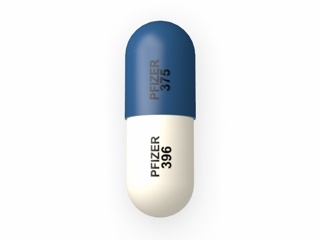
| Common strengths | Often available as oral capsules and may vary by supplier |
| How it’s taken | By mouth, usually 2 times daily with food (important for absorption) |
| Typical use | Schizophrenia and bipolar disorder (manic or mixed episodes, depending on local product approvals and prescriber direction) |
Note: Product availability and specific tablet/capsule strengths can differ. Your pharmacist can confirm what is currently stocked by a particular supplier.
How Geodon Works (Mechanism of Action)
Ziprasidone affects several brain chemical pathways. While the full mechanism is complex, its clinical effects are largely linked to:
- Dopamine (D2) receptor activity — helps reduce symptoms associated with dopamine imbalance.
- Serotonin (5-HT) receptor activity — helps stabilise mood and perception.
- Other receptor effects — ziprasidone influences additional neurotransmitter receptors that contribute to symptom control.
For many people, improvement may be gradual. Some symptoms can start to ease within days, but meaningful and sustained benefit usually takes longer.
What Geodon Is Used For (Typical Indications)
In Australia, ziprasidone is used for conditions that fall within the scope of antipsychotic therapy, commonly including:
- Schizophrenia — to help reduce psychotic symptoms such as hallucinations, delusions, disorganised thinking, and agitation.
- Bipolar disorder — in some situations to treat manic or mixed episodes (the exact regimen depends on the person and local approval/clinical guidance).
Your prescriber may also recommend it for other reasons if clinically appropriate. If you’re unsure why it was chosen for you, ask your doctor or pharmacist.
When to Take Geodon (Timing and Routine)
Timing matters, particularly because ziprasidone absorption is strongly influenced by food. A common instruction is to take it twice daily with food.
- Take with meals (breakfast and evening meal are common options).
- Try to take it at the same times each day to maintain steady levels.
- Do not skip meals around your dose—skipping food can reduce medicine absorption.
If you miss a dose: Take it as soon as you remember if it’s still within the same general timeframe and you can take it with food. If it’s close to the next scheduled dose, skip the missed dose and continue as normal. Do not take double doses to make up for a missed one.
Food Interactions and Absorption
One of the most important practical points for ziprasidone is that it should be taken with food to ensure adequate absorption.
- Take with a meal, not on an empty stomach.
- Smaller snacks may not provide the same absorption as a full meal for some people; aim to take it with an appropriate meal as advised.
- Consistency helps: if you take it with meals, keep your routine consistent.
If you have problems eating regularly (for example, due to appetite changes, nausea, or other illness), speak with your pharmacist. They can help you plan an approach that supports consistent dosing.
Pharmacokinetics (How the Body Handles Ziprasidone)
Understanding pharmacokinetics can help you appreciate why food and adherence are important.
- Absorption: Ziprasidone’s absorption increases when taken with food. This is why taking it with meals is strongly recommended.
- Distribution: After absorption, ziprasidone distributes through the bloodstream into tissues.
- Metabolism: It is metabolised mainly in the liver by enzyme systems (including CYP pathways). This is one reason certain medicines can affect levels.
- Elimination: The body clears ziprasidone and its metabolites over time, and dosing is typically structured to maintain effect.
Because of metabolism and drug interactions, it’s important to tell your pharmacist about all medicines you take, including non-prescription products and supplements.
Alcohol and Medicine Interactions
Alcohol
Combining ziprasidone with alcohol can increase risk of:
- Drowsiness and slower reaction time
- Dizziness and unsteadiness
- Worsening mood or impulse-related behaviours
Recommendation: It’s generally best to avoid alcohol or limit it substantially while you’re adjusting to Geodon and until you know how it affects you.
Medicine Interactions (Important)
Some medicines can affect ziprasidone levels or increase side-effect risks. A particularly important safety area involves heart rhythm (QT interval). Medicines that can also affect QT prolongation or that interact with metabolic pathways may increase risk.
Always check with your pharmacist if you take any of the following categories:
- Other medicines known to affect QT interval (your pharmacist can advise based on your specific medicines)
- Strong enzyme inhibitors/inducers that can raise or lower ziprasidone concentrations
- Some antidepressants, antiarrhythmics, and certain antibiotics/antifungals (varies by product)
- Anti-nausea or migraine medicines (some can have interaction potential)
- Electrolyte-affecting medicines (for example, diuretics that may lower potassium or magnesium)
Practical tip: Keep a current list of your medicines (including dosages) and show it to your pharmacist. If you use a smartphone medication list, keep it up to date.
Dosing: How Much Is Usually Taken?
Dosing is individual and depends on the condition being treated, your response, and tolerability. Your prescriber will provide the exact dose for you.
- Common pattern: Ziprasidone is commonly taken 2 times daily with food.
- Adjustment: Dose may be adjusted based on symptom control and side effects.
- Do not change dose without medical advice.
Starting and adjusting doses may be different for different diagnoses and different patient profiles. If you’re unsure whether you’re taking the correct dose and schedule, consult your pharmacist or prescriber.
Safety Profile: Common and Serious Side Effects
Most people tolerate ziprasidone reasonably well, but like all medicines it can cause side effects. Some effects are more common at the beginning of treatment or during dose changes.
Common side effects
- Drowsiness or feeling tired
- Dizziness
- Headache
- Nausea
- Restlessness or changes in sleep
- Constipation
Metabolic and weight-related considerations
Although antipsychotics differ in their effects on weight and metabolic markers, monitoring is generally recommended for the whole class. Your healthcare team may check:
- Weight and waist circumference
- Blood glucose or diabetes risk
- Lipids (cholesterol and triglycerides)
Heart rhythm (QT interval) — important safety topic
Ziprasidone can affect electrical activity of the heart (QT interval). Risk may be higher if you have:
- Known heart rhythm problems
- Low potassium or low magnesium
- Other QT-prolonging medicines
- Significant dehydration or other acute illness
Your doctor may recommend an ECG or blood tests in certain situations, especially if you start treatment or have risk factors.
Seek urgent medical help if you notice
- Fainting or severe dizziness
- Palpitations (feeling that the heart is racing or irregular)
- Severe muscle stiffness, high fever, confusion (rare but serious)
- Signs of an allergic reaction such as facial swelling, trouble breathing, or hives
If you are unsure whether symptoms are urgent, contact a healthcare service promptly (such as your doctor, pharmacist, or local emergency services).
Practical Use Tips for Everyday Success
- Take with food consistently: choose a routine with breakfast and dinner (or another consistent meal pattern).
- Plan for the first few weeks: some people notice drowsiness or dizziness early—avoid driving or hazardous activities until you know how you respond.
- Don’t stop suddenly: stopping abruptly can lead to symptom recurrence or withdrawal-like effects. If discontinuation is needed, it should be guided by a clinician.
- Track side effects: keep notes on sleep, mood changes, restlessness, and any unusual symptoms to help your healthcare team fine-tune treatment.
- Hydration and electrolytes: if you have vomiting/diarrhoea or use diuretics, discuss with your doctor—low electrolytes can affect heart rhythm risk.
- Sleep and lifestyle supports: regular sleep, healthy routines, and gentle exercise (as appropriate) can improve overall wellbeing alongside medication.
Missed Dose and Overdose Guidance (General Safety)
Missed dose: If you miss a dose, take it with food when you remember, unless it’s near the next dose time. Follow the schedule your clinician has advised.
Overdose: If you or someone else takes more than the prescribed dose, seek medical advice immediately or contact an emergency service. Keep the medicine packaging available for responders.
Alternative Options (If Geodon Isn’t Suitable)
There are multiple antipsychotic medicines available. The “best” option depends on your symptoms, side-effect concerns, other medical conditions, and personal response. Alternatives may include other second-generation antipsychotics or different treatment strategies.
Examples of alternatives your healthcare professional may discuss (not an exhaustive list):
- Other second-generation antipsychotics (choice depends on medical history and side-effect profile)
- In some cases, different medication classes or combination approaches
If you feel Geodon is not helping or you experience troublesome side effects, don’t self-adjust the dose. Speak with your prescriber about options for reviewing your treatment plan.
Market and Legal Context for Australia
In Australia, medicines like Geodon are supplied under the Australian regulatory framework for prescription medicines. Supply arrangements may vary by pharmacy, and dosing is guided by Australian clinical practice and prescribing standards.
In an online pharmacy context, products must be dispensed in accordance with applicable laws and pharmacy standards, and customers are typically required to provide relevant information to support safe supply.
Important: Requirements can vary. Always ensure you purchase from a reputable Australian-licensed pharmacy site.
Recent Guidance and Monitoring (What to Expect)
Clinical guidance for antipsychotic medicines commonly emphasises ongoing monitoring of:
- Symptom response (improvement and any return of symptoms)
- Side effects (including sedation, movement-related symptoms, and metabolic markers)
- Cardiovascular safety where relevant—particularly for medicines with QT considerations
- Adherence and whether the dosing schedule is being followed correctly (including taking with food when required)
Your healthcare team may recommend periodic check-ups, blood tests, or ECGs depending on your health history, current medicines, and the treatment plan.
Delivery and Availability (Online Pharmacy)
Online pharmacies in Australia typically deliver medicines to eligible addresses within Australia. Availability can depend on supplier stock levels and the exact product strength and form.
- Stock status: Some products may be ready for dispatch immediately; others may require ordering from supplier networks.
- Packaging and privacy: Medicines are usually packed discreetly for safe transit.
- Delivery times: Delivery speed varies by location and logistics providers.
- Cold-chain: Ziprasidone does not usually require refrigeration; however, follow the packaging instructions.
If you need it urgently, contact customer support before placing an order to ask about current dispatch and delivery timeframes.
FAQ — Frequently Asked Questions
1) Do I have to take Geodon with food?
Yes, it’s important. Ziprasidone absorption is significantly better when taken with food. Taking it without food may reduce how well it works. Follow your label or clinician’s instructions.
2) What happens if I accidentally take it without food?
If it happens occasionally, it may reduce the dose absorbed for that day. Do not double up. Continue with your next dose with food unless your pharmacist advises otherwise.
3) When will I feel better?
Some people notice changes early, but for many it takes weeks to see full benefits. If you don’t feel improvement after a reasonable trial, discuss it with your prescriber—adjustments may be possible.
4) Can I drive after taking Geodon?
Because it can cause drowsiness or dizziness, use caution when starting or changing dose. If you feel unsteady, do not drive. Your doctor or pharmacist can advise based on your situation and other medications.
5) Is it safe to drink alcohol while on Geodon?
It’s generally recommended to avoid or limit alcohol, as it can increase drowsiness, dizziness, and other side effects. If you drink, discuss safe limits with your pharmacist.
6) What medicines should I avoid mixing with ziprasidone?
Tell your pharmacist about all medicines you take. Particular attention is needed for medicines that can affect heart rhythm (QT interval) and medicines that alter liver enzymes. Your pharmacist can screen for interactions.
7) Does ziprasidone cause weight gain?
Weight changes can occur with antipsychotics, but the degree varies by person and by medicine. Monitoring weight, diet, and metabolic health is commonly recommended.
8) How do I manage missed doses?
If you miss a dose, take it when remembered with food if it’s reasonably close to the scheduled time. If it’s close to the next dose, skip the missed dose and continue as planned.
9) Can I stop Geodon suddenly?
Do not stop suddenly unless your prescriber instructs you to. Stopping can worsen symptoms or cause withdrawal-like effects. If discontinuation is planned, it should be gradual and supervised.
10) What monitoring might I need?
Your healthcare professional may monitor symptoms, weight/metabolic markers, and heart rhythm (ECG) if you have risk factors or if it’s part of your treatment plan. Always keep follow-up appointments.
Important Reminder
This information is for general guidance and does not replace advice from your healthcare professional. If you have concerns about side effects, interactions, or the correct way to take Geodon, speak to your doctor or pharmacist. If you experience severe or worrying symptoms, seek urgent medical care.