

Fluoxetine (e.g., brands such as Prozac®) — Patient Information Guide (Australia)
Fluoxetine is a well-known medicine used to treat a range of mental health conditions. If you’re considering fluoxetine—or already taking it—this guide explains how it works, what to expect, safety considerations, and practical tips to help you use it confidently.
This information is intended to be patient-friendly and should complement advice from your healthcare professional.
Basic product information
| Item | Details |
|---|---|
| Generic name | Fluoxetine |
| Medicinal class | Selective serotonin reuptake inhibitor (SSRI) |
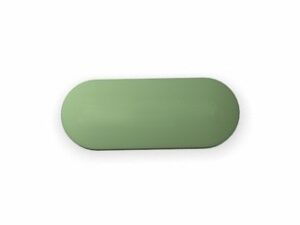
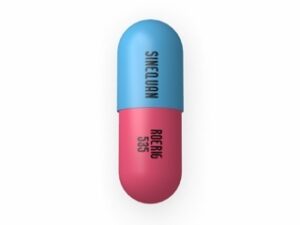
| Common forms | Tablets and oral capsule formulations (strengths vary by product) |
| Typical dosing frequency | Often once daily (exact schedule depends on the condition and regimen) |
| Key feature | Long half-life (can influence timing and what happens if you miss a dose) |
In Australia, fluoxetine products are available through pharmacy supply channels. Availability and specific brand/strength options can vary by supplier and formulation.
How fluoxetine works (mechanism of action)
Fluoxetine belongs to the SSRI group. SSRIs work by increasing the availability of serotonin in the brain.
- Serotonin transport effect: Fluoxetine helps block the reuptake of serotonin in nerve cells.
- Downstream brain effects: Over time, this can help rebalance communication between brain circuits involved in mood, anxiety, and related symptoms.
- Not an immediate sedative: Many people feel no immediate “calming” effect in the first few days.
The onset of benefits typically occurs gradually as the brain adapts. Some improvements may be noticed within the first 1–2 weeks, but fuller benefits commonly take several weeks.
Pharmacokinetics (how your body handles fluoxetine)
Understanding fluoxetine’s timing can be helpful, especially during the first weeks of treatment or when doses are changed.
- Absorption: Fluoxetine is absorbed after oral administration. Food can influence timing slightly but usually not the overall effectiveness.
- Metabolism: The liver metabolises fluoxetine primarily via CYP2D6 pathways.
- Active metabolite: Fluoxetine is converted to norfluoxetine, which also contributes to long-lasting effects.
- Half-life: Fluoxetine and norfluoxetine have long half-lives. This can lead to steady levels over time and may reduce the impact of a single missed dose, compared with some other antidepressants.
- Steady state: Repeated daily dosing typically results in stable blood levels after several weeks.
Because fluoxetine stays in the body longer than many other SSRIs, stopping suddenly may still have lingering effects for some time.
Typical use: what conditions it treats
Fluoxetine is used for a number of mental health and behavioural conditions. Common indications include:
- Depression (including major depressive disorder)
- Obsessive-compulsive disorder (OCD)
- Bulimia nervosa (in some cases, as part of treatment plans)
- Panic disorder
- Premenstrual dysphoric disorder (PMDD) (where applicable)
The most suitable choice of medicine and dose depends on the diagnosis, your history, other medicines you take, and how you respond.
When to take fluoxetine (timing and routine)
Many people take fluoxetine once daily. The best time of day can vary depending on your side effects and routine.
- Consistent timing: Try to take it at the same time each day.
- If it makes you feel energised or restless: Taking it in the morning may help.
- If it makes you feel drowsy: Taking it in the evening may be preferable.
How long before it helps? Improvement can be gradual. If you feel worse at the start, or if anxiety increases, tell your healthcare professional—adjustments may be needed.
Food interactions (what to know)
Fluoxetine can generally be taken with or without food. Food is unlikely to significantly change overall effect for most people.
- With meals: Taking with food may reduce mild stomach upset for some people.
- Avoid large swings in routine: Don’t worry about perfectly timed meals, but aim for consistency.
If you experience nausea, appetite changes, or stomach discomfort, consider taking your dose with food and discuss options with your healthcare professional.
Alcohol and medicine interactions
Alcohol
It’s generally best to limit or avoid alcohol while taking fluoxetine.
- Mood effects: Alcohol can worsen depression and anxiety symptoms.
- Sleep effects: Alcohol can affect sleep quality and recovery.
- Safety: Alcohol may increase dizziness or impairment in combination with psychiatric medicines.
Common medicine interactions
Fluoxetine can interact with other medicines, including those that affect serotonin, liver enzymes, and heart rhythm.
- Other serotonergic medicines: Combining fluoxetine with certain drugs that increase serotonin can raise the risk of serotonin syndrome. Examples may include:
- Other antidepressants (some SSRIs/SNRIs)
- Triptans for migraine
- Linezolid (antibiotic with serotonergic activity)
- Some medicines for nausea like ondansetron (in certain contexts)
- St John’s wort (herbal product)
- MAO inhibitors: This combination is generally avoided due to serious risk (washout periods are critical).
- Medications affected by CYP2D6: Fluoxetine can inhibit CYP2D6, potentially raising levels of certain medicines.
- Other medicines that affect bleeding: Combining with drugs that increase bleeding risk (e.g., some anti-inflammatory drugs or anticoagulants/antiplatelets) may increase the chance of bleeding.
- Heart rhythm (QT concerns): Fluoxetine is not the most common QT-prolonging SSRI, but caution is advised if you take other QT-prolonging medicines or have heart rhythm risk factors.
Always provide a complete list of your medicines (including over-the-counter products and supplements) to your healthcare professional and pharmacist.
Dosing: how much is typically used
Dosage depends on the condition being treated, your age, your response, and tolerability. Your healthcare professional will determine the starting dose and whether and when to adjust it.
General dosing principles
- Start low, go slow: Some people benefit from a lower starting dose to reduce early side effects.
- Gradual increases: If needed, doses are often adjusted after sufficient time to assess response.
- Once daily schedule: Many regimens use a once-daily dose.
- Do not adjust without advice: Changing dose too quickly can increase side effects or worsen symptoms.
Example titration patterns (for illustration only; dosing must be individualised):
- Depression: often starts at a modest daily dose, then may be increased gradually based on response.
- OCD and anxiety-related conditions: sometimes require higher doses than depression for symptom control.
- Panic disorder: may begin at a lower dose to reduce early symptom fluctuations.
For accurate dosing details for your specific fluoxetine product (strength, formulation, and your condition), refer to the prescriber’s instructions on your medication label and the product information leaflet.
Safety profile: side effects and when to seek help
Like all medicines, fluoxetine can cause side effects. Many are mild and improve after the first days to weeks. Others are less common but important to recognise early.
Common side effects
- Nausea
- Headache
- Sleep changes (insomnia or sometimes drowsiness)
- Increased anxiety or restlessness in the early stage
- Reduced appetite
- Trouble with sexual function (e.g., reduced libido, delayed orgasm)
- Tremor or sweating
Less common but serious risks
- Serotonin syndrome: Symptoms can include agitation, confusion, fever, sweating, fast heart rate, muscle stiffness, and diarrhoea. Seek urgent medical attention if these occur.
- Mania/hypomania: For people with bipolar disorder, SSRIs may trigger mood elevation or agitation. Signs include decreased need for sleep, unusual talkativeness, risky behaviour, or racing thoughts.
- Bleeding risk: Bruising easily or unusual bleeding can occur, particularly with other medicines that affect clotting.
- Hyponatraemia: Low sodium levels can occur (more likely in older adults or those taking diuretics). Symptoms include headache, confusion, weakness, or seizures.
- Suicidal thinking changes: Any antidepressant can increase the risk of suicidal thoughts and behaviours in some people, especially in younger individuals during the initial treatment period. Close monitoring is important.
- Allergic reactions: Seek urgent help for swelling of the face/lips, difficulty breathing, or widespread rash.
Seek medical help urgently if you have
- Symptoms of serotonin syndrome (especially fever, severe agitation, or muscle stiffness)
- Fainting, severe dizziness, or seizures
- Mania-like symptoms
- Severe allergic reaction
- Worsening thoughts of self-harm or suicidal thoughts
If you are in Australia and you or someone else is in immediate danger, call 000. For mental health crisis support, you can contact Lifeline 13 11 14.
Practical use tips (making treatment easier)
- Give it time: It often takes several weeks to notice full benefit.
- Track your progress: Note sleep, appetite, anxiety levels, mood, and side effects (weekly is often enough).
- Expect early adjustment: Some people feel more restless or anxious initially—discuss with your healthcare professional rather than stopping suddenly.
- Stay consistent: Take it daily as directed; missed doses are usually manageable, but follow advice for your schedule.
- Don’t stop abruptly: Because fluoxetine has a long half-life, some people experience fewer discontinuation symptoms than with shorter-acting SSRIs, but stopping can still cause problems. Always talk to your healthcare professional before stopping.
- Look after sleep and routines: Regular sleep, hydration, and gentle activity can help reduce early side effects and improve response.
- Manage sexual side effects: If sexual function changes are bothersome, speak to your healthcare professional—there are options to adjust treatment.
What to do if you miss a dose
If you miss a dose, the approach depends on how close you are to the next scheduled dose and the instructions provided with your specific product.
- General rule: Many medicines advise taking the missed dose when remembered unless it is near the next dose.
- Avoid double dosing: Don’t take two doses at once to “catch up.”
For exact guidance, check the consumer medicine information for your brand or consult your pharmacist.
Alternative options
Depression and anxiety disorders can be treated with several medication and non-medication approaches. The “best” option depends on your specific symptoms, personal history, and preferences.
Medication alternatives (examples)
- Other SSRIs: e.g., sertraline, escitalopram
- SNRIs: e.g., venlafaxine, duloxetine
- Other antidepressants: depending on the condition (some may be less suitable if you have particular risk factors)
- For OCD or anxiety: dosing requirements can differ from depression, so regimen selection matters
Non-medicine options
- Psychological therapies: e.g., cognitive behavioural therapy (CBT)
- Exposure and response prevention (ERP): for OCD
- Lifestyle support: sleep, exercise, stress management, and social supports
Your healthcare professional can help match treatment options to your diagnosis and goals, including combining therapy with medication when appropriate.
Market and legal context for Australia (what it means for you)
In Australia, the way antidepressants are classified and supplied is regulated. Fluoxetine-containing products are generally supplied via medicines regulatory pathways and pharmacy services, and medication access may depend on your circumstances and the formulation.
For online pharmacy purchases, reputable suppliers typically require relevant checks and may request information to ensure safe supply (such as patient details and medication history). Always use a licensed Australian pharmacy service and follow their ordering steps.
If you have questions about whether fluoxetine is suitable for you, your pharmacist or healthcare professional can guide you on:
- Which formulation and strength are appropriate
- How to take the medicine safely
- How to avoid interacting medicines
- What to monitor during the first weeks
Recent guidance and updates (staying informed)
Clinical guidance for SSRIs and mental health medicines evolves as new safety information and evidence is reviewed. In Australia, guidance may reflect broader international updates and locally relevant regulatory advice.
Key ongoing safety themes often include:
- Close monitoring early in treatment, especially for people at higher risk of worsening mood or suicidal thoughts
- Careful consideration of drug interactions, including serotonergic combinations
- Individualised dosing for OCD, panic disorder, and other conditions
- Recognising bipolar disorder risk before starting antidepressant therapy
If you’d like, check the latest consumer medicine information leaflet for your product and ask your pharmacist for updates relevant to your specific situation.
Delivery and availability (online ordering in Australia)
Fluoxetine products may be available from online pharmacies subject to supplier stock and product formulation. Availability can vary by:
- Strength and brand: not all strengths are stocked at the same time
- Formulation: tablets vs capsules
- Supply schedules: shipments and pharmacy reordering cycles
When ordering online, reputable Australian pharmacy websites typically provide:
- Clear product details (strength, form, and quantity)
- Delivery estimates by location
- Privacy and secure payment options
- Support options for medication questions
To help ensure you receive the right product, confirm the product name, strength, and instructions on the label match your treatment plan.
Frequently Asked Questions (FAQ)
1) How long does it take for fluoxetine to work?
Some people notice changes within 1–2 weeks, but full benefits often take several weeks. If symptoms aren’t improving after an appropriate trial period, speak with your healthcare professional—dose or treatment plan may need review.
2) Should I take fluoxetine in the morning or at night?
Many people take it once daily at the same time. If it makes you restless or energised, morning may suit you. If it makes you drowsy, evening may be better. Your side effects and daily schedule should guide the best timing.
3) Can I take fluoxetine with food?
Yes. It can usually be taken with or without food. Taking it with food may help if you experience nausea.
4) Is it safe to drink alcohol while taking fluoxetine?
It’s generally recommended to limit or avoid alcohol because it can worsen mood and sleep and may increase side effects. If you choose to drink, discuss it with your healthcare professional, particularly if you’re experiencing anxiety, low mood, or sleep problems.
5) What interactions should I watch for?
Important categories include other serotonergic medicines (risk of serotonin syndrome), MAO inhibitor combinations, and medicines affected by CYP2D6. Also mention any blood-thinning medicines and any supplements like St John’s wort.
6) What should I do if I miss a dose?
Don’t double up. For specific guidance, refer to the consumer medicine information for your product or ask your pharmacist.
7) What side effects are most common in the first weeks?
Common early effects include nausea, headache, sleep changes, and sometimes increased anxiety or restlessness. These often improve over time, but persistent or severe symptoms should be discussed with a healthcare professional.
8) Can fluoxetine affect sexual function?
Yes. Sexual side effects can occur with SSRIs, including fluoxetine. If this becomes distressing, don’t stop the medicine abruptly—talk to your healthcare professional about possible adjustments.
9) Is it safe to stop fluoxetine suddenly?
Stopping suddenly is generally not advised. Fluoxetine’s long half-life may reduce some discontinuation effects, but it can still lead to symptoms or relapse. Seek guidance for a safe plan to stop or adjust.
10) Who should take extra care when using fluoxetine?
Extra caution may be needed if you have:
- A history of bipolar disorder or mania/hypomania
- Seizure disorders
- Bleeding problems or use of blood-thinning medicines
- Significant liver disease
- Other medicines that affect serotonin or heart rhythm
Key takeaways
- Fluoxetine is an SSRI used for conditions such as depression, OCD, panic disorder, bulimia nervosa, and PMDD.
- It works by increasing serotonin availability; benefits build gradually.
- It has long-lasting effects due to long half-life and active metabolites.
- Food interactions are usually minimal, but alcohol is best avoided or limited.
- Be alert to serious symptoms such as serotonin syndrome, mania, or unusual bleeding—seek urgent help if they occur.
- Use consistent daily timing, and discuss any concerns promptly with your healthcare professional or pharmacist.