Norfloxacin (Norfloxacin Tablets) — Patient Information (Australia)
Norfloxacin is an antibiotic medicine used to treat certain bacterial infections. This page explains how it works, when it’s typically used, how to take it safely, and what to watch for while you’re using it. Always follow the instructions provided with your specific product and talk to a pharmacist or doctor if you have questions.
Key Points at a Glance
- What it is: Norfloxacin is a fluoroquinolone antibiotic.
- What it treats: Selected bacterial infections (commonly affecting the urinary tract, and certain other sites).
- How it works: It interferes with bacterial DNA replication, stopping bacterial growth.
- How to take: Usually taken as tablets with careful attention to timing (and separation from certain foods and supplements).
- Important interactions: Dairy/calcium, antacids, iron, zinc, and some other medicines can reduce absorption.
- Safety watch-outs: Stop and seek urgent medical advice if you develop tendon pain/swelling, severe allergic reactions, or certain nervous-system symptoms.
Basic Product Information
| Information | Details |
|---|---|
| Medicine name | Norfloxacin |
| Medicine type | Antibiotic (fluoroquinolone) |
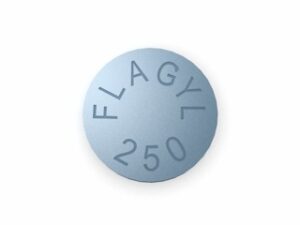
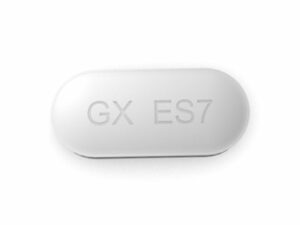
| Common form | Oral tablets (various strengths may be available depending on brand/supplier) |
| Typical setting | Community and outpatient treatment for appropriate infections |
| Target | Bacteria susceptible to norfloxacin |
How Norfloxacin Works (Mechanism of Action)
Norfloxacin belongs to the fluoroquinolone family. It kills or stops bacteria by interfering with essential enzymes involved in bacterial DNA processes:
- DNA gyrase (topoisomerase II): affects DNA supercoiling and replication.
- Topoisomerase IV: affects separation and proper replication of bacterial DNA.
By blocking these steps, norfloxacin prevents bacteria from multiplying, allowing the body’s immune system to clear the infection.
Pharmacokinetics (Absorption, Distribution, Metabolism, Excretion)
Pharmacokinetics describes what the body does to a medicine. The following points help explain dosing timing and why certain interactions matter:
- Absorption: Norfloxacin is absorbed after oral administration, but absorption can be reduced by some minerals and compounds.
- Distribution: It distributes into body tissues and fluids, including the urinary tract where it can be active.
- Metabolism: Metabolism can occur, though a portion of the dose is eliminated unchanged.
- Excretion: A significant fraction is excreted in urine, supporting its usefulness for certain urinary infections.
Typical Use: When Norfloxacin May Be Prescribed
Norfloxacin is used for infections caused by susceptible bacteria. The exact choice of antibiotic depends on factors such as the infection type, local resistance patterns, your kidney function, and whether the infection is uncomplicated or complicated.
Common indications include:
- Urinary tract infections (UTIs): such as uncomplicated cystitis and, in selected cases, other urinary infections depending on clinical assessment.
- Other bacterial infections: in some circumstances where the causative bacteria are susceptible and norfloxacin is considered appropriate.
If symptoms persist, worsen, or return soon after treatment, further medical review may be needed—sometimes the organism may be resistant or another diagnosis may be involved.
Indications and Clinical Considerations
Fluoroquinolones like norfloxacin are potent antibiotics and are used when they are likely to provide benefit. Clinicians consider:
- Susceptibility: which bacteria are likely causing the infection.
- Severity and site: whether the infection is in the urinary tract or elsewhere.
- Patient factors: age, pregnancy/breastfeeding status, kidney function, past antibiotic use, and medication interactions.
- Antibiotic stewardship: using the right antibiotic for the right duration to reduce resistance.
In Australia, antibiotic selection is guided by clinical guidelines and local patterns of antimicrobial resistance.
Dosing: How Much and How Often
Dosing depends on the infection being treated, severity, kidney function, and your individual clinical situation. Follow your prescriber’s instructions and the instructions on the medicine label.
General dosing principles (not a substitute for your specific instructions)
- Take at evenly spaced times: to maintain effective antibiotic levels.
- Complete the course: stopping early can allow bacteria to survive and lead to relapse.
- Kidney considerations: if you have reduced kidney function, dosing may need adjustment.
- Use the correct strength: confirm tablet strength before taking.
Common adult regimens vary by indication. For example, urinary tract infection regimens may involve dosing once or twice daily depending on clinical context. Your pharmacist or doctor can confirm the exact dosing schedule for your product.
Timing: When to Take Norfloxacin
To get the best absorption and effectiveness, consider these practical timing points:
- Consistency matters: take doses at similar times each day.
- Separate from minerals/antacids: calcium, iron, magnesium, zinc, and certain antacids can reduce absorption.
- Follow “buffer” timing: if you use antacids or mineral supplements, it’s often recommended to take them at least a few hours apart (ask your pharmacist for the exact spacing for your products).
Food Interactions and What to Eat/Avoid
Food and drinks can influence how well norfloxacin is absorbed. The most important interaction is with dairy/calcium-containing products.
Examples of food and drink to consider
- Dairy products: milk, yoghurt, cheese, and calcium-fortified drinks may decrease absorption.
- High-mineral supplements: calcium, iron, zinc, and magnesium supplements may interfere.
- Antacids and buffering agents: products that neutralise stomach acid can reduce effectiveness.
Practical tip: many people take norfloxacin with water and avoid taking it at the same time as dairy or calcium supplements. If you want to take it with meals, ask a pharmacist whether your specific product has food restrictions. Some patients do best taking it on an empty stomach, but your product instructions should guide you.
Alcohol and Medicine Interactions
Alcohol is not always strictly contraindicated with norfloxacin, but it can worsen side effects such as dizziness, drowsiness, stomach upset, and may increase the risk of dehydration—especially if you’re unwell from infection.
General advice
- Avoid heavy alcohol intake: during treatment.
- Stay hydrated: especially if you have urinary symptoms or fever.
- Seek advice if you feel unwell: if you develop significant nausea, vomiting, or dizziness.
Other medicine interactions (important)
Several medicines can interact with norfloxacin, either by affecting absorption or by increasing the risk of side effects. Tell your pharmacist about all medicines you use, including non-prescription products.
- Minerals/antacids: can reduce norfloxacin absorption (separate doses).
- Iron supplements: separate from norfloxacin.
- Warfarin and other anticoagulants: antibiotics may increase bleeding risk in some patients—monitoring may be required.
- Corticosteroids: concurrent use may increase the risk of tendon injury.
- Anti-arrhythmics and QT-prolonging medicines: some medicines can affect heart rhythm; assess risk with your clinician.
- Diabetes medicines (insulin or tablets): fluoroquinolones can affect blood sugar; monitor symptoms of hypo/hyperglycaemia.
- Theophylline: interactions can affect drug levels and side effects.
This is not an exhaustive list. Your pharmacist can check interactions for your exact medicines and dosage.
Safety Profile: Common Side Effects and When to Get Help
Like all medicines, norfloxacin can cause side effects. Many are mild and settle on treatment completion. However, some effects require prompt medical attention.
Common side effects
- Nausea or stomach discomfort
- Diarrhoea
- Headache
- Dizziness
- Vaginal itching/discharge (in some people)
- Changes in taste
Serious side effects—seek urgent medical advice
- Tendon pain or swelling (especially Achilles tendon): stop the antibiotic and seek medical help promptly.
- Severe allergic reaction such as swelling of face/lips, breathing difficulty, widespread hives.
- Severe or persistent diarrhoea (especially with fever or blood/mucus), which may suggest a serious bowel condition.
- Nervous system symptoms such as confusion, hallucinations, seizures, or severe tingling/numbness.
- Severe skin reactions including blistering or peeling.
Who may be at higher risk for certain complications?
Risk can increase with age, existing tendon problems, concurrent steroid use, certain kidney conditions, and in people with neurologic conditions. Discuss your personal risk factors with a healthcare professional.
Practical Use Tips (How to Take Norfloxacin Properly)
Before you start
- Read the label carefully: confirm tablet strength and dosing schedule.
- Check interactions: list all medicines and supplements (including antacids, vitamins, minerals, herbal products).
- Plan your routine: choose times that allow separation from dairy and mineral products.
During treatment
- Drink water: stay well hydrated.
- Don’t skip doses: it may reduce effectiveness.
- Take note of side effects: mild upset can happen; severe symptoms should be reported.
- Avoid strenuous exercise if you notice tendon pain: stop activity and seek medical advice.
If you miss a dose
- Take it as soon as you remember if it’s close to the scheduled time.
- If it’s almost time for the next dose, skip the missed dose.
- Do not double up to make up for a missed dose.
Completing the course
Even if you feel better, complete the prescribed duration unless you’re advised otherwise. Stopping early can allow bacteria to regrow and increase the chance of resistance.
Alternatives to Norfloxacin
Alternative treatments depend on the infection type, local antibiotic resistance patterns, and your medical history. For UTIs or other bacterial infections, clinicians may consider other antibiotic options and, in some cases, different strategies such as observation, symptom control, or culture-guided therapy.
Possible alternative approaches
- Other antibiotics: choice varies (for example, depending on bacterial susceptibility and clinical guidelines).
- Culture or testing: may guide the most effective antibiotic.
- Supportive care: pain relief, hydration, and monitoring symptoms.
Your pharmacist can discuss what options are commonly considered for the infection you’re treating and how they compare to norfloxacin.
Market and Legal Context for Australia
In Australia, antibiotic medicines are regulated and dispensed in line with national medicines legislation and prescribing standards. Norfloxacin availability can vary by supplier and by the current regulatory status of the product.
Antibiotic use is supported by Australian antimicrobial stewardship efforts to reduce antibiotic resistance and improve patient outcomes. This includes encouraging appropriate antibiotic selection, suitable duration, and careful review of ongoing symptoms.
Recent guidance and stewardship considerations
While specific recommendations can differ over time, Australian clinical practice commonly emphasises:
- Use the narrowest appropriate antibiotic based on likely pathogens and susceptibility.
- Avoid antibiotics for viral infections where they won’t help.
- Review treatment if symptoms don’t improve within expected timeframes.
- Consider risks of fluoroquinolones (including tendon and nervous system effects) when alternative agents are suitable.
If you’re unsure whether norfloxacin is the right choice for your situation, ask your clinician or pharmacist for guidance.
Delivery and Availability (Australia)
Availability of norfloxacin can depend on supply, product listing, and whether the medicine is supplied as a particular brand or generic product. In general, online pharmacies may offer delivery to Australian addresses (subject to compliance with local regulations and delivery service terms).
What to expect when ordering
- Stock availability: listed products may change; some strengths can be temporarily unavailable.
- Dispatch times: orders are typically processed on business days.
- Packaging: medicines are delivered in appropriate pharmaceutical packaging.
- Tracking: some orders may include tracking depending on the courier service used.
If you need a specific strength or formulation, contact customer support for the most accurate availability information.
Important Questions Patients Often Ask
How soon should I feel better?
Many people notice improvement within 24–48 hours after starting an effective antibiotic. If you have no improvement after this window, or if symptoms worsen, seek medical advice promptly. Persistent fever, severe pain, or blood in urine requires urgent review.
Can I take norfloxacin with milk?
Dairy products may reduce absorption. For best results, avoid taking norfloxacin at the same time as milk, yoghurt, cheese, or calcium-fortified drinks. Aim to separate doses from dairy by a few hours, or follow the specific instructions on your product. If you’re unsure, ask your pharmacist.
What if I’m taking antacids or mineral supplements?
Antacids and mineral supplements containing calcium, iron, magnesium, or zinc can interfere with absorption. Separate these products from norfloxacin by several hours (your pharmacist can confirm the exact spacing for your schedule).
Is it safe to drive or operate machinery?
Norfloxacin can cause dizziness or headache in some people. If you feel unwell or dizzy, avoid driving or operating machinery until you know how the medicine affects you.
What should I do if I develop tendon pain?
Tendon pain or swelling can be a warning sign. Stop the antibiotic and seek urgent medical advice as soon as possible. Avoid exercise that could worsen the tendon while you get advice.
Can I take other antibiotics at the same time?
Do not combine antibiotics unless specifically instructed by your clinician. Taking multiple antibiotics unnecessarily can increase side effects and contribute to antibiotic resistance.
What about pregnancy or breastfeeding?
Safety in pregnancy and breastfeeding depends on the situation. Discuss risks and benefits with a healthcare professional. If you are pregnant, trying to conceive, or breastfeeding, consult your clinician before using norfloxacin.
Will norfloxacin treat a viral infection like a cold?
No. Norfloxacin is an antibiotic and only treats bacterial infections. It won’t help with colds, flu, or other viral illnesses.
FAQ
- Is norfloxacin used for urinary tract infections?
- It may be used for certain urinary infections depending on bacterial susceptibility and clinical assessment. Treatment decisions depend on the type of UTI and local guidance.
- How long is the typical course?
- Course length varies by infection type and severity. Follow the duration on your medicine instructions and do not stop early unless advised.
- What should I avoid while taking norfloxacin?
- Avoid taking it at the same time as dairy or mineral supplements/antacids that can interfere with absorption. Also limit alcohol intake and avoid strenuous activity if you experience tendon pain.
- Can I take pain relief with norfloxacin?
- Often, common pain relievers may be used, but it depends on your health conditions and other medicines. Ask your pharmacist for advice if you have kidney disease, stomach ulcers, or are taking blood thinners.
- Does norfloxacin interact with blood thinners?
- Some antibiotics can affect bleeding risk when taken with anticoagulants such as warfarin. If you take blood thinners, check with a pharmacist or doctor for monitoring advice.
- What if I get diarrhoea during treatment?
- Mild diarrhoea can occur. However, severe diarrhoea, diarrhoea with fever, or blood/mucus should be assessed promptly. Stop seeking delay if symptoms are severe.
- When should I contact a healthcare professional urgently?
- Seek urgent help for signs of severe allergy, breathing difficulty, significant rash or blistering, severe persistent diarrhoea, tendon pain/swelling, or severe nervous system symptoms (such as confusion or seizures).
Summary
Norfloxacin is a fluoroquinolone antibiotic used for certain bacterial infections, particularly those affecting the urinary tract when the causative bacteria are susceptible. It works by stopping bacterial DNA processes. For best results, it’s important to take it at the right times and to avoid interactions—especially with dairy, antacids, and mineral supplements. Be alert to side effects, particularly tendon pain, severe allergy, significant diarrhoea, and nervous system symptoms, and seek prompt medical advice if they occur.
For tailored advice, speak with a pharmacist who can review your medicines, explain how to manage food and supplement separation, and help you use norfloxacin safely and effectively.