Ciprofloxacin + Dexamethasone (Ciprofloxacin/Dexamethasone) — Patient Information (Australia)
Ciprofloxacin/Dexamethasone is a combination medicine used to treat certain infections along with inflammation. It contains two active ingredients:
- Ciprofloxacin: an antibiotic from the fluoroquinolone group.
- Dexamethasone: a corticosteroid that helps reduce inflammation.
This page explains how the medicine works, typical uses, how it is taken (timing), key safety considerations, interactions (including with alcohol and other medicines), and practical tips. It is written for people in Australia.
Quick Overview
| Feature | What to know |
|---|---|
| Medicine name | Ciprofloxacin + Dexamethasone (Ciprofloxacin/Dexamethasone) |
| Active ingredients | Ciprofloxacin (antibiotic) + Dexamethasone (corticosteroid) |
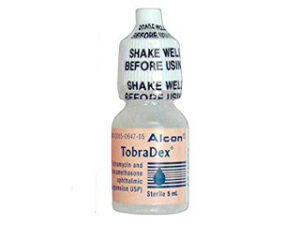
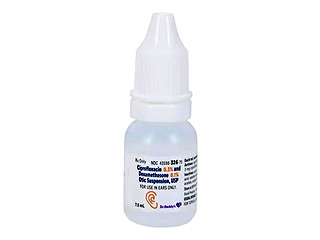
| Common forms | Often supplied as eye or ear drops or ointment, depending on brand and product strength |
| Typical role | Targets bacteria and reduces inflammation |
| When it’s used | Selected bacterial eye/ear conditions with inflammation (exact indication depends on the product) |
Basic Product Information
What is it? A combination of an antibiotic (ciprofloxacin) and a corticosteroid (dexamethasone) designed to treat situations where infection and inflammation may occur together.
Where it’s used: The exact use depends on the formulation (for example, eye drops vs ear drops). Some versions are used for bacterial inflammation around the eye, while others are used for ear conditions with suspected bacterial infection.
How it should be supplied: In Australia, product availability depends on the brand, concentration, and whether the specific formulation is listed/registered for the intended site (eye/ear). Your pharmacist can confirm the exact product and instructions for your medicine.
Mechanism of Action (How It Works)
1) Ciprofloxacin: Antibiotic action
Ciprofloxacin works by interfering with bacterial DNA processes. It inhibits enzymes called DNA gyrase and topoisomerase IV, which bacteria need to copy and repair their DNA. This leads to bacterial death or prevents bacterial growth.
2) Dexamethasone: Anti-inflammatory action
Dexamethasone is a corticosteroid that reduces inflammation by affecting gene expression and decreasing the release of inflammatory mediators. In eye/ear conditions, this can reduce:
- Redness
- Swelling
- Pain and irritation
- Tissue inflammatory response
Why combine them? When inflammation is significant and bacterial infection is involved, the combination can provide both antimicrobial and anti-inflammatory benefits—helping symptoms improve while treating the cause.
Pharmacokinetics (What the Body Does With It)
Important note: Pharmacokinetics can differ depending on whether the medicine is used for the eye or ear, and on whether the surface/barrier is intact. In general, locally applied medicines may have limited systemic absorption, but some absorption can occur.
Local use and absorption
- With eye use, some medicine may drain through the tear duct into the nose and then be swallowed, contributing to systemic exposure.
- With ear use, absorption can vary depending on whether the ear canal skin is intact and whether the eardrum is intact.
Distribution, metabolism, and excretion (general overview)
- Ciprofloxacin can be absorbed systemically to a degree; it is generally distributed throughout the body and cleared mainly by the kidneys.
- Dexamethasone is metabolised by the liver and excreted mainly in urine and bile depending on metabolism pathways.
Clinical implication: For most people using the medicine in its intended local form, systemic effects are usually low. However, your risk may be higher if you use larger doses, longer durations, apply to compromised tissues, or use multiple steroid-containing products.
Typical Use and Indications (When It May Be Prescribed/Used)
Ciprofloxacin/Dexamethasone is used for selected inflammatory conditions where bacterial infection is suspected or confirmed. Indications depend on the product formulation and where it is applied.
Common indications may include
- Bacterial conjunctivitis or other eye infections with inflammation (depending on product approval and local guidelines)
- Infected eyelid inflammation or other bacterial inflammatory eye conditions (product-specific)
- Otitis externa (infective inflammation of the ear canal) where bacterial involvement is likely, especially when inflammation is prominent (product-specific)
Why steroids matter
Because dexamethasone is a steroid, it can reduce inflammation. However, steroids may also worsen certain infections (particularly viral or fungal infections) if used inappropriately. For this reason, clinicians usually ensure bacterial infection is the likely cause before using steroid-antibiotic combinations.
How to Use: Timing, Frequency, and Duration
Follow your specific product directions. Different brands and strengths may have different dosing schedules for eye vs ear preparations.
General timing tips
- Try to use doses at even intervals (for example, morning/evening) to maintain consistent effect.
- If you miss a dose, use it when you remember unless it’s close to your next dose—then skip the missed dose and continue your normal schedule.
- Do not stop early if symptoms improve—finishing the recommended course helps reduce the risk of relapse.
Typical dosing patterns (may vary by product and indication)
Many local antibiotic/steroid regimens are taken several times per day initially, then reduced after improvement. Your pharmacist or clinician can confirm the exact frequency for your brand.
- Eye drops/ointments: often dosed multiple times daily for a short course.
- Ear drops: often dosed several times daily for a limited duration.
Key safety reminder: Steroid-containing medicines are generally used for the shortest effective duration. Prolonged use increases the chance of side effects (such as increased eye pressure or delayed healing).
Food Interactions
Because ciprofloxacin/dexamethasone is typically used locally, interactions with food are often minimal. If any part of a dose drains and is swallowed (especially eye drops), there can be minor systemic exposure, but significant food interactions are not usually expected.
Practical advice:
- No specific “must avoid” foods are generally required for local use.
- If you are taking tablets/capsules of ciprofloxacin separately, then diet may matter for systemic dosing (for example, interactions with calcium, antacids, or supplements). This page focuses on local combination products.
Alcohol and Medicine Interactions
Alcohol
For most people using ciprofloxacin/dexamethasone as eye or ear drops, alcohol is unlikely to cause a direct interaction due to limited systemic absorption. However, alcohol can worsen dehydration, irritation, sleep, or compliance—so it may indirectly affect recovery.
Practical advice: If you feel unwell or your symptoms are severe, it’s reasonable to limit alcohol while you recover.
Interactions with other medicines (general)
Local use generally results in low systemic exposure, but you should still mention all medicines you use, especially:
- Other steroid-containing products (topical eye/ear/skin): combining steroids can raise the risk of steroid side effects.
- Other antibiotics (especially if taken by mouth): can increase the chance of side effects and influence resistance patterns.
- Blood-thinning medicines (e.g., warfarin): while systemic interaction is unlikely with local drops, always inform your healthcare provider if you’re on warfarin.
- Medicines that affect immunity: steroid effects are usually local, but overall immune suppression can be a consideration in some patients.
Always check: If you are using multiple eye products, separate them by time as instructed to avoid washing one out by the next.
Safety Profile: Side Effects and Who Should Be Careful
Most people tolerate ciprofloxacin/dexamethasone well when used correctly. However, because this medicine includes a steroid and an antibiotic, there are particular safety considerations.
Common side effects (may occur)
- Stinging, burning, or irritation at the application site
- Redness or mild discomfort
- Dryness (especially with eye drops)
- Temporary blurring after eye application
Less common but important side effects
- Allergic reaction (swelling, rash, worsening redness, itching)
- Delayed healing or persistent symptoms
- Increased eye pressure with longer use (particularly relevant for eye products)
- Eye/ear worsening due to non-bacterial infection (for example, fungal or viral causes)
Seek urgent medical advice if
- Symptoms rapidly worsen or do not improve after a short period
- Severe pain, marked light sensitivity, or significant vision changes occur (eye products)
- Rash, facial swelling, difficulty breathing, or widespread hives occur (possible allergy)
- You suspect a non-bacterial cause such as herpes (viral eye infection) or a fungal ear infection
Who should be extra careful?
- People with a history of allergy to quinolone antibiotics or steroid medications
- People with eye conditions where steroids can raise risk (eye pressure disorders, certain corneal conditions)
- Anyone with recurrent or complicated infections
- Children: dosing and duration should be confirmed by a qualified clinician for the specific product
- Pregnancy/breastfeeding: risk depends on absorption and the need for treatment; discuss with a healthcare professional
Practical Use Tips (To Get the Best Result)
General technique for eye drops
- Wash your hands before and after use.
- Do not touch the dropper tip to the eye or eyelid.
- Keep your eyes closed briefly after applying.
- If using other eye drops, wait several minutes between products (as directed).
- If you wear contact lenses, ask your pharmacist whether they should be removed during treatment. Many eye infections require avoiding contacts until resolved.
General technique for ear drops
- Wash hands before use.
- Warm the bottle in your hands for a minute if the drops feel cold (comfort matters).
- Gently tilt the head so the ear is facing upward; apply the drops as directed.
- Keep the head tilted for the recommended time to help medicine reach the ear canal.
- Avoid using if the ear is severely painful or you suspect a perforated eardrum—seek advice.
Don’t share your medicine
Eye/ear infections and inflammatory conditions can have different causes. Sharing increases the chance of spreading infection and using the wrong medicine.
Use for the right length of time
- Finish the planned course unless advised otherwise.
- Do not extend duration without clinical review, especially due to steroid-related risks.
Alternative Options (What Else May Be Used)
Alternative treatments depend on the diagnosis (bacterial vs viral vs fungal) and whether inflammation is present. Some common alternatives include:
- Antibiotic-only drops for bacterial infection without significant steroid-related inflammation.
- Different antibiotic classes if bacteria are resistant or if a particular quinolone is not appropriate.
- Anti-inflammatory-only treatment in non-infectious inflammatory conditions.
- Antiviral/antifungal therapy when the underlying cause is viral or fungal rather than bacterial.
Why alternatives matter: Steroid-containing products are not suitable for all infections. Correct diagnosis helps prevent treatment delays.
Market and Legal Context in Australia
In Australia, medicines are regulated under the Therapeutic Goods Administration (TGA) system. Availability can vary based on registration status, formulation, and classification. Online pharmacies typically require appropriate patient information and may provide dispensing only when permitted.
Important: Classification rules can differ for different formulations (for example, eye vs ear products, strength, and brand). Your pharmacy can confirm eligibility and provide the correct product.
Guideline awareness: Australian healthcare practice generally emphasises appropriate antibiotic use to reduce antimicrobial resistance and ensures steroid-containing medicines are used only when benefits outweigh risks.
Recent Guidance and Best-Practice Considerations
While product-specific schedules vary, recent best-practice themes for antibiotic/steroid combinations include:
- Correct diagnosis: confirm whether the condition is bacterial before using a steroid combination.
- Short duration: use steroids for the minimum effective time to reduce side effects.
- Review if not improving: reassess if there is no improvement within the expected timeframe (often within a few days for uncomplicated cases).
- Antimicrobial stewardship: avoid unnecessary antibiotic exposure and use appropriate dosing to minimise resistance development.
Delivery and Availability (Online Pharmacy in Australia)
Availability of ciprofloxacin/dexamethasone depends on the exact brand and formulation. When ordered online:
- Stock status may vary by supplier and warehouse location.
- Delivery timeframes depend on your postcode and the pharmacy’s courier network.
- Packaging: medicines are typically dispatched in tamper-evident packaging.
Storage: Follow the storage instructions on the label (commonly at room temperature, and sometimes protecting from heat). Keep the container tightly closed and out of reach of children.
Frequently Asked Questions (FAQ)
1) What is ciprofloxacin/dexamethasone used for?
It is used for selected bacterial eye or ear conditions where inflammation is also present. The exact indication depends on the formulation and product approval.
2) How long does it take to start working?
Many people notice symptom improvement within a couple of days. If symptoms are not improving within the expected timeframe, seek advice—especially because steroids can mask worsening infection if the cause is not bacterial.
3) Can I use it for itchy, watery eyes from allergies?
Allergic conditions are not the same as bacterial infections. Because this product contains an antibiotic and a steroid, it may not be appropriate for allergies and should only be used for the condition it’s indicated for.
4) Should I wear contact lenses?
It depends on the type of eye problem and the specific product instructions. In many eye infections, contact lens use should be stopped until the eye is fully healed. Ask your pharmacist for guidance.
5) What if I accidentally apply it to the wrong eye or ear?
Apply only as directed for the affected site. If you’re unsure, consult your pharmacist. Do not double the dose to compensate.
6) Are there side effects I should watch for?
Common effects include mild irritation or stinging. Seek urgent advice for severe pain, vision changes (eye products), signs of allergy, or rapid worsening.
7) Can I drink alcohol while using this medicine?
For local use, direct interactions are unlikely. However, limiting alcohol can help you recover comfortably. If you feel unwell, choose moderation.
8) Is it safe to use with other eye or ear medicines?
Often yes, but you should separate applications and confirm compatibility—particularly if the other product is also steroid-containing or you are using multiple drops.
9) What if my symptoms return after finishing the course?
Return of symptoms may indicate incomplete treatment, resistant bacteria, or a different underlying cause (viral/fungal/non-infectious). Get reassessed rather than repeating steroid-containing treatment on your own.
10) Is this suitable for children?
Children may require special dosing and monitoring depending on formulation and diagnosis. Confirm the correct product instructions with your pharmacist or healthcare provider.
Summary
Ciprofloxacin + Dexamethasone combines an antibiotic with an anti-inflammatory steroid to treat certain bacterial eye or ear conditions with inflammation. It works by killing or stopping bacteria (ciprofloxacin) and reducing inflammatory symptoms (dexamethasone). Because it includes a steroid, correct diagnosis and appropriate duration are important for safety.
If you have worsening symptoms, significant pain, vision changes (for eye products), or signs of allergy, seek medical help promptly. For personalised advice on how to use your specific brand, ask your pharmacist.