Sumycin (Tetracycline) — Patient-Friendly Guide (Australia)
Sumycin is a brand of tetracycline, an antibiotic medicine used to treat certain bacterial infections. This guide explains how it works, how it’s taken, important interactions (including with food and alcohol), common uses, safety considerations, and practical tips for getting the best outcome.
Note: Always follow the instructions provided by your healthcare professional and the product label. Information below is general and may not cover every situation.
Basic Product Information
| Product name | Sumycin |
|---|---|
| Active ingredient | Tetracycline |
| Medicine type | Antibiotic (tetracycline class) |
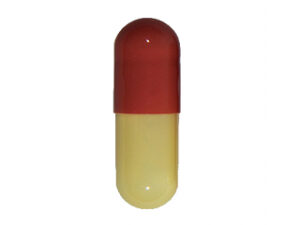
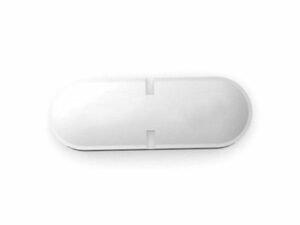
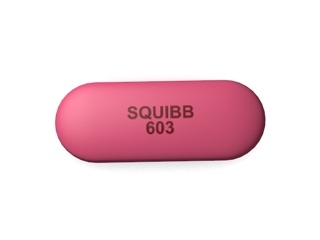
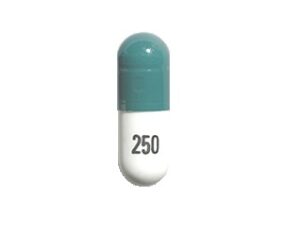
| Common forms | Oral tablets or capsules (depending on local availability) |
| How it’s usually taken | By mouth, typically on a regular schedule over several days |
How Sumycin Works (Mechanism of Action)
Tetracycline antibiotics work by inhibiting bacterial protein synthesis. Bacteria need proteins to grow and replicate. Tetracycline binds to the 30S ribosomal subunit and blocks the attachment of transfer RNA (tRNA), preventing the production of essential proteins.
Because it targets the bacterial growth process, tetracycline can:
- Stop bacterial multiplication
- Help the immune system clear the infection
Its effectiveness depends on the bacteria involved and their susceptibility to tetracycline.
Pharmacokinetics (Absorption, Distribution, Metabolism, Excretion)
Understanding how your body handles tetracycline can help you take it correctly.
- Absorption: Tetracycline is absorbed from the gastrointestinal tract, but absorption can be reduced by minerals such as calcium, magnesium, aluminium (antacids), and iron. Food can also affect absorption depending on what’s eaten.
- Distribution: It spreads through body tissues and may accumulate in certain areas (including bones and teeth in children, which is why special precautions are needed).
- Metabolism: Tetracycline is not extensively metabolised by the liver.
- Excretion: It is mainly eliminated by the kidneys (urine) and to a lesser extent via other routes.
Because of variable absorption, it’s important to follow spacing instructions with food and mineral-containing products.
Typical Use and Timing
Sumycin is used for infections caused by susceptible bacteria. Typical use includes infections such as:
- Certain respiratory tract infections
- Skin infections caused by susceptible organisms
- Some sexually transmitted infections where tetracyclines are an option
- Other specific bacterial infections determined by your clinician
How long treatment takes can vary by infection type and severity. Complete the full course even if you feel better after a few doses.
Timing tips
- Take it at the same times each day to maintain consistent levels.
- If you miss a dose, take it when you remember—unless it is close to the next dose. Don’t double up.
- Use the dosing schedule on your label as the guide for daily frequency.
Indications (What It’s Used For)
In clinical practice, tetracycline antibiotics like Sumycin may be indicated for infections due to tetracycline-susceptible bacteria. Exact indications can depend on local prescribing standards and bacterial resistance patterns.
Common categories include:
- Acne and acneiform conditions (in some circumstances, depending on local guidance and alternative options)
- Respiratory infections due to susceptible bacteria
- Skin and soft tissue infections with susceptible organisms
- Some infections transmitted through close contact where tetracyclines are appropriate
Your prescriber will choose the best antibiotic based on suspected or confirmed bacteria, site of infection, your health status, and potential drug interactions.
Dosing (General Information)
Dosing is individual. Age, weight, kidney function, the infection being treated, and local protocols affect the exact amount and frequency. Always use the dose on your packaging and follow professional instructions.
Common dosing pattern (general)
- Tetracycline is often taken multiple times daily (commonly four times daily in some older regimens), or less frequently depending on the prescribed schedule.
- Many tetracycline regimens are designed to maintain steady antibiotic exposure while avoiding absorption issues with food and minerals.
If you have questions about your specific schedule, check your label or ask your pharmacist.
Food Interactions (What to Watch For)
Food and beverages can significantly influence tetracycline absorption.
Avoid taking near these products
- Dairy products (milk, yoghurt, cheese) and calcium-fortified drinks
- Iron supplements
- Magnesium and aluminium containing antacids (and some ulcer-relief products)
- Multivitamins that contain minerals
Spacing guidance: For many tetracyclines, it’s commonly advised to separate doses from mineral-containing products by several hours (commonly 2–3 hours before or after). However, follow the exact instructions you receive from your pharmacist.
Food effects
Some people tolerate tetracycline better when taken with food, but food may reduce absorption. The best approach is often to take it with a full glass of water and follow “take with/without food” directions on your label.
Alcohol and Medicine Interactions
It’s best to be cautious with alcohol while taking antibiotics.
- Alcohol may worsen side effects such as nausea, dizziness, or stomach upset.
- Increased dehydration and reduced sleep can slow recovery from infection.
- While tetracycline is not primarily known for dangerous direct interactions with alcohol, drinking can make treatment harder to tolerate.
If you plan to drink alcohol, consider limiting intake and focus on hydration—especially if you experience stomach symptoms.
Other important medicine interactions
Tetracycline can interact with several medicine types:
- Antacids and mineral supplements (calcium, magnesium, aluminium, iron): reduce absorption.
- Warfarin and other blood thinners: antibiotics may affect gut bacteria and increase bleeding risk in some people—monitoring may be required.
- Oral contraceptives: some antibiotics may reduce effectiveness in certain cases (evidence varies by antibiotic). If you’re on the pill and concerned, ask your pharmacist whether extra contraception is recommended.
- Isotretinoin (vitamin A derivative): combining with tetracyclines can increase risk of raised intracranial pressure (a rare but serious condition).
- Retinoids / vitamin A supplements: avoid high doses unless advised.
- Penicillin-based antibiotics and other antibiotics: combination decisions depend on infection type and bacterial susceptibility.
Always provide your full medication list—including over-the-counter products, vitamins, and herbal supplements—to your pharmacist for checking.
Safety Profile (Who Should Be Careful)
Like all medicines, Sumycin can cause side effects. Many people tolerate tetracycline well, but it has specific safety concerns that are important to know.
Common side effects
- Gastrointestinal upset (nausea, vomiting, diarrhoea, stomach discomfort)
- Loss of appetite
- Heartburn or indigestion
Skin and sunlight sensitivity
Tetracyclines can cause photosensitivity, meaning you may burn more easily when exposed to sunlight. To reduce risk:
- Use sunscreen with good UVA/UVB protection
- Wear protective clothing
- Avoid prolonged sun or tanning beds
Serious warnings (seek urgent advice)
Contact urgent medical care or seek immediate help if you experience:
- Signs of severe allergic reaction: facial swelling, difficulty breathing, widespread rash, fainting
- Severe or persistent diarrhoea, especially if watery or contains blood (could indicate a serious gut condition)
- Severe dizziness, vision changes, severe headache (rare intracranial pressure issues can occur, especially with certain combinations)
- Signs of liver problems: yellowing skin/eyes, dark urine, severe fatigue
- Severe blistering skin reactions or widespread rash
Who may need special caution
- Children: tetracyclines can affect tooth development and bone growth; use is generally restricted by age and clinical judgement.
- Pregnancy: tetracyclines may have risks to the developing foetus, so selection is pregnancy-specific.
- Breastfeeding: tetracycline can transfer into milk and may affect the infant.
- Kidney impairment: elimination changes; dosing and monitoring may be needed.
- History of stomach ulcer or oesophageal irritation: taking the tablet incorrectly can irritate the oesophagus.
If any of the above applies, discuss the risks and benefits with your healthcare professional.
Practical Use Tips (Getting the Best Results)
How to take it correctly
- Take with a full glass of water.
- Stay upright for at least 30 minutes after swallowing (especially if you’ve had reflux or swallow difficulties).
- Separate from milk, antacids, iron, and mineral supplements by several hours unless your label says otherwise.
- Use reminders (phone alarms) if you have a multiple-daily schedule.
Missed dose guidance
- If you miss a dose, take it as soon as you remember.
- If it’s almost time for your next dose, skip the missed dose.
- Do not take two doses at once to “catch up.”
How to know it’s working
You should usually see improvement within a few days. If symptoms worsen, do not improve, or fever persists, contact your clinician. Antibiotics may not be appropriate for every cause of symptoms (for example, many respiratory infections are viral).
Alternative Options
Alternatives depend on the infection, suspected bacteria, site of infection, and your personal health profile. Healthcare professionals may choose other antibiotics or different classes.
Possible alternatives (examples)
- Other tetracycline antibiotics (for example, doxycycline in some settings)
- Macrolides (for certain respiratory and skin infections)
- Penicillins or cephalosporins (depending on bacterial susceptibility)
- Other agents for specific infections
Your pharmacist or prescriber can suggest the most appropriate option if tetracycline isn’t suitable due to interactions, intolerance, allergy, pregnancy status, or resistance patterns.
Australia Market & Legal/Regulatory Context (Overview)
In Australia, antibiotics are medicines regulated to support safe use and antimicrobial stewardship. Availability, brand/form strength, and supply requirements can vary. Online purchasing typically involves compliance with applicable Australian laws and pharmacy regulations, including identity and medication suitability checks.
Because antibiotics influence resistance and may be inappropriate for some conditions, systems in Australia often require that antibiotic use is guided by appropriate clinical assessment.
Antimicrobial stewardship matters: Using antibiotics only when needed and completing the full course helps reduce resistance and protects community health.
Recent Guidance (General Antimicrobial Principles)
Across health systems in Australia, recent public health messaging has emphasised:
- Antibiotics are for bacterial infections, not viral illnesses like many colds and flu.
- Right antibiotic, right dose, right duration helps improve outcomes and reduce resistance.
- Do not share antibiotics or use leftover antibiotics.
- Seek review if symptoms do not improve or if side effects occur.
Local prescribing practices may also reflect updated resistance patterns for common infections.
Delivery and Availability (Australia)
Availability of Sumycin (tetracycline) can vary by supplier and by strength/form. Many online pharmacies in Australia aim to provide:
- Secure packaging
- Tracking options where available
- Clear delivery estimates on the product page
- Temperature protection guidance when relevant (most tablets/capsules do not require refrigeration)
Before ordering, check:
- Whether the product is currently in stock
- Estimated dispatch and delivery times for your postcode
- Return/refund policies (especially for medicines)
If your order may be delayed, a reputable pharmacy should notify you and provide options or alternative suggestions.
FAQ — Sumycin (Tetracycline)
1) What is Sumycin used for?
Sumycin (tetracycline) is an antibiotic used to treat specific infections caused by susceptible bacteria. Your clinician selects it based on the infection type, likely bacteria, and your health history.
2) How should I take Sumycin?
Take it exactly as directed on your label. Common practical advice includes taking with a full glass of water and staying upright for at least 30 minutes. Separate it from mineral-containing products (such as iron, magnesium, calcium, and antacids) by several hours unless your pharmacist advises otherwise.
3) Can I take it with food?
Food may reduce absorption for some people and for certain foods (especially dairy and mineral-rich products). Follow label instructions for whether to take with or without food. If your instructions are unclear, ask your pharmacist.
4) What if I miss a dose?
Take it when you remember if it’s not close to the next dose. If it is almost time for the next dose, skip the missed dose. Do not double up.
5) Can I drink alcohol while taking Sumycin?
Occasional alcohol is not typically known for a direct dangerous interaction with tetracycline, but alcohol can worsen side effects and delay recovery. If you choose to drink, keep it minimal and consider hydration and tolerance.
6) What medicines should I avoid while on tetracycline?
Be cautious with antacids and supplements containing calcium, magnesium, aluminium, or iron. Also discuss other medicines with your pharmacist, including warfarin, oral contraceptives, retinoids (like isotretinoin), and any medicines for reflux or ulcer symptoms.
7) Are there any serious side effects?
Seek urgent medical help if you experience signs of severe allergy, severe diarrhoea, blistering rash, severe headache or vision changes, or symptoms of liver problems. Stop and seek advice promptly if you develop worrying reactions.
8) Why do I need to finish the course?
Even if you feel better, bacteria may still be present. Completing the prescribed duration helps reduce relapse and helps prevent resistance.
9) Can Sumycin be used for acne?
Tetracycline antibiotics have been used for acne in some cases. However, many guidelines prefer specific alternatives (such as doxycycline) depending on your circumstances and local practice. Your clinician will determine the best option.
10) What should I do if symptoms don’t improve?
If you don’t improve within a few days (or symptoms worsen), contact your healthcare professional. You may need an assessment for the cause of illness, bacterial resistance, dose adjustment, or an alternative treatment.
Key Takeaways
- Sumycin (tetracycline) is an oral antibiotic that works by stopping bacterial protein production.
- Absorption can be reduced by dairy and mineral-containing products like iron, calcium, magnesium, and antacids.
- Separate doses from minerals and take as instructed with adequate water.
- Complete the course and seek advice if severe side effects occur.
- Alcohol may worsen side effects—use caution and prioritise hydration.
If you’d like, tell me the strength/form you carry (e.g., tablet strength) and your target length for the page, and I can tailor the dosing/timing sections to match your product’s label style more closely.