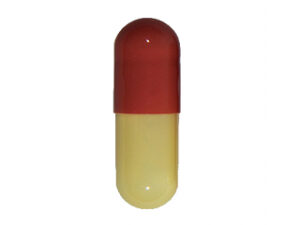


Ilosone (Erythromycin) — Patient Information (Australia)
Ilosone contains erythromycin, an antibiotic used to treat certain bacterial infections. This page is designed to help you understand what Ilosone is used for, how it works, how to take it safely, and what to expect. Always follow the instructions given by your healthcare professional and the information on the product label.
Key Product Information
- Brand name: Ilosone
- Active ingredient: Erythromycin
- Antibiotic type: Macrolide antibiotic
- Common dosage forms: Available in multiple strengths and formulations depending on the product (e.g., tablets/suspension). Check the specific pack you have.
- What it treats: Bacterial infections (not viral illnesses like colds or flu)
How Ilosone Works (Mechanism of Action)
Erythromycin works by stopping bacteria from making proteins that they need to grow and multiply. It does this by binding to the bacterial 50S ribosomal subunit. As a result, bacterial growth slows and the infection is brought under control.
Important note: The effectiveness of erythromycin depends on whether the bacteria causing your infection is susceptible to it. This is why cultures or local antibiotic guidelines may be used for certain infections.
Pharmacokinetics (Absorption, Distribution, Metabolism, Excretion)
Pharmacokinetics describes how the body handles a medicine. While individual responses vary, the general patterns of erythromycin include:
- Absorption: Erythromycin is absorbed after oral dosing. Absorption may be affected by food and stomach contents, depending on the formulation.
- Distribution: It distributes into many tissues and fluids, including respiratory secretions. It may not achieve the same levels in all body compartments.
- Metabolism: Erythromycin is processed in the liver to some extent.
- Excretion: It is cleared from the body via metabolic pathways and excretion (largely through biliary/intestinal routes and partly through the kidneys).
Practical implication: Taking doses at the recommended times and completing the full course (unless told otherwise) helps maintain effective antibiotic levels.
Typical Uses & Indications
Ilosone is used for infections caused by susceptible bacteria. Indications can vary depending on local guidelines and your individual situation. Common areas where erythromycin may be used include:
- Respiratory tract infections caused by susceptible organisms
- Skin and soft tissue infections in selected cases
- Some sexually transmitted infections in selected situations (depending on organism susceptibility and guideline recommendations)
- Other specific infections where a macrolide antibiotic is appropriate based on local recommendations
When not to use: Antibiotics won’t help viral infections (such as the common cold, influenza, most sore throats, and many cases of bronchitis). Using antibiotics unnecessarily can contribute to antibiotic resistance and side effects.
Who Might Be a Candidate?
Erythromycin may be considered when:
- The infection is likely to be caused by bacteria susceptible to macrolides
- Alternative antibiotics are not suitable due to allergies or intolerance
- A clinician has determined it is appropriate for the type and severity of infection
Not all patients are the same: Dose selection and safety checks may depend on age, liver function, interacting medicines, and the specific infection.
Dosing Information (General Guidance)
Dosing depends on the type of infection, severity, age, and formulation strength. The following provides general guidance to help you understand how dosing is commonly managed, but you should use the instructions on your specific prescription/label and professional advice.
Typical dosing approach
- Many regimens are taken more than once daily (often every 6 hours for certain formulations, or less frequently for others). Your exact schedule will depend on the product you have.
- Doses are commonly adjusted for children based on weight.
- For certain infections, clinicians may use a longer course than for mild infections.
How to take the dose
- Do not skip doses. If you miss a dose, take it when you remember unless it is close to the next dose—then skip the missed dose and continue as normal.
- Finish the full course even if you feel better. Stopping early can lead to relapse or resistance.
- If you develop a severe reaction (e.g., swelling, breathing difficulty), seek urgent medical help immediately.
Tip for accuracy: Use a measuring device for liquid forms and check that you have the correct strength.
Timing: When to Take Ilosone
Erythromycin dosing timing can be influenced by food and the formulation. In general:
- Try to take it at consistent times each day.
- If your regimen is multiple doses per day, space them evenly to keep antibiotic levels steadier.
- Follow label instructions for whether the medicine should be taken with or without food.
If you’re unsure: Check your pharmacist or healthcare professional—especially if you are using a suspension or a specific extended-release formulation.
Food Interactions (With and Without Meals)
Food can affect the absorption of some erythromycin formulations. For some people, taking erythromycin with food may reduce stomach upset, but it may also influence the amount absorbed.
- Follow the directions on your pack for whether to take it with food or on an empty stomach.
- If you experience nausea or stomach discomfort, ask your pharmacist whether taking with a small amount of food is appropriate for your specific product.
- Avoid sudden changes in meal timing during treatment unless advised.
Practical note: Keep hydration up and take the medicine with water unless instructed otherwise.
Alcohol and Medicine Interactions
Alcohol: Moderate alcohol may not directly “cancel” erythromycin in the way some interactions do, but it can worsen side effects (such as dizziness, nausea, and stomach irritation) and can strain the liver—especially if you already have liver disease or are taking other liver-metabolised medicines.
- Best practice: Avoid or minimise alcohol while taking Ilosone.
- If you choose to drink, do so carefully and stop if you feel unwell.
Common medicine interactions (important)
Erythromycin can interact with several medicines by affecting liver enzymes and drug transport pathways. These interactions can increase or decrease blood levels and raise the risk of side effects.
Tell your pharmacist or doctor if you take any of the following (not exhaustive):
- Medicines that affect heart rhythm (risk of QT prolongation), including certain antiarrhythmics and some antipsychotics
- Some cholesterol-lowering medicines (e.g., statins) — risk of muscle-related side effects may increase
- Antihistamines (some types may increase QT risk)
- Antifungal medicines
- Some anti-seizure medicines
- Warfarin or other anticoagulants (may affect bleeding risk through changes in drug levels)
- Digoxin (levels can be affected)
Always check first: Bring a list of all medicines and supplements (including herbal products) to your pharmacy. This includes vitamins and “natural” remedies.
Safety Profile & Side Effects
Like all medicines, Ilosone can cause side effects. Most people tolerate erythromycin well, but some reactions require urgent care.
Common side effects
- Gastrointestinal symptoms: nausea, vomiting, diarrhoea, stomach pain
- Headache or dizziness
- Loss of appetite
- Rash or mild skin reactions
Less common but serious risks
- Allergic reactions: swelling of face/lips, hives, wheezing, trouble breathing
- Severe or persistent diarrhoea: could indicate antibiotic-associated colitis. Seek medical advice promptly, especially if diarrhoea is severe, watery, or contains blood.
- Liver problems: yellowing of skin/eyes (jaundice), dark urine, severe fatigue, abdominal pain
- Heart rhythm changes (QT prolongation): palpitations, fainting, severe dizziness
- Hearing or balance symptoms (rare, more likely with higher doses or certain patients)
Who should take extra care?
- People with known heart rhythm problems
- People with liver disease
- People taking medicines that interact with erythromycin (see interactions section)
- Older adults, and patients with multiple medicines (polypharmacy)
- Pregnant or breastfeeding individuals (risk/benefit depends on the specific situation)
Seek urgent help if you develop symptoms of a severe allergic reaction or fainting/palpitations with significant dizziness.
Practical Tips for Taking Ilosone
- Start on time: Take the first dose as soon as you begin the course (unless otherwise advised).
- Use reminders: Set alarms for each dose to avoid missed doses.
- Hydrate and eat gently: If you feel nauseated, take with light food if your label allows and your pharmacist agrees.
- Do not share antibiotics: Your treatment plan may not match another person’s infection or bacteria.
- Monitor improvement: Many bacterial infections begin to improve within 48–72 hours, but this varies. If no improvement occurs, contact your healthcare professional.
- Complete the course: Stopping early can lead to return of symptoms.
- Storage: Store the medicine according to label instructions (e.g., protect from moisture, keep at recommended temperature). Keep out of reach of children.
What to Do If You Miss a Dose
- Take it when you remember if it’s not close to the next scheduled dose.
- If it is close to the next dose, skip the missed dose and continue as usual.
- Do not double up to make up for a missed dose.
If you miss multiple doses or are unsure what to do, ask your pharmacist for advice tailored to your regimen.
When to Seek Medical Advice During Treatment
Contact a healthcare professional promptly if you experience:
- Worsening symptoms or no improvement after a few days
- Severe diarrhoea, diarrhoea with blood, or dehydration
- Rash, itching, swelling, or difficulty breathing
- Signs of liver issues (yellowing of skin/eyes, dark urine)
- Fainting, severe dizziness, or significant palpitations
- You cannot keep fluids down due to vomiting
Alternative Options
Depending on the infection, bacterial susceptibility, your medical history, and potential interactions, healthcare professionals may consider other antibiotic options. Alternatives may include:
- Other macrolides (e.g., azithromycin, clarithromycin) in selected cases
- Penicillins or cephalosporins when appropriate
- Doxycycline or other antibiotic classes depending on the suspected organism and guideline recommendations
Choosing the right alternative: The best option depends on the infection type, severity, allergies, local resistance patterns, and drug interaction risk.
Market & Legal Context for Australia
In Australia, antibiotics like erythromycin are regulated medicines. Availability can vary by formulation and brand. Pharmacies must follow Australian medicines requirements and professional standards when supplying antibiotics.
Prescription and supply requirements: In Australia, supply of antibiotics is typically restricted to ensure safe use and appropriate patient assessment. Regulatory requirements may vary based on product type, strength, and intended indications. For accurate availability and supply rules, check with your pharmacy or local regulations.
Antimicrobial stewardship: Australia’s healthcare system strongly encourages appropriate antibiotic use. This aims to reduce antibiotic resistance and ensure antibiotics are used only when benefits outweigh risks.
Recent Guidance & Antibiotic Stewardship Updates
Antibiotic guidance can be updated over time as resistance patterns change. In Australia, clinical decision-making often aligns with guidance from recognised bodies and local health services. Key themes commonly include:
- Using antibiotics only when likely bacterial infection is present
- Choosing the narrowest effective antibiotic when possible
- Reviewing treatment if symptoms don’t improve within an expected timeframe
- Reducing unnecessary repeats and ensuring correct duration
If you’re starting or continuing antibiotic treatment, it’s reasonable to ask your healthcare professional whether erythromycin remains the best choice for your infection.
Delivery and Availability (Online Pharmacy)
Ilosone availability may depend on stock levels and the specific formulation/strength. Many online pharmacies in Australia deliver medicines to eligible addresses subject to regulatory and logistic requirements.
- Check product details: Confirm you’re selecting the correct strength and form (tablet vs suspension, etc.).
- Delivery timeframes: Vary based on location and courier service. During peak periods, delays can occur.
- Packaging: Medicines should arrive in secure packaging to protect from damage and ensure correct identification.
For best results: Order early enough to allow delivery before your current medication supply runs out, and keep a note of expiry dates.
Drug Administration Notes (Special Considerations)
Some patients may need additional counselling or monitoring. Ask your pharmacist if any of the following apply:
- You have a history of heart rhythm problems or have had prolonged QT
- You have liver disease or abnormal liver tests
- You are taking medications with known interaction potential
- You are treating children (dose is often weight-based)
- You are using a liquid formulation (measurement and storage matter)
Frequently Asked Questions (FAQ)
1) What is Ilosone used for?
Ilosone (erythromycin) is used to treat certain bacterial infections caused by susceptible bacteria. It does not treat viral infections such as colds or flu.
2) How quickly should I feel better?
Many people notice improvement within 48–72 hours, depending on the infection and the bacteria involved. If symptoms worsen or do not improve, contact your healthcare professional.
3) Can I stop early if I feel well?
It’s important to finish the full course unless your healthcare professional advises stopping. Stopping early can lead to relapse or antibiotic resistance.
4) Should I take Ilosone with food?
That depends on your specific formulation and label instructions. Food can affect absorption and stomach comfort. Follow the pack directions, and ask your pharmacist if you’re experiencing nausea.
5) What if I miss a dose?
Take it when you remember if it’s not near your next dose. Otherwise, skip the missed dose and continue normally. Do not double the dose.
6) Is it safe to drink alcohol while taking Ilosone?
It’s generally best to avoid or minimise alcohol because it may increase stomach irritation and add strain when you’re unwell. If you do drink, do so cautiously and stop if you feel unwell.
7) What medicines commonly interact with erythromycin?
Erythromycin can interact with several medicine classes, including certain heart rhythm medicines, some statins, anticoagulants like warfarin, and some other medicines. Always provide your full medicine list to your pharmacist.
8) Are there any side effects I should watch for?
Common side effects include nausea and diarrhoea. Seek urgent help for signs of severe allergy (swelling, breathing trouble), severe diarrhoea, fainting/palpitations, or signs of liver problems.
9) Can I take Ilosone in pregnancy or breastfeeding?
Many antibiotics can be used in pregnancy or breastfeeding only after careful risk-benefit consideration. Ask your healthcare professional for advice specific to your situation.
10) What alternatives exist if erythromycin isn’t suitable?
Alternatives depend on the infection and your history. Your clinician may consider other antibiotic classes or other macrolides, guided by susceptibility and guideline recommendations.
Summary
Ilosone (erythromycin) is a macrolide antibiotic used for selected bacterial infections. It works by interfering with bacterial protein production. Effective treatment depends on using the correct dose at the right times, taking note of food and interaction factors, and completing the full course. If you experience concerning symptoms—especially severe allergic reactions, severe diarrhoea, heart-related symptoms, or signs of liver problems—seek urgent medical advice.
Need help? Contact your pharmacist for guidance on how to take your specific Ilosone product, check interactions with your current medicines, and clarify when to seek follow-up care.
| Category | Information |
|---|---|
| Medicine | Ilosone (Erythromycin) |
| Type | Macrolide antibiotic |
| Main action | Stops bacteria from making proteins (binds to bacterial 50S ribosomal subunit) |
| Used for | Certain bacterial infections (depends on susceptibility and guideline recommendations) |
| Common side effects | Nausea, vomiting, diarrhoea, stomach upset, headache, rash |
| Important safety checks | Allergy history, liver disease, heart rhythm risk, and interacting medicines |
| Food | May affect absorption; follow pack instructions (with or without food) |
| Alcohol | Best to avoid or minimise; may increase side effects and adds strain when unwell |