Minocin (Minocycline Hydrochloride) — Patient Information (Australia)
Minocin contains minocycline hydrochloride, an antibiotic used to treat a range of bacterial infections and certain skin conditions. This guide is written to help you understand what Minocin is, how it works, how it’s typically taken, and what to watch for while using it.
Always follow your healthcare professional’s instructions and the information on the product packaging.
1. Basic product information
- Medicine name: Minocin
- Active ingredient: Minocycline hydrochloride
- Medicine class: Tetracycline antibiotic
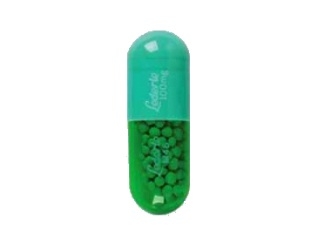
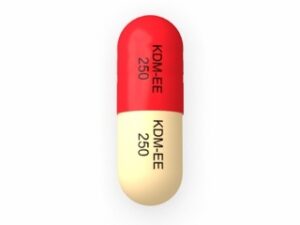
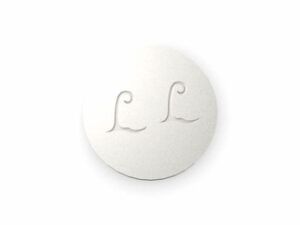
- Common forms: Tablets and capsules (strength varies by product)
- How it works: Inhibits bacterial protein synthesis
In Australia: Antibiotics are regulated medicines. Minocin is supplied through pharmacies and must be used appropriately to reduce the risk of antibiotic resistance and side effects.
2. How Minocin works (mechanism of action)
Minocycline works by blocking bacterial protein production. Bacteria need to make proteins to grow and multiply. Minocycline interferes with the bacterial ribosome (the cell’s protein-making machinery), helping stop bacterial growth. For many infections, this allows the body’s immune system to clear remaining bacteria.
Minocycline is generally effective against a range of susceptible organisms, including some strains of Staphylococcus, Streptococcus, and Cutibacterium acnes (the bacteria associated with acne). Effectiveness depends on the organism and susceptibility.
3. Pharmacokinetics (how the body handles minocycline)
Pharmacokinetics describes what the body does to a medicine.
- Absorption: Minocycline is absorbed after oral dosing. Food and minerals can affect absorption.
- Distribution: It distributes into many body tissues, including skin and respiratory tissues.
- Metabolism and elimination: Minocycline is cleared through the liver and kidneys, and its pattern of elimination supports once- or twice-daily dosing for many indications.
- Half-life: The dosing interval depends on the product regimen and your individual factors (such as kidney and liver function and the infection being treated).
Practical implication: Taking minocycline correctly (especially avoiding certain minerals at the same time) helps you get the intended blood levels and improves effectiveness.
4. Typical uses and indications
Minocin may be used for infections caused by susceptible bacteria, and for some inflammatory conditions of the skin caused or worsened by bacteria.
Common indications may include:
- Acne (including inflammatory acne): Particularly when other treatments are unsuitable or have not worked adequately.
- Respiratory tract infections caused by susceptible organisms (as determined by your clinician).
- Skin and soft tissue infections caused by susceptible organisms.
- Other bacterial infections where minocycline is considered appropriate (based on local guidelines and susceptibility).
Note: Exact indications can vary based on local Australian product information and clinical judgement.
5. How to take Minocin (timing and dosing principles)
Minocycline dosing depends on the condition being treated, your age, your body weight (especially in paediatric use), severity of infection, and kidney/liver function. Only use the dose and schedule your clinician recommends.
General dosing principles (not a substitute for personalised instructions)
- Consistency: Try to take doses at evenly spaced times.
- Duration: Complete the full course for infections, even if you feel better earlier.
- For acne: Improvement may take several weeks; continue for the planned duration and reassess with your clinician.
Timing with meals
Many people find minocycline easier on the stomach when taken with food, though this may vary by formulation and individual tolerance. However, certain food components and supplements can reduce absorption.
If you experience nausea: Taking with food may help. If you have persistent side effects, speak with your pharmacist or clinician promptly.
6. Food and absorption interactions
Minocycline absorption can be affected by substances that bind to tetracyclines. To minimise reduced effectiveness and ensure consistent levels, separate minocycline from these products when possible.
Examples of substances that may interfere
- Dairy products (calcium) may reduce absorption for some people.
- Antacids containing aluminium, magnesium, or calcium
- Iron supplements (ferrous salts)
- Zinc supplements
- Magnesium-containing supplements
- Multivitamins containing minerals
- Some oral supplements high in calcium/iron/zinc
Practical separation tips
- For products containing iron, zinc, or magnesium: consider spacing by several hours (ask your pharmacist for the best interval for your situation).
- If taking with meals: choose a routine that avoids high-mineral intake immediately around the dose.
- Do not double up doses if you miss one—follow your usual guidance for missed doses or ask your pharmacist.
7. Alcohol interactions
While moderate alcohol may not cause a direct interaction with minocycline for everyone, alcohol can increase the risk of side effects such as:
- Stomach irritation and nausea
- Dizziness and headache
- Liver strain concerns, especially with higher alcohol intake or longer courses
Recommendation: It’s safest to limit alcohol while you are taking Minocin. If you drink alcohol regularly or have liver disease, discuss this with your clinician.
8. Medicine interactions (important)
Minocycline can interact with other medicines. Always provide your full medicine list to your healthcare professional or pharmacist.
Common interaction categories
- Isotretinoin (for acne): Using with tetracyclines may increase risk of certain serious side effects (for example, increased intracranial pressure). Avoid combination unless specifically advised.
- Warfarin or other anticoagulants: Antibiotics can affect bleeding risk by altering gut bacteria and metabolism.
- Oral retinoids and other acne treatments: Combination regimens may require close monitoring.
- Antiepileptics (e.g., phenytoin, carbamazepine): Some medicines can affect antibiotic levels.
- Penicillin-class antibiotics: In some settings, combinations may be less effective depending on the organism and treatment goals.
- Proton pump inhibitors (PPIs) and acid reducers: The effect can vary; ask your pharmacist if you use these.
Herbal and lifestyle interactions
- Iron, zinc, magnesium supplements—as above—can reduce absorption.
- High mineral drinks/supplements should be separated where possible.
Practical tip: If you start a new medicine or supplement while using Minocin, check with your pharmacist or clinician about possible interactions.
9. Safety profile and side effects
Like all medicines, Minocin can cause side effects. Many people tolerate it well, but some effects require prompt medical attention.
Common side effects
- Nausea
- Stomach upset or abdominal discomfort
- Headache
- Dizziness
- Skin sensitivity to sunlight (photosensitivity)
- Vaginal yeast infection in some people after antibiotics
Less common but important side effects
- Allergic reactions (rash, swelling, breathing difficulty)
- Severe diarrhoea, especially watery or bloody diarrhoea
- Liver problems (yellowing of skin/eyes, dark urine, severe fatigue)
- Effects on the nervous system (severe or worsening dizziness, confusion)
- Changes in skin or tooth appearance are more typical with tetracyclines in children, but any unusual changes should be reviewed
- Blood disorders (unusual bruising, persistent sore throat/fever)
Seek urgent medical help if you notice
- Breathing difficulty, facial/tongue swelling, or widespread hives
- Severe allergic symptoms or rapidly worsening rash
- Severe or persistent diarrhoea (especially with fever or blood)
- Signs of liver injury (yellow skin/eyes)
10. Practical use tips to get the best results
- Sun protection: Minocycline can make your skin more sensitive to sunlight. Use sunscreen (SPF 30+), wear protective clothing, and avoid prolonged sun exposure.
- Hydration: Drink adequate fluids, especially if you experience stomach upset.
- Track your course: Use reminders so you don’t miss doses. For infections, completing the full course is important.
- Don’t stop early for infections: Even if you feel better, stopping early can lead to relapse and antibiotic resistance.
- For acne: Expect gradual improvement. It can take several weeks to see meaningful results.
- Oral hygiene and mouth care: If you develop mouth irritation or unusual taste changes, consult a healthcare professional.
11. Missed dose guidance
If you miss a dose:
- Take it when you remember if it is close to the time of the missed dose.
- If it is almost time for your next dose, skip the missed dose.
- Do not take a double dose to make up for the missed one.
If you’re unsure, ask your pharmacist for advice based on your specific schedule.
12. Alternative options
Depending on the condition being treated and your medical history, healthcare professionals may consider other antibiotics or non-antibiotic options.
For acne
- Topical therapies: benzoyl peroxide, topical retinoids, topical antibiotics (where appropriate)
- Other oral antibiotics: such as doxycycline or others, chosen based on local resistance patterns and tolerability
- Hormonal options: for some people, clinicians may consider hormonal acne treatments
- Other agents: as clinically appropriate
For infections
- Alternative antibiotics may be chosen based on suspected or confirmed bacteria, local guidelines, allergies, and severity.
Important: The “best” alternative depends on the diagnosis. Never switch antibiotics without medical advice.
13. Minocin in Australia: market and legal context
In Australia, antibiotics like minocycline are regulated medicines. Supply is governed by medicines scheduling rules and pharmacy dispensing requirements. Using antibiotics responsibly helps reduce the risk of antibiotic resistance, which can make infections harder to treat in the future.
Guidance environment: Prescribing and use of antibiotics aligns with national stewardship initiatives and professional antimicrobial guidelines. These efforts encourage:
- Using antibiotics only when needed
- Selecting the most appropriate medicine for the likely organism
- Reviewing treatment if symptoms don’t improve as expected
Recent guidance (general): Australian antimicrobial stewardship continues to emphasise careful selection of antibiotics, avoidance of unnecessary broad-spectrum use, and prompt review for treatment failure or adverse effects.
14. Delivery and availability (online pharmacy)
Minocin availability can vary depending on stock and formulation strength. When ordering from an online pharmacy, delivery time depends on the dispensing process and shipping region within Australia.
Typical steps:
- Medication is prepared by the pharmacy (dispensing and quality checks)
- Delivery is organised through approved couriers
- You receive tracking details where available
Packaging: Medicines are usually supplied in manufacturer packaging or pharmacy-labelled containers for safe handling and identification.
15. Dosing overview (table)
The dosing schedule below is provided for general education only. Your exact dose and frequency should follow the product information and your healthcare professional’s advice for your condition.
| Condition (example) | Typical dosing frequency (general) | Key notes |
|---|---|---|
| Acne | Often once or twice daily (depends on regimen) | Improvement may take several weeks; use consistent timing. |
| Susceptible bacterial infections | Often twice daily (depends on severity and regimen) | Complete the full course; seek review if not improving. |
Ask your pharmacist: If you tell them your strength and your prescribed schedule, they can help you plan your routine (including spacing from supplements like iron and antacids).
16. When to contact a healthcare professional
Contact your clinician or pharmacist promptly if:
- Your symptoms do not improve within the expected timeframe
- You experience significant or worsening side effects
- You develop rash, facial swelling, or breathing difficulties
- You get severe diarrhoea
- You suspect an interaction (for example, starting a new supplement or medicine)
FAQ about Minocin (Minocycline Hydrochloride)
1) How long does it take for Minocin to work?
For infections, you may start to feel better within a few days, but improvement depends on the site and severity. For acne, visible improvement often takes several weeks. If you don’t improve as expected, check in with your clinician.
2) Can I take Minocin with food?
Many people can take minocycline with food to reduce stomach discomfort. However, avoid taking it at the same time as supplements/minerals that can reduce absorption (such as iron, zinc, magnesium, or certain antacids). Your pharmacist can suggest the best spacing for your routine.
3) Is it okay to drink alcohol while taking Minocin?
Alcohol may increase the likelihood of side effects such as nausea, dizziness, and potential liver stress. It’s safest to limit alcohol and avoid heavy drinking while using Minocin.
4) What should I avoid while taking Minocin?
In general, avoid taking it close together with:
- Iron, zinc, or magnesium supplements
- Mineral antacids
- High-mineral drinks at the same time as your dose
Also use sun protection due to possible photosensitivity.
5) What if I miss a dose?
Take it when you remember if it’s near the scheduled time. If it’s almost time for your next dose, skip the missed one. Don’t take a double dose.
6) Are there serious side effects?
Serious side effects are uncommon but can occur. Seek urgent help for signs of allergy (swelling, breathing difficulty), severe diarrhoea, or signs of liver injury (yellow skin/eyes, dark urine).
7) Can Minocin be used for acne long-term?
Some people may use antibiotics for limited periods as part of an acne plan. Long-term antibiotic use increases resistance risk, so clinicians often review progress and consider combination or non-antibiotic maintenance strategies.
8) Does Minocin cause photosensitivity?
It can. Use sunscreen and protective clothing, and avoid prolonged sun exposure.
9) Are there alternative medicines?
Yes. Alternatives depend on the condition and bacteria involved. For acne and infections, clinicians may choose other antibiotics, topical treatments, or different classes of medicines based on your history and response.
10) Where can I find dosing details for my specific product?
The exact dose should be written on your dispensing label and in the product information. If you’re unsure, ask your pharmacist to confirm your strength, frequency, and timing.
Disclaimer: This information is general and may not cover every situation. If you have questions about Minocin or how it interacts with your current medicines, speak with your pharmacist or healthcare professional.