Lamisil (Terbinafine) — Patient-Friendly Information (Australia)
Lamisil contains terbinafine, an antifungal medicine used to treat a range of fungal infections. This guide explains how terbinafine works, what it is used for, how to take it safely, expected timelines, possible side effects, and practical tips to help you get the best results.
Because products and strengths can vary (including tablet and topical forms), always check the exact pack and follow the directions on the label and the advice provided by your healthcare professional or pharmacist.
Quick product overview
| Feature | Details |
|---|---|
| Medicine name | Lamisil (terbinafine) |
| Type | Antifungal |
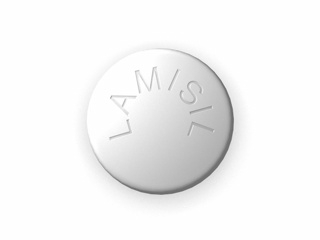
| Common forms | Oral tablets (for certain infections), and topical creams/sprays/solutions (for skin infections) |
| How it helps | Kills or stops growth of fungus by blocking ergosterol production |
| Typical course length | Depends on infection type (for example, skin infections may be shorter; nail infections often require longer) |
| Key safety considerations | Tell your doctor if you have liver disease or develop symptoms such as unusual fatigue, dark urine, or yellowing of skin/eyes |
How Lamisil (terbinafine) works
Terbinafine works by disrupting an essential part of fungal cell structure. Fungi need ergosterol to keep their cell membranes working properly.
Terbinafine blocks an early step in ergosterol production, through inhibition of the fungal enzyme skvalene epoxidase. When ergosterol levels drop, the fungal cell membrane becomes unstable and fungal growth is inhibited. In many common dermatophyte infections, terbinafine can be fungicidal (killing the fungus) at appropriate concentrations.
Pharmacokinetics (how the body processes terbinafine)
Understanding pharmacokinetics can help explain why treatment duration varies and why some people are advised to be cautious with liver-related symptoms.
Absorption
Oral terbinafine is absorbed after swallowing. Absorption can vary somewhat between individuals, but overall the medicine reaches therapeutic levels to act at infection sites.
Distribution
Terbinafine distributes into tissues, including skin and nail. This helps explain why it can continue to be effective even after the end of a treatment course—especially in nail infections where regrowth is gradual.
Metabolism
Terbinafine is primarily metabolised in the liver. This is one reason liver-related safety monitoring is important, especially for prolonged treatment or in people with existing liver problems.
Elimination
The medicine and its metabolites are eliminated mainly through the urine. The overall clearance may be affected by age and liver function.
What Lamisil is used for (indications)
Lamisil is used to treat fungal infections caused by susceptible organisms. Which form (oral or topical) is appropriate depends on the site, extent of infection, and severity.
Common uses of topical terbinafine
- Ringworm (tinea corporis)
- Jock itch (tinea cruris)
- Athlete’s foot (tinea pedis)
- Fungal infections of the skin (often dermatophyte-related)
Common uses of oral terbinafine
- Nail fungus (onychomycosis) (commonly when nails are significantly affected)
- Extensive or stubborn skin fungal infections where oral therapy is considered appropriate
Not all rashes or nail changes are caused by fungus. If symptoms do not improve or worsen, a clinician may need to confirm the diagnosis (for example by skin/nail sampling) before continuing or switching therapy.
Typical dosing and timing
The exact dose and duration depend on the infection type and whether you use oral or topical forms. Always follow the instructions on your product label or as advised by your healthcare professional.
Oral terbinafine (general guidance)
Common regimens (which may vary by country, formulation, and clinical judgement) often include:
- Skin infections: commonly taken once daily for a shorter period (often around 2 weeks for many dermatophyte infections, but your clinician may adjust based on response).
- Nail infections: commonly longer courses because nails grow slowly. Treatment duration may be measured in weeks, and results reflect new nail growth over time.
Even if symptoms improve early, complete the recommended course to improve the chance of cure.
Topical terbinafine (general guidance)
Topical products are usually applied to clean, dry skin. Frequency and duration vary by the product strength and formulation:
- Once or twice daily depending on the product
- Continue for the full course, typically at least 1–2 weeks for many skin infections (and sometimes longer if directed)
- Keep treating for a short time after symptoms improve when advised, to reduce the chance of relapse
Timing tips
- Take tablets at the same time each day to help you remember.
- Use topical medicine consistently—fungus can persist under the surface even when itching or redness settles.
- Expect improvement to take time: skin may improve within days to weeks, while nails usually improve gradually over months.
How long does it take to work?
Response depends on infection location and the biology of nails and skin. As a general expectation:
- Athlete’s foot / skin ringworm: many people notice symptom relief within several days, with clearer skin often over 1–2 weeks (or longer for resistant cases).
- Nail fungus: there may be little visible improvement early. You typically see gradual improvement as new, healthy nail grows in. Full cosmetic change can take many months.
- Relapse prevention: wearing clean, dry socks and managing footwear and shared surfaces helps reduce recurrence.
Food interactions
For oral terbinafine, food generally does not produce dramatic interactions for most people, but taking it consistently with respect to meals may improve tolerability and help you maintain a routine.
Follow the product label for guidance. If your clinician or pharmacist has advised taking it with food (or on an empty stomach), follow that advice.
Topical terbinafine and food
Topical products have minimal systemic absorption for most people, so food interactions are not usually relevant with topical use.
Alcohol and medicine interactions
Alcohol does not have a specific “absolute” interaction with terbinafine for all individuals, but there are important considerations:
- Liver safety: Terbinafine is metabolised in the liver. Heavy alcohol intake can also burden the liver. If you drink alcohol regularly, consider discussing your intake with a pharmacist or clinician—especially if you are using oral terbinafine or have any liver concerns.
- Side effects: Alcohol may worsen some common side effects such as nausea, dizziness, or fatigue.
- Medication schedule: If you miss tablets due to alcohol-related plans, you may reduce effectiveness. Try to keep your dosing routine steady.
Medicine interactions (important)
Terbinafine can interact with certain medicines because of its metabolism and the way drugs compete for liver enzymes.
Please discuss your current medicines (including over-the-counter products and herbal supplements) with a pharmacist if you are using oral terbinafine. Pay special attention if you take any of the following categories:
- Medications affecting liver enzymes (various prescription medicines may influence metabolism)
- Some antidepressants and beta blockers (interaction potential exists with several agents; the exact risk depends on your medicines)
- Certain antibiotics, antifungals, or medicines for chronic conditions
- Herbal products (for example, St John’s wort may affect metabolism)
If you are unsure, bring a list of your medicines (or a photo of the labels) when you speak to a pharmacist.
Safety profile: who should be careful?
Most people tolerate terbinafine well. However, because oral terbinafine is processed through the liver, it can cause serious (though uncommon) side effects. Use this information to recognise warning signs early.
Common side effects
- Headache
- Nausea or stomach upset
- Diarrhoea or abdominal discomfort
- Rash or mild skin irritation
- Altered taste (often temporary for some people, more commonly reported with oral therapy)
Serious side effects (seek urgent medical advice)
Contact a healthcare professional promptly if you develop symptoms that may indicate a liver problem or severe reaction:
- Yellowing of the skin or eyes (jaundice)
- Dark urine or unusually pale stools
- Persistent or severe fatigue
- Severe upper abdominal pain
- Unexplained bruising or bleeding
- High fever, widespread blistering or peeling skin, or swelling of the face/lips (possible severe allergy)
- Signs of serious skin reactions such as rapidly spreading rash with mucosal involvement
Special caution
- Liver disease: People with pre-existing liver impairment may need extra evaluation and monitoring before oral therapy.
- Pregnancy and breastfeeding: Safety depends on the specific situation and form. Discuss with a clinician if relevant.
- Children: Dosing and suitability vary by age and formulation—follow professional advice.
- Other fungal conditions: If infection is caused by yeast or non-fungal causes, terbinafine may not be the best choice.
Practical tips for using terbinafine effectively
Fungal infections can be persistent. Medicine works best when paired with good hygiene and environmental management.
Skin infection tips
- Clean and dry the area: Moisture helps fungi thrive.
- Wash hands after application (unless treating the hands).
- Apply to the full affected area and a small margin if directed—this helps cover invisible fungal growth.
- Avoid occlusive wraps unless advised, as they may trap moisture.
- Do not share towels and wash towels/clothing regularly in hot water when possible.
Foot and athlete’s foot tips
- Change socks daily (or more often if you sweat).
- Rotate shoes and allow them to dry fully.
- Use breathable footwear.
- Keep toenails and skin trimmed to reduce fungal hiding places.
Nail fungus tips
- Trim nails regularly to reduce thickness and improve penetration when used alongside any topical option.
- Be patient: nail improvement is slow because it relies on new growth.
- Avoid nail polish on affected nails during treatment if advised—this can mask changes.
- Prevent re-infection: treat athlete’s foot if present and keep feet dry.
Alternative options for fungal infections
If terbinafine isn’t suitable, isn’t effective, or the infection is not a typical dermatophyte, clinicians may consider other antifungal medicines or strategies. Alternatives may include:
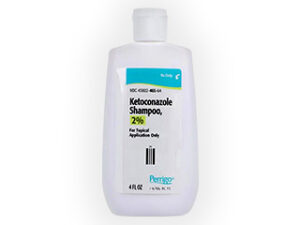
- Azole antifungals (such as clotrimazole, miconazole, ketoconazole, or itraconazole depending on the infection)
- Other oral antifungals for nail infections in selected cases (based on fungal type and patient factors)
- Topical options such as medicated creams, sprays, or solutions—chosen based on skin type and body area
- Supportive care such as drying agents, hygiene measures, and treatment of footwear
The best alternative depends on where the infection is, how extensive it is, what organism is causing it, and your overall health and other medicines.
Market and legal context for Australia (overview)
In Australia, antifungal medicines are supplied under regulated frameworks administered by Australia’s medicines and pharmacy regulators. Availability and classification (for example, whether a product is over-the-counter, behind-the-counter, or requires professional involvement) may differ by formulation and strength.
Online pharmacies operate within Australian requirements for lawful supply, identity and age checks where applicable, and appropriate handling of consumer medication information. Availability can also vary by stock and product form.
Recent guidance and what to expect in clinical practice
Clinical practice commonly emphasises accurate diagnosis and appropriate treatment selection:
- Confirm diagnosis when uncertain: not all rashes are fungal (eczema, psoriasis, dermatitis, or bacterial infections can mimic fungal symptoms).
- Consider organism type: some fungal species respond differently to terbinafine versus other antifungals.
- Monitor safety when using oral therapy: clinicians often assess risk factors for liver issues and may recommend monitoring if treatment is prolonged or if symptoms arise.
- Manage recurrence: environmental control (socks, shoes, shared surfaces) is part of good outcomes.
If your symptoms do not improve as expected, or if the infection spreads, it is important to seek advice rather than repeatedly extending therapy without confirmation.
Delivery and availability (how online orders typically work)
Availability can depend on the specific product (tablet vs topical), strength, and current pharmacy stock. When ordering online, you can typically expect:
- Secure checkout and product availability confirmation
- Shipping estimates based on your location
- Careful packaging to protect tablets and topical products
- Delivery tracking in many cases
If you have questions about the correct formulation for your infection or dosage timing, a pharmacist can help you choose the most appropriate option for your situation.
Practical “do’s and don’ts”
Do
- Complete the full course, even if you feel better early.
- Apply topical medicine consistently and keep the skin clean and dry.
- Update your clinician/pharmacist if you develop new symptoms (especially possible liver-related symptoms).
- Keep a list of medicines you take, including supplements and herbal products.
Don’t
- Don’t use terbinafine for non-fungal rashes without assessment.
- Don’t stop early unless advised due to side effects or safety concerns.
- Don’t share towels or footwear during treatment.
- Don’t rely on nail appearance alone—nails improve only with new growth over time.
FAQ
1) Is Lamisil (terbinafine) effective for all fungal infections?
Terbinafine is effective for many common dermatophyte infections, but not all rashes or nail problems are caused by fungus. If you’re not improving, it’s worth getting the diagnosis confirmed.
2) When should I expect my skin to look better?
Many skin infections improve within days, with clearer skin often within 1–2 weeks (depending on the area and severity). Continue for the full course directed on your product.
3) My nail fungus looks the same—does that mean it isn’t working?
Nail fungus improves slowly. It often takes months to see visible change because new healthy nail must grow in. If there’s no improvement over time or it worsens, seek advice.
4) Can I take terbinafine with food?
For most people, food does not prevent terbinafine from working. Follow the instructions on your specific product label (some guidance may include timing relative to meals).
5) Can I drink alcohol while taking terbinafine?
Moderate alcohol intake may be tolerated by many people, but because terbinafine is metabolised in the liver, it’s wise to avoid heavy drinking and speak to a pharmacist if you drink regularly—especially if taking oral terbinafine or if you have liver concerns.
6) What medicines can interact with terbinafine?
Interactions can occur with certain prescription medicines and herbal products that affect liver metabolism. Provide your pharmacist with a complete list of medicines and supplements to check suitability.
7) What are the warning signs of serious side effects?
Contact urgent medical advice if you develop jaundice (yellow skin/eyes), dark urine, severe fatigue, severe abdominal pain, or signs of a serious skin reaction or allergic response.
8) What if I forget a dose?
If you miss a dose, take it when you remember unless it’s close to the next dose. Don’t take double doses. Check your product instructions or ask a pharmacist for advice specific to your regimen.
9) Should I treat both feet if only one foot seems affected?
If one foot shows infection and the other has mild signs (such as scaling or itching), treatment may be recommended. If the other foot appears normal, advice may vary—ask a pharmacist or clinician to tailor guidance.
10) Are there non-medicine steps that help?
Yes. Keep the area clean and dry, change socks regularly, rotate shoes, avoid sharing towels, and treat any associated athlete’s foot. These steps reduce reinfection and improve outcomes.
When to seek medical advice
Get medical advice promptly if:
- Your infection does not improve within the expected timeframe
- You have severe pain, rapid spread, or significant swelling
- You suspect a bacterial infection or your skin is oozing
- You develop possible liver symptoms during oral terbinafine
- You are treating nail fungus but no improvement is seen as new nail grows
Lamisil (terbinafine) can be a helpful treatment for many fungal infections when used correctly and for long enough. If you have questions about the best choice for your symptoms, a pharmacist can assist with selecting the appropriate form and advising on safe use.