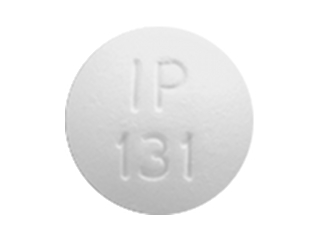
Colchicine (Colchicum autumnale) — Patient Guide (Australia)
Colchicine is a medicine used to treat and prevent certain inflammatory conditions, most notably gout and other crystal-related diseases. It has been used for many years and remains an important option when inflammation is driven by urate crystals or similar inflammatory pathways.
This guide is written to be patient-friendly and Australia-focused, explaining what colchicine does, how it’s used, key safety considerations, and practical tips to get the best outcomes.
Basic product information
| Feature | What to know |
|---|---|
| Medicine name | Colchicine (derived from Colchicum autumnale) |
| Common uses | Gout flares (treatment), prevention of gout attacks; certain inflammatory conditions (e.g., familial Mediterranean fever in specific patients) |
| How it works | Reduces inflammation by interfering with microtubules and related inflammatory processes |
| Available forms | Tablets or capsules depending on brand/manufacturer (availability varies) |
| Key considerations | Some medicines and kidney/liver impairment can increase colchicine levels and risk of toxicity |
Important: Always check your product label and follow your healthcare professional’s instructions. Dosing can vary depending on the condition, age, kidney and liver function, and interacting medicines.
How colchicine works (mechanism of action)
Colchicine is an anti-inflammatory medicine. It works mainly by:
- Binding to tubulin (a component of microtubules within cells), which disrupts cell processes needed for inflammation.
- Reducing migration and activation of white blood cells (especially neutrophils) that drive the inflammatory response in crystal-induced attacks.
- Inhibiting inflammatory signalling pathways that contribute to swelling, pain, and redness.
For gout, inflammation is triggered when urate crystals form in the joint and attract immune cells. Colchicine helps by dampening that immune response—particularly when started early.
Pharmacokinetics (how the body handles colchicine)
Understanding pharmacokinetics can help explain why dose adjustments and medicine interactions matter.
- Absorption: Colchicine is absorbed from the gastrointestinal tract, but absorption can vary between individuals.
- Distribution: It distributes into tissues and may accumulate in certain organs, especially with reduced clearance.
- Metabolism: Colchicine is metabolised in the liver mainly via CYP3A4, and is also a substrate for P-glycoprotein (P-gp).
- Excretion: Elimination occurs through both hepatic (bile) and renal (kidney) routes. Impaired kidney or liver function can increase levels.
- Half-life: The time colchicine stays active in the body can be prolonged in kidney impairment and in some drug interaction scenarios.
Why this matters: Medicines that block CYP3A4 and/or P-gp can raise colchicine concentrations, increasing the risk of serious side effects.
Typical use and indications
Colchicine is used for conditions where inflammation is driven by crystal formation or specific genetic inflammatory pathways.
Common indications
- Acute gout flare (to reduce pain and inflammation).
- Prevention of gout flares (often used during initiation or adjustment of long-term urate-lowering therapy, and in patients with frequent flares).
- Familial Mediterranean fever (in patients who meet criteria, under specialist direction).
- Other inflammatory conditions where colchicine is considered appropriate by clinicians based on diagnosis and risk-benefit assessment.
Note that specific indications and dosing regimens can vary by product and patient group.
When to take colchicine (timing)
For acute gout flares
Colchicine works best when taken early—often at the first signs of a flare (such as sudden joint pain, swelling, warmth, or redness).
- Start early: Take as advised promptly when symptoms begin.
- Do not repeat frequently: Avoid taking extra doses beyond the recommended flare regimen.
- Follow your plan: Many patients are given a specific “flare” dosing schedule.
For prevention
When used to prevent attacks, colchicine is taken on a regular schedule (typically once or more daily depending on the regimen).
- Consistency matters: Missing doses may reduce effectiveness.
- Review long-term need: Prevention strategies are often reassessed over time.
Dosing (general guidance)
Dosing must be individualised. Exact dose and duration depend on your diagnosis, age, kidney function, liver function, and interacting medicines. Always follow the dosing on your product label and clinician instructions.
Typical approach (overview)
- Acute gout flare: Many regimens use an early dose followed by additional doses spaced out over time. However, the exact schedule differs by guideline, product strength, and patient risk factors.
- Prevention: Lower daily dosing is commonly used long-term.
Dose adjustments to consider
- Kidney impairment: Dose reduction is often required. Severe impairment can be a contraindication or require special precautions.
- Liver impairment: Dose reduction or avoidance may be needed.
- Older adults: Increased sensitivity and higher risk of side effects may require lower doses and closer monitoring.
- Drug interactions: Additional adjustments may be necessary when used with CYP3A4 or P-gp inhibitors.
If you are unsure: Check with your pharmacist for advice on the correct dosing for your specific product and situation.
Food interactions
Colchicine can be taken with or without food for many patients, but food may help reduce stomach upset.
- General: Taking colchicine with food may reduce nausea or abdominal discomfort.
- Grapefruit and related products: Grapefruit may increase colchicine levels because it can inhibit CYP3A4/P-gp—avoid grapefruit unless your pharmacist confirms it is safe for you.
Practical tip: If colchicine upsets your stomach, discuss taking it after a meal or switching timing with your pharmacist.
Alcohol interactions
Moderate alcohol may not directly “cancel out” colchicine’s effects, but alcohol can:
- Increase gout risk: Alcohol—especially beer and spirits—can raise uric acid levels and trigger flares.
- Worsen dehydration: Dehydration can contribute to kidney stress, potentially increasing risk when colchicine is used.
- Increase side effect risk: Alcohol can worsen gastrointestinal symptoms like nausea and diarrhoea.
Recommendation: If you have gout, consider limiting alcohol—particularly during active flares and if you notice alcohol triggers for your symptoms.
Medicine interactions (very important)
Colchicine has important interactions, largely due to effects on CYP3A4 and P-gp. Some interactions can significantly raise colchicine levels and lead to serious toxicity.
Medicines that may increase colchicine levels
Examples include (not exhaustive):
- Strong CYP3A4 inhibitors (e.g., some antifungals and certain antibiotics/antivirals).
- Strong P-gp inhibitors.
- Some cholesterol-lowering medicines (statins), particularly when used together and especially in patients with kidney impairment—this combination may raise risk of muscle injury.
- Other drugs that affect transport/metabolism may also interact.
Medicines associated with higher risk of muscle problems
There have been reports of myopathy and rhabdomyolysis (serious muscle injury) when colchicine is combined with certain interacting medicines, especially in people with kidney impairment.
What to do
- Tell your pharmacist about all medicines you take, including over-the-counter products and supplements.
- Check before starting any new medicine while using colchicine.
- Watch for warning signs (see Safety Profile section).
Emergency warning: If you experience severe muscle pain, weakness, dark urine, uncontrolled vomiting/diarrhoea, or dizziness/fainting—seek urgent medical help.
Safety profile and side effects
Like all medicines, colchicine can cause side effects. Many are mild and gastrointestinal, but serious toxicity is possible, especially with too-high doses or interacting medicines.
Common side effects
- Diarrhoea
- Nausea
- Vomiting
- Abdominal pain
Less common but important side effects
- Dizziness
- Fatigue
- Blood count changes (seen in some cases)
- Neuromuscular effects, including muscle pain/weakness (particularly with interacting medicines or reduced kidney function)
Serious adverse effects (seek help)
Serious colchicine toxicity can present with:
- Severe or persistent diarrhoea/vomiting
- Significant weakness or ongoing cramps
- Severe muscle pain or tenderness, weakness, or dark urine
- Signs of dehydration (e.g., very dry mouth, reduced urination, dizziness)
- Unusual bleeding or bruising
- Confusion or marked worsening of symptoms
Do not wait: If you suspect overdose or severe toxicity, urgent medical assessment is essential.
Who should use extra caution
- People with kidney impairment
- People with liver impairment
- Older adults
- People taking interacting medicines (particularly those affecting CYP3A4/P-gp)
- People with gastrointestinal disorders that could be worsened by diarrhoea
Practical use tips (getting the most from colchicine)
- Start early for flares: Take colchicine as instructed when symptoms begin.
- Don’t “double up”: Avoid extra doses to “make up” for missed doses unless advised.
- Keep to the schedule: For prevention, adherence is key.
- Hydrate: Good fluid intake helps reduce dehydration-related risks, especially if diarrhoea occurs.
- Monitor for side effects: Mild stomach upset may happen—seek advice if symptoms are significant or persistent.
- Use a medication list: Maintain an up-to-date list of your medicines and take it to appointments.
- Avoid grapefruit: Consider avoiding grapefruit and related products unless confirmed safe.
- Pregnancy and breastfeeding: Discuss with a healthcare professional if relevant; suitability depends on the individual situation.
Alternative options
Depending on the condition and your health profile, alternatives may include:
- For gout flares: Non-steroidal anti-inflammatory drugs (NSAIDs), corticosteroids (oral or joint injection), or other anti-inflammatory strategies.
- For long-term gout control: Urate-lowering therapy (e.g., allopurinol or febuxostat) plus flare prevention strategies.
- For inflammatory syndromes: Treatment choices depend on diagnosis and may include other medications guided by specialists.
Which alternative is best? It depends on kidney/liver function, other medical conditions, and current medicines. Your pharmacist or doctor can help compare options.
Market and legal context for Australia
In Australia, access to medicines is regulated through the Therapeutic Goods Administration (TGA) and the regulatory classification of each medicine (for example, prescription-only medicine categories and supply rules). Availability and supply conditions vary by product brand, formulation, and classification.
Online pharmacy availability: Online dispensing and delivery services generally follow Australian rules for identification, verification of eligibility (where required), and safe supply practices. Requirements may differ depending on whether the medicine is classified as prescription, pharmacist-only, or another category.
Always use approved products: Patients should obtain colchicine from legitimate sources that provide correct packaging, dosing strength, and appropriate labelling for Australian consumers.
Recent guidance and safety focus
Over recent years, global safety messaging has highlighted:
- Risk of serious toxicity with drug interactions and overdose, especially when colchicine is combined with potent CYP3A4/P-gp inhibitors.
- Need for conservative dosing in people with kidney or liver impairment.
- Attention to symptom triggers and early treatment for flares to achieve benefit without unnecessary dosing.
Clinicians may adjust recommendations based on evolving evidence, local guidelines, and product-specific instructions.
Delivery and availability (Australia)
Availability of colchicine can vary by brand and formulation. A reputable Australian online pharmacy typically:
- Lists the available strengths and pack sizes (e.g., tablets or capsules).
- Helps confirm suitability by prompting you to check kidney/liver function, current medications, and allergies.
- Provides delivery estimates and tracking for orders across Australia.
Delivery time: Delivery estimates depend on location, stock availability, and courier service. In general, major metropolitan areas may receive faster delivery than rural/remote regions.
Storage: Store colchicine according to the label (usually in a cool, dry place, away from direct sunlight and out of reach of children).
FAQ
1) What is colchicine used for?
Colchicine is used to treat acute gout flares and to prevent gout attacks in appropriate patients. It is also used for certain inflammatory conditions (depending on diagnosis and eligibility).
2) How quickly does colchicine work for a gout flare?
Many people notice improvement within the first day when colchicine is started early. If symptoms worsen or do not improve, contact your healthcare professional for advice.
3) Can I take colchicine with food?
Yes, many patients can take it with or without food. If you experience nausea or stomach discomfort, taking colchicine after a meal may help.
4) Should I avoid alcohol while taking colchicine?
Alcohol may increase the likelihood of gout flares and can worsen dehydration or gastrointestinal symptoms. For gout patients, limiting alcohol is often recommended—especially if alcohol triggers your flare pattern.
5) Can I take colchicine with statins (cholesterol medicines)?
Some combinations may increase the risk of muscle injury, particularly in those with kidney impairment or additional interacting medicines. Always tell your pharmacist which statin you take so they can check interaction risk.
6) What should I do if I miss a dose?
If you miss a prevention dose, take it when you remember if it is close to your usual time, unless your clinician advises otherwise. Do not take extra doses to “catch up.” If you are unsure, ask your pharmacist.
7) What side effects are most common?
Diarrhoea, nausea, vomiting, and abdominal pain are the most commonly reported effects.
8) When is colchicine dangerous?
Colchicine can be dangerous if the dose is too high, if it’s taken with interacting medicines that raise colchicine levels, or if kidney/liver function is significantly impaired. Seek urgent medical help if you develop severe diarrhoea/vomiting, severe weakness, or severe muscle pain/dark urine.
9) Can I take herbal products or supplements with colchicine?
Some supplements can affect metabolism or transport pathways. Tell your pharmacist about all supplements (including “natural” products) to check for potential interaction risks.
10) Is colchicine suitable for everyone?
No. Suitability depends on your condition, kidney and liver function, age, and all medicines you use. Your pharmacist can help you assess risk and select the safest option.
Disclaimer: This information is general and intended for patient education. It does not replace advice from a healthcare professional. If you have questions about your specific dosing, interactions, or symptoms, speak with a pharmacist or doctor.