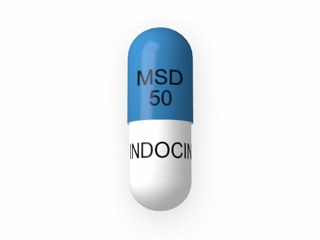
Indocin® (Indomethacin) – Patient Information (Australia)
Indocin is a brand name for indomethacin, a medicine from the group known as non-steroidal anti-inflammatory drugs (NSAIDs). It is used to reduce pain, inflammation and swelling and, in some conditions, to lower fever. This guide explains how Indocin works, when it’s typically used, how to take it safely, and what to watch for.
This information is designed to help you understand your medicine. Always follow your healthcare professional’s directions and the instructions on the package. If you are unsure about anything, speak with a pharmacist.
Basic product information
| Feature | Details |
|---|---|
| Generic name | Indomethacin |
| Brand name | Indocin® |
| Medicine type | NSAID (anti-inflammatory pain reliever) |
| Common forms | Capsules/tablets (formulation may vary by brand and supplier) |
| Common conditions | Gout attacks, certain inflammatory joint conditions, and other doctor-directed uses |
| Key safety considerations | Stomach/ulcer risk, kidney risk, cardiovascular risk in some people, and interactions with many medicines |
How Indocin works (mechanism of action)
Indomethacin reduces inflammation and pain mainly by blocking cyclo-oxygenase (COX) enzymes in the body. COX enzymes help make prostaglandins—chemicals that contribute to:
- Pain and sensitivity in tissues
- Inflammation and swelling
- Fever (in some cases)
- Protection of the stomach lining (important note: blocking prostaglandins can increase stomach side effects)
Because of this action, Indocin can provide significant relief in conditions with strong inflammatory symptoms. However, the same pathway also explains many of its safety risks—especially for the digestive tract and kidneys.
Pharmacokinetics (how the body handles the medicine)
Pharmacokinetics describes absorption, distribution, metabolism, and elimination. While exact details can vary by product formulation and individual factors, the general features of indomethacin are:
- Absorption: Indomethacin is absorbed after oral dosing. The rate of absorption may be affected by food (see food interactions below).
- Distribution: It distributes through body tissues to help reduce inflammation.
- Metabolism: The medicine is metabolised mainly in the liver.
- Elimination: Metabolites are eliminated through the kidneys and other pathways.
- Half-life: Indomethacin has a relatively short-to-moderate elimination time, meaning dosing is often divided across the day to maintain effect.
People with liver disease, kidney impairment, or reduced blood flow to the kidneys may be at higher risk of adverse effects and may require closer monitoring.
Typical uses and indications
Indocin is prescribed for specific inflammatory and painful conditions. In Australia, medicines are used in line with clinical guidelines and product information. Common indications where indomethacin may be used include:
- Acute gout attacks (rapid control of pain and swelling)
- Inflammatory conditions that respond to NSAIDs, under specialist or clinician direction
- Shoulder pain or other short-term inflammatory musculoskeletal pain in selected cases (depending on clinician judgement and current evidence)
- Other specific conditions where indomethacin has a role (as determined by your healthcare professional)
Note: Indomethacin is not the first-choice NSAID for every condition. Other NSAIDs (such as ibuprofen, naproxen, or diclofenac) or different treatments may be preferred depending on your medical history and risk profile.
When to take Indocin (timing and duration)
The best timing depends on the formulation and your condition. In general:
- Take it regularly as directed to keep pain and inflammation controlled.
- Use the lowest effective dose for the shortest possible time to reduce side effects.
- Morning/evening schedule: Many NSAIDs are prescribed in divided doses across the day. Follow your label instructions.
- Do not exceed the recommended daily amount.
If you miss a dose, take it when you remember unless it is close to the next dose. Do not take extra doses to make up for a missed dose.
Food interactions and stomach protection
Food can influence how you absorb indomethacin and may help reduce stomach discomfort for some people. However, “gentle on the stomach” does not mean “no risk”.
- Taking with food: Many people tolerate NSAIDs better when taken with meals or soon after food.
- Avoid taking on an empty stomach if you have a history of gastritis, ulcers, or reflux, unless advised otherwise.
- Alcohol plus NSAIDs increases risk: Even if food helps absorption, alcohol can still increase irritation and bleeding risk (see below).
If you experience burning pain in the stomach, black/tarry stools, vomiting blood, or unexplained anaemia symptoms, stop and seek urgent medical advice.
Alcohol interactions
Combining alcohol with NSAIDs like indomethacin can increase the chance of:
- Stomach irritation and gastrointestinal bleeding
- Ulcer formation
- Kidney strain (especially if you become dehydrated)
For safest use, it’s generally recommended to avoid alcohol while taking indomethacin. If you do choose to drink, keep it minimal and discuss with a pharmacist or doctor, particularly if you have any risk factors.
Medicine interactions (important)
Indomethacin can interact with many commonly used medicines. Tell your healthcare professional about all medicines you take, including over-the-counter products and supplements.
Common interaction categories include:
- Other NSAIDs (e.g., ibuprofen, naproxen, aspirin): increases stomach, kidney, and bleeding risks. Avoid combining unless specifically directed.
- Blood thinners (e.g., warfarin, apixaban, rivaroxaban, dabigatran): increases bleeding risk.
- Antiplatelet medicines (e.g., clopidogrel): may increase bleeding risk.
- Corticosteroids (e.g., prednisone): increases the risk of gastrointestinal side effects.
- SSRIs/SNRIs (e.g., sertraline, fluoxetine, venlafaxine): can increase bleeding risk when combined with NSAIDs.
- Diuretics (water tablets) and medicines affecting kidney function (e.g., ACE inhibitors like perindopril/ramipril, ARBs like losartan): can increase kidney-related risk, especially if you’re dehydrated.
- Lithium: NSAIDs may increase lithium levels, raising toxicity risk.
- Methotrexate: may increase methotrexate levels and toxicity risk.
- Digoxin: NSAIDs may affect digoxin levels in some cases.
- Diabetes medicines (e.g., insulin, sulfonylureas): NSAIDs can affect blood glucose control in some people.
This is not a complete list. If you want, you can provide the medicines you take and your pharmacist can help check compatibility.
Dosing overview (how it’s commonly used)
Dosing of indomethacin varies depending on the condition, formulation, and your risk factors. Always follow the dose on your medication label or the instructions you’ve received.
General dosing principles:
- Start low where appropriate and adjust based on response.
- Divide doses through the day if directed (to maintain relief and reduce side effects).
- Use the lowest effective dose for the shortest time.
- Do not combine with another NSAID without medical advice.
For long-term daily NSAID use, your clinician may consider protective strategies for the stomach and check kidney and blood counts periodically.
If you are treating an acute flare such as a gout attack, dosing may be short-term and closely monitored. For chronic inflammatory conditions, treatment plans may differ.
Safety profile: who needs extra caution
Like all NSAIDs, Indocin can cause side effects. Some risks are serious, especially at higher doses, longer durations, in older adults, or in people with specific medical conditions.
Common side effects
- Stomach discomfort, nausea, indigestion
- Heartburn
- Headache or dizziness
- Fluid retention (swelling)
- Reduced appetite
Serious side effects (seek urgent medical help)
- Signs of stomach or bowel bleeding: black/tarry stools, vomiting blood, severe abdominal pain
- Allergic reactions: wheeze, facial swelling, hives, severe rash
- Serious skin reactions (rare): blistering or peeling skin
- Chest pain, shortness of breath or weakness on one side (possible cardiovascular or stroke warning signs)
- Sudden reduction in urine output, severe back pain, or swelling (possible kidney issues)
- Yellowing of eyes/skin or dark urine (possible liver problems)
- Severe headache with stiff neck or confusion (rare neurological concerns)
People who should use extra caution
- History of stomach ulcer or gastrointestinal bleeding
- Older adults (higher risk of bleeding and kidney issues)
- People with kidney disease or dehydration
- People with heart disease or risk factors for cardiovascular events
- Those taking blood thinners, corticosteroids, or other medicines that raise bleeding risk
- People with asthma that can be worsened by NSAIDs
- Those with certain liver conditions
Practical use tips for safer outcomes
- Check your labels: Make sure you’re not accidentally taking another NSAID in a “cold/flu” product.
- Stay hydrated: Dehydration increases kidney risk. This is especially important during hot weather or illness.
- Use the smallest effective dose: If symptoms settle, ask whether you should reduce or stop.
- Watch for stomach warning signs: Report persistent indigestion, vomiting, or black stools promptly.
- Review your medicines: If you’re on anticoagulants, corticosteroids, SSRIs/SNRIs, or diuretics, ask for a medication interaction check.
- Avoid double-NSAID therapy: Do not take indomethacin with ibuprofen/naproxen/diclofenac/aspirin (except low-dose aspirin only if specifically advised).
- Consider non-medicine options: Rest, physiotherapy, heat/ice, and activity modification can support pain relief and reduce the need for NSAIDs.
Alternative options (depending on your condition)
Indomethacin can be highly effective for certain inflammatory conditions, but there are alternative treatments that may be more suitable for some people. Options your clinician may consider include:
- Other NSAIDs (e.g., ibuprofen or naproxen) – may differ in side-effect profiles and dosing frequency.
- Paracetamol (acetaminophen) – may help with pain and is often gentler on the stomach (but does not reduce inflammation as strongly).
- Topical NSAIDs (e.g., gels for certain joint conditions) – can reduce systemic exposure for some musculoskeletal problems.
- Gout-specific medicines (for flares and prevention) – such as colchicine or urate-lowering therapy, depending on your situation.
- Non-drug strategies – exercise/physio, weight management, supportive footwear, splinting, and strengthening programmes.
- Other anti-inflammatory or pain medicines in selected cases – decided by a healthcare professional.
The best choice depends on the cause of your pain, your medical history, and your risk factors. If you tell us what you’re treating, a pharmacist can explain which options may be safer.
Market and legal context in Australia
Medicines in Australia are supplied under the Australian Register of Therapeutic Goods (ARTG). Some NSAIDs like indomethacin have specific scheduling and prescribing rules depending on formulation and strength. Availability may vary by brand and supplier.
Online pharmacies must comply with Australian regulations for the supply of medicines, including identity and supply checks where required. Always purchase from a reputable, licensed supplier and ensure the product matches the intended strength and form.
Indomethacin and NSAIDs have established safety monitoring requirements due to risks such as gastrointestinal bleeding, kidney effects, and cardiovascular events. Current consumer medicine information (CMI) and prescriber information should be consulted for the most accurate warnings for the specific product you receive.
Recent guidance and safety updates (what to know)
While specific guidance can change over time, common themes in ongoing NSAID safety communications include:
- Use the lowest effective dose for the shortest possible duration.
- Assess cardiovascular and gastrointestinal risk before and during NSAID therapy.
- Extra caution in older adults and people with a history of ulcers or bleeding.
- Monitor kidney function where clinically indicated (especially with dehydration or existing kidney disease).
- Be careful with combinations that increase bleeding risk (anticoagulants, antiplatelets, corticosteroids, SSRIs/SNRIs).
Your pharmacist can help interpret how these general safety principles apply to you.
Delivery and availability
Availability of Indocin may vary depending on the supplier and the specific formulation/strength in stock. If you’re ordering through an online pharmacy, delivery time depends on the shipping option and your location within Australia.
- Check stock status: Some items may be available immediately; others may require ordering from a distributor.
- Delivery estimates: Provided at checkout (times vary by courier and region).
- Packaging: Medicines are generally supplied in original packaging with patient information.
- Cold chain: Not typically required for indomethacin tablets/capsules, but always follow any product-specific instructions.
For the fastest service, ensure your address details are accurate and someone is available to receive the parcel if required by the courier.
FAQ
1. What is Indocin used for?
Indocin (indomethacin) is an NSAID used to relieve pain and inflammation. It may be used for conditions such as acute gout attacks and other inflammatory musculoskeletal problems depending on clinical assessment.
2. How quickly does Indocin work?
Many people notice pain and swelling improvement within hours after taking an NSAID, although timing varies by the specific condition and formulation. If symptoms worsen or don’t improve as expected, consult a healthcare professional.
3. Should I take Indocin with food?
Taking indomethacin with food (or right after a meal) can reduce stomach discomfort for some people. Avoid taking it on an empty stomach if you have a history of ulcers or indigestion—unless advised otherwise.
4. Can I take Indocin with other pain relief medicines?
Avoid combining indomethacin with other NSAIDs (e.g., ibuprofen or naproxen). Paracetamol is sometimes used for additional pain relief, but check with your pharmacist—especially if you have liver disease or heavy alcohol intake.
5. Is it safe to drink alcohol while taking Indocin?
It’s generally best to avoid alcohol while using NSAIDs like indomethacin, as alcohol can increase the risk of stomach irritation and bleeding. If you have questions about your specific situation, speak with a pharmacist.
6. Who should not take Indocin?
You may need to avoid indomethacin or use it only with careful medical supervision if you have a history of NSAID-induced allergy/asthma, stomach ulcers or bleeding, significant kidney disease, or certain cardiovascular conditions. Your pharmacist can help you check your risk factors.
7. What should I do if I miss a dose?
Take it when you remember unless it’s nearly time for your next dose. Do not take extra doses to make up for a missed one.
8. What warning signs mean I should stop and get urgent help?
Seek urgent medical advice if you have signs of bleeding (black/tarry stools, vomiting blood), severe allergic symptoms (wheeze, facial swelling, hives), severe chest pain, fainting, or sudden reduced urine output/swelling.
9. Does Indocin cause stomach ulcers?
NSAIDs can increase the risk of gastritis, ulcers, and bleeding—especially with higher doses, longer use, older age, and a history of ulcer disease. Using the lowest effective dose and taking with food can help, but do not eliminate the risk.
10. Are there alternatives if Indocin isn’t suitable?
Yes. Depending on your condition and personal risk factors, alternatives can include other NSAIDs, topical options, paracetamol, gout-specific treatments, or non-drug measures. A pharmacist can help discuss options.
Important reminder
Indocin can be effective for inflammatory pain, but it requires careful use because of potential gastrointestinal, kidney, and cardiovascular risks, and because it interacts with many medicines. If you have existing medical conditions, take other medicines, or are unsure about compatibility, check with a pharmacist before starting.