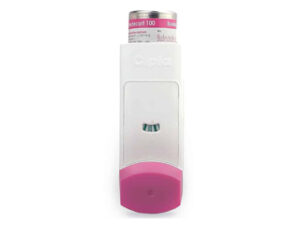
Budesonide Caps (Budesonide capsules) — Patient Guide (Australia)
Budesonide is an anti-inflammatory medicine used to treat certain conditions in the gut. “Budesonide Caps” typically refers to budesonide capsules formulated to deliver the medicine locally in the gastrointestinal tract. This guide explains what the medicine does, how it works in the body, how to take it safely, and what to expect during treatment.
Please note: product strengths and exact instructions can vary depending on the brand and formulation available in Australia. Always follow the specific directions provided with your medicine and any advice from your healthcare professional.
1. Basic product information
| Category | Details |
|---|---|
| Active ingredient | Budesonide |
| Medicine type | Corticosteroid (anti-inflammatory) |
| Common presentation | Capsules (gastro-resistant or controlled-release depending on brand) |
| Where it acts | Primarily the gastrointestinal tract (local anti-inflammatory effect) |
| Therapeutic use | Inflammatory bowel conditions such as Crohn’s disease (certain cases) |
How to identify your specific product: Check the pack for the strength (e.g., mg per capsule), the wording on the label (including whether it is gastro-resistant/controlled release), and the dosing schedule. These factors matter for timing and effectiveness.
2. How Budesonide works (mechanism of action)
Budesonide is a corticosteroid designed to reduce inflammation. In the gut, it works by:
- Reducing inflammatory chemicals involved in swelling, irritation, and immune activation.
- Decreasing immune cell activity in the intestinal lining.
- Providing a more targeted local effect compared with some other corticosteroids, due to extensive first-pass metabolism in the liver.
The goal is to calm the inflammatory process, improve symptoms, and support remission (or reduce flare-ups) in appropriate conditions.
3. Pharmacokinetics (what happens to the medicine in the body)
Pharmacokinetics describes how your body absorbs, distributes, metabolises, and eliminates a medicine. Key points for budesonide:
- Absorption: Budesonide is absorbed after it is released from the capsule’s formulation in the GI tract. The “timed-release” or “gastro-resistant” design helps target release to specific sections of the bowel.
- First-pass metabolism: A large proportion is broken down in the liver before reaching the bloodstream as the active medicine. This contributes to lower overall systemic corticosteroid exposure compared with some alternatives.
- Metabolites: Budesonide is metabolised into inactive or less active metabolites (mainly via CYP enzymes).
- Elimination: Metabolites are eliminated predominantly via the kidneys and possibly through bile pathways.
Why this matters: Because budesonide undergoes substantial first-pass metabolism, it often produces fewer whole-body steroid effects than standard systemic corticosteroids—though side effects can still occur.
4. Typical uses (indications)
Budesonide capsules are used for specific inflammatory conditions of the bowel. In Australia, budesonide oral formulations are most commonly used for:
- Crohn’s disease: Particularly mild to moderate active Crohn’s affecting the small intestine and/or ascending colon (depending on formulation and clinical assessment).
- Microscopic colitis (in some countries/brands): including collagenous colitis or lymphocytic colitis (availability and formulation details may vary).
- Other specialist indications may exist depending on the brand, formulation, and local regulatory approval.
If you are unsure which condition this medicine is intended for in your case, check your packaging or discuss it with your pharmacist.
5. Dosing and timing
Doses vary by condition, disease severity, and the specific capsule formulation. The information below is general guidance. Use your pack label or healthcare professional’s directions as the definitive instruction.
Common dosing patterns (general information)
- Crohn’s disease flare (adults): Commonly, budesonide capsules are taken once daily in the morning or as directed, often for a limited course followed by reassessment.
- Microscopic colitis (where applicable): Often prescribed as a daily regimen for a defined period.
How to take Budesonide Caps
- Take the capsule whole with water. Do not crush, chew, or open the capsule unless the product instructions specifically state that it can be opened.
- Timing is important: Many budesonide products are designed for once-daily dosing and should be taken at the same time each day.
- Continue for the prescribed duration: In inflammatory bowel disease, symptom improvement may occur before the course is completed.
Missed dose
If you forget a dose, take it when you remember unless it is close to your next dose. Do not take a double dose. If you are unsure, ask your pharmacist for product-specific advice.
6. Food interactions and taking with meals
Food can affect how and when medicines dissolve and where they release in the GI tract. For budesonide capsules, follow these general safety points:
- Check your pack instructions: Some budesonide capsule regimens specify whether to take with food or on an empty stomach. Others are designed to be taken consistently with or without food.
- Consistency helps: Take your dose the same way each day to maintain predictable exposure.
If your product label says “with food” or “before food,” follow that exact instruction. If the label is unclear, consult a pharmacist.
7. Alcohol and medicine interactions
Alcohol
Alcohol is not usually contraindicated with budesonide in every patient, but caution is recommended because:
- Budesonide is processed via the liver; excessive alcohol may increase liver stress.
- Alcohol may worsen stomach irritation or worsen symptoms like reflux or diarrhoea in some people.
Practical advice: If you drink alcohol, keep it moderate and avoid binge drinking. Seek medical advice if you have liver disease or if you experience unusual side effects.
Medicine interactions
Budesonide can interact with other medicines, particularly those affecting liver enzymes (CYP). Always provide a complete list of your medicines to your pharmacist. Common interaction categories include:
- CYP3A4 inhibitors (may increase budesonide levels): for example, certain antifungals and some antibiotics/antivirals.
- CYP3A4 inducers (may reduce budesonide levels): some seizure medicines and certain herbal products.
- Other corticosteroids (combined steroid effects): may increase risk of side effects.
- Immunosuppressants (infection risk): combined immune effects can raise infection risk.
- Vaccines: live vaccines may require special consideration if you are on steroid treatment.
If you take herbal supplements, be aware that some (including St John’s wort) can affect steroid metabolism. Tell your pharmacist what you use.
8. Safety profile (common side effects and important risks)
Budesonide is a steroid and can cause side effects. Many people experience mild effects, especially with lower systemic exposure, but risk depends on dose, duration, and individual factors.
Common side effects
- Headache
- Upper abdominal discomfort, nausea, or indigestion
- Acne or skin changes
- Facial puffiness or mild swelling
- Sleep disturbance or mood changes (in some people)
- Increased appetite (variable)
- Feeling tired or generally unwell early in treatment (varies)
Potentially serious risks (seek advice promptly)
Contact a healthcare professional urgently if you develop:
- Signs of infection (fever, chills, persistent cough, painful urination, spreading redness). Steroids can mask some infection symptoms.
- Severe or worsening abdominal pain, vomiting, or persistent diarrhoea.
- Allergic reaction: rash, swelling of face/lips, difficulty breathing.
- Severe mood changes, confusion, or agitation.
Longer-term considerations
With prolonged steroid exposure, the following risks can occur. Whether these apply to your course depends on dose and duration. Examples include:
- Bone effects (osteoporosis risk with long-term steroids)
- Raised blood sugar (especially if you have diabetes or prediabetes)
- Raised blood pressure in some patients
- Eye issues such as cataracts or glaucoma with longer use
- Adrenal suppression (the body’s natural steroid production can be affected if steroids are used for longer periods). This is one reason steroid courses should often be tapered when stopping, depending on dose/duration.
Important: Do not stop budesonide abruptly without guidance. Follow your prescriber’s stopping instructions. (Your exact taper schedule depends on your condition and how long you have been taking the medicine.)
9. Practical use tips for better results
- Use a daily routine: Take your capsule at the same time each day. Consider linking it to an existing habit (e.g., breakfast) if your label allows.
- Do not crush or chew: This can damage the capsule’s release mechanism and reduce effectiveness.
- Track symptoms: Note stool frequency, urgency, abdominal pain, and any side effects. This helps determine response.
- Hydration and nutrition: If you have active gut inflammation, maintain hydration. Consider a diet plan that supports gut health.
- Watch for infection: Contact your pharmacist or doctor if you develop fever or signs of infection.
- Oral health: Steroids can contribute to mouth/throat irritation in some settings. Rinse your mouth after relevant steroid use (more common with inhaled forms).
- Bone support (if longer courses): Ask your pharmacist about calcium/vitamin D and lifestyle measures if your treatment is extended.
10. Alternative options
Treatment for bowel inflammation is individual. Alternatives depend on the diagnosis, severity, previous response, and overall health. Examples that your clinician may consider include:
- Other corticosteroids (systemic or targeted formulations) for different disease patterns.
- 5-aminosalicylates (5-ASA) for some forms of inflammatory bowel disease.
- Immunomodulators for longer-term control in certain cases.
- Biologic therapies for moderate to severe disease or when steroid-sparing treatment is required.
- Supportive care such as symptom relief for diarrhoea or nutrition strategies.
If budesonide is not suitable due to side effects, drug interactions, or lack of effectiveness, discuss the safest next steps with a healthcare professional. Never change dose or stop treatment without advice.
11. Market and legal context in Australia (how medicines are supplied)
In Australia, medicines are regulated by the Therapeutic Goods Administration (TGA). Whether a medicine is available via prescription medicines pathways or other supply classifications depends on the product, dose, and regulatory status. Always check the specific product listing and supply details provided by the online pharmacy.
Your online pharmacy listing should clearly state:
- the product name and active ingredient,
- the strength and pack size,
- availability and estimated dispatch times, and
- any required patient information or identification steps per regulations.
For allergy history, current medications, and medical conditions (especially infections, liver disease, or prior steroid complications), speak with your pharmacist before starting.
12. Recent guidance and monitoring (what to expect during treatment)
Guidance for steroid use in inflammatory bowel disease commonly emphasises:
- Correct indication and dose based on diagnosis and distribution of disease.
- Using the lowest effective dose for the shortest effective duration.
- Monitoring response (symptom improvement and sometimes blood tests or stool tests).
- Assessing side effects, especially in patients with diabetes, osteoporosis risk, hypertension, or infection concerns.
- Staged review to determine whether further therapy is needed after the initial course.
If you have ongoing symptoms while on treatment, or symptoms worsen, seek prompt medical advice. Steroids can improve inflammation, but they may not treat infections or other causes of symptoms.
13. Delivery, availability, and packaging
Availability can vary based on stock levels and the specific budesonide capsule strength/formulation. When you order from an Australian online pharmacy, you can typically expect:
- Estimated dispatch times shown at checkout (may depend on location and order verification steps).
- Secure packaging to protect capsules from moisture and damage.
- Cold chain not usually required for budesonide capsules under standard storage conditions.
- Tracking information where available.
Storage: Keep capsules in a cool, dry place. Store in the original packaging and protect from moisture. Check the pack for specific temperature/storage guidance.
Always keep medicines out of reach of children.
14. FAQ (Frequently asked questions)
1) How long does it take for budesonide to work?
Some people notice symptom improvement within several days, while others may take longer. Response is not the same for everyone. If your symptoms do not improve or worsen, contact your pharmacist or healthcare professional.
2) Can I stop Budesonide Caps when I feel better?
Do not stop early unless you have been told to do so. Even if symptoms improve, inflammation may still be active. Follow your treatment plan, including any taper or course duration instructions.
3) Will budesonide cause weight gain?
Weight changes can happen with corticosteroids, but budesonide often has lower systemic exposure than some alternatives. Appetite changes may occur. If you notice rapid weight gain, swelling, or mood changes, seek advice.
4) Is it safe to take with food?
It depends on the specific product and instructions on the label. Some regimens are taken with food, others without. Follow the directions on your pack and keep the routine consistent.
5) Are there interactions with antacids or stomach medicines?
Some medicines can affect absorption or stomach conditions. Tell your pharmacist about all medicines you take, including antacids, proton pump inhibitors, and any supplements.
6) Can I drink alcohol while taking budesonide?
Moderate alcohol may be acceptable for some people, but caution is advised—especially with liver problems or if you experience stomach irritation. If unsure, ask your pharmacist.
7) What should I do if I miss a dose?
Take it when you remember unless it is close to your next dose. Do not take a double dose. If you are unsure, contact your pharmacist.
8) What side effects should make me seek urgent help?
Seek urgent help for severe allergic reactions, signs of serious infection (high fever, worsening shortness of breath, severe lethargy), or severe/worsening abdominal symptoms. If you are concerned, contact your healthcare professional promptly.
9) Can I take vaccines while on budesonide?
Steroids can affect immune response. Live vaccines may require special caution depending on dose and duration. Discuss vaccination plans with your healthcare professional.
10) Are there safer alternatives to budesonide?
Depending on your condition, other options may include different anti-inflammatory medicines, steroid-sparing therapies, or other targeted treatments. Your clinician will choose based on severity, goals of treatment, and your medical history.
15. When to speak to a pharmacist
Speak with your pharmacist before starting Budesonide Caps if you:
- have frequent infections or recent infection symptoms
- have liver disease
- have diabetes, glaucoma, cataracts, osteoporosis, or high blood pressure
- take other medicines that may interact (including antifungals, antibiotics, seizure medicines, or herbal products)
- are pregnant, breastfeeding, or planning pregnancy
If you have concerns about side effects or interactions, your pharmacist can help you check compatibility with your current medicines and advise on safe timing.
Disclaimer: This information is intended as a general patient guide for budesonide capsules available in Australia. It does not replace personalised medical advice. Always follow the instructions on your medicine pack and seek professional advice for your specific situation.