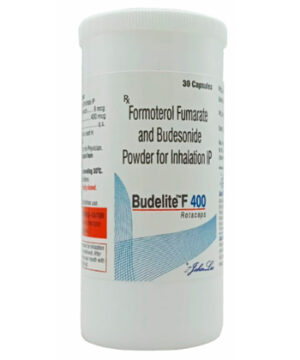

Budesonide Inhaler (Budesonide) – Patient Guide (Australia)
Budesonide inhaler is a corticosteroid medicine used to help control inflammation in the airways. It is commonly prescribed in Australia for conditions such as asthma and, in some cases, other airway inflammatory disorders as advised by a health professional.
This page explains what budesonide does, how it works, how to use it effectively, typical timing, safety information, and practical tips. It also covers possible interactions, delivery/availability information, and answers frequently asked questions.
Basic product information
- Generic name: Budesonide
- Medicine type: Inhaled corticosteroid (ICS)
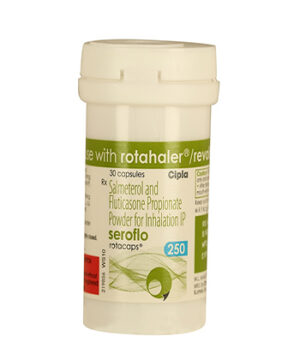
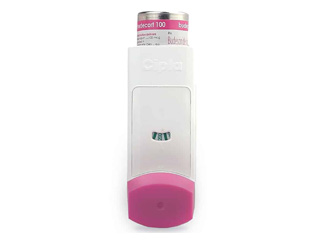
- Common form: Pressurised metered-dose inhaler (pMDI) or dry powder inhaler (DPI) depending on the brand
- How it works: Reduces airway inflammation and helps prevent symptoms
- Who it helps: People with inflammatory airway conditions (most commonly asthma)
Brands and inhaler strengths vary. Always use the specific inhaler strength and dose shown on your product label or directed by your prescriber/health professional.
Mechanism of action (how budesonide works)
Budesonide is a corticosteroid that acts locally in the lungs. After inhalation, it helps decrease inflammation inside the airways by reducing the activity of inflammatory cells and mediators. This leads to:
- Less airway swelling (reduced mucosal inflammation)
- Reduced mucus production
- Improved airway responsiveness
- Fewer asthma symptoms such as wheeze, breathlessness and cough
- Lower risk of flare-ups when used regularly
Inhaled corticosteroids do not work like a “quick reliever” inhaler. They usually take time to control symptoms, with benefits typically building over days.
Pharmacokinetics (absorption, distribution and metabolism)
Pharmacokinetics describe how the body absorbs, processes, and eliminates a medicine. For inhaled budesonide, most of the medicine acts directly in the lungs, with some swallowed and absorbed through the gut.
| Step | What typically happens with inhaled budesonide |
|---|---|
| Absorption | Part of the dose deposits in the lungs (local effect). A portion may be swallowed and absorbed from the gastrointestinal tract. |
| Distribution | Once absorbed, it can reach systemic circulation. Overall systemic exposure is generally lower than with oral corticosteroids. |
| Metabolism | Budesonide is extensively metabolised (mainly in the liver) into inactive or less active metabolites. |
| Elimination | Metabolites are primarily eliminated through urine and faeces. The medicine has a relatively short active half-life due to metabolism. |
Individual absorption and effect can vary with inhaler technique and how consistently the medicine is used.
Typical use in Australia
Budesonide inhalers are used to manage airway inflammation and help maintain symptom control. Depending on the inhaler type and your condition, it may be used:
- As daily controller therapy for asthma (to reduce symptoms and prevent exacerbations)
- As part of a combined strategy with a reliever inhaler for symptom relief, depending on your treatment plan
- In selected inflammatory airway conditions as directed by a health professional (offered under specific product indications)
It is important to use budesonide regularly as prescribed. Even if you feel well, inflammation may still be present.
Indications (what it’s used for)
Indications can vary by product and formulation. In Australia, inhaled budesonide is commonly indicated for:
- Asthma – for maintenance/control of airway inflammation
- Corticosteroid-responsive airway inflammation – based on the condition and clinical judgement of your clinician
Always check the leaflet provided with your specific inhaler and follow the guidance from your health professional.
How and when to take budesonide (timing and routine)
Typical timing
Many people use budesonide once or twice daily, depending on the prescribed dose. For best results:
- Take it at the same times each day (for example, morning and evening)
- Use it consistently, not only when symptoms appear
- If you have been told to use it with a reliever inhaler (e.g., salbutamol), follow the order in your action plan
Does it need to be used with food?
Because budesonide is inhaled, it is not strongly affected by food. Food does not usually affect the medicine’s action in the lungs. However, if any swallowed portion causes irritation, taking the dose after a meal may feel more comfortable. Follow your local product leaflet and clinician advice.
How long before it starts working?
Some people notice improvement within a few days, but full benefit may take several weeks. If symptoms worsen or do not improve, seek advice rather than stopping suddenly unless your clinician instructs you.
Dosing (general guidance)
Dose depends on age, the specific inhaler type (pMDI vs DPI), the strength, and the severity of the condition. Do not adjust your dose without medical guidance.
The following table provides general examples of how budesonide inhalers are commonly used, but it is not a substitute for instructions on your product label.
| Common treatment pattern | What it may look like in practice |
|---|---|
| Once daily | Used in the morning or evening, depending on the prescribed plan and how you respond. |
| Twice daily | Morning and evening doses to maintain control through the day and night. |
| Higher dose short term | Sometimes used temporarily during periods of worsening asthma under a clinician’s plan. |
| Step-down dose | Once well controlled, clinicians may reduce to the lowest effective dose. |
Child dosing: Children typically require age-appropriate dosing and inhaler technique support. Always use the correct child-specific product and device strength if applicable.
Practical use tips (getting the best results)
Correct inhaler technique is crucial for budesonide to reach the lungs. If you are unsure about technique, ask a pharmacist or clinician to demonstrate with your device.
General steps that help (for most inhalers)
- Check the inhaler type and follow the instructions for that specific device.
- Prime or prepare the inhaler if your product leaflet instructs (some devices need priming).
- Exhale fully before inhaling the dose (do not blow into the device).
-
Inhale at the right speed for your device:
- pMDI: coordinate actuation with a slow, deep breath
- DPI: inhale quickly and deeply (as required for that device)
- Hold your breath for about 5–10 seconds if you can, to allow medicine to deposit in the lungs.
- Wait between puffs if more than one dose is required.
Rinse after using budesonide
To reduce the risk of thrush (oral fungal infection) and hoarseness, rinse your mouth or brush your teeth after each dose, then spit out the water. Do not swallow the rinse water.
Spacer use (when applicable)
If you use a pressurised metered-dose inhaler (pMDI), a spacer can improve delivery to the lungs and reduce deposition in the mouth. Ask your pharmacist which spacer is suitable for your device.
Food interactions
Budesonide inhaler is not generally sensitive to food interactions because it works mainly in the lungs. However, practical considerations include:
- Oral discomfort: If you find your mouth feels irritated after dosing, taking the dose after food may help.
- Rinsing is still important: Food does not replace mouth rinsing after inhalation.
If you have specific dietary restrictions or experience side effects, discuss them with a pharmacist.
Alcohol and medicine interactions
Alcohol
There is no specific “absolute” alcohol rule for inhaled budesonide for most people. However, alcohol can worsen sleep quality, dehydration, reflux, and may affect asthma control indirectly. To support breathing and symptom stability:
- Keep alcohol intake moderate
- Avoid drinking close to bedtime if it worsens reflux or breathing symptoms
- Seek advice if you notice your asthma symptoms increase after alcohol
Other medicine interactions
Budesonide is metabolised in the liver. Some medicines can increase or decrease budesonide levels, potentially affecting side effects or control. Important interaction examples include:
- CYP3A4 inhibitors (can increase steroid levels), such as some antifungals (e.g., ketoconazole), and some medicines used for HIV or hepatitis (specific examples depend on your regimen)
- Other corticosteroids (oral or long-acting injections) – may increase overall steroid effects
- Strong enzyme inducers (may reduce steroid effect) – examples vary, and your pharmacist can check your medicines
Always tell your pharmacist about:
- All medicines you take (including tablets, inhalers, creams, and eye drops)
- Herbal products and supplements
If you start or stop any interacting medicine, asthma control and side effects may change—monitor symptoms and contact your clinician if concerned.
Safety profile and side effects
Like all medicines, budesonide can cause side effects. Many people have no serious problems when it is used correctly. Because it is inhaled, systemic effects are generally less common than with oral corticosteroids, but they can still occur at higher doses.
Common side effects
- Hoarseness or voice changes
- Throat irritation
- Cough after inhalation (sometimes from technique)
- Oral thrush (candidiasis)
Less common but important side effects
- Reduced growth velocity in children when higher doses are used long-term (clinicians monitor growth)
- Bruising or skin thinning (more likely with higher steroid exposure over time)
- Adrenal suppression is uncommon with typical inhaled doses but risk increases with high doses and prolonged use
- Eye effects (e.g., glaucoma or cataracts) may occur with long-term corticosteroid exposure
Seek urgent medical attention if
- You develop severe wheezing or breathing difficulty that does not improve with your reliever inhaler
- You have signs of severe allergic reaction (swelling of face/lips, rash, difficulty breathing)
- Oral thrush is severe or recurring despite correct rinsing technique
Do not stop suddenly
If you have been using budesonide regularly, stopping suddenly may not be appropriate. Follow your clinician’s plan for step-down or discontinuation if you ever need to change therapy.
Recent guidance and practical approach to asthma control (Australia)
Asthma management in Australia commonly follows a “stepwise approach”, aiming for the lowest dose that maintains good control. Inhaled corticosteroids are a foundation of controller therapy because they treat underlying airway inflammation. Updates to guidance and product-specific plans may influence:
- Choice of device (pMDI vs DPI) and the importance of technique checks
- How reliever and controller medicines are used together
- How clinicians review symptoms and prevent exacerbations
If you’re not sure whether you are using budesonide correctly or whether your dose is appropriate, schedule a review with a GP, respiratory nurse, or asthma educator.
Delivery, availability and online pharmacy context (Australia)
In Australia, budesonide inhalers are regulated medicines supplied through authorised channels. Availability may depend on the specific brand and inhaler strength. Online pharmacies generally provide delivery to eligible areas and may require product selection that matches the correct device type (pMDI vs DPI) and dose.
When ordering online, double-check:
- Brand and strength (microgram dose per actuation/each inhalation)
- Device type (pMDI, DPI, or with/without spacer compatibility)
- Quantity (how many inhalations per device)
Delivery times vary by location and dispatch schedule. Keep the medication in a safe place and check the expiry date on arrival.
Alternative options (other ways to manage airway inflammation)
There are several alternatives to budesonide inhalers depending on your diagnosis, severity, and response to treatment. Alternatives can include different inhaled corticosteroids or combination inhalers.
Possible alternatives (examples)
- Other inhaled corticosteroids (same medicine class, different molecules/strengths)
- Combination inhalers (often an inhaled corticosteroid plus a long-acting bronchodilator), depending on the treatment plan
- Other controller strategies for specific cases (e.g., add-on therapies for severe asthma as directed by specialists)
Your pharmacist or clinician can help match an alternative based on your inhaler technique, symptom pattern, and medical history. Do not switch devices without guidance, as dosing and inhalation steps can differ between brands.
FAQ – Budesonide inhaler
1) Is budesonide a reliever inhaler?
No. Budesonide is a controller medicine that treats inflammation. A reliever inhaler (often a fast-acting bronchodilator) is used for quick symptom relief as directed in your asthma action plan.
2) How soon will I feel better?
Some improvement may occur within a few days, but full control often takes several weeks. If your symptoms are not improving, ask your pharmacist or clinician to review your technique and dosing.
3) Can I stop budesonide when I feel well?
It depends on your condition and your clinician’s plan. Many people need to continue inhaled corticosteroids to maintain control. If you want to change or stop, discuss it first rather than stopping suddenly.
4) Why do I get hoarseness or thrush?
This can happen if some medicine deposits in the mouth. Rinsing your mouth after each dose (and using a spacer if appropriate) can significantly reduce these effects.
5) What if I accidentally miss a dose?
Take it when you remember unless it’s close to the next scheduled dose. Do not double up. If you frequently miss doses, consider setting reminders and review the routine with your pharmacist.
6) Does budesonide interact with my other medicines?
Some medicines may affect how budesonide is metabolised in the body. Tell your pharmacist about all medicines and supplements you use so they can check for interactions.
7) Can I drink alcohol?
Moderate alcohol is usually not directly prohibited. However, alcohol can worsen asthma control for some people. If you notice symptom flare-ups after alcohol, reduce intake and seek advice.
8) Is budesonide safe for children?
Inhaled budesonide is commonly used in paediatric asthma management, but dosing and technique are important. Clinicians monitor growth and side effects, especially with higher or long-term doses.
9) Do I need to rinse my mouth every time?
Yes, rinsing after each dose is strongly recommended to reduce the risk of oral thrush and voice changes.
10) What should I do if my asthma is getting worse?
Use your asthma action plan, including your reliever inhaler if prescribed. If you’re needing your reliever more often, symptoms are worsening, or you’re not improving, contact a clinician promptly. Severe or rapidly worsening symptoms should be treated as urgent.
Summary
Budesonide inhaler is an inhaled corticosteroid designed to control airway inflammation and help prevent asthma symptoms and flare-ups. Its benefits depend on correct technique, consistent daily use, and regular mouth rinsing after dosing. If you have concerns about side effects, dosing, or inhaler technique, speak with your pharmacist or healthcare professional.