Spiriva (Tiotropium Bromide) – Patient-Friendly Guide (Australia)
Spiriva® (tiotropium bromide) is a long-acting inhaled medicine used to help open the airways and make breathing easier for people with certain chronic lung conditions. This guide explains how Spiriva works, how to use it, what to expect, and important safety information—written for patients using online pharmacy information in Australia.
| What it is | Inhaled long-acting anticholinergic (bronchodilator) |
|---|---|
| Generic name | Tiotropium bromide |
| Common brand | Spiriva® (various inhaler types) |
| How it’s taken | Inhalation using the specific Spiriva inhaler device provided |
| Typical frequency | Once daily (depending on the product strength/type) |
| Best for | Ongoing control of symptoms in COPD; also used in some other airway conditions as advised |
| Not for | Fast relief of sudden breathing problems (a “reliever” inhaler is used instead) |
Basic product information
Spiriva® (tiotropium bromide) belongs to a group of medicines called anticholinergics (also known as muscarinic receptor antagonists). It relaxes the muscles around the airways so they stay open for longer.
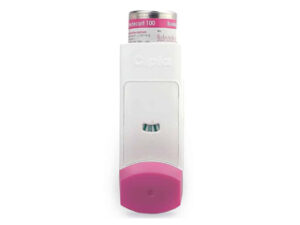
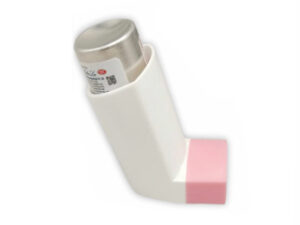
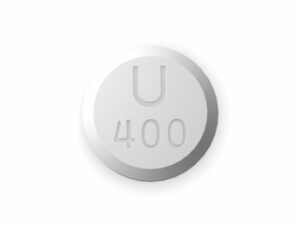
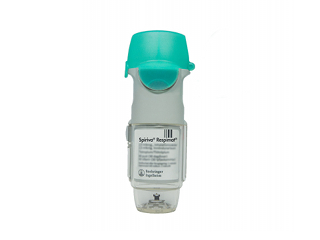
In Australia, Spiriva is available in different inhaler formats. Your exact dose and inhalation technique depend on the specific product you have been supplied. Always follow the instructions provided with your device and pharmacist/clinician advice.
- Inhaler technique matters: getting the dose to the lungs properly is essential for benefit.
- Consistency matters: Spiriva is designed for regular use.
- Different devices: if you switch between Spiriva inhaler types, your technique may change—check the instructions for your device.
How Spiriva works (mechanism of action)
In chronic lung diseases like COPD and some other airway conditions, the airways can narrow and become “tight.” Part of this narrowing is influenced by the body’s acetylcholine signalling, which activates muscarinic receptors on airway smooth muscle and glands.
Tiotropium blocks these muscarinic receptors, particularly the M3 subtype in the airways. By blocking the signal that causes airway tightening, Spiriva:
- Helps relax airway smooth muscle
- Reduces bronchoconstriction (airway narrowing)
- May reduce mucus-related symptoms by influencing airway gland secretions
- Provides long-lasting bronchodilation for improved breathing over the day and night
The result is typically better airflow and improved symptom control, which can reduce the frequency of flare-ups in suitable patients.
Pharmacokinetics (how the body handles the medicine)
Tiotropium is delivered directly into the lungs. After inhalation:
- Absorption: A portion of the inhaled dose deposits in the lungs; the remainder may deposit in the mouth/throat and be swallowed.
- Distribution: Tiotropium has pharmacological activity at muscarinic receptors in the airways.
- Elimination: The medicine is cleared primarily by the kidneys in unchanged form.
- Duration of action: Tiotropium dissociates slowly from muscarinic receptors, contributing to its once-daily dosing for many patients.
Kidney function matters: because clearance is largely renal, your prescriber may consider kidney health when choosing the right inhaler and dose. If you have known kidney problems, discuss this with your pharmacist/doctor.
Typical uses and indications
In Australia, Spiriva is used for chronic airway disease management. Its most common role is in COPD.
COPD (Chronic Obstructive Pulmonary Disease)
- Symptom control: helps maintain open airways and reduce breathlessness.
- Reduction of exacerbations: in appropriate patients, long-acting bronchodilator therapy can help lower the risk of flare-ups.
Other airway conditions
Some anticholinergic medicines are also used in certain asthma-related contexts or with specific treatment plans. Whether Spiriva is appropriate for your condition depends on your diagnosis, symptom pattern, and overall regimen. Your pharmacist can help confirm what your exact Spiriva product is intended for.
Important: Spiriva is not a rescue medicine. If you suddenly feel tight-chested or short of breath, use your designated reliever inhaler and seek urgent care if symptoms are severe or worsening.
Dose and timing
Most Spiriva products are used as a once-daily inhalation. The exact dose strength and inhaler instructions depend on the particular Spiriva formulation (for example, different capsule strengths or inhaler systems).
- Typical timing: once each day, at about the same time daily.
- With or without food: food does not meaningfully interfere with inhaled tiotropium action, so you can usually take your dose any time.
- If you miss a dose: take it when you remember on the same day. If it’s nearly time for the next dose, skip the missed dose—do not double.
Start-up effect: Many people feel some improvement within the first day, while the full benefit may take several days as the treatment becomes established.
Food interactions
Because Spiriva is taken by inhalation, food interactions are generally minimal. Unlike some tablets, the medicine is not dependent on digestive absorption in the same way.
However, if you find that you have a significant amount of inhaled medicine swallowed unintentionally (for example, because of device technique), you may be more likely to experience side effects such as dry mouth or throat irritation. Improving technique can help.
Alcohol and medicine interactions
Alcohol
There are no well-known direct alcohol interactions with tiotropium inhaled therapy. However, alcohol can worsen breathing for some people—especially if COPD symptoms already fluctuate. If alcohol triggers cough or breathlessness, consider limiting intake and monitor how you feel.
Other medicines (important interactions)
Tiotropium’s main interaction concerns medicines with similar effects.
- Other anticholinergic medicines: using multiple drugs that block muscarinic receptors may increase anticholinergic side effects (e.g., dry mouth, constipation, urinary retention). Tell your pharmacist about any other inhalers, tablets, or patches with anticholinergic effects.
- COPD/asthma inhalers: Spiriva is commonly used alongside other long-acting inhalers (such as LABAs and inhaled corticosteroids) as part of an individual treatment plan. Combining medicines should be guided by your healthcare professional.
- Kidney-clearing medicines: because tiotropium is cleared mainly through the kidneys, medicines that significantly affect kidney function may be relevant. Your pharmacist can help check your medication list.
Always keep an up-to-date medicine list (including over-the-counter products and herbal supplements) to allow accurate interaction checking.
Safety profile and side effects
Like all medicines, Spiriva can cause side effects. Many people experience few or mild effects, and side effects may reduce when inhalation technique is correct.
Common side effects
- Dry mouth
- Sore throat or throat irritation
- Cough
- Constipation (in some patients)
- Headache
Less common but important side effects
- Difficulty urinating or urinary retention (more likely in people with prostate enlargement or bladder problems)
- Eye symptoms such as pain, blurred vision, halos around lights (seek urgent advice—these can signal a rare eye complication)
- Allergic reactions (e.g., swelling of face/lips, rash, breathing difficulty—seek urgent care)
- Rapid worsening of breathing (seek medical attention if severe or unexpected)
When to seek urgent help
Get urgent medical care if you experience:
- Severe allergic reaction symptoms
- Sudden severe shortness of breath or chest tightness that does not respond to your reliever inhaler
- Eye pain or significant vision changes
- Inability to urinate with discomfort
Practical use tips (how to get the best results)
Good inhaler technique is one of the most important factors for effective treatment. Because Spiriva comes in different inhalers, follow your specific device instructions.
General tips
- Prepare: check that the device is ready as directed.
- Inhale correctly: breathe in steadily and deeply through the device as instructed.
- Hold your breath briefly: if your device instructions advise it, hold your breath for a short period to allow medicine to settle in the lungs.
- Rinse and spit (if relevant): tiotropium alone does not always require mouth rinsing, but if you use other inhaled steroids, rinsing after those medicines may be recommended to reduce mouth/throat side effects.
- Don’t “double-dose”: if you miss a dose, follow the missed-dose guidance for your plan.
- Store properly: keep your inhaler/device as directed (protect from moisture and avoid extreme temperatures).
Dry mouth prevention
- Use sugar-free lozenges or stay well hydrated.
- If dry mouth becomes troublesome, discuss it with your pharmacist.
- Ensure correct technique; less medicine may be deposited in the mouth/throat when used properly.
Track your response
Over time, it can help to note:
- Breathlessness levels
- How often you need your reliever inhaler
- Any flare-ups or hospital visits
- Side effects that appear after starting treatment
Alternative options
Depending on your diagnosis, severity, and personal response, your healthcare team may consider other long-acting bronchodilators or combination inhalers.
Common alternatives/related options
- Other long-acting anticholinergics (tiotropium alternatives within the same therapeutic class)
- Long-acting beta2 agonists (LABAs) such as salmeterol or formoterol (class examples)
- Combination inhalers (e.g., LABA + LAMA, or LABA + LAMA + inhaled corticosteroid) in certain patients
- Inhaled corticosteroids for patients with specific inflammatory features and exacerbation patterns
- Reliever inhalers (for sudden symptoms) such as short-acting bronchodilators—used as rescue, not as a replacement for long-acting maintenance therapy
Your pharmacist can help you compare options and understand differences in dosing frequency, device type, and common side effects. Never switch inhaler types without advice, because technique and dose strength may differ.
Alcohol and lifestyle considerations for COPD and airway health
If you are using Spiriva for COPD or similar conditions, overall airway health matters. Alcohol can sometimes worsen reflux, interfere with sleep, and contribute to dehydration—factors that may affect breathing comfort. If you drink alcohol, consider:
- Monitoring whether it worsens cough, wheeze, or breathlessness
- Staying hydrated (dry mouth may be more noticeable with anticholinergics)
- Avoiding heavy drinking if you have severe breathlessness or frequent exacerbations
Discuss any lifestyle changes with your healthcare provider, especially if you experience worsening symptoms after alcohol.
Market and legal context for Australia (including how to obtain Spiriva online)
In Australia, medicines like Spiriva are regulated by the Australian Government’s medicines and pharmacy framework. Availability, eligibility, and supply requirements can vary by product type and strength.
- Online pharmacy supply: Many pharmacies in Australia can supply prescribed and certain non-prescription medicines depending on the product and required assessment steps.
- Safety checks: Reputable Australian pharmacies will generally verify your details, medication list, and any relevant clinical considerations to help reduce medication errors.
- Device integrity: Only devices in approved packaging should be supplied, and storage instructions should be provided.
Product eligibility and availability may vary depending on whether the specific Spiriva format is currently listed for supply through online services and the pharmacy’s terms and processes.
Recent guidance and clinical considerations
Clinical practice in COPD and other chronic airway diseases evolves as new research and recommendations are published. In general terms, ongoing management for COPD commonly includes:
- Long-acting bronchodilation to improve symptoms and airflow
- Individualised escalation when symptoms persist or exacerbations occur
- Correct inhaler technique and adherence as key determinants of benefit
- Review of comorbidities (e.g., heart disease, anxiety, sleep problems)
Your pharmacist may ask about symptom control, current inhalers, and any recent flare-ups to ensure Spiriva fits your regimen. If your breathing is worsening despite treatment, it’s important to have your plan reviewed.
Delivery and availability (Australia)
Availability and delivery options can vary by pharmacy and by product format. When ordering Spiriva online, consider the following:
- Check product form: Spiriva may be supplied in different inhaler types. Ensure the item matches what you use.
- Delivery timeframes: Standard and express delivery may be offered. Dispatch times depend on stock levels.
- Packaging: Keep products in the original packaging until use and follow storage instructions.
- Out-of-stock situations: If a product is temporarily unavailable, the pharmacy may offer alternatives or notify you of restock timing.
If you have a time-critical need (e.g., running out soon), contact the pharmacy to confirm dispatch estimates.
FAQ – Spiriva (Tiotropium Bromide)
1) Is Spiriva a reliever inhaler?
No. Spiriva is a maintenance inhaler designed for long-term symptom control. It is not intended for sudden attacks of breathlessness. Use your prescribed reliever for immediate relief and seek medical help if symptoms are severe.
2) How long does it take to work?
Many people notice improvement relatively quickly, but the full effect may take several days of consistent daily use. If you do not feel any benefit after an appropriate period, speak with your pharmacist or clinician to review technique and your treatment plan.
3) Can I use Spiriva if I forget a dose?
If you remember later, take it when you can on the same day. If it is close to the next scheduled dose, skip the missed dose and return to your normal schedule. Do not take two doses at once.
4) What should I do if I get dry mouth?
Dry mouth is a common effect. Hydrate regularly, consider sugar-free lozenges, and review inhaler technique. If it becomes bothersome or you experience urinary issues, discuss it with your pharmacist.
5) Will Spiriva interact with my other inhalers?
Spiriva is often used alongside other COPD medicines. The main caution is with other anticholinergic medicines, which may increase anticholinergic side effects. Provide your full medication list so interactions can be checked.
6) Is Spiriva safe for people with kidney problems?
Because tiotropium is cleared mainly by the kidneys, kidney health can be relevant. Many patients with stable kidney function may still use tiotropium under guidance. If you have kidney disease, talk to your pharmacist/doctor so the safest plan is used.
7) Can I drink alcohol while using Spiriva?
There are generally no direct alcohol interactions, but alcohol may worsen breathing comfort or hydration. If you notice breathing changes after alcohol, limit intake and discuss with your healthcare professional.
8) What if I stop Spiriva?
Stopping maintenance bronchodilator therapy may lead to worsening symptoms over time. If you are considering stopping, arrange a discussion with your clinician or pharmacist rather than stopping suddenly.
9) How should I store Spiriva?
Store according to the instructions on the pack (typically at controlled room temperature and protected from moisture). Keep it out of reach of children.
10) Are there alternatives if I can’t tolerate Spiriva?
Yes. Options may include other long-acting bronchodilators or combination inhalers. Your pharmacist can help identify a suitable alternative based on your diagnosis, symptoms, and side effect profile.
Summary
Spiriva® (tiotropium bromide) is a long-acting inhaled anticholinergic medicine used mainly for COPD to help keep airways open and reduce breathlessness over time. It works by blocking muscarinic receptors in the airways, providing sustained bronchodilation with once-daily dosing for many patients. Correct inhaler technique, consistent daily use, and awareness of side effects (such as dry mouth and urinary symptoms) are important for safe and effective treatment.
If you have questions about your specific Spiriva inhaler type, dosing schedule, or how to combine it with other medicines, contact your pharmacist for tailored guidance.