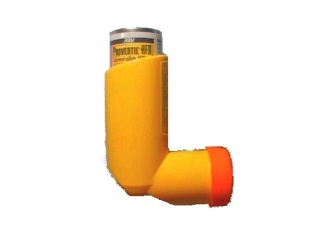
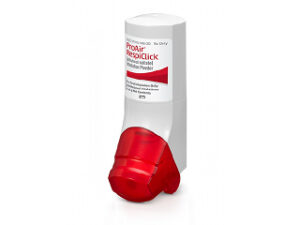
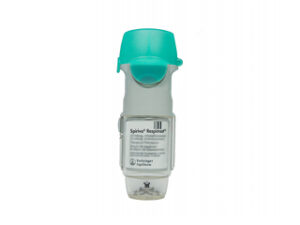
Salbutamol (Albuterol) – Patient Information (Australia)
Salbutamol (also known as albuterol) is a fast-acting “reliever” medicine used to open the airways in people with asthma and other conditions that cause bronchospasm (tightening of the airways). It works quickly to ease symptoms such as wheeze, shortness of breath, chest tightness and coughing related to airflow narrowing.
On this page, you’ll find clear, practical information about how salbutamol works, how it’s used, what to expect, interactions, safety, and Australia-specific availability and guidance.
Basic product information
- Medicine name: Salbutamol (Albuterol)
- How it’s commonly used in Australia: Inhalers (e.g., puffer/pressurised metered-dose inhaler), sometimes as a nebulised solution
- Type of medicine: Short-acting beta2-adrenoceptor agonist (SABA)
- What it does: Relaxes airway smooth muscle to improve airflow
- Typical onset: Often within minutes when inhaled
Salbutamol products may differ by form (inhaler vs nebuliser solution) and by strength. Always check your specific product label or consumer medicine information for exact dosing instructions for that product.
How salbutamol works (mechanism of action)
Salbutamol stimulates beta2-adrenoceptors on the smooth muscle lining the airways. This leads to:
- Airway relaxation: Smooth muscle relaxes, reducing airway constriction (bronchospasm).
- Improved airflow: Wider airways help reduce wheeze and shortness of breath.
- Reduced mucus-related narrowing: By relieving bronchospasm, symptoms may improve even when mucus contributes to airflow limitation.
Key point: Salbutamol is designed to relieve acute symptoms. It does not treat the underlying inflammation that drives asthma long-term. For ongoing control of asthma, many people also need an anti-inflammatory medicine such as an inhaled corticosteroid (ICS), chosen with a healthcare professional.
Pharmacokinetics (what the body does to salbutamol)
Pharmacokinetics describes how the body absorbs, distributes, metabolises, and eliminates a medicine. Salbutamol can vary depending on the route (inhaled vs oral) and formulation.
- Absorption: When inhaled, salbutamol reaches the airways quickly; some dose may be swallowed and absorbed from the gastrointestinal tract.
- Distribution: Distributes throughout the body; effects on the airways occur soon after inhalation.
- Metabolism: Mainly metabolised in the liver to inactive metabolites (notably sulphate conjugates).
- Elimination: Excreted primarily via the kidneys (urine) and also partly through bile/feces depending on the metabolite profile.
- Onset and duration: Inhaled salbutamol usually begins working within minutes; the effect often lasts several hours (commonly around 4–6 hours for many people), though individual response can vary.
Typical uses in Australia
Salbutamol is commonly used to provide rapid relief from symptoms caused by reversible bronchospasm. It may be used in:
- Asthma: Reliever for wheeze, shortness of breath, and chest tightness.
- Exercise-induced bronchoconstriction: To help prevent symptoms around exercise for people advised to use a reliever before activity.
- Chronic obstructive pulmonary disease (COPD): Often used as a bronchodilator reliever for episodes of airflow limitation (alongside other COPD treatments when needed).
- Other reversible airway conditions: In some clinical scenarios, depending on diagnosis and treatment plan.
Important: If symptoms are frequent, worsening, or not responding adequately to your usual reliever, asthma control may be suboptimal and you should seek medical advice promptly. Persistent symptoms are often a sign that long-term anti-inflammatory therapy needs review.
When it starts working (timing)
Salbutamol inhalers typically provide symptom relief quickly. Many people feel improvement within 5 minutes after inhalation.
- Onset: Usually within minutes
- Peak effect: Often within 30 minutes (varies)
- Duration: Commonly around 4–6 hours
If you need repeated doses very frequently, this may indicate uncontrolled asthma or another issue that requires assessment. Follow your healthcare professional’s action plan if you have one.
Dosing overview (general guidance)
Dosing depends on the specific product (inhaler vs nebuliser), strength, age group, and whether the goal is symptom relief, prevention before exercise, or treatment of an acute episode. Use the dosing directions on your product packaging or consumer information leaflet.
Examples of common approaches (not a substitute for your product instructions):
| Situation | Typical approach (general) | Timing | When to seek urgent help |
|---|---|---|---|
| Acute asthma symptoms (wheeze, tight chest, breathlessness) | Often 1–2 inhalations per dose, repeated if needed according to your action plan and product directions | Use promptly when symptoms start; assess response after each dose | If you are not improving, symptoms are rapidly worsening, or you need repeated reliever doses without adequate relief |
| Prevention before exercise (exercise-induced symptoms) | Often taken before activity if advised as part of your plan | Typically taken about 10–15 minutes before exercise (check your product guidance) | If symptoms still occur despite pre-treatment, your overall asthma plan may need review |
| COPD symptom relief | Used as a bronchodilator reliever in line with COPD management and product directions | When symptoms occur | Increasing breathlessness and reduced response may indicate an exacerbation requiring medical assessment |
| Nebulised salbutamol (where supplied) | Dose varies by concentration and clinical scenario; follow product/clinical instructions | Delivered over a short administration period; monitor response | Urgent assessment if severe symptoms, low oxygen levels, or poor response |
Children: For children, dosing is particularly dependent on age and device type. Always follow the directions on the specific product and any personalised asthma action plan.
Do not exceed the recommended number of inhalations on the label without professional advice. Overuse of reliever inhalers can be a sign of worsening asthma control.
Food interactions
Salbutamol inhalation has limited food interaction because much of the action is local to the lungs. Any swallowed portion is absorbed after passing into the gastrointestinal tract.
- Generally: You can usually take salbutamol without regard to meals.
- Practical note: If you use a metered-dose inhaler and food causes nausea or reflux that affects inhalation technique, consider using your reliever before meals if that suits your routine.
If you use an oral form of salbutamol (less common), food interactions may be more relevant. Always refer to your specific product instructions.
Alcohol interactions
Moderate alcohol use is not typically considered a direct interaction with inhaled salbutamol. However, alcohol can affect breathing, sleep, and adherence to asthma management.
- Breathing symptoms: Alcohol may worsen symptoms in some people by affecting airway tone or coordination during sleep.
- Risk behaviours: Overuse of reliever and reduced recognition of worsening symptoms can occur if alcohol is involved.
If you notice that alcohol triggers breathlessness or wheeze, discuss this with a healthcare professional.
Medicine interactions (important)
Salbutamol’s effects can be influenced by other medicines, especially those affecting the heart and beta receptors. Tell your pharmacist or healthcare professional about all medicines and supplements you use.
Common interaction considerations:
- Beta-blockers (including some eye drops): Medicines that block beta receptors can reduce the bronchodilating effect of salbutamol and may worsen bronchospasm in susceptible people.
- Other asthma relievers (SABAs) and stimulants: Using multiple “activating” inhalers together may increase side effects such as tremor or palpitations.
- Diuretics (water tablets) and certain heart medicines: Some combinations can increase the risk of low potassium or changes in heart rhythm, particularly with higher doses of beta-agonists.
- Medicines that affect potassium levels: If you are taking diuretics or other medicines that change electrolytes, your clinician may monitor risk more closely in higher-dose situations.
- Antidepressants (e.g., tricyclics) and other medications affecting heart rhythm: May increase risk of cardiovascular side effects in some settings.
When to be extra cautious: If you have a history of heart rhythm problems, significant heart disease, or uncontrolled hyperthyroidism, discuss salbutamol use with your healthcare team.
Safety profile: common side effects and what to watch for
Like all medicines, salbutamol can cause side effects. Many are mild and related to its beta2 stimulation. Side effects often improve as your breathing stabilises and as your body adjusts.
Common side effects
- Tremor (shakiness), especially in the hands
- Headache
- Fast heartbeat (palpitations)
- Feeling “jittery”
- Occasional muscle cramps
Less common but important effects
- Low potassium (hypokalaemia): More likely with frequent or high doses.
- Heart rhythm changes (rare): Seek advice if you experience unusual palpitations, dizziness, or fainting.
- Chest pain or severe shortness of breath not relieved by usual inhaler
When to seek urgent medical help
Get urgent help (call emergency services or go to the nearest emergency department) if any of the following occur:
- Severe breathlessness or difficulty speaking in full sentences
- Blue/grey lips or face or signs of low oxygen
- Chest pain or fainting
- Reliever inhaler not working or needing repeated doses with poor improvement
Practical use tips for inhalers
Using your inhaler correctly is crucial for getting the dose into your lungs. Technique can strongly affect how well salbutamol relieves symptoms.
General tips (pressurised metered-dose inhaler)
- Shake the inhaler if your product requires it.
- Breathe out fully before placing the mouthpiece.
- Seal your lips around the mouthpiece.
- Start to breathe in slowly as you press the canister.
- Continue inhaling and hold your breath for about 10 seconds (or as comfortable).
- Wait between puffs as directed by your product or action plan.
- Rinse your mouth after use if you also use inhaled corticosteroids (not always required for salbutamol alone, but good practice if combined therapies are used).
Use of a spacer
Many people benefit from using a spacer with a pressurised inhaler, especially children or anyone who struggles with coordination. A spacer can improve delivery and reduce throat deposition.
Checking your inhaler
- Check the dose counter (if present).
- Keep the device clean according to instructions.
- Replace the inhaler if it isn’t working as expected or is damaged.
Typical “reliever” timing and asthma action planning
Many Australians with asthma follow an asthma action plan that explains when to use a reliever and when to seek medical review. Reliever use patterns can help identify worsening control.
- Use as soon as symptoms start (wheeze, chest tightness, breathlessness).
- Assess response after each dose. If symptoms improve, you may not need further doses immediately.
- If symptoms keep returning or you need reliever very often, your underlying treatment plan may need adjustment.
If you don’t have an action plan, consider discussing one with your pharmacist, general practitioner, or asthma educator.
Alternative options (depending on the condition)
Alternatives depend on whether you need a fast reliever, long-term controller, or both. Options your healthcare team may consider include:
- Other bronchodilators: Depending on diagnosis, long-acting or other classes may be used as controller therapy.
- Different relievers: Some regions use different short-acting inhaled bronchodilators, but salbutamol remains a common choice.
- Controller medications for asthma: Inhaled corticosteroids (ICS) and combination inhalers may be recommended to reduce flare-ups and reduce reliance on relievers.
- For COPD: There may be long-acting bronchodilators and other therapies tailored to symptoms and exacerbation risk.
Note: If you’re using a reliever more frequently, the most important “alternative” may be improving your controller plan, not switching reliever alone.
Australia: market and legal context (overview)
In Australia, salbutamol products are regulated through the Therapeutic Goods Administration (TGA) and are supplied via community pharmacies under Australian medicines scheduling and prescription requirements as applicable to each product and formulation.
- TGA regulation: Medicines must meet quality, safety, and efficacy requirements for use in Australia.
- Pharmacy supply: Your ability to purchase salbutamol may depend on the product form and strength and current regulatory status.
- Consumer medicine information (CMI): Always check the CMI provided with your product for warnings and correct dosing.
Because regulatory requirements can change, availability on any specific website or in any specific setting may vary. If you’re unsure whether a particular product is suitable or available for you, a pharmacist can help you identify the most appropriate option.
Recent guidance and practical considerations
In recent years, Australian asthma guidance has continued to emphasise:
- Better assessment of control rather than relying only on relievers
- Reducing overuse of short-acting relievers as a marker of worsening control
- Using a written action plan when appropriate
- Inhaler technique and spacer use to improve effectiveness
People with asthma may be encouraged to review their treatment if they:
- Need reliever more often than usual
- Have nighttime symptoms
- Experience reduced exercise tolerance
- Have flare-ups requiring urgent care
If you’re using salbutamol but still experiencing symptoms, it’s worth arranging a review to optimise your long-term plan.
Delivery and availability (online pharmacy)
Availability of salbutamol in Australia may depend on the specific product (brand, formulation, and strength). Online pharmacies typically offer:
- Standard delivery to eligible areas
- Express delivery in some locations
- Packaging designed to protect inhaler devices
Delivery times can vary based on stock availability, region, and courier services. If you need your reliever urgently (for example, during an acute flare), check the expected dispatch and delivery estimate before ordering.
Always ensure the product you receive matches what you intended (correct device type and strength).
Frequently Asked Questions (FAQ)
1) Is salbutamol the same as albuterol?
Yes. Salbutamol is the common Australian/UK name; albuterol is the common US name for the same medicine.
2) How quickly will it work?
When inhaled, many people feel relief within minutes. If you’re not getting relief as expected, check your inhaler technique and consider seeking medical advice if symptoms are severe or worsening.
3) Can I use salbutamol every day?
Some people use a reliever as needed (which may be daily at times). However, needing a reliever frequently can be a sign that asthma is not well controlled and your long-term plan may need review. Follow your action plan and discuss concerns with a pharmacist or healthcare professional.
4) What if my inhaler doesn’t seem to work?
Common reasons include poor technique, an empty inhaler, a damaged device, incorrect storage, or incorrect medication choice. Try re-checking technique (and spacer use if appropriate). If symptoms remain uncontrolled, seek medical advice urgently.
5) Is it safe during pregnancy or breastfeeding?
Many people use reliever bronchodilators during pregnancy and breastfeeding when needed, but the safest approach depends on your individual situation and overall asthma control. Discuss your specific circumstances with a healthcare professional.
6) Can children use salbutamol?
Salbutamol inhalers are used in children when appropriate. Dosing and device technique are important, and children often benefit from a spacer and caregiver coaching. Always follow the product directions for age and weight where applicable, or a clinician’s action plan.
7) Are there any driving or alertness concerns?
Salbutamol can cause shakiness or palpitations in some people. If these occur and affect your ability to drive safely, avoid driving until you feel well. If you develop dizziness, chest pain, or fainting, seek medical help urgently.
8) Can I drink alcohol while using salbutamol?
Moderate alcohol use is not usually a direct interaction with inhaled salbutamol, but alcohol can worsen symptoms in some people or affect breathing and sleep. If you notice alcohol triggers wheeze or breathlessness, discuss this with your healthcare professional.
9) Does food affect salbutamol?
Inhaled salbutamol generally has minimal food interaction. If you swallow medication after inhaling (some dose may deposit in the throat), it may be absorbed regardless of meals.
10) What should I do if I miss a dose?
For reliever use, doses are typically taken when symptoms occur rather than on a fixed schedule. If you’re taking salbutamol as part of a prevention plan (e.g., before exercise) follow your action plan instructions. If you’re unsure, ask a pharmacist for guidance on timing for your specific use.
Summary
Salbutamol (Albuterol) is a fast-acting inhaled bronchodilator that helps relieve wheeze and shortness of breath by relaxing the muscles around the airways. It is commonly used for asthma and other reversible airway conditions, including symptoms triggered by exercise.
- Works within minutes when inhaled.
- Useful for rapid symptom relief, not long-term control of airway inflammation.
- Side effects can include tremor, headache, and palpitations, especially with frequent dosing.
- Correct inhaler technique (often with a spacer) can make a big difference.
- If symptoms are frequent or worsening, you may need a review of your overall asthma/COPD management plan.
If you have questions about which salbutamol product suits your needs, or how to use your inhaler correctly, a pharmacist can help you choose the right approach and review your technique.