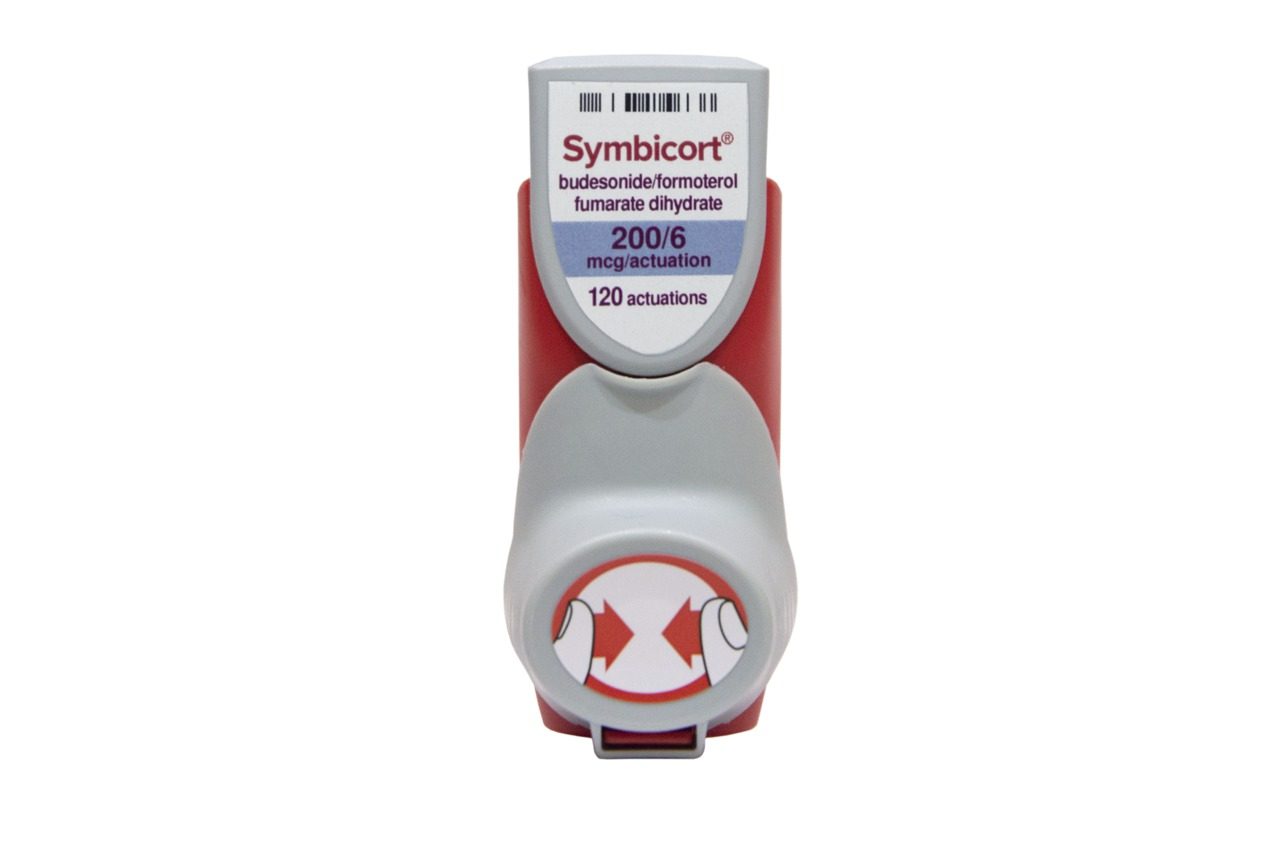
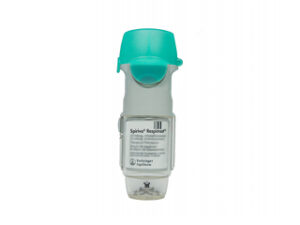

Symbicort Powder (Budesonide / Formoterol Fumarate Dihydrate) – Patient Guide (Australia)
Symbicort is a combination inhaled medicine used to treat asthma and chronic obstructive pulmonary disease (COPD). It contains two active ingredients: budesonide (a corticosteroid that helps reduce airway inflammation) and formoterol fumarate dihydrate (a long-acting bronchodilator that relaxes airway muscles and helps keep airways open).
This guide explains how Symbicort works, how it’s typically used, what to expect, practical tips for inhaler technique, common safety points, interactions, and frequently asked questions.
Quick Product Information
| Category | Details |
|---|---|
| Brand | Symbicort (Powder) |
| Active ingredients | Budesonide + Formoterol fumarate dihydrate |
| Medicine type | Inhaled combination controller/reliever therapy (varies by asthma action plan) |
| How it’s delivered | Dry powder inhaler (DPI) – breath-activated |
| Typical conditions | Asthma; COPD (depending on local product indications) |
| Common outcomes | Reduced inflammation + improved airflow and symptoms |
How Symbicort Works (Mechanism of Action)
Symbicort combines two medicines that work together in the lungs:
- Budesonide: a corticosteroid (anti-inflammatory). It reduces swelling and irritation in the airways, helps lower the likelihood of flare-ups, and supports long-term asthma control.
- Formoterol: a long-acting beta2-agonist (LABA). It relaxes the muscles around the airways, helping improve breathing. It typically starts working relatively quickly compared with some other LABAs, which may be useful in certain asthma regimens.
Together, Symbicort helps you breathe more comfortably by controlling inflammation and maintaining open airways.
Pharmacokinetics (What the Body Does to the Medicines)
Pharmacokinetics describes how the body absorbs, distributes, metabolises, and eliminates a medicine. While individual responses vary, the following points are generally relevant for inhaled budesonide/formoterol products.
-
Absorption
- Distribution
- Metabolism
- Elimination
- Distribution
Because metabolism involves the liver, certain strong interacting medicines (e.g., some antifungals or antibiotics) may affect blood levels. Always check interactions and let your clinician know what you’re taking.
Typical Uses in Australia
Symbicort is used for people who require inhaled combination therapy to control symptoms and reduce exacerbations. Your exact suitability depends on your diagnosis and lung function.
Asthma
Symbicort is used as part of asthma management when symptoms are not adequately controlled with inhaled corticosteroid therapy alone. It may also be used in certain action plans where inhaler reliever strategy is based on combination therapy (according to prescriber instructions).
COPD
In COPD, Symbicort may be used to improve symptoms and reduce exacerbations in people whose condition benefits from inhaled corticosteroid plus bronchodilator therapy. COPD management plans also emphasise smoking cessation, vaccination, and pulmonary rehabilitation.
When to Take Symbicort (Timing and Routine)
The best schedule for Symbicort depends on the dosing regimen selected for your condition. In most cases, it is taken regularly to maintain control.
- Consistency matters: try to use your inhaler at the same times each day if you’re on a maintenance schedule.
- Rinse and spit after use (especially for budesonide-containing inhalers) to reduce the risk of mouth/throat irritation or fungal infection (thrush). Do not swallow the rinse water.
- Follow your asthma/COPD action plan: if your plan includes extra doses during worsening symptoms, use the plan wording carefully.
Dosing (General Guidance)
Dosing varies by the strength of the inhaler, age, diagnosis, and whether the regimen is maintenance-only or includes symptom-triggered dosing. For patient safety, always use the dosing instructions provided for your specific inhaler strength and condition.
Common dosing patterns may include:
- Asthma: typically regular inhalations (often twice daily) with possible additional inhalations for symptom relief depending on the chosen regimen.
- COPD: typically regular maintenance inhalations (often twice daily), as directed by your clinician.
If you are unsure about your dose, check the package label or the instructions supplied with your inhaler. Do not increase the number of inhalations beyond your action plan.
Food Interactions
Because Symbicort is administered by inhalation, food interactions are usually minimal. Swallowed medicine from inhalation may contribute to total absorption, but eating typically does not significantly affect inhaled performance.
General practical advice:
- Avoid delaying your dose if you are due—take it when scheduled.
- If you experience nausea or stomach upset (uncommon), speak to your pharmacist about timing or technique.
- Maintain good hydration and oral hygiene, especially after using the inhaler.
Alcohol and Medicine Interactions
Alcohol
There is no universal rule that alcohol directly interacts with Symbicort, but alcohol can worsen breathing for some people and may trigger symptoms such as breathlessness. Alcohol may also reduce your ability to recognise early warning signs of worsening asthma/COPD.
If you choose to drink alcohol, do so cautiously and avoid excessive amounts—particularly if you have poor symptom control.
Other medicines that may interact
Interactions can affect how Symbicort works or increase side effects. The most important interaction considerations include:
- Beta-blocker medicines (including some eye drops for glaucoma): can reduce the effect of formoterol and may worsen breathing in some patients. Non-selective beta-blockers are of particular concern.
- Other LABA medicines or additional long-acting bronchodilators: combining multiple LABAs can increase risk of side effects. Your clinician should coordinate your total inhaler therapy.
- Short-acting beta-agonists (SABA) (e.g., salbutamol): may be used as relievers depending on your plan. Overuse can indicate poor control.
- Diuretics (“water tablets”) and some other medicines that lower potassium: can increase the risk of low potassium levels, which may contribute to palpitations or muscle weakness.
- Some antidepressants (e.g., tricyclics or monoamine oxidase inhibitors) and other cardiovascular medicines: may influence beta-agonist effects; always check with your pharmacist if you take these.
- Strong CYP3A4 inhibitors (examples may include certain antifungals or antibiotics): can increase budesonide/formoterol levels and possibly increase side effects. This is especially relevant for prolonged or high-dose use.
- Oral corticosteroids or other steroids: combined steroid exposure may raise the risk of systemic steroid effects (e.g., effects on bones, eyes, blood sugar) over time.
Bring a list of all medicines and supplements (including eye drops, nasal sprays, and over-the-counter products) to your pharmacist for a tailored interaction check.
Practical Use Tips (Correct Inhaler Technique)
The benefit of Symbicort depends on using it correctly. For dry powder inhalers, technique focuses on breathing in strongly and deeply. Below are general steps commonly used with DPI devices; always follow the instructions specific to your inhaler.
- Prepare: Ensure the inhaler is ready as directed (e.g., dose is set if required by your device).
- Exhale away from the device: Breathe out fully before placing the mouthpiece in your mouth.
- Seal lips around mouthpiece: Keep your tongue away from the airflow path.
- Inhale firmly and deeply: Create a strong, steady breath in to draw the powder into your lungs.
- Hold your breath: If comfortable, hold for about 5–10 seconds (or as advised).
- Exhale slowly: Breathe out gently afterward.
- If another dose is needed: Wait briefly if your device instructs you to do so, then repeat the steps.
- Rinse and spit: After inhalations, rinse your mouth with water and spit out. This helps reduce risk of oral thrush.
Common technique problems
- Not inhaling strongly enough: can reduce powder delivery to the lungs.
- Exhaling into the device: may clump the powder and affect dose delivery.
- Skipping mouth rinse: increases risk of mouth irritation or thrush.
- Missing doses: controller medicines work best when used regularly.
Safety Profile and Side Effects
Like all medicines, Symbicort can cause side effects. Many people experience none or only mild effects. Side effects may be related to either budesonide (steroid effects) or formoterol (beta-agonist effects).
Seek urgent medical help if
- Breathing rapidly worsens after using the inhaler
- Signs of severe allergic reaction occur (e.g., facial/lip/tongue swelling, hives, severe rash, collapse)
- Chest pain, severe or persistent palpitations, or fainting occurs
- Very severe asthma/COPD symptoms occur that are not improving with your action plan
Common side effects
- Throat irritation or hoarseness
- Mouth thrush (oral candidiasis) (reduced by rinsing and spitting)
- Headache
- Tremor (fine shaking), often mild
- Palpitations (feeling of heartbeat awareness), usually mild
- Muscle cramps (occasionally)
- Dry mouth
Less common but important risks
- Low potassium (hypokalaemia): more likely with higher doses or certain interacting medicines (e.g., diuretics).
- High blood sugar (steroid-related), particularly with higher steroid exposure or if you have diabetes risk.
- Eye changes (e.g., cataracts, glaucoma) with long-term steroid exposure.
- Reduced bone strength with prolonged systemic steroid exposure (less common with inhaled-only at recommended doses, but risk increases with higher doses or frequent oral steroids).
- Adrenal suppression (rare, but possible with long-term use at high doses or switching from oral steroid therapy).
- Increased risk of infections (local infections such as thrush are more typical; systemic effects are less common with inhaled therapy).
When to Review Your Asthma/COPD Control
You should have regular reviews to confirm your inhaler technique and dose is still right for you. Consider seeking medical advice if you notice:
- Symptoms more often than usual
- Night waking due to breathing symptoms
- More frequent reliever use than your plan indicates
- Reduced ability to exercise due to breathlessness
- Frequent flare-ups or needing urgent care
Alternative Options (Other Treatments)
Alternatives depend on your diagnosis, severity, and whether you need anti-inflammatory treatment, bronchodilator therapy, or both. Common categories include:
- Inhaled corticosteroids (ICS) alone (for some asthma patients)
- ICS plus different LABA combinations (other budesonide/LABA or fluticasone/LABA options)
- Long-acting bronchodilators for COPD such as LAMA (long-acting muscarinic antagonist) and/or LABA, sometimes without an ICS depending on your risk profile
- Roflumilast or other add-on therapies in selected COPD patients (specialist-led)
- Biologic therapies for certain severe asthma phenotypes (specialist-led)
If Symbicort no longer controls your symptoms, ask your clinician about whether you need a different inhaler strength, a different combination, or an add-on approach. Never stop controller treatment abruptly without advice.
Market and Legal Context for Australia (Overview)
In Australia, inhaled medicines like Symbicort are supplied through pharmacies and are governed by national medicines regulation and state/territory pharmacy practice rules. The exact supply category, prescribing requirements, and product availability can vary by strength and formulation.
For patients, the key points are:
- Use exactly as directed on the product label and your action plan.
- Keep follow-up appointments so your therapy matches your current asthma/COPD status.
- Report side effects to your pharmacist or doctor promptly.
Recent Guidance and Updates (General “What to Watch For”)
Asthma and COPD care guidance in Australia is periodically updated by clinical bodies. While specific recommendations can vary, common themes in recent practice include:
- Regular review of inhaler technique and adherence—poor technique is a frequent cause of uncontrolled symptoms.
- Using controller therapy consistently to reduce exacerbations.
- Ensuring correct reliever strategy based on your specific regimen (especially for asthma).
- Considering written action plans for worsening symptoms.
- Minimising systemic steroid exposure where possible and monitoring for side effects with long-term therapy.
If you’ve recently changed your inhaler or dose, ask your pharmacist to check the device setup and your technique.
Delivery and Availability (Online Pharmacy)
Symbicort powder inhalers are commonly available through Australian pharmacies, and availability may vary by strength and device type. When ordering online, your dispatch timeline may depend on:
- Stock levels at the time of order
- Your delivery location (metro vs. regional areas)
- Whether the ordered strength/formulation is in immediate supply
- Any packaging or clinical documentation required for the product category
Delivery services typically aim to dispatch promptly after payment confirmation. For the most accurate estimate, check the shipping and delivery information shown on the product page.
Storage and Handling
- Store at room temperature as directed on the packaging.
- Keep the inhaler dry and away from moisture.
- Do not use after the expiry date printed on the device/carton.
- Keep out of reach of children.
FAQ: Symbicort Powder
1) What is Symbicort used for?
Symbicort is used to help control asthma and, in appropriate patients, COPD. It helps reduce airway inflammation (budesonide) and improves airflow (formoterol).
2) How quickly does Symbicort start working?
Formoterol can begin to relieve symptoms relatively quickly for many people, while budesonide contributes to longer-term control by reducing inflammation. Full benefits from anti-inflammatory treatment build over time.
3) Should I rinse my mouth after using Symbicort?
Yes. Rinse your mouth and spit out after each use (or as directed on your product instructions) to reduce the chance of mouth thrush and hoarseness.
4) Can I take Symbicort with food or drink?
Food usually does not meaningfully affect inhaled Symbicort. Take it as scheduled in your regimen.
5) What if I miss a dose?
Take the missed dose if you remember soon and it fits your dosing schedule. If it’s nearly time for the next dose, skip the missed dose and continue as usual. Do not double doses. If unsure, ask your pharmacist.
6) What should I do if my symptoms worsen?
Follow your personal asthma/COPD action plan. If symptoms significantly worsen, you may need urgent medical attention. Do not increase beyond your action plan instructions.
7) Are there medicines I should avoid while using Symbicort?
Some medicines can interact, including certain beta-blockers, other bronchodilators, diuretics affecting potassium, and strong inhibitors of liver enzymes involved in metabolism. Check with a pharmacist if you start, stop, or change any medicine.
8) Can Symbicort cause thrush?
Yes, mouth thrush can occur due to inhaled corticosteroid exposure. Rinsing and spitting after use lowers risk significantly. If you develop white patches, soreness, or persistent hoarseness, consult your pharmacist or clinician.
9) Does Symbicort affect the heart?
Formoterol can cause palpitations or tremor in some people, especially at higher doses. Report persistent or severe symptoms promptly.
10) Is Symbicort suitable for children?
Symbicort may be used in children depending on diagnosis and inhaler strength. Dosing and technique guidance should be tailored by a healthcare professional.
11) How long will I need Symbicort?
Many people use Symbicort long term to maintain control. Your clinician will reassess periodically and may adjust the dose if your condition is stable.
12) What should I do if I’m unsure about inhaler technique?
Ask your pharmacist to observe your technique. Correct use can make a substantial difference in symptom control and safety.
Patient Take-Home Summary
- Symbicort combines budesonide (anti-inflammatory) and formoterol (bronchodilator).
- Use it as directed in your treatment plan and don’t skip maintenance doses.
- Rinse and spit after each use to reduce thrush risk.
- Seek advice if you notice poor control, frequent symptoms at night, or needing more reliever than your plan indicates.
- Check interactions with a pharmacist if you start new medicines (including eye drops and tablets).