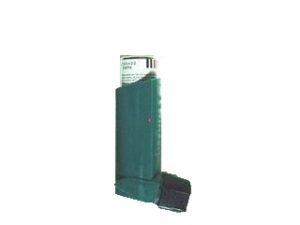
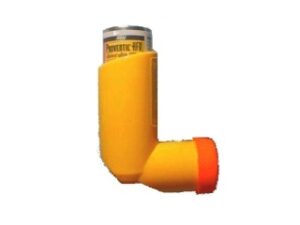
Ventolin Inhaler (Salbutamol) – Patient-Friendly Guide (Australia)
Ventolin Inhaler is a widely used reliever medicine containing salbutamol. It helps open the airways quickly during episodes of wheeze, shortness of breath, or chest tightness. This page explains how Ventolin works, when it’s used, how it’s typically taken, safety considerations, and what to know about interactions and availability in Australia.
If you’re unsure about how to use your inhaler or your treatment plan, speak with your doctor, pharmacist, or asthma educator. In an emergency, follow your action plan or seek urgent medical help.
Quick overview
- Medicine: Ventolin Inhaler (salbutamol)
- Type: Bronchodilator (reliever) – usually a “puffer” inhaler
- Main use: Rapid relief of symptoms such as wheeze, cough, breathlessness and chest tightness
- How it works: Relaxes smooth muscle in the airways to improve airflow
- Onset: Often within minutes
- Duration: Relief may last around 4–6 hours (varies by person)
Basic product information
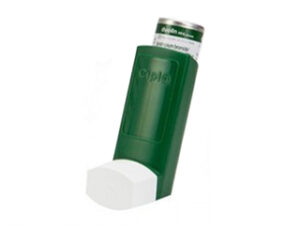
Ventolin is a brand of salbutamol, commonly supplied as a metered-dose inhaler (MDI) for inhaled use. The inhaler delivers a dose directly to the lungs.
| Category | Details |
|---|---|
| Active ingredient | Salbutamol |
| Medicine type | Short-acting beta2-agonist (SABA) |
| Typical role | Reliever (“quick relief”) medicine |
| Form | Inhaler (pressurised metered-dose inhaler) |
| Common conditions | Asthma; bronchospasm associated with COPD (as advised) |
| Storage | Store as directed on the pack; keep away from heat/flames and don’t puncture the canister |
How Ventolin works (mechanism of action)
Salbutamol is a beta-2 adrenergic agonist. When inhaled, it binds mainly to beta-2 receptors in the smooth muscle of the airways. This leads to relaxation of airway muscle and bronchodilation, which helps:
- Open narrowed airways
- Reduce wheezing and breathlessness
- Improve airflow temporarily
Ventolin relieves symptoms but does not treat the underlying inflammation in asthma in the way inhaled corticosteroids do. If you use a preventer (such as an inhaled steroid), it should usually continue even when taking Ventolin.
Pharmacokinetics (what happens in the body)
After inhalation, salbutamol primarily acts locally in the lungs. A proportion of the dose may deposit in the mouth/throat and be swallowed. From there, it can be absorbed into the bloodstream and processed by the body.
Absorption
- Local lung effect: Rapid action occurs as salbutamol reaches the airways.
- Swallowed portion: Some drug may be swallowed and absorbed through the gastrointestinal tract.
Distribution
Salbutamol distributes in the body to produce both local effects and systemic effects (for example, fast heartbeat or tremor in some people).
Metabolism
Salbutamol is metabolised mainly in the liver.
Elimination
The medication and its metabolites are cleared largely through the kidneys (urine). This helps explain why dosing intervals matter and why side effects can vary between individuals.
Typical use for Ventolin Inhaler
Ventolin is commonly used as a reliever for asthma and other reversible airway conditions. It is often used:
- During symptoms (wheeze, shortness of breath, chest tightness)
- Before exercise if symptoms are triggered by activity
- To manage sudden flare-ups as part of an individual asthma action plan
If you find you need Ventolin very frequently, this may indicate asthma is not well controlled and you should discuss review of your preventer treatment with a healthcare professional.
When to take it: timing and how fast it works
Onset and relief
Ventolin inhaled doses typically begin working within a few minutes. Many people feel symptom relief quickly, though the exact timing varies depending on inhaler technique, airway condition, and individual response.
Repeat dosing
If symptoms persist, repeat doses may be advised according to your action plan or the dosing instructions on the product/your healthcare professional’s guidance. Avoid frequent “grazing” dosing without assessment—ongoing symptoms can be a sign of worsening disease.
Before exercise
For exercise-induced bronchoconstriction, people are often advised to use Ventolin shortly before activity. The best timing for you depends on your pattern of symptoms; follow your clinician’s instructions or action plan.
Indications (what it’s used for)
Ventolin Inhaler (salbutamol) is indicated to relieve symptoms caused by reversible airway narrowing. In Australia, salbutamol is used in conditions such as:
- Asthma: relief of acute bronchospasm and symptoms (wheeze, breathlessness, chest tightness)
- Exercise-induced symptoms: prevention of bronchoconstriction related to physical activity
- COPD (chronic obstructive pulmonary disease): bronchodilator relief in episodes of reversible bronchospasm, where appropriate and as advised
Ventolin is not intended as the sole long-term therapy for persistent asthma symptoms. Many people need an inhaled preventer to reduce airway inflammation.
Dose guidance (general information)
Dose can vary by age, severity, and the condition being treated. Always follow the dosing plan provided to you by your healthcare professional and the instructions on the product packaging.
General dosing approach
- For many adults and older children, the typical reliever dose is taken as inhalations, with repeats only if needed.
- For children, dosing is often lower and based on age and response.
- If relief is not achieved or symptoms return quickly, this may require medical review.
| Situation | Typical approach (general) | Important note |
|---|---|---|
| Acute symptoms | Reliever inhalations as per action plan | If symptoms are not improving, seek urgent advice. |
| Before exercise | Reliever taken shortly before activity (timing varies) | Use only when it’s part of your plan—don’t increase preventers or relievers without guidance. |
| Frequent reliever use | Often indicates need for review of asthma control | More reliever use can signal worsening inflammation. |
Seek urgent medical attention if you have severe breathing difficulty, are unable to speak in full sentences, your reliever doesn’t help, or you’re using reliever more often than usual due to worsening symptoms. In Australia, call 000 for emergency assistance.
Practical use tips (how to get the best effect)
Correct inhaler technique is essential for Ventolin to reach the lungs effectively. If you’re not getting relief, technique (or using the wrong device) is a common reason.
Common technique checklist
- Shake the inhaler if required by the device instructions.
- Exhale fully before using the inhaler (away from the mouth).
- Seal lips around the mouthpiece.
- Press and inhale at the same time (start breathing in as you press).
- Hold your breath for about 5–10 seconds (or as comfortable) to let medicine deposit in the airways.
- Wait between puffs if more than one dose is needed, as advised.
Using a spacer
Many people benefit from using a spacer (a valved holding chamber), especially children, older adults, or anyone having difficulty coordinating inhalation with actuation. A spacer can improve delivery to the lungs and reduce medication deposition in the mouth.
Rinse and check
- If you’re also using an inhaled steroid, follow your healthcare provider’s advice for oral rinsing after steroid doses to reduce throat irritation.
- Check the canister and dose counter (if present) according to the pack instructions.
Food interactions
Because Ventolin is inhaled and acts largely in the lungs, food interactions are generally not expected. However, swallowing a portion of the dose can contribute to systemic absorption, and large meals might make breath-holding or comfort more difficult for some people.
In general, you can take Ventolin with or without food. If you feel nauseated or unwell after inhaling, consult a pharmacist for technique and device checks.
Alcohol and medicine interactions
Alcohol
Moderate alcohol intake does not usually cause direct interactions with salbutamol. However, alcohol can worsen asthma symptoms for some people by affecting breathing patterns or triggering reflux. Also, alcohol may increase the likelihood of dehydration or dizziness when combined with medications that can cause tremor or palpitations.
If you notice your breathing worsens after alcohol, discuss with a healthcare professional.
Other medicines that may interact
Salbutamol can interact with other medicines, especially those that affect the heart rhythm, potassium levels, or beta-adrenergic activity. Tell your pharmacist or doctor about all medicines you take, including:
- Beta-blockers (including some eye drops for glaucoma) – may reduce the effect of salbutamol
- Diuretics (“water tablets”) – may increase the risk of low potassium (hypokalaemia) when combined
- Other bronchodilators (including additional beta-agonists) – can add to side effects
- Some antidepressants and stimulants – may increase heart-related effects in susceptible people
- Anti-arrhythmic medicines or medicines that affect heart rhythm
If you are taking medicines for heart conditions, blood pressure, glaucoma, or irregular heartbeat, it’s especially important to confirm compatibility with your pharmacist.
Safety profile and side effects
Like all medicines, Ventolin can cause side effects. Many are mild and temporary, especially when used correctly and as a reliever. If you experience severe reactions or symptoms of anaphylaxis (such as swelling of face/lips, hives, severe breathing difficulty), seek emergency help immediately.
Common side effects
- Tremor (shakiness)
- Fast heartbeat (palpitations)
- Headache
- Restlessness
- Feeling “jittery”
Less common but important risks
- Low potassium (hypokalaemia) can occur, particularly with high doses or frequent use
- Heart rhythm problems (rare, but risk may be higher in susceptible individuals)
- Chest pain or significant worsening breathlessness—these require prompt medical review
Who should be extra cautious
Talk to a healthcare professional before using salbutamol if you have:
- Heart disease, past abnormal heart rhythms, or severe palpitations
- Overactive thyroid (hyperthyroidism)
- Diabetes (beta-agonists can affect blood glucose)
- Low potassium or conditions that predispose to low potassium
Overuse warning
Frequent reliever use can indicate that asthma is not controlled and inflammation is not adequately treated. If you need your reliever more often than usual, seek medical advice promptly.
Special considerations for asthma control
Asthma management usually includes:
- Reliever (e.g., salbutamol) for quick relief
- Preventer (often inhaled corticosteroids) to reduce inflammation and prevent flare-ups
If Ventolin is required frequently, it may signal that your preventer dose needs adjustment or that triggers need review.
Alternative options to Ventolin (salbutamol)
Depending on your condition and symptom pattern, a pharmacist or doctor may consider other relievers or bronchodilators. Examples (not a complete list) include:
- Other SABA bronchodilators: e.g., similar fast-relief beta-agonists
- Combined bronchodilator/inhaled steroid devices: for certain people under clinician guidance
- Long-acting bronchodilators: typically part of controller therapy rather than immediate reliever use
If you’re considering switching devices or medicines, do so only with advice to ensure you still get appropriate symptom relief and control.
Market and legal context in Australia
In Australia, medicines are supplied and classified according to scheduling rules. Many asthma inhalers containing salbutamol are commonly available through community pharmacies, with access requirements depending on the product’s schedule, age group, and local regulations.
Local practice aims to ensure safe use, including counselling on correct inhaler technique and asthma management plans. Availability and supply can vary between brands and pack sizes.
Important: Always read the pack label and consumer medicine information (CMI) supplied with your Ventolin inhaler for the most accurate instructions for your specific product.
Recent guidance and what it means for you
Asthma treatment guidance in Australia has evolved over recent years, with greater focus on improving control and reducing risk from over-reliance on reliever-only strategies. Key themes often include:
- Using preventers appropriately to reduce airway inflammation
- Reviewing frequent reliever use as a sign of poor control
- Ensuring correct inhaler technique and using spacers when recommended
- Personalised action plans for flare-ups and when to seek urgent care
Your individual plan matters most. If your reliever use has changed, talk to a healthcare professional for a review.
Delivery and availability (Australia)
Ventolin Inhaler is a commonly requested medicine, and availability may vary by pack size and supply conditions. Online pharmacies in Australia typically offer delivery options once stock is confirmed.
- Delivery timing: usually depends on your location and the pharmacy’s courier service.
- Packaging: products are shipped in protective packaging to keep the inhaler safe.
- Storage advice: once delivered, store as directed (avoid heat and do not puncture the canister).
If you have urgent symptoms or need a reliever quickly, consider checking delivery estimates before ordering. In emergencies, seek immediate medical assistance.
Safety checklist before you use Ventolin
- Confirm you have the correct inhaler for your needs (Ventolin / salbutamol).
- Read the label/CMI for dosing instructions.
- Check the inhaler isn’t empty and the mouthpiece is clean.
- Use a spacer if advised or if coordination is difficult.
- If you’re using other medicines (especially heart medicines, diuretics, or beta-blockers), check with your pharmacist.
FAQ: Ventolin Inhaler (Salbutamol)
1) What is Ventolin Inhaler used for?
Ventolin Inhaler (salbutamol) is used to relieve symptoms of airway narrowing such as wheezing, shortness of breath, chest tightness and coughing related to conditions like asthma (and sometimes COPD).
2) How fast does Ventolin work?
Relief often starts within minutes. If it doesn’t help, symptoms are worsening, or you’re needing repeated doses frequently, seek medical advice.
3) Can I use Ventolin every day?
Some people need reliever doses daily during periods of increased symptoms. However, regular or frequent Ventolin use can indicate poor asthma control and may mean you need a review of your preventer treatment. Discuss your usage frequency with a healthcare professional.
4) Should Ventolin replace my preventer inhaler?
No. Ventolin is a reliever. If you use an inhaled corticosteroid or other preventer medicine, continue it unless your doctor advises otherwise.
5) What should I do if I forget a dose?
Ventolin is usually taken for symptoms or before a trigger (like exercise) rather than on a strict daily schedule. If you forget and need relief, follow your asthma action plan or the instructions from your healthcare professional.
6) Can Ventolin interact with other medicines?
Yes. Tell your pharmacist about all medicines you take. Important potential interactions include: beta-blockers, diuretics, other bronchodilators, and medicines that affect heart rhythm.
7) Are there food interactions?
Food interactions are generally not expected because Ventolin is inhaled. However, if symptoms make breathing uncomfortable after meals, choose times that are easier for you.
8) Can I drink alcohol while using Ventolin?
There is usually no direct interaction, but alcohol may worsen asthma symptoms in some people and can contribute to dizziness or palpitations. If you notice triggers, limit alcohol and seek advice.
9) What side effects might I get?
Common side effects include tremor, palpitations, headache and feeling jittery. Seek prompt medical advice if you get severe symptoms such as chest pain, significant worsening breathing, or unusual heart rhythm symptoms.
10) When should I seek urgent help?
Seek urgent medical care if:
- You’re struggling to breathe or can’t speak comfortably
- Your reliever doesn’t help or symptoms return quickly
- You’re using Ventolin far more than usual
- You have severe chest tightness or blue lips
In emergencies in Australia, call 000.
Need more help?
If you would like assistance with inhaler technique, understanding your asthma action plan, or choosing the right device for your age and needs, contact a pharmacist. Many pharmacies can also demonstrate how to use an MDI correctly and advise on spacer use.