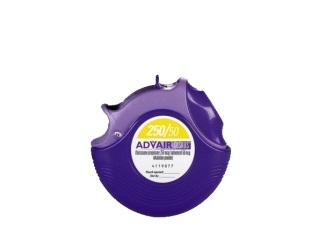
Advair Diskus (Salmeterol + Fluticasone) — Patient Information (Australia)
Advair Diskus is an inhaler medicine used to help control long-term breathing problems such as asthma and chronic obstructive pulmonary disease (COPD). It combines two medicines in one device: salmeterol (a long-acting bronchodilator) and fluticasone (an inhaled corticosteroid).
This page explains how Advair Diskus works, how it is typically used, important safety points, and answers common questions. It is written for people in Australia and focuses on practical, patient-friendly guidance.
Quick overview
- Medicines: Salmeterol + Fluticasone
- Type: Combination inhaled long-acting bronchodilator + inhaled corticosteroid (ICS/LABA)
- Used for: Ongoing control of asthma and COPD (as guided by your clinician)
- How it helps: Reduces airway inflammation and helps keep airways open
- Device: Dry powder inhaler (DPI) — Diskus
Basic product information
| Feature | What it means for patients |
|---|---|
| Brand name | Advair Diskus |
| Active ingredients | Salmeterol (LABA) + Fluticasone (ICS) |
| Drug class | ICS/LABA combination inhaler |
| Inhaler type | Diskus dry powder inhaler (no propellant gas) |
| General role | Long-term symptom control and reducing flare-ups |
| Common limitation | Not for rapid relief during sudden breathing attacks |
How Advair Diskus works (mechanism of action)
Advair Diskus contains two medicines with complementary effects:
- Fluticasone (inhaled corticosteroid, ICS): Helps reduce inflammation in the airways. Over time, this can lower airway swelling and mucus production, improving breathing and reducing the likelihood of exacerbations.
- Salmeterol (long-acting beta2-agonist, LABA): Relaxes smooth muscle in the airways, helping them remain open for longer periods. This makes it easier to breathe and can reduce wheeze and shortness of breath.
Together, the combination helps treat the underlying airway inflammation (ICS) and provides sustained airway opening (LABA).
Pharmacokinetics (how the body handles the medicines)
After inhalation, the amount absorbed depends on inhalation technique and lung deposition. Inhaled medicines primarily act locally in the lungs, but a portion can be swallowed and absorbed through the gut.
- Fluticasone: Metabolised mainly in the liver (via CYP3A4) into inactive metabolites. Systemic absorption is generally lower when used as directed, but higher doses and incorrect technique can increase systemic exposure.
- Salmeterol: Also undergoes metabolism in the liver. Systemic effects are typically uncommon at prescribed doses, especially with correct inhaler use.
Because metabolism is affected by certain interacting medicines (especially drugs that inhibit CYP3A4), medication interactions can increase exposure and side effects. See the “Food, alcohol and medicine interactions” section below.
Typical use in asthma and COPD
Asthma
Advair Diskus may be used for people whose asthma is not fully controlled with an inhaled corticosteroid alone. The aim is long-term control of symptoms and reduced risk of flare-ups.
COPD
In COPD, Advair Diskus may be used as part of maintenance therapy for selected patients to improve symptoms and reduce exacerbations. Treatment choice is based on an individual’s severity, symptom burden, and exacerbation history.
When to take it (timing and routine)
Advair Diskus is usually taken twice daily, with doses roughly 12 hours apart (for example, morning and evening). Follow the schedule provided by your healthcare professional and the instructions on your product pack.
- Try to keep the same times each day to maintain steady control.
- Consistency matters: Advair Diskus is for ongoing control. It may not work like a “rescue” inhaler.
- If you miss a dose: take it when you remember unless it is close to the next dose. Do not double up to make up for a missed dose.
Important: Sudden breathing trouble should be treated using your prescribed rapid-acting reliever (often a short-acting bronchodilator). If symptoms worsen quickly or do not respond, seek urgent medical care.
Food interactions
Food does not usually meaningfully interact with inhaled Advair Diskus because the medicine is delivered through the lungs. However, the inhaler technique can influence swallowed dose.
- If you do experience throat irritation, consider taking your dose before food or rinse/gargle afterward.
- Rinsing your mouth and gargling after each use can reduce local side effects from fluticasone (e.g., hoarseness or oral thrush). This is one of the most helpful “practical tips” for patients.
Alcohol interactions
There is no well-established direct interaction between typical alcohol intake and inhaled Advair Diskus. However, alcohol can sometimes worsen asthma or COPD symptoms indirectly by affecting sleep, dehydration, reflux, or respiratory function.
- If you notice your symptoms flare after drinking alcohol, discuss this with your clinician.
- Avoid excess alcohol, especially if you have frequent breathlessness, reflux, or sleep-related breathing issues.
Medicine interactions (including key safety considerations)
Some medicines can affect the way fluticasone and salmeterol are metabolised, increasing the chance of side effects. Always tell your pharmacist or clinician about all medicines you take, including non-prescription products.
Common interaction categories to consider
- Strong CYP3A4 inhibitors: may increase fluticasone exposure. Examples (not exhaustive) include certain antifungals and some antibiotics used in specific situations. This combination can raise the risk of systemic steroid effects.
- Other LABA-containing medicines: using more than one LABA can increase risk of side effects such as palpitations or tremor. Ensure you are not accidentally doubling your long-acting bronchodilator.
- Beta-blockers: some medicines for heart conditions can counteract bronchodilator effects. Discuss this with your doctor; not all beta-blockers behave the same way.
- Diuretics and medicines affecting potassium: can influence potassium levels. Although this is more common with certain systemic beta-agonists, it may still be relevant in susceptible people. Your clinician may check your blood tests if needed.
- Oral or injectable corticosteroids: if you use them during flare-ups, ask your clinician about cumulative steroid exposure. Do not stop steroid treatment abruptly unless instructed.
Do not stop or change Advair Diskus without advice, even if you feel better. In many patients, regular controller therapy is what keeps symptoms stable.
Indications (who it is used for)
Advair Diskus is indicated for the maintenance treatment of:
- Asthma where symptoms are not adequately controlled with an inhaled corticosteroid alone (or as otherwise determined by current management plans).
- COPD in appropriate patients as ongoing maintenance therapy.
Choice of strength and dosing frequency depends on your condition severity, past control, and treatment response.
Dosing and strengths (general guidance)
Advair Diskus comes in different strengths. The dose is measured in micrograms of fluticasone delivered per inhalation, combined with salmeterol. Your prescribed strength matters—do not substitute products unless advised.
Typical adult dosing pattern
- Often twice daily (morning and evening).
- Use the lowest effective strength that maintains control, based on review by your clinician.
Important: Always follow the exact dosing instructions on your pack or provided by your healthcare professional. Inhaler strengths may differ, so you should not compare doses across devices.
Children
Use in children depends on age, severity, and approved indications. Follow the specific age-appropriate product and regimen provided by your clinician.
Practical use tips (getting the most from your inhaler)
Correct inhaler technique is essential for good asthma/COPD control. The Diskus is a dry powder inhaler, so you need to inhale strongly and steadily to pull the powder into your lungs.
Step-by-step technique (general)
- Prepare: Open the Diskus device until you hear it “click” to load the dose (this varies slightly by model).
- Exhale fully: Breathe out away from the mouthpiece. Do not breathe out into the device.
- Inhale firmly: Place the mouthpiece in your mouth and seal your lips around it. Inhale quickly and deeply through your mouth.
- Hold your breath: Hold your breath for about 5–10 seconds (or as long as comfortable).
- Close and store: Close the Diskus after use. Rinse/gargle if advised (recommended for fluticasone).
Rinse/gargle after dosing
- After using Advair Diskus, rinse your mouth and gargle, then spit out.
- This helps reduce risk of thrush (oral fungal infection) and hoarseness.
Check technique and reviews
- It’s helpful to review inhaler technique regularly with a pharmacist, nurse, or doctor.
- If you notice worsening symptoms despite correct use, seek advice promptly rather than stopping suddenly.
Handling missed doses
If you miss a scheduled dose, use it when you remember unless it is near the next dose. Doubling up can increase side effects without improving control.
Safety profile (important warnings and side effects)
Like all medicines, Advair Diskus can cause side effects. Many people tolerate it well, especially when used correctly. The most important safety considerations relate to inhaled steroid effects, LABA effects, and the treatment of asthma/COPD exacerbations.
Seek urgent medical help if
- Your breathing becomes significantly worse or you have severe shortness of breath that does not respond to your usual reliever.
- You develop swelling of the face/lips, severe rash, or signs of an allergic reaction.
- You feel chest pain, faintness, or experience severe palpitations.
Common or expected side effects
- Hoarseness or throat irritation
- Oral thrush (especially without mouth rinsing)
- Headache
- Mild cough
- Tremor or mild shakiness (more linked to the LABA component)
- Palpitations (awareness of heartbeat), usually mild
Less common but important risks
- Systemic corticosteroid effects (rare at typical inhaled doses, but risk increases with higher doses or prolonged use). Possible effects include bruising more easily or, in long-term high-dose exposure, effects on bones or growth in children.
- Reduced adrenal function (uncommon; more likely after higher steroid exposure or abrupt stopping). Do not stop controller steroids suddenly.
- Low potassium (uncommon; more relevant with additional risk factors).
- Increased heart rate or rhythm-related symptoms in sensitive individuals.
If you experience persistent side effects or unusual symptoms, contact your clinician for advice.
Practical “dos and don’ts”
Do
- Use Advair Diskus regularly as advised for maintenance control.
- Check inhaler technique and ensure you inhale strongly through the device.
- Rinse and gargle after each dose to reduce oral side effects.
- Keep track of symptoms and peak flow (if you use one) to assess control over time.
Don’t
- Don’t use Advair Diskus as a substitute for a rapid reliever during sudden attacks.
- Don’t stop suddenly if you are improving—controller therapy often prevents relapse.
- Don’t share your inhaler with others.
- Don’t double doses to “catch up” without advice.
Alternative options (what you might discuss with your clinician)
Depending on your diagnosis, severity, and response to treatment, there are other medication strategies. Your clinician may consider:
- Inhaled corticosteroid (ICS) alone for some people with mild-to-moderate asthma.
- Other ICS/LABA combinations (different LABAs or inhaler devices).
- Triple therapy options (ICS + LABA + LAMA) for some COPD patients or difficult-to-control asthma/COPD cases, based on guideline recommendations.
- Leukotriene receptor antagonists for selected asthma patients (not a replacement for controller therapy if an ICS/LABA is required).
- Non-pharmacological steps such as smoking cessation, vaccination, trigger reduction, and pulmonary rehabilitation (COPD), all of which support outcomes.
If you’re considering alternatives due to side effects or convenience, discuss device choice and dosing plan with your pharmacist or doctor.
Market and legal context in Australia
In Australia, medicines like Advair Diskus are regulated under the Therapeutic Goods framework and are supplied through approved channels. Inhalers are commonly dispensed to consumers with appropriate guidance from pharmacists and clinicians.
For asthma and COPD, Australian clinical practice commonly emphasises:
- Correct inhaler technique
- Regular review of symptom control
- Stepping therapy up or down based on control
- Reducing risk from infections and inhaler-related side effects (e.g., mouth thrush)
Recent guidance (what patients should know)
Ongoing national and international guidance continues to stress a few key principles:
- Maintenance controller therapy should be used consistently for long-term control. Using controller inhalers only “when you feel symptoms” may increase the risk of flare-ups.
- Reliever action matters: people with asthma/COPD should have access to an appropriate rapid-acting reliever for sudden symptoms.
- Review and step management: clinicians often reassess treatment if symptoms are well controlled for a sustained period, aiming for the lowest effective dose to reduce risks from long-term therapy.
- Technique and adherence checks are frequently highlighted as a first step before changing medicines when control is poor.
Guidance may vary by condition and individual circumstances, so always follow the plan agreed with your healthcare professional.
Delivery and availability (online pharmacy)
Availability can vary by stock levels and the specific strength of Advair Diskus. When ordering online in Australia, you may be asked to provide prescription-related documentation depending on regulatory requirements.
- Packaging: Medicines are typically delivered in manufacturer-supplied packaging where possible.
- Temperature considerations: Inhalers are generally stored at controlled room temperatures—follow pack instructions.
- Delivery timeframes: Depend on the online pharmacy’s shipping service and your location.
- Customer support: A pharmacist is usually available to answer questions about use and safety.
FAQ
1) Is Advair Diskus a reliever inhaler?
No. Advair Diskus is designed for long-term maintenance control (controller therapy). It is not intended for rapid relief during sudden breathing attacks. Ask your clinician or pharmacist what rapid reliever you should use for emergencies.
2) How quickly will it start working?
Some people notice symptom improvement within days, largely from the bronchodilator component. However, the full benefit of the anti-inflammatory effect may take longer (often weeks) and depends on consistent use.
3) Why do I need to rinse my mouth?
Rinsing and gargling after using Advair Diskus helps reduce side effects from the corticosteroid component, such as thrush and hoarseness.
4) What if my symptoms get worse after starting?
Worsening symptoms may occur for several reasons, including incorrect inhaler technique, missed doses, infection, or the need for an adjusted asthma/COPD plan. If you are relying on your reliever more often or symptoms are worsening, contact your clinician promptly.
5) Can I stop Advair Diskus once I feel better?
Generally, do not stop controller therapy suddenly without medical advice. Many people need ongoing treatment to maintain control and prevent flare-ups.
6) Are there foods I should avoid?
Food interactions are not usually a major concern for this inhaled medicine. The key practical step is to rinse your mouth after use.
7) Can I drink alcohol while using Advair Diskus?
Moderate alcohol intake is not known to directly interact with the inhaler. However, alcohol may worsen asthma/COPD symptoms in some people, so listen to your body and discuss persistent issues with your clinician.
8) What medicines commonly interact with Advair Diskus?
Certain medicines can affect metabolism, especially CYP3A4 inhibitors, and some can affect heart rate or potassium. Tell your pharmacist about all medicines and supplements you use so they can check for interactions.
9) How do I know if my inhaler technique is correct?
Good technique usually means you inhale strongly through the mouthpiece and you can hear/feel the device load correctly. If you’re unsure, ask your pharmacist to watch you use the device and correct your technique.
10) Can I use Advair Diskus with a spacer?
Advair Diskus is a dry powder inhaler. Spacers are generally used with metered-dose inhalers (MDIs), not with Diskus DPIs. Ask your pharmacist for advice if you are unsure about your specific inhaler type.
When to contact a healthcare professional
Contact your clinician or pharmacist if you:
- Have frequent symptoms or need your reliever more often than usual
- Develop signs of mouth thrush (white patches, sore tongue) or persistent hoarseness
- Experience palpitations, tremor, or feeling unwell after dosing
- Have planned surgery, severe infection, or start new medicines that may interact
This information is intended to help you understand Advair Diskus. Individual treatment plans can vary, so always follow professional advice tailored to you.