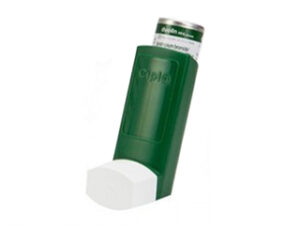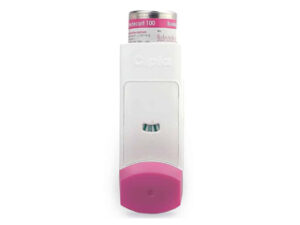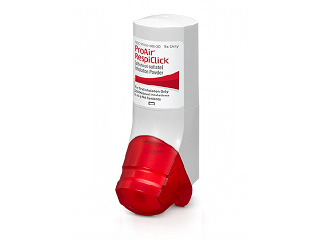
Proair Inhaler (Salbutamol / Albuterol) — Patient Guide (Australia)
Proair Inhaler contains salbutamol (also known as albuterol). It is a fast-acting “reliever” inhaler used to open the airways and relieve symptoms such as wheezing, chest tightness, and shortness of breath.
This page is written to help you understand how Proair Inhaler works, when to use it, what to expect, and important safety information. Always follow the instructions given by your healthcare professional and the consumer medicines information (CMI) supplied with your product.
At a glance
- Medicine: Proair Inhaler (salbutamol / albuterol)
- Type: Short-acting beta2-agonist (SABA) inhaler
- Common use: Relief of asthma symptoms and prevention of exercise-induced bronchospasm
- How it works: Relaxes airway muscles to quickly improve breathing
- Onset: Usually within minutes (often ~5 minutes)
- Duration: Relief typically lasts around 4–6 hours (varies by person)
Basic product information
| Category | Details |
|---|---|
| Active ingredient | Salbutamol (albuterol) |
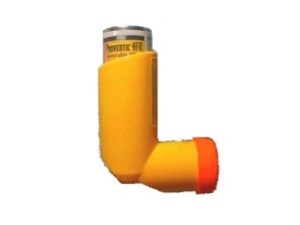
| Medicinal form | Metered dose inhaler (MDI) |
| Medicinal action | Bronchodilator (relieves bronchospasm) |
| Typical role | Reliever (“rescue”) inhaler; sometimes used before exercise |
| Who may use it | People with asthma, and some with other reversible airflow conditions as advised |
Note: Strengths and dosing schedules can vary by product presentation. Check the label/CMI for your exact device and strength.
Mechanism of action (how Proair Inhaler works)
Salbutamol is a beta2-agonist. After inhalation:
- It binds to beta2 receptors on airway smooth muscle.
- This activates pathways that cause relaxation of bronchial smooth muscle.
- The airways widen (bronchodilation), leading to improved airflow.
- It may also help reduce mucus-related symptoms by improving airflow and decreasing bronchospasm.
Key point: Proair Inhaler provides rapid symptom relief. It does not treat airway inflammation in the way preventive controller medicines (often inhaled corticosteroids) do.
Indications (what it’s used for)
Proair Inhaler is commonly used for:
- Asthma symptoms such as wheeze, shortness of breath, chest tightness, and coughing due to reversible airway constriction.
- Acute relief of bronchospasm.
- Exercise-induced bronchoconstriction (preventing symptoms triggered by exercise), when advised.
- Other reversible obstructive airway conditions where a beta2-agonist reliever is appropriate, as determined by your clinician.
When to use it (timing and expected response)
Typical timing for symptom relief
- Many people notice improvement within minutes.
- If symptoms persist, dosing is usually repeated according to your action plan or the instructions on the label/CMI.
Before exercise (prevention)
- Usually taken shortly before exercise as recommended in your asthma action plan (often around 10–15 minutes beforehand, but follow your plan).
- If you routinely need it frequently to control symptoms around activity, this may indicate your asthma is not optimally controlled and you should discuss controller therapy with your clinician.
Important: follow an action plan
Your asthma plan helps you decide when to use your reliever and when to seek urgent help. If you do not have one, ask your healthcare professional for a personalised plan.
Dosage and administration (general guidance)
Always use your inhaler exactly as directed in your CMI and/or by your clinician. Different inhalers and strengths may have different dosing schedules.
Common reliever approach
- Reliever doses are often taken in 1–2 inhalations at a time, then reassessed.
- If symptoms continue, additional doses may be used based on the recommended instructions and your asthma action plan.
Maximum daily use
There are typically recommended maximum doses per day for salbutamol inhalers. Exceeding the advised amount can increase the risk of side effects and may signal worsening asthma control.
- If you find you need your reliever more often than usual, contact your clinician promptly.
- Urgent medical help is needed if you have severe breathing difficulty, cannot speak comfortably, or your reliever is not providing adequate relief.
How to take Proair Inhaler correctly (practical steps)
Correct technique improves how much medicine reaches your lungs.
- Remove the cap and check the mouthpiece for cleanliness.
- Shake the inhaler if your device requires it (many MDIs do).
- Breathe out fully away from the mouthpiece.
- Seal your lips around the mouthpiece.
- Press the canister once to release a dose while starting a slow deep breath in.
- Keep breathing in slowly and deeply for about 3–5 seconds.
- Hold your breath for ~10 seconds or as long as comfortable.
- Breathe out slowly.
- If you need another dose, wait about 30–60 seconds (or per your instructions) before repeating.
Using a spacer: A spacer (e.g., holding chamber) can improve delivery, especially in children, older adults, or if coordination is difficult. Ask your pharmacist or clinician which spacer is suitable for your inhaler.
Pharmacokinetics (absorption, distribution, metabolism, elimination)
When salbutamol is inhaled, much of the dose reaches the airways, while some may deposit in the mouth/throat and be swallowed.
- Absorption: Inhaled salbutamol is absorbed through the lungs. Any swallowed portion may be absorbed from the gastrointestinal tract.
- Onset: Rapid action is expected due to direct delivery to the airways.
- Distribution: Salbutamol distributes into body tissues; effects are primarily related to airway receptor activation.
- Metabolism: It is metabolised mainly in the liver.
- Elimination: Salbutamol metabolites are eliminated primarily via the kidneys.
Clinical takeaway: Although the medicine works quickly, frequent dosing may increase systemic exposure and risk of side effects. If you require frequent reliever use, it’s important to review asthma control.
Food interactions
Food interactions are generally not a major concern for inhaled salbutamol because the dose is delivered to the lungs with limited systemic exposure compared with some oral medicines.
- If some medicine is swallowed, it may be affected by stomach contents, but clinically significant food interactions are uncommon.
- For best comfort and technique, consider taking your inhalation when you are not severely nauseated.
Alcohol interactions
Moderate alcohol use is not generally known to have a direct interaction with inhaled salbutamol. However:
- Alcohol may worsen sleep quality and can affect asthma control in some people.
- It may also increase the chance of dehydration or poor self-care during an asthma flare.
- In some individuals, alcohol may trigger symptoms indirectly (e.g., via respiratory sensitivity or reflux).
If you notice that alcohol makes your breathing symptoms worse, discuss options with your clinician.
Medicine interactions (including important safety considerations)
Interactions depend on your overall medicines and health conditions. Below are common interaction themes to be aware of.
Medicines that may increase heart rate or affect rhythm
- Other sympathomimetics (including some decongestants) may add to effects such as increased heart rate or tremor.
- Beta-blockers (including some eye drops like timolol) may reduce the effectiveness of salbutamol or worsen bronchospasm in susceptible people.
Medicines that lower potassium
Salbutamol can shift potassium into cells, which in higher doses may contribute to low blood potassium. Risk may be higher when combined with:
- Diuretics (e.g., loop or thiazide diuretics)
- Corticosteroids (especially if taken at high doses or systemically)
- Other medicines that can lower potassium
Medicines that affect oxygenation
- If you have severe asthma exacerbations, oxygen and other medical treatments may be required in addition to inhaled reliever use. In such situations, clinicians monitor your overall status closely.
Always check with your pharmacist or clinician
Tell your healthcare provider about all medicines you use, including:
- Over-the-counter products
- Herbal supplements
- Eye drops and nasal sprays
- Recent antibiotics or courses of steroids
Safety profile and common side effects
Like all medicines, Proair Inhaler can cause side effects. Many are mild and temporary, and they often improve with correct dosing and inhaler technique.
Common side effects
- Tremor (shaking)
- Headache
- Fast heartbeat (palpitations)
- Restlessness or feeling “jittery”
- Muscle cramps (sometimes)
- Throat irritation or mild cough (from inhalation technique)
Less common but important risks
- Chest pain or significant palpitations
- Irregular heartbeats
- Low potassium (usually associated with high doses or frequent use)
- Worsening breathing or paradoxical bronchospasm (uncommon)
When to seek urgent medical help
Seek urgent care or call emergency services if you experience:
- Severe shortness of breath or you cannot speak in full sentences
- Your reliever provides little or no improvement
- Signs of a serious asthma attack (worsening chest tightness, marked fatigue, blue lips)
- Severe chest pain, fainting, or severe irregular heartbeat
Practical use tips
1) Use proper inhaler technique every time
- Incorrect technique is one of the most common reasons inhalers “don’t work”.
- If possible, practise with a spacer or ask your pharmacist to observe your technique.
2) Track how often you need your reliever
- Frequent use can indicate that asthma inflammation is not adequately controlled.
- Many asthma action plans use frequency of reliever doses as a warning sign.
3) Store and check your inhaler
- Keep the inhaler in a safe, dry place at room temperature (unless your product label says otherwise).
- Check expiry dates and look for damage or blockages.
4) Avoid common dosing errors
- Don’t double doses “just in case” unless your action plan supports it.
- If you miss a dose, take it when you remember unless it’s close to the next scheduled time—then continue normally.
5) Consider a spacer if you struggle to coordinate
- A spacer improves inhalation delivery and can reduce throat deposition.
- Children often do best with a spacer and mask if recommended.
Alternative options (reliever and controller perspectives)
Alternative inhalers depend on the reason you need treatment and how well your asthma is controlled.
Other reliever (rescue) inhalers
- Other short-acting beta2-agonists may be used in some settings.
- Anticholinergic bronchodilators (such as ipratropium) are sometimes added during severe exacerbations under medical supervision.
Controller medicines (prevention)
If you require reliever doses frequently, you may need controller therapy. In many guidelines, inhaled corticosteroids are a cornerstone of asthma prevention and reduce the risk of attacks.
- Inhaled corticosteroids (e.g., budesonide, beclometasone, fluticasone)
- Combination inhalers (corticosteroid + long-acting bronchodilator) may be considered by clinicians
Important: Alternatives should be chosen with clinical guidance based on your symptoms, history, and response to treatment.
Pharmacy delivery and availability in Australia
Proair Inhaler may be available through pharmacies and online medicine suppliers in Australia depending on stock and regulatory requirements. Availability can vary by brand presentation, strength, and supply chain.
- Delivery: Many online pharmacies offer standard and express shipping within Australia (times vary by location and provider).
- Packaging: Medicines are typically dispatched in protective packaging with cold-chain requirements only if specified by the product.
- Tracking: Orders often include tracking and estimated delivery windows.
Check your order details: Ensure you receive the correct device, strength, and quantity. If you have questions about compatibility with your spacer or technique, contact the pharmacy.
Market and legal context (Australia)
In Australia, medicines are regulated by the Therapeutic Goods Administration (TGA) and supplied under the relevant scheduling system. Inhaler medicines may be supplied through community pharmacies with rules about categories and dispensing practices.
- Authorised supply: Ensure products are sourced from reputable channels to reduce the risk of counterfeit or expired items.
- Consumer information: Look for the CMI and any TGA-approved product information.
- Pharmacist support: Pharmacists can advise on correct inhaler technique, dosing, and safety checks.
Patient safety: Always read the label and follow instructions. If you are unsure about dosing or your asthma plan, seek advice from a pharmacist or clinician.
Recent guidance and clinical considerations
Australian asthma guidance emphasises that reliever use should be part of a broader asthma management plan. Key themes commonly reinforced in contemporary guidance include:
- Relievers are for symptom relief, while prevention usually requires controller medicines for airway inflammation.
- High or frequent reliever use may be a sign of poor control and an increased risk of flare-ups.
- Regular review of inhaler technique and action plans improves outcomes.
- Personalised asthma action plans help patients decide when to step up treatment and when to seek urgent care.
If you have changed your reliever usage pattern recently (e.g., needing it more often), it’s a good time to review your asthma management with your healthcare team.
FAQ
1) Is Proair Inhaler the same as albuterol?
Yes. Salbutamol is the Australian name (widely used internationally as albuterol in some countries). Proair Inhaler contains salbutamol.
2) How fast does it work?
Many people feel relief within minutes. If your symptoms are not improving after use, follow your asthma action plan and seek advice urgently if breathing is worsening.
3) Can I use Proair Inhaler every day?
Some people use it regularly as part of their action plan (for example, before exercise). However, frequent need for reliever medication can indicate asthma is not well controlled. Discuss your usage frequency with your clinician.
4) What should I do if I need my reliever more often than usual?
Contact your healthcare professional or pharmacist promptly. Increased reliever use can be an early sign of worsening asthma control and may require adjustment of preventive treatment.
5) Are there side effects I should watch for?
Common side effects include tremor, palpitations, and headache. Seek urgent help for severe chest pain, significant irregular heartbeat, fainting, or severe breathing problems not responding to reliever use.
6) Can I use it with a spacer?
Often, yes—many people benefit from using a spacer to improve inhaler delivery. Ask your pharmacist to recommend a spacer compatible with your inhaler and technique.
7) Does food or alcohol affect it?
Food interactions are generally not significant for inhaled salbutamol. Alcohol is not known for a direct interaction, but it may worsen symptoms in some people indirectly, and it’s wise to monitor how you feel after drinking.
8) What if I forget a dose?
Proair Inhaler is usually used as needed for symptoms or before exercise when advised. Take it only when required by your asthma action plan. Don’t take extra doses to “catch up” unless your plan instructs you to.
9) Can Proair Inhaler be used for coughing?
If your cough is part of asthma symptoms (such as cough with wheeze or triggered by activity), your action plan may include using your reliever. If coughing persists or worsens, seek medical advice to determine the cause.
10) Where can I get help with inhaler technique?
Your pharmacist can demonstrate technique, check your inhaler handling, and help you choose and use a spacer if appropriate.
Summary
Proair Inhaler (salbutamol/albuterol) is a fast-acting bronchodilator that relaxes airway muscles to relieve asthma symptoms. It typically works within minutes and helps during episodes of wheezing and breathlessness, as well as for prevention of exercise-induced symptoms when advised. Because it is a reliever, frequent use may indicate the need to review your preventive treatment and asthma action plan. If you experience severe symptoms or your inhaler is not providing adequate relief, seek urgent medical care.