Hygroton (Chlorthalidone) — Patient Information
Hygroton contains chlorthalidone, a “water tablet” (diuretic) used to help the body remove extra salt and water through the urine. It is commonly prescribed for high blood pressure and certain fluid-retention conditions.
This page provides general, patient-friendly information about how Hygroton works, how it is typically used, key safety considerations, and practical tips for taking it correctly in Australia.
Basic product information
| Item | Details |
|---|---|
| Medicine | Hygroton |
| Active ingredient | Chlorthalidone |
| Medicine class | Thiazide-like diuretic (diuretic/antihypertensive) |
| How it works | Helps kidneys remove salt and water; lowers blood pressure |
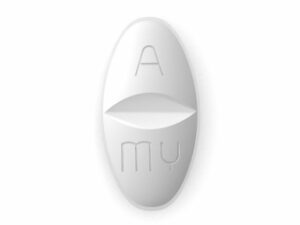
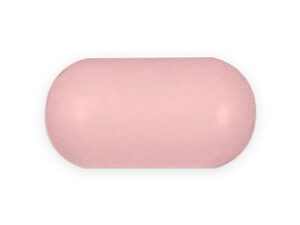
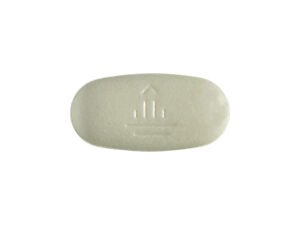
| Common availability | Supplied as tablets (strengths vary by product) |
| Use in Australia | Used for hypertension and selected fluid-related conditions |
Note: Brand names and tablet strengths can vary. Always check the pack for your specific strength and dosing instructions.
How Hygroton works (mechanism of action)
Chlorthalidone is a diuretic that acts mainly on the kidney’s tubules. It reduces the reabsorption of sodium and chloride in the kidney (in the distal convoluted tubule). As a result:
- The kidneys excrete more salt (sodium) and water into the urine.
- Blood volume and blood pressure may decrease over time.
- Longer-term, it also contributes to relaxation of blood vessels and helps control blood pressure.
- Because of its effect on salt balance, it can also influence potassium and other electrolytes (such as magnesium and sodium).
Pharmacokinetics (how the body handles the medicine)
Pharmacokinetics describes how chlorthalidone is absorbed, distributed, metabolised, and eliminated. While individual responses vary, the key practical points are:
- Absorption: Chlorthalidone is absorbed after swallowing the tablet.
- Onset and duration: It is generally longer-acting than many older diuretics, which is why it’s often taken once daily (depending on your prescriber’s plan).
- Distribution: It circulates in the bloodstream and acts on the kidneys.
- Metabolism: It is not extensively metabolised.
- Excretion: It is mainly eliminated through the kidneys.
Why this matters: Because chlorthalidone acts for a relatively long time, it’s important to take it at the same time each day and to avoid missing doses. It also means electrolyte changes (like low potassium) may develop gradually and require monitoring.
Typical use and indications
Hygroton is used for conditions where removing excess salt and fluid or controlling blood pressure is beneficial.
Common indications include:
- Hypertension (high blood pressure): Helps lower blood pressure and reduce cardiovascular risk when used as part of an overall treatment plan.
- Oedema (fluid retention): Such as swelling due to heart failure, kidney disease, or other fluid-retaining conditions—depending on the clinical situation.
- Other clinician-directed uses: Sometimes used in specific electrolyte and fluid-management scenarios based on individual needs.
Important: The exact reason you are taking Hygroton should be on your medicine information. If you are unsure why it was started, ask your pharmacist or doctor.
When and how to take Hygroton (timing)
Many people take Hygroton . However, dosing frequency and timing should follow the instructions provided with your medicine and your clinician’s plan.
General timing guidance
- Morning is usually preferred: Because it increases urine production, taking it in the morning may reduce nighttime bathroom trips.
- Try to take it at the same time each day to maintain consistent effect.
- With or without food: Most people can take chlorthalidone with food or on an empty stomach. Choose what helps you remember and tolerate it well.
If you miss a dose
- Take it as soon as you remember if it is not close to your next dose.
- If it is almost time for the next dose, skip the missed dose.
- Do not take a double dose to make up for a missed one.
Dosing (general information)
Doses vary depending on the condition being treated, kidney function, and electrolyte levels. Your exact dose should be based on your individual assessment.
Typical approach (general)
- Start low and adjust: Many patients begin with a lower dose and may have it adjusted.
- Monitoring is important: Blood tests may be used to check electrolytes (particularly potassium and sodium) and kidney function.
Never change your dose without speaking to a healthcare professional. If you experience dizziness, cramps, weakness, or irregular heartbeat, seek advice promptly, as these can be signs of electrolyte imbalance.
Food interactions
Food can influence how diuretics affect your body, mainly through sodium (salt) intake and hydration status.
Key considerations
- Salt intake: Very high salt intake may make blood pressure harder to control. A moderate, balanced approach as recommended by your clinician is usually best.
- Hydration: Maintain adequate fluid intake unless your doctor has advised fluid restriction.
- Potassium-rich foods: Some people use dietary potassium (e.g., bananas, oranges, tomatoes, leafy greens). Whether this is appropriate for you depends on your kidney function and electrolyte levels. Don’t supplement potassium without advice.
Warning: If you have kidney disease or are at risk of high potassium, potassium supplements may be inappropriate. Always follow your clinician’s guidance.
Alcohol and medicine interactions
Alcohol can interact with chlorthalidone-related blood pressure changes and increase the likelihood of side effects such as dizziness.
Alcohol
- Increased dizziness or light-headedness: Especially when starting therapy or when dose changes occur.
- Dehydration risk: Alcohol may contribute to dehydration, which can affect kidney function and electrolyte balance.
Practical advice: Limit alcohol, and rise slowly from sitting or lying positions if you feel unsteady.
Medicines that may interact with Hygroton
Chlorthalidone affects electrolyte levels and kidney handling of substances, so interactions are possible. Tell your pharmacist or doctor about all medicines you take, including over-the-counter products and supplements.
- NSAIDs (e.g., ibuprofen, naproxen, diclofenac): May reduce diuretic and blood pressure effects and can affect kidney function—particularly in older adults or those with dehydration.
- Other blood pressure medicines: May lead to lower blood pressure (sometimes too low), especially at the beginning.
- Lithium: Diuretics can increase lithium levels, raising the risk of lithium toxicity. Combination use typically requires close monitoring.
- Digoxin: Low potassium levels increase the risk of digoxin-related heart rhythm problems.
- Medicines that lower potassium: Some corticosteroids, certain laxatives (if misused), and other agents may contribute to hypokalaemia.
- Diabetes medicines: Diuretics can affect blood sugar levels in some people, so diabetes management may need adjustment.
- Gout medicines: Thiazide-like diuretics may raise uric acid; your gout treatment may need adjustment.
Hormonal and electrolyte-related medicines: If you take medicines that influence hormones, electrolytes, or kidney function, it’s especially important to confirm compatibility with your pharmacist.
Safety profile and side effects
Many people tolerate Hygroton well, but side effects can occur—particularly related to electrolyte imbalance and dehydration.
Common or expected effects
- Increased urination, particularly soon after starting or after dose changes
- Light-headedness, especially when standing up quickly
Potential important side effects
- Low potassium (hypokalaemia): May cause muscle weakness, cramps, constipation, or abnormal heart rhythms.
- Low sodium (hyponatraemia): May cause headache, confusion, fatigue, or severe symptoms in extreme cases.
- Low magnesium (hypomagnesaemia): Can contribute to cramps and irregular heart rhythms.
- Dehydration or dizziness: Especially if fluid intake is poor or during vomiting/diarrhoea.
- Increased uric acid: Can worsen gout in susceptible individuals.
- Changes in blood sugar or cholesterol: May occur in some people.
Seek urgent medical help if you develop
- Fainting, severe dizziness, or inability to keep fluids down
- Severe weakness, muscle paralysis, or persistent palpitations
- Signs of an allergic reaction (e.g., swelling of the face/lips, rash, breathing difficulty)
Who needs extra caution
- Older adults (higher risk of electrolyte disturbance and falls due to dizziness)
- People with kidney impairment
- People with diabetes or history of gout
- People taking multiple medicines that affect electrolytes or kidney function
Practical use tips (how to get the best results)
1) Monitor symptoms and blood pressure
- If you are taking Hygroton for hypertension, keep track of your blood pressure as advised.
- Note symptoms like dizziness, cramps, unusual fatigue, or palpitations and report them early.
2) Expect a gradual effect
Blood pressure can improve within days, but full benefit may take longer. Don’t stop the medicine early just because you feel better.
3) Balance fluids—don’t overdo it
- Aim for normal hydration unless told otherwise.
- Extra caution is needed during hot weather or if you’re unwell (vomiting/diarrhoea).
4) Keep up with blood tests
Your clinician may check electrolytes (including sodium, potassium) and kidney function. These tests are a key part of safe use.
5) Be cautious with sudden position changes
- When standing up, do so slowly, especially during the first days of therapy.
6) Avoid “double diureting” without advice
Don’t start other diuretics or “water-loss” products without checking with your pharmacist, as combining them can increase dehydration and electrolyte risks.
Alternative options
Depending on your condition and medical history, alternatives to Hygroton may include:
For hypertension
- Other thiazide and thiazide-like diuretics (e.g., hydrochlorothiazide) may be considered in some cases.
- ACE inhibitors (e.g., perindopril, enalapril)
- Angiotensin receptor blockers (ARBs) (e.g., losartan, valsartan)
- Calcium channel blockers (e.g., amlodipine)
- Beta-blockers and other antihypertensives for selected patients
For fluid retention (oedema)
- Loop diuretics (e.g., furosemide) for certain types of oedema
- Alternative diuretic strategies depending on cause and kidney function
Your healthcare team can recommend the most appropriate option based on your diagnosis, kidney function, electrolyte levels, and other medicines.
Market and legal context in Australia
In Australia, medicines like chlorthalidone are generally supplied under established regulatory frameworks and must be used according to healthcare professional guidance. Availability and prescribing requirements can differ by individual circumstances and medicine scheduling.
When buying or using Hygroton, it is important to:
- Check that the product you receive is the correct strength and formulation.
- Follow the directions on the packaging label and any accompanying consumer medicine information.
- Keep an up-to-date list of your medicines and share it with your pharmacist.
Note: If your local regulations require a healthcare professional’s involvement for supply, follow the process described at the pharmacy checkout.
Recent guidance and monitoring approach (general)
While specific recommendations may evolve, current best practice for diuretics used in hypertension and oedema typically includes:
- Electrolyte monitoring (especially sodium and potassium), particularly after starting treatment or increasing the dose.
- Kidney function monitoring (e.g., creatinine/eGFR), especially in people with kidney impairment, older age, dehydration risk, or when using interacting medicines.
- Assessing fall risk and symptoms of low blood pressure (dizziness on standing).
- Reviewing drug interactions at medication reviews—particularly with NSAIDs, lithium, digoxin, and diabetes medicines.
If you are starting Hygroton, your pharmacist or clinician may recommend additional checks depending on your risk factors.
Delivery and availability (Australia)
Availability of Hygroton may depend on supply chains and product strengths. Online pharmacies in Australia may offer:
- In-stock delivery for common tablet strengths
- Order-on-demand options in some cases (timing varies)
- Discreet packaging and secure delivery options
Delivery timelines: Delivery times can vary based on your location (metro vs regional), shipping method, and stock availability. You can typically view an estimated delivery timeframe at checkout.
How to ensure you receive the right medicine: Verify the active ingredient (chlorthalidone), strength, and tablet count before dispatch.
FAQ
1) What is Hygroton used for?
Hygroton (chlorthalidone) is mainly used to treat high blood pressure and can also be used for fluid retention (oedema) depending on your clinical situation.
2) How long does Hygroton take to work?
Urination may increase soon after taking a dose. Blood pressure improvements may take days to weeks, depending on the person and their overall treatment plan.
3) Should I take Hygroton in the morning or at night?
Many people take it in the morning to reduce the chance of waking at night to urinate. Follow your label instructions and ask your pharmacist if timing is unclear.
4) Can I take Hygroton with food?
It is generally taken with or without food. If it upsets your stomach, taking it with food may help.
5) What should I do if I feel dizzy after taking it?
Dizziness can occur, especially when standing up. Sit or lie down until you feel better. Contact your pharmacist or clinician if dizziness persists, worsens, or causes near-fainting. Also ensure you are not dehydrated and avoid sudden standing.
6) Will Hygroton affect my potassium?
Yes. Chlorthalidone can lower potassium in some people. This is why blood tests and monitoring may be recommended.
7) Can I drink alcohol while taking Hygroton?
Alcohol may increase the chance of dizziness and dehydration. If you drink, do so in moderation and be cautious—especially when starting treatment or changing the dose.
8) Are there common drug interactions?
Yes, interactions can occur with medicines such as NSAIDs (e.g., ibuprofen), lithium, digoxin, and some diabetes or gout treatments. Always discuss your full medication list with a pharmacist.
9) Can I take ibuprofen or other pain relievers with Hygroton?
Sometimes, but it’s important to check. NSAIDs can affect kidney function and reduce diuretic effectiveness. Ask your pharmacist which pain reliever is most suitable for you.
10) What blood tests might be needed?
Your clinician may monitor electrolytes (sodium, potassium, magnesium) and kidney function. The timing varies depending on your risk factors and stability.
11) What if I’m unwell with vomiting or diarrhoea?
Illness that causes fluid loss can increase dehydration and worsen electrolyte problems. Contact your healthcare provider for advice. If you become very unwell, seek urgent care.
12) Are there alternatives if Hygroton doesn’t suit me?
Yes. Depending on your condition, alternatives may include other antihypertensives or other diuretics. Your healthcare team can tailor an option to your needs.
Summary
Hygroton (chlorthalidone) is a thiazide-like diuretic used to help manage high blood pressure and certain causes of fluid retention. It works by helping the kidneys remove excess salt and water, which can lower blood pressure but may also affect electrolytes such as potassium. Safe use typically involves taking the tablet at a consistent time (often in the morning), maintaining appropriate hydration, and keeping up with any recommended blood test monitoring.
If you have questions about your specific dose, timing, or interactions with your other medicines, speak to your pharmacist or clinician.