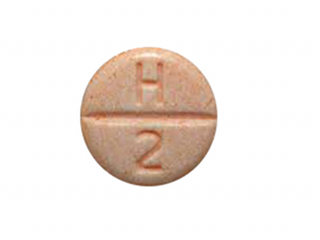

Hydrochlorothiazide (HCTZ) — Patient-Friendly Guide (Australia)
Hydrochlorothiazide is a medicine commonly used to help control high blood pressure and to reduce fluid retention (oedema). It belongs to a group of medicines called thiazide diuretics (“water tablets”). Many people take it as part of long-term care, often alongside lifestyle changes and, when needed, other blood pressure medicines.
This guide explains how hydrochlorothiazide works, how it behaves in the body, typical uses, dosing considerations, safety information, and practical tips. It also covers important interactions (including food, alcohol, and other medicines) and includes information relevant to accessing medicines in Australia.
Basic product information
- Generic name: Hydrochlorothiazide
- Brand names: May vary by manufacturer
- Medicine type: Thiazide diuretic (“water tablet”)
- Common forms: Tablets (strengths vary)
- How it’s used: Usually once daily for blood pressure and often once or twice daily for specific fluid-related conditions (depending on the dose and your clinician’s plan)
What it does for you: It helps your kidneys remove extra salt (sodium) and water, which lowers blood pressure and reduces swelling due to fluid build-up.
How hydrochlorothiazide works (mechanism of action)
Hydrochlorothiazide reduces how much sodium and water your kidneys reabsorb. This increases urine output and helps lower blood pressure over time.
- Kidney action: It blocks sodium reabsorption in the distal tubules of the kidney.
- Effect on blood pressure: Lower salt and water levels contribute to reduced blood volume; long-term effects also involve changes in blood vessel tone.
- Electrolyte effects: It can lower levels of potassium, magnesium, and increase levels of calcium in some people.
Pharmacokinetics (how the body handles it)
Pharmacokinetics describes how the medicine is absorbed, distributed, metabolised, and eliminated.
| Topic | What to expect with hydrochlorothiazide |
|---|---|
| Absorption | Typically absorbed from the gastrointestinal tract after taking a tablet. |
| Onset | Diuretic (urine-related) effects often start within a few hours. |
| Peak effect | Effects tend to reach a peak several hours after a dose (timing can vary by person and formulation). |
| Duration | Its diuretic effect generally lasts about half a day to a full day; blood pressure benefit is usually sustained with regular dosing. |
| Metabolism | Minimal metabolism; the medicine is largely excreted unchanged. |
| Elimination | Primarily eliminated through the kidneys. Kidney function matters for safe use. |
Important: Kidney function affects how quickly hydrochlorothiazide leaves your body. People with reduced kidney function may need dose adjustments and closer monitoring.
Typical uses and indications
Hydrochlorothiazide is used for:
- Hypertension (high blood pressure): To help lower blood pressure and reduce cardiovascular risk over time.
- Oedema (fluid retention): To help reduce swelling associated with certain conditions (for example, some cardiac, kidney, or liver-related fluid issues), usually as part of a broader treatment plan.
It may also be used in combination with other blood pressure medicines when one medicine alone is not enough.
Timing: when to take it
The timing of your dose can reduce unwanted effects like frequent urination.
- For once-daily use: Many people take it in the morning to avoid needing to urinate overnight.
- For twice-daily schedules: Doses are usually spaced through the day (for example, morning and early afternoon), but follow your healthcare advice.
- Consistency: Take it at the same time each day to maintain steady effect.
If you notice frequent nighttime urination, discuss whether the dose timing should be adjusted.
Food interactions and dietary considerations
Hydrochlorothiazide has no strict requirement about taking with food; many people take it with or without food.
- Salt intake: High dietary salt may reduce the blood pressure-lowering effect.
- Hydration: Adequate fluid intake is important. If you become dehydrated, dizziness and kidney strain can occur.
- Potassium and electrolytes: Because HCTZ can lower potassium, a clinician may recommend dietary potassium or supplementation in selected cases.
Practical diet tip: If you eat a low-salt diet, feel light-headed, or have muscle weakness/cramps, inform your healthcare provider—electrolyte monitoring may be needed.
Alcohol interactions
Alcohol can increase the chance of side effects such as dizziness, light-headedness, and low blood pressure, especially when you first start hydrochlorothiazide or when the dose changes.
- Recommendation: Limit alcohol and be cautious when standing up.
- Hydration: Alcohol can worsen dehydration in some situations.
- Driving/operating machinery: Be careful if you feel dizzy.
Medicine interactions (including common OTC medicines)
Hydrochlorothiazide can interact with several medicine types. Always tell your pharmacist or clinician about everything you take, including supplements and over-the-counter products.
1) Medicines that can affect potassium or sodium
- Corticosteroids (e.g., prednisolone) may further lower potassium.
- Some laxatives can also contribute to potassium loss.
- Other diuretics or blood pressure medicines may add to blood pressure lowering.
2) Drugs that may impair kidney function
- NSAIDs (e.g., ibuprofen, naproxen) can reduce the diuretic effect and may increase kidney risk in susceptible people, particularly if you are dehydrated.
- ACE inhibitors or ARBs (often used for blood pressure and heart/kidney protection) can be beneficial in combination, but electrolytes (and kidney function) require monitoring.
3) Lithium
- Hydrochlorothiazide can increase lithium levels, which can be harmful. Use together only under close monitoring.
4) Diabetes medicines and glucose monitoring
- Hydrochlorothiazide can raise blood sugar in some people, potentially affecting diabetes control. Monitoring may be needed.
5) Gout medicines
- HCTZ may increase uric acid levels, which can trigger or worsen gout. Your clinician may adjust your gout management.
6) Muscle relaxants and other blood pressure therapies
- Some medicines that affect muscle tone or blood pressure may have additive effects, increasing dizziness or weakness.
Important: Interaction risk depends on dose, kidney function, and your overall treatment plan. Your pharmacist can help check compatibility with your specific medicines.
Dosing: general guidance
Dosing is individual and depends on the condition being treated, kidney function, age, and other medications.
General points:
- Start low, adjust gradually: Many clinicians begin with a lower dose and monitor blood pressure and blood tests.
- Electrolyte monitoring: Because HCTZ can alter potassium, sodium, and other minerals, periodic blood tests are commonly recommended.
- Kidney function matters: If kidney function is reduced, dosing and monitoring may be more cautious.
Common dosing patterns (approximate examples):
- Hypertension: Often once daily in the morning. Some people may require dose adjustment or combination therapy.
- Oedema: May be once or twice daily depending on response and clinical scenario.
Always follow your prescribed directions: Do not change the dose without medical advice.
Safety profile: what to watch for
Most people tolerate hydrochlorothiazide well, but like all medicines, it can cause side effects. Some effects are more likely when starting treatment, increasing the dose, or in people with dehydration or kidney problems.
Common or expected side effects
- Increased urination (especially soon after taking the dose)
- Mild dizziness or light-headedness
- Muscle cramps or weakness (may be linked to electrolyte changes)
- Headache or fatigue
Serious side effects — seek urgent help if these occur
- Severe allergic reaction (swelling of face/lips, rash, difficulty breathing)
- Signs of severe dehydration (fainting, severe weakness, confusion)
- Marked dizziness or symptoms suggesting very low blood pressure
- Very fast or irregular heartbeat, severe muscle weakness, or persistent cramps (possible electrolyte imbalance)
- Severe kidney problems (reduced urine output, persistent vomiting)
Electrolyte-related concerns
- Low potassium (hypokalaemia): muscle weakness, cramps, abnormal heart rhythms
- Low sodium (hyponatraemia): confusion, headache, nausea, seizures in severe cases
- High calcium (hypercalcaemia): nausea, constipation, increased thirst
- Uric acid increase: possible gout flare
Blood test monitoring: Your clinician may request periodic monitoring of electrolytes, kidney function, and glucose depending on your risk factors and treatment duration.
Practical use tips for everyday life
- Take in the morning: If it causes frequent urination, morning dosing can reduce night-time disruption.
- Rise slowly: To reduce dizziness, stand up slowly from sitting or lying positions.
- Stay hydrated: Drink adequate fluids unless you’ve been told to restrict fluids (for example, in certain heart failure or kidney conditions).
- Keep track of symptoms: Note dizziness, cramps, unusual thirst, or changes in urination and discuss with your clinician.
- Attend blood tests: They help detect electrolyte or kidney changes early.
- Avoid unnecessary NSAIDs: If you need pain relief, ask your pharmacist what’s safest alongside hydrochlorothiazide.
Missed dose instructions
If you miss a dose:
- Take it when you remember if it’s close to the time you usually take it.
- If it’s near the time of the next dose, skip the missed dose and return to your usual schedule.
- Do not double up to make up for a missed dose.
If you miss multiple doses or feel unwell, contact your pharmacist or clinician for advice.
Alternative options (what else can be considered)
Depending on your condition and overall health, there are different medicine options. Your clinician may choose alternatives based on blood pressure targets, kidney function, electrolyte risks, and co-existing conditions.
- Other diuretics: e.g., loop diuretics or other thiazide-like diuretics
- ACE inhibitors and ARBs: commonly used for hypertension and for heart/kidney protection
- Calcium channel blockers: another common class for blood pressure
- Combination therapy: using two medicines that work differently can sometimes improve control
Non-medicine measures: Reducing dietary salt, maintaining a healthy weight, regular physical activity, limiting alcohol, and stopping smoking (if applicable) can improve blood pressure and fluid balance.
Market and legal context in Australia
In Australia, medicines are supplied under a framework designed to ensure quality, safety, and appropriate use. Access may vary based on whether the medicine is listed as prescription only or available under different supply pathways. Hydrochlorothiazide is widely used and may be supplied through standard pharmacy channels in accordance with Australian regulations.
- Pharmacist support: Community pharmacists can assist with dosing times, interaction checks, and side-effect guidance.
- Medicines governance: Information is informed by Australian regulatory and clinical guidance, as well as updates to safety monitoring and product information.
Always use your medicine only as directed by your healthcare professional and read the Consumer Medicine Information (CMI) provided with your product.
Recent guidance and monitoring (general overview)
Across many guidelines for hypertension and diuretic use, monitoring is a consistent theme. For people taking thiazide diuretics, clinicians commonly review:
- Blood pressure response (home or clinic readings)
- Kidney function (creatinine/eGFR)
- Electrolytes (sodium, potassium, and sometimes magnesium)
- Metabolic effects (glucose and uric acid in relevant patients)
Guidance may also emphasise appropriate timing to reduce nocturia and careful management in older adults or those at higher risk of electrolyte imbalance.
Delivery and availability
Hydrochlorothiazide is a widely available medicine in Australia. Availability can depend on product strength and manufacturer.
- Online pharmacy ordering: Products are typically supplied via standard delivery routes to eligible locations.
- Packaging and labelling: Medicines are supplied in manufacturer packaging with pharmacy labelling according to Australian requirements.
- Delivery timeframes: Delivery estimates vary by supplier and region; check the website’s delivery information during checkout.
- Stock updates: If a specific brand or strength is temporarily unavailable, the pharmacy may offer an alternative of the same generic medicine (depending on supply and regulatory rules).
Tip: Before ordering, confirm the strength you need (for example, 12.5 mg, 25 mg, etc., depending on your plan).
FAQ — Hydrochlorothiazide
1) What is hydrochlorothiazide used for?
It’s used to treat high blood pressure and fluid retention (oedema) associated with certain medical conditions. It helps the kidneys remove excess salt and water.
2) How quickly does it start working?
The urine-related (diuretic) effect often starts within hours. Blood pressure improvements are usually seen gradually with consistent daily use.
3) Will it make me pee more?
Yes. You may notice increased urination, especially after the first doses or when the dose changes. Taking it in the morning can help reduce night-time urination.
4) Can I take it with food?
Usually yes. You can take hydrochlorothiazide with or without food. If it upsets your stomach, taking it with a meal may help.
5) Should I avoid salt completely?
Many people are advised to reduce excessive dietary salt. However, avoid extreme restrictions unless your clinician has recommended them. Your fluid and electrolyte needs may vary by condition.
6) Does hydrochlorothiazide affect potassium?
It can lower potassium in some people. Symptoms of low potassium may include muscle cramps or weakness. Blood tests can confirm levels and help guide whether dietary changes or supplementation is needed.
7) Are there foods I should avoid?
No specific foods are universally prohibited. However, your diet may need adjustment depending on your electrolyte levels and other conditions (for example, gout or kidney disease).
8) What medicines interact with hydrochlorothiazide?
Common interaction considerations include NSAIDs (e.g., ibuprofen), medicines affecting kidney function, lithium, and some treatments for diabetes or gout. Always check with your pharmacist if you’re starting or stopping any medicine or supplement.
9) Can I drink alcohol?
Alcohol may increase dizziness and lower blood pressure. It’s best to limit alcohol and be cautious, especially when starting treatment or adjusting the dose.
10) What should I do if I feel dizzy?
Sit or lie down, rise slowly, and check your blood pressure if possible. If dizziness is severe, persistent, or you faint, seek urgent medical advice.
11) How long will I need to take it?
Hypertension is often a long-term condition, and diuretics may be continued for ongoing control. Your clinician will review your response and decide whether changes are needed.
12) Are there safer alternatives if I can’t tolerate it?
Many people use other blood pressure medicines or different types of diuretics depending on their circumstances. Discuss options if you experience side effects or abnormal blood tests.
Disclaimer: This information is designed to help you understand hydrochlorothiazide and support safe, effective use. It does not replace personalised advice from your healthcare professional. If you have questions about your specific dose, side effects, or interactions, consult your pharmacist or clinician.