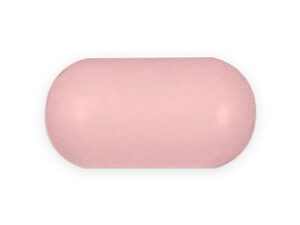
Loniten (Minoxidil) – Patient-Friendly Medicine Information (Australia)
Loniten is a brand of minoxidil, a medicine used to treat certain serious conditions. Minoxidil works by widening blood vessels and, in some forms, can also influence hair growth pathways. This page explains how Loniten works, how it is used, safety considerations, and practical tips for using minoxidil responsibly in Australia.
Important: Follow the instructions provided by your healthcare professional or pharmacist. Doses may vary depending on your condition, age, kidney function, and other medicines you take.
1. Basic product information
- Medicine name: Loniten (minoxidil)
- Active ingredient: Minoxidil
- Therapeutic class: Vasodilator (blood-vessel widening medicine)
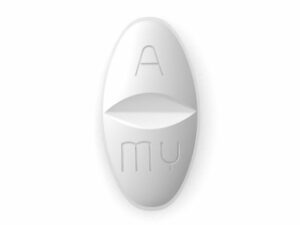
- Common formulations: Oral tablets (strengths vary by product availability)
- Who it is for: Typically adults with specific medical indications (see “Indications” below)
- Where it is used in Australia: Available through pharmacy channels; availability may vary by brand/strength and supply arrangements
2. How Loniten works (mechanism of action)
Minoxidil is a potent vasodilator. It helps relax the smooth muscle in blood vessel walls, leading to widened arteries and reduced resistance to blood flow.
In many patients, the cardiovascular effects occur with the following chain of events:
- Blood vessels relax → lower vascular resistance
- Blood pressure decreases (where indicated)
- In some people, the body may respond with increased heart rate or fluid/salt retention, which is why other medicines are sometimes used alongside minoxidil for certain conditions
Note: Loniten is the oral minoxidil medicine brand. Other minoxidil products (often topical) are used for hair-related indications, but their dosing and safety profile differ from oral minoxidil.
3. Pharmacokinetics (how the body handles minoxidil)
Pharmacokinetics describes what the body does to the medicine (absorption, distribution, metabolism, and elimination). While individual results can vary, the general pattern for minoxidil is:
- Absorption: Minoxidil is absorbed from the gastrointestinal tract after oral dosing.
- Protein binding: It is partly bound in the bloodstream; a portion is biologically active.
- Metabolism: Minoxidil is metabolised in the body (notably via pathways involving conjugation and further processing).
- Elimination: Metabolites are cleared mainly through urine.
- Onset and duration: The full effect for the intended condition may take days to weeks depending on the situation and concurrent therapy.
If you have kidney or liver impairment, your healthcare team may adjust monitoring or dosing.
4. Typical uses and indications
Loniten (oral minoxidil) is used for specific medical indications. In Australia, it is most commonly associated with treatment of:
- Refractory hypertension (high blood pressure that is difficult to control with other treatments), typically when other options are inadequate or not tolerated
Why “refractory” matters: Oral minoxidil can be highly effective but also carries important safety considerations (e.g., fluid retention, changes in heart rate, and monitoring needs). Because of this, it is generally not a first-choice option.
Hair loss note: Some people search for minoxidil for hair growth. Topical minoxidil products are commonly used for androgenetic alopecia, but oral Loniten is not the same product for that purpose. If you are considering minoxidil for hair, discuss which formulation is appropriate with a clinician.
5. Dosing – how Loniten is usually taken
Only your healthcare professional can confirm the correct dose for your personal situation. Below is general information about dosing patterns to help you understand what to expect.
Typical dosing approach
- Start low, go slow: Minoxidil is often started at a low dose and increased gradually based on blood pressure response and tolerability.
- Monitoring is essential: Blood pressure, heart rate, weight (for fluid retention), and symptoms are usually monitored.
- Combination therapy: Many patients are co-prescribed medicines to manage side effects such as salt/fluid retention and increased heart rate.
Common frequency
- Oral minoxidil is generally taken once or twice daily depending on the condition and individual plan. Some regimens may use twice-daily dosing to improve symptom control.
Missed dose
- If you miss a dose, take it when you remember unless it is close to the next scheduled dose.
- Do not double doses to make up for the missed tablet.
- If you are unsure, ask your pharmacist for advice based on your dosing schedule.
Practical tip: Keep a routine (e.g., morning and evening) and use a pill organiser or reminder app to reduce dosing errors.
6. Timing – when to take Loniten
Minoxidil tablets can usually be taken with or without food. Choose a schedule you can maintain consistently.
- Consistency is key: Take your dose at the same time(s) each day.
- Consider symptom timing: If you notice dizziness or palpitations after dosing, tell your clinician—your timing or dose may need adjustment.
- Blood pressure monitoring: If you are monitoring at home, record readings around the times your dose is taken so your clinician can interpret changes.
7. Food interactions and what to watch
Food may not significantly affect minoxidil absorption for many patients, but certain dietary factors can influence blood pressure and fluid balance.
Key points
- Salt (sodium) intake: Minoxidil can promote salt and fluid retention in some people. A diet high in sodium may worsen fluid retention and raise blood pressure in some cases.
- Hydration: Maintain appropriate fluid intake as advised by your healthcare team, especially if you have heart or kidney conditions.
Practical dietary tips
- Ask your clinician or dietitian whether you should follow a low-sodium diet.
- Check nutrition labels for hidden sodium (e.g., processed foods, sauces, takeaway meals).
- Weigh yourself regularly if you are advised to monitor fluid retention.
8. Alcohol and medicine interactions
Alcohol can increase the risk of dizziness, light-headedness, or low blood pressure when used with blood-pressure–lowering medicines.
- Use caution: If you drink alcohol, do so in moderation and avoid binge drinking.
- Stand up slowly: Minoxidil may contribute to orthostatic symptoms (feeling faint when standing).
- Know your limits: If you feel unwell after alcohol—especially with rapid pulse or severe dizziness—seek advice.
Seek urgent help if you experience chest pain, severe shortness of breath, fainting, or symptoms of a serious allergic reaction.
9. Interactions with other medicines
Minoxidil can interact with other medicines—especially those affecting blood pressure, heart rhythm, and fluid balance. Always provide a complete list of your medicines and supplements to your pharmacist.
Common interaction themes
- Other blood pressure medicines: May add to blood pressure lowering and increase dizziness or falls.
- Medicines that affect heart rate: Your heart rate may change with minoxidil; monitoring may be needed when combined with other cardiovascular drugs.
- Diuretics (water tablets): Many patients require a diuretic to help manage fluid retention; dose adjustments may be necessary.
- Sympathomimetic drugs and some stimulants: May affect heart rate or blood pressure response.
- Non-steroidal anti-inflammatory drugs (NSAIDs): In some patients, NSAIDs can reduce the effect of blood pressure medicines and can affect kidney function—discuss if you use regular NSAIDs.
Supplements and “natural” products
- Some herbal products and supplements may affect blood pressure or fluid balance.
- Examples of concern can include products marketed for “energy,” weight loss, or cardiovascular support—always check before starting.
If you’re unsure whether a specific product is compatible with Loniten, ask your pharmacist.
10. Safety profile – side effects and warnings
Like all medicines, Loniten (minoxidil) can cause side effects. Not everyone will experience them. Many effects are related to how minoxidil changes circulation and fluid balance.
Commonly reported side effects
- Fluid retention (swelling, weight gain)
- Salt/fluid retention leading to puffiness
- Increased heart rate (palpitations)
- Headache
- Dizziness, especially when standing
- Skin reactions (less common)
Important potential effects
- Changes in blood pressure: Too much lowering can lead to dizziness or fainting.
- Heart-related symptoms: Some people may experience worsening angina or other cardiovascular symptoms, especially if they have underlying heart disease.
- Electrolyte changes: When combined with diuretics, blood chemistry may change (your clinician may check potassium and other electrolytes).
When to seek urgent medical attention
- Chest pain, severe shortness of breath, fainting
- Severe dizziness or inability to stand
- Rapid or irregular heartbeat that doesn’t settle
- Sudden swelling of the face, lips, tongue, or throat (possible allergic reaction)
- Signs of severe fluid overload (rapid weight gain over a short time, severe swelling, breathing difficulty)
Who may need extra caution
- People with heart conditions
- People with kidney disease or reduced kidney function
- People with a history of electrolyte imbalance
- Older adults who may be more sensitive to dizziness and falls
Monitoring matters: Blood pressure checks, pulse monitoring, weight trends, and periodic blood tests may be recommended.
11. Practical use tips for Loniten
These tips can help you use Loniten more safely and get the best possible outcomes.
- Take it consistently: Set reminders and use a pill organiser.
- Monitor your blood pressure: If advised, measure at the same times each day (e.g., morning and evening) and keep a log.
- Track your weight: If you’re at risk of fluid retention, weigh yourself regularly and report rapid changes.
- Check your pulse: If you feel palpitations, note your heart rate and symptoms.
- Be careful when standing: If you feel light-headed, rise slowly from sitting or lying positions.
- Avoid sudden changes in salt intake: Follow dietary advice, especially if you were told to reduce sodium.
- Carry a medication list: Include your minoxidil dose and other cardiovascular medicines.
- Tell your dentist/other clinicians: Minoxidil is relevant to your overall cardiovascular care.
12. Alternative options
Because Loniten is often used for refractory hypertension, alternative treatments typically involve different classes of blood pressure medicines and supportive strategies. The “best” option depends on your diagnosis, comorbidities, and prior treatment response.
Possible alternative medication classes (discussion with your clinician)
- Other vasodilators (in certain cases)
- Diuretics (depending on kidney function and electrolyte status)
- ACE inhibitors or ARBs
- Calcium channel blockers
- Beta-blockers or other heart-rate–modifying medicines
- Combination regimens tailored to your readings
Non-medicine measures that can support control
- Reducing sodium and following heart-healthy dietary patterns
- Regular physical activity as recommended
- Maintaining a healthy weight
- Limiting alcohol and avoiding smoking
- Managing sleep apnoea if present
If Loniten is not suitable, your clinician can review which alternatives match your health profile.
13. Loniten in the Australian market – availability and legal context
In Australia, medicines are regulated through the Therapeutic Goods Administration (TGA). Access and supply depend on the medicine’s regulatory scheduling and manufacturer/distributor availability.
For online pharmacy purchasing, availability can vary by:
- Pack size and strength
- Current supply chain status
- Prescriber and dispensing requirements set by Australian regulations
How to ensure correct supply: When ordering, verify the strength and form (tablet strength and whether it is Loniten brand or generic minoxidil where applicable). Your pharmacist can help confirm you receive the correct product.
14. Recent guidance and monitoring expectations
While guidance can evolve, ongoing best-practice recommendations for minoxidil therapy commonly include:
- Regular blood pressure and pulse monitoring during dose changes
- Monitoring for fluid retention (including weight changes and swelling)
- Electrolyte and kidney function checks especially if diuretics are co-prescribed
- Reviewing other medications for interaction risk
If you have had recent changes in your blood pressure, symptoms (like palpitations), or other prescriptions, tell your clinician so your minoxidil plan can be safely updated.
15. Delivery and availability (online pharmacy)
Online pharmacy delivery in Australia typically involves:
- Checking stock and confirming the correct product strength
- Processing your order securely in line with Australian pharmacy requirements
- Dispatch timelines that can vary depending on local vs interstate supply
- Delivery monitoring using tracking services where available
Availability tip: If Loniten is temporarily unavailable, your pharmacist may be able to discuss alternate strengths or equivalent preparations, depending on medical appropriateness.
16. Quick reference: Loniten overview table
| Category | What to know |
|---|---|
| Brand / Active | Loniten / Minoxidil |
| Type | Oral vasodilator (blood-vessel widening medicine) |
| Primary use | Often for refractory hypertension (blood pressure difficult to control) |
| How it works | Relaxes vessel walls → reduces vascular resistance → lowers blood pressure |
| Timing | Usually once or twice daily; maintain a consistent daily routine |
| Food | Often can be taken with or without food; watch sodium/fluid balance |
| Alcohol | May increase dizziness/low blood pressure—use caution |
| Key risks | Fluid retention, increased heart rate, dizziness; urgent symptoms require help |
| Monitoring | Blood pressure/pulse and often weight/electrolytes depending on your plan |
17. FAQ – Frequently asked questions
Is Loniten the same as topical minoxidil for hair loss?
No. Loniten is an oral form of minoxidil and is used for medical indications (commonly resistant hypertension). Topical minoxidil products are different in dosing and risk profile. If you’re using minoxidil for hair concerns, discuss which product is appropriate.
How long does it take for Loniten to work?
Some effects may be noticed after starting, but the overall benefit for blood pressure control and symptom stability often takes days to weeks. Your clinician may adjust the dose gradually based on your response.
Can I take Loniten with food?
Generally, minoxidil tablets can be taken with or without food. If you find a particular time of day easier on your stomach or helps you remember, choose that routine—consistency is important.
Will I need other medicines while taking Loniten?
Many patients are prescribed additional medicines to manage expected effects such as fluid retention and increased heart rate. Do not stop or start other medicines without advice.
What should I do if I get dizzy after taking Loniten?
Dizziness can occur, especially when standing. Sit or lie down, stand up slowly, and avoid driving if you feel unsteady. Contact your pharmacist or clinician promptly—your dose or timing may need adjustment.
Does Loniten cause swelling or weight gain?
Fluid retention can happen. Monitor your weight if advised and report significant or rapid increases, especially if accompanied by shortness of breath or worsening swelling.
Can I drink alcohol while using Loniten?
It’s possible, but caution is recommended. Alcohol may worsen dizziness or lower blood pressure. If you choose to drink, keep it moderate and pay attention to how you feel.
Are there foods I should avoid?
A major consideration is sodium (salt) intake because minoxidil can promote salt and fluid retention. Follow any dietary advice given by your clinician and avoid sudden high-salt changes.
What happens if I miss a dose?
Take the missed dose when you remember unless it’s close to the next dose. Do not double up. If you’re unsure, ask your pharmacist for specific guidance.
When should I seek urgent help?
Seek urgent medical attention for chest pain, severe shortness of breath, fainting, severe dizziness, or signs of a serious allergic reaction (such as swelling of the face/lips/tongue or trouble breathing).
18. Summary
Loniten (minoxidil) is an oral vasodilator used for specific conditions, most notably refractory hypertension when other treatments are not sufficient. It works by relaxing blood vessels to lower resistance and blood pressure, but it can also cause side effects such as fluid retention and increased heart rate. Safe use typically includes careful dosing, monitoring, and attention to diet (especially salt), alcohol intake, and interactions with other medicines.
If you have questions about your supply, strength, timing, or how Loniten fits with your current medicine list, contact a pharmacist for tailored advice.