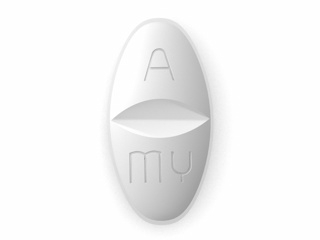

Toprol XL (Metoprolol) — Patient Information (Australia)
Toprol XL is a brand of metoprolol, a medicine used to treat certain heart and blood pressure conditions. It contains metoprolol in a controlled/extended-release (XL) form, designed to release the medicine gradually over the day.
This page explains what Toprol XL is, how it works, what it’s used for, how to take it, common safety considerations, and practical tips. If you have any questions about your specific situation, ask your doctor or pharmacist.
Quick facts
- Active ingredient: Metoprolol (extended-release / XL)
- Type of medicine: Beta-blocker
- How it’s taken: Usually once daily for many indications (follow your dosing plan)
- Common effects: Slower heart rate, lower blood pressure, reduced workload on the heart
- Key safety points: May cause dizziness, fatigue, slow pulse; use caution with certain drug combinations
What is Toprol XL?
Toprol XL is an extended-release tablet formulation of metoprolol. “XL” means the medicine is released slowly, helping provide steadier effects throughout the day compared with immediate-release forms.
It is used in adults for several cardiovascular conditions, depending on your diagnosis and overall health. Your dose is individualized based on the condition being treated and how you respond.
Mechanism of action (how it works)
Metoprolol is a beta-1 selective beta-blocker. It works primarily on beta-1 receptors in the heart. By blocking these receptors, metoprolol helps:
- Slow the heart rate (reducing the pulse)
- Reduce force of heart contraction (helping lower strain on the heart)
- Lower blood pressure and reduce oxygen demand of the heart
- Improve symptoms and outcomes in certain heart conditions over time
In people with angina (chest pain due to reduced blood flow), lowering the heart’s workload can help prevent symptoms. In heart failure (where appropriate), beta-blockers can improve function and survival when used correctly and gradually.
Pharmacokinetics (how the body processes it)
Pharmacokinetics describes absorption, distribution, metabolism, and elimination. The exact values can vary by person.
Absorption and release (XL formulation)
- Extended-release design: The XL tablet releases metoprolol gradually over time.
- Steadier levels: This can reduce peaks and troughs compared with immediate-release forms.
Onset
Many people notice effects such as slower heart rate within hours, but the full benefit (for example, for angina control or heart failure outcomes) can take days to weeks, depending on the condition and dose adjustments.
Metabolism and elimination
- Metabolism: Metoprolol is mainly metabolised in the liver by enzymes including CYP2D6.
- Elimination: Metabolites are excreted primarily via the kidneys.
- Variability: People with different genetic enzyme activity or liver function can show different blood levels.
Typical uses in Australia
Toprol XL (metoprolol XL) may be used for a range of cardiovascular indications. Common examples include:
- High blood pressure (hypertension)
- Angina pectoris (helping prevent chest pain)
- Some rhythm-related conditions where slowing heart rate helps (e.g., rate control in certain arrhythmias)
- Heart failure (as part of a broader treatment plan, often with gradual up-titration)
- After a heart attack (depending on clinical circumstances)
The exact indication and target dose depend on your diagnosis, current medications, and how your heart rate and blood pressure respond.
How and when to take Toprol XL
Timing
Toprol XL is commonly taken once daily. Many people find it helpful to take it at the same time each day. Your doctor may advise morning or evening dosing based on symptoms and blood pressure/heart rate patterns.
With or without food
Food generally has no major effect on the overall efficacy of metoprolol XL for most people. However, individual tolerance may vary (for example, some people feel less nausea if taken with food).
How to swallow
- Swallow whole with water.
- Do not crush or chew the extended-release tablet.
- If you have difficulty swallowing, ask your pharmacist about options; do not alter the tablet unless specifically instructed.
If you miss a dose
Take your dose as soon as you remember on the same day. If it is close to the time of your next dose, skip the missed dose and continue as normal. Do not take a double dose to make up for the missed one.
Food interactions
Metoprolol XL is generally not strongly affected by food. Still, consider the following:
- Grapefruit and grapefruit juice: Grapefruit more commonly affects some other medicines. For metoprolol, the impact is usually not as prominent as with certain other drugs, but if you frequently consume grapefruit products and notice side effects (dizziness, unusually low heart rate), discuss this with your pharmacist.
- Caffeine and energy drinks: These can increase heart rate or worsen palpitations, potentially counteracting your beta-blocker’s effect.
- Alcohol-containing drinks with meals: May add to lowering of blood pressure and increase dizziness (see also the alcohol section below).
If you notice symptoms after specific foods or beverages, it may help to track what you ate and when symptoms occurred and discuss with your clinician.
Alcohol interactions
Alcohol can increase dizziness or reduce blood pressure, especially when starting beta-blockers or increasing the dose. Combining alcohol with Toprol XL may also make you feel more light-headed when standing.
- Limit alcohol until you know how Toprol XL affects you.
- Be careful with activities requiring alertness, especially after drinking.
- If you have low blood pressure or a history of fainting, discuss alcohol use with your doctor.
Medicine interactions (important)
Metoprolol can interact with other medicines that affect heart rate, blood pressure, or liver enzymes. Always tell your pharmacist about your full list of medicines, including over-the-counter products and supplements.
Medicines that may increase slowing of the heart
- Other beta-blockers (avoid duplication unless specifically directed)
- Some calcium channel blockers (especially those that slow heart rate, such as verapamil or diltiazem)
- Digoxin (may increase risk of bradycardia or conduction problems)
- Antiarrhythmics (depending on the specific agent)
Medicines affecting metoprolol metabolism
Because metoprolol is metabolised partly by CYP2D6, drugs that inhibit this enzyme can increase metoprolol levels, potentially increasing side effects such as dizziness, fatigue, or slow pulse.
- Some antidepressants (e.g., certain SSRIs or other classes with CYP2D6 inhibition)
- Some antipsychotics
- Some antiarrhythmics or other medicines metabolised by similar pathways
Clonidine (if used)
If you are using clonidine, do not stop either medicine suddenly without medical guidance. Abrupt withdrawal of clonidine can cause blood pressure rebound; beta-blockers also need careful handling.
Diabetes medicines
Beta-blockers may mask some symptoms of low blood sugar (hypoglycaemia), such as fast heartbeat. They can also affect how you feel when blood glucose drops.
- Monitor glucose as advised.
- Learn how hypoglycaemia feels for you, not only based on heart-rate symptoms.
Non-steroidal anti-inflammatory drugs (NSAIDs)
NSAIDs (such as ibuprofen or naproxen) may, in some cases, reduce the blood pressure-lowering effect of some antihypertensives. This effect is not always significant, but if you regularly use NSAIDs, discuss with your pharmacist.
Other considerations
- Asthma or wheezing medicines: Metoprolol is beta-1 selective, but at higher doses or in sensitive individuals it may still affect breathing.
- Decongestants: Some cold and flu products (e.g., those containing pseudoephedrine or phenylephrine) can raise heart rate and blood pressure.
- Stimulants: Amphetamine-like stimulants may counteract rate and blood pressure effects.
Indications: who might be prescribed Toprol XL?
Toprol XL is used when slowing the heart rate and lowering cardiac workload or blood pressure is beneficial. Indications commonly include:
- Hypertension: helping lower high blood pressure and reduce cardiovascular risk.
- Angina: prevention of chest pain due to reduced blood flow.
- Rate control in certain arrhythmias: to keep heart rate within a safer range.
- Heart failure: improving symptoms and reducing hospitalisations and mortality when introduced gradually as part of guideline-based therapy.
- Post-heart attack management: in appropriate patients as part of secondary prevention strategies.
Your clinician will choose the dose and monitoring plan based on your baseline heart rate, blood pressure, kidney/liver function, and other medications.
Dosing guidance (general information)
The dose of Toprol XL varies by condition and patient factors. A common approach is to start at a lower dose and adjust gradually. Do not change your dose without advice.
| Condition (general) | Typical starting approach | Key monitoring |
|---|---|---|
| Hypertension | Often started low and adjusted based on blood pressure response | Blood pressure, heart rate, symptoms (dizziness, fatigue) |
| Angina | Titration may aim to reduce frequency/severity of chest pain | Heart rate, exercise tolerance, chest pain pattern |
| Heart failure | Start low and increase slowly over weeks to months (as tolerated) | Blood pressure, heart rate, worsening breathlessness, fluid retention |
| Arrhythmia rate control | Adjusted to achieve appropriate rate control | Pulse/ECG as needed, dizziness, fainting risk |
| Post-heart attack (as applicable) | Often initiated within a clinical treatment plan | Heart rate, blood pressure, tolerance |
Important: Some doses may be available in different strengths (for example 25 mg, 47.5 mg, 50 mg, 100 mg, depending on supply). Always follow your exact tablet strength and instructions on your label.
Never stop suddenly
Stopping beta-blockers abruptly can lead to rebound fast heart rate, increased blood pressure, and worsening angina. If you need to stop, your doctor will usually reduce the dose gradually.
Safety profile and side effects
Common side effects
- Fatigue or tiredness
- Dizziness or light-headedness (especially when standing)
- Slow heart rate (bradycardia)
- Cold hands and feet
- Sleep disturbance or vivid dreams
- Nausea in some people
Less common but important effects
- Low blood pressure
- Worsening breathlessness in people with asthma or significant wheezing (rare, but important)
- Electrolyte or blood sugar concerns in diabetes (beta-blockers may mask hypoglycaemia symptoms)
- Skin reactions (rashes are uncommon)
- Sexual side effects can occur with some beta-blockers
Seek urgent medical help if
- Fainting or near-fainting
- Severe dizziness, confusion, or very slow pulse
- New or worsening chest pain
- Severe shortness of breath or wheezing
- Signs of allergic reaction (swelling of face/lips, hives, difficulty breathing)
Who should use extra caution?
Discuss Toprol XL carefully with a clinician if you have:
- Very slow heart rate, heart block, or certain rhythm disorders
- Asthma or chronic obstructive lung disease
- Uncontrolled heart failure symptoms
- Low blood pressure or history of fainting
- Diabetes
- Significant liver impairment (may change drug levels)
- Use of multiple medicines that affect heart rate
Practical use tips
- Check your pulse and blood pressure: Especially during the first weeks or after dose changes, monitoring can help detect excessive slowing or low blood pressure.
- Rise slowly: If you feel light-headed, stand up gradually from sitting/lying positions.
- Keep consistent with dosing time: Because it’s extended-release, regular timing supports stable effects.
- Use a medication routine: Link the dose to a daily habit (e.g., after breakfast) or set a reminder.
- Be careful with “cold and flu” products: Some decongestants can affect heart rate and blood pressure.
- Don’t skip follow-up: Dose titration often requires periodic review of symptoms and vital signs.
Alternative options
Depending on your diagnosis, your clinician may consider other treatments or different beta-blocker formulations. Alternatives include:
Other beta-blockers
- Metoprolol immediate-release (different release profile)
- Bisoprolol
- Atenolol
- Carvedilol (often used in heart failure; not the same as metoprolol)
Non-beta-blocker alternatives
- ACE inhibitors or ARBs (common in hypertension and heart failure)
- Calcium channel blockers
- Diuretics (especially in fluid retention for heart failure)
- Antianginal medicines such as nitrates or other agents
The best alternative depends on why you’re taking Toprol XL and how you respond to therapy. Ask your doctor or pharmacist before switching medicines or formulations.
Market and legal context for Australia
In Australia, medicines are regulated and supplied according to Australian regulatory requirements. Availability, prescribing rules, and packaging standards vary depending on the product and classification under the relevant legislation and scheduling.
For the most current information, refer to guidance from Australian health authorities and product-specific information. If you are unsure about eligibility to buy or use a medicine, a pharmacist can help confirm what applies in your situation.
Recent guidance and monitoring (general)
Clinical practice typically emphasises:
- Individualised titration of beta-blockers (especially for heart failure) with careful follow-up.
- Monitoring for blood pressure and heart rate changes during dose adjustments.
- Recognising drug interactions that can increase risk of bradycardia or conduction issues.
- Avoiding abrupt withdrawal of beta-blockers.
Local treatment guidelines and safety advisories can evolve. Your clinician can confirm what is current for your condition.
Delivery and availability
Many online pharmacies in Australia provide medicine delivery to eligible customers, subject to regulatory requirements and product availability. Delivery times can vary by location and stock status.
- Stock availability: Extended-release medicines may occasionally have short-term supply changes.
- Packaging: Medicines are usually dispatched in tamper-evident packaging according to supply standards.
- Cold-chain needs: Toprol XL tablets do not typically require refrigeration.
- Receipt checks: On arrival, confirm the tablet strength and expiry date match what you ordered.
If you need help with delivery timing or managing missed deliveries, contact the pharmacy’s support team.
FAQ
1) What is Toprol XL used for?
Toprol XL (metoprolol XL) is used for cardiovascular conditions such as high blood pressure, angina, and (for appropriate patients) certain arrhythmias and heart failure. The exact reason depends on your diagnosis.
2) Is Toprol XL taken once a day?
Many people take Toprol XL once daily because it is an extended-release tablet. Always follow the dosing schedule provided with your product label and your clinician’s plan.
3) Can I crush or split Toprol XL tablets?
Extended-release tablets are generally intended to be swallowed whole. Do not crush or chew unless a pharmacist or clinician specifically tells you it’s safe for your exact product.
4) How long until it starts working?
Some effects (like a slower heart rate) may occur within hours. Longer-term benefits (such as reduced angina frequency or improved heart failure outcomes) typically develop over days to weeks, alongside dose adjustments.
5) Will Toprol XL lower my heart rate too much?
It can slow the heart rate. If your pulse becomes very low or you experience dizziness, fainting, unusual weakness, or severe fatigue, seek medical advice promptly. Dose adjustments may be needed.
6) What should I do if I miss a dose?
Take it when you remember unless it’s close to the next dose time. Skip the missed dose if you’re near the next scheduled dose and do not double up.
7) Can I drink alcohol while taking Toprol XL?
Alcohol may increase dizziness and lower blood pressure. It’s best to limit alcohol and be cautious, especially when starting or increasing the dose. If you have low blood pressure or dizziness, discuss alcohol with your clinician.
8) Are there foods I should avoid?
There are generally no strict food restrictions for metoprolol XL. However, grapefruit, caffeine/energy drinks, and decongestant-containing products can influence heart rate and symptoms in some people.
9) What medicines commonly interact with metoprolol?
Interactions can occur with other medicines that slow heart rate (certain calcium channel blockers, digoxin, antiarrhythmics), and with drugs that affect liver enzymes involved in metoprolol metabolism. Tell your pharmacist about all medicines and supplements you take.
10) What are the warning signs that mean I should get help urgently?
Contact urgent care if you faint, have severe dizziness, experience worsening chest pain, develop severe shortness of breath or wheezing, or have signs of an allergic reaction.
11) What are the safest practical ways to manage side effects?
Rise slowly, monitor pulse and blood pressure if advised, stay consistent with daily timing, and report persistent or concerning symptoms to your pharmacist or doctor. Don’t stop Toprol XL suddenly without medical guidance.
Key takeaways
- Toprol XL is an extended-release beta-blocker containing metoprolol.
- It helps by slowing heart rate and reducing the heart’s workload, lowering blood pressure when appropriate.
- It’s often taken once daily; swallow tablets whole.
- Common issues include dizziness and fatigue; important risks include very low heart rate or blood pressure.
- Alcohol and some drug combinations can increase side effects—check interactions with your pharmacist.
- Do not stop suddenly; dose changes should be guided by your clinician.