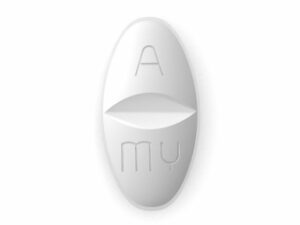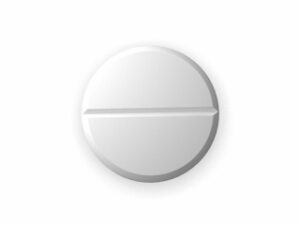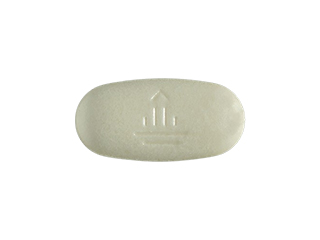


Telmisartan (Australia) – Patient-Friendly Information
Telmisartan is a widely used medicine for controlling high blood pressure and for reducing the risk of certain cardiovascular events in some adults. It belongs to a class called angiotensin II receptor blockers (ARBs). Many people benefit from telmisartan’s smooth, once-daily effect and generally well-tolerated safety profile.
This guide explains how telmisartan works, how it’s taken, what to watch for, and practical tips to help you use it safely and effectively in everyday life in Australia.
Basic Product Information
| Item | Details |
|---|---|
| Generic name | Telmisartan |
| Medicine type | Angiotensin II receptor blocker (ARB) |
| Common strengths | Often 20 mg, 40 mg, and 80 mg tablets (brand/strength may vary) |
| How it’s usually taken | By mouth, commonly once daily |
| Typical storage | Store below 30°C (follow pack instructions); keep out of sight and reach of children |
| Who it’s for | Adults for hypertension; selected adults to reduce cardiovascular risk |
How Telmisartan Works (Mechanism of Action)
Telmisartan helps lower blood pressure by blocking the effects of angiotensin II, a hormone that narrows blood vessels and raises blood pressure.
- ARB action: Telmisartan selectively blocks the angiotensin II (type 1) receptor (AT1 receptors).
- Blood vessel relaxation: This reduces tightening of blood vessels, helping blood flow more easily.
- Lower pressure and strain: Reduced vessel resistance can decrease the workload on the heart.
For some people with established cardiovascular disease or high risk, telmisartan may help reduce the likelihood of cardiovascular events.
Pharmacokinetics (How the Body Handles Telmisartan)
Pharmacokinetics explains what the body does to a medicine (absorption, distribution, metabolism, and elimination). Understanding these can help explain dosing consistency and timing.
- Absorption: Telmisartan is absorbed after oral administration. Peak blood levels typically occur within a few hours.
- Food effects: Food may slightly reduce the amount absorbed, but the effect on overall blood pressure control is usually manageable with once-daily dosing.
- Distribution: Telmisartan is highly protein-bound, which can influence how it behaves in the bloodstream.
- Metabolism: It is mainly processed by the liver through glucuronidation (it does not rely heavily on certain drug-metabolising enzymes, which can reduce some interaction risks).
- Elimination: Telmisartan is eliminated largely through the bile/faeces pathway, with minimal renal excretion.
- Duration: Its receptor-binding behaviour supports once-daily use in many patients.
Note: Individual responses vary depending on kidney function, liver health, age, and other medicines.
Typical Uses and Indications
Telmisartan is used in adults for:
- Hypertension (high blood pressure): To reduce elevated blood pressure and lower long-term cardiovascular risk.
- Reduction of cardiovascular risk: In certain adults who are at high risk of cardiovascular events, as directed by local prescribing guidance and clinical assessment.
Your doctor may decide whether telmisartan is appropriate based on your medical history, blood pressure readings, kidney function, and other risk factors.
When and How to Take Telmisartan (Timing & Dosing)
Typical dosing approach
Telmisartan is commonly taken once daily. Doses may vary by the condition being treated and your response.
- Hypertension: Common starting doses may be 20 mg or 40 mg once daily; the dose may be increased (e.g., up to 80 mg once daily) depending on blood pressure response.
- Cardiovascular risk reduction: Often 80 mg once daily in adults, based on clinical criteria.
Important: Always follow the dosing instructions on your medicine label and the plan provided by your healthcare professional.
Timing (morning or evening?)
Telmisartan can generally be taken at any time of day, but consistency matters.
- Choose a time you can reliably remember.
- Many people prefer morning or evening routines tied to a meal or bedtime.
- If you get light-headedness, consider discussing whether taking it at a different time or alongside food could help—do not change dose without advice.
How to take the tablet
- You may take telmisartan with or without food.
- If you miss a dose, take it when you remember unless it’s close to your next dose. Do not double up.
Food Interactions
Telmisartan may have reduced absorption when taken with food, particularly larger meals. In most patients, this does not significantly affect effectiveness, but it can contribute to variability.
- Consistency helps: Try to take telmisartan the same way each day (e.g., always with a light meal or always on an empty stomach) if possible.
- High-risk situations: If your blood pressure is hard to control, discuss food timing consistency with your healthcare professional.
There are no known “forbidden” foods with telmisartan, but general dietary advice for hypertension (such as limiting excess salt) still applies and can enhance results.
Alcohol and Telmisartan Interactions
Alcohol can affect blood pressure regulation. When combined with telmisartan, alcohol may increase the likelihood of:
- Light-headedness or dizziness
- Faintness, especially when standing up quickly
- Potential worsening of low blood pressure symptoms
If you drink alcohol:
- Start with small amounts to see how you respond.
- Avoid heavy drinking, especially in hot weather or when dehydrated.
- Stay well hydrated.
If you experience persistent dizziness or near-fainting, seek medical advice.
Medicine Interactions (Commonly Relevant Combinations)
Telmisartan can interact with other medicines in ways that may increase side effects or affect kidney function or potassium levels. Below are key interaction categories to be aware of.
1) Medicines that increase potassium
- Potassium supplements
- Potassium-sparing diuretics (e.g., spironolactone, eplerenone)
- Some salt substitutes (often contain potassium)
Risk: Telmisartan may raise potassium levels. Too much potassium can be dangerous, especially for people with kidney disease. Regular blood tests may be recommended.
2) NSAIDs (pain and inflammation medicines)
- Examples include ibuprofen, naproxen, and diclofenac
Using ARBs (like telmisartan) with NSAIDs—particularly in older adults or people with kidney problems—may raise the risk of kidney impairment. Dehydration increases risk.
3) Diuretics (“water tablets”)
Combining telmisartan with diuretics can further lower blood pressure and may require careful monitoring, especially during dose changes.
4) Lithium
Telmisartan can increase lithium levels in some cases. If you take lithium, you’ll need close monitoring.
5) Other blood pressure medicines
Other antihypertensives (such as calcium channel blockers or beta-blockers) may be used together, but blood pressure should be monitored to avoid low blood pressure.
6) Diabetes medicines
Telmisartan may affect insulin sensitivity indirectly. People with diabetes should monitor glucose as advised and report unexpected changes.
Always tell your pharmacist or healthcare professional about all medicines and supplements you use—especially herbal products and over-the-counter pain relief.
Safety Profile and Side Effects
Like all medicines, telmisartan can cause side effects. Many people experience none or only mild effects. Side effects can be influenced by dose, kidney function, fluid intake, and other medicines.
Common side effects
- Dizziness or light-headedness
- Fatigue
- Headache
- Upper respiratory symptoms (e.g., sore throat, cough)
Less common but important
- Low blood pressure (especially after starting or increasing dose)
- High potassium levels (more likely with kidney impairment or potassium-raising medicines)
- Changes in kidney function (monitoring may be needed)
Seek urgent medical help if you have
- Signs of a severe allergic reaction: swelling of the face/lips, difficulty breathing, or severe rash
- Severe dizziness or fainting
- Symptoms of very high potassium (may include unusual muscle weakness or abnormal heart rhythm—usually detected via blood tests)
Who needs extra caution
- People with kidney disease or reduced kidney function
- People with dehydration (e.g., vomiting, diarrhoea, excessive sweating)
- Those with low blood volume or low baseline blood pressure
- People taking medicines that affect potassium
- People with liver impairment (telmisartan is metabolised in the liver)
Practical Use Tips (Getting the Best Results)
- Measure blood pressure regularly: Use a home monitor and track readings. Report persistent high readings to your healthcare professional.
- Don’t skip routine monitoring: Blood tests may be needed to check kidney function and potassium, especially after starting or dose changes.
- Stay hydrated: Dehydration increases the chance of dizziness and kidney-related side effects.
- Be cautious during illness: If you have vomiting/diarrhoea or can’t drink normally, your clinician may temporarily adjust medicines—follow your care plan.
- Move slowly: If you feel light-headed, stand up slowly from sitting or lying.
- Keep tablets consistent: Use the same brand/strength when possible unless your clinician advises otherwise.
Adherence matters: Blood pressure control is usually best when telmisartan is taken at the same time each day.
Alternative Options
If telmisartan isn’t suitable (for example, due to side effects, interactions, or inadequate blood pressure control), doctors may consider other treatment options. Alternatives depend on your overall health and risk factors.
Within the same medicine class (ARBs)
- Examples include losartan, valsartan, irbesartan, and candesartan.
Other antihypertensive classes
- ACE inhibitors (e.g., perindopril, enalapril)
- Calcium channel blockers (e.g., amlodipine)
- Thiazide-like diuretics (e.g., indapamide)
- Beta-blockers (e.g., metoprolol) in selected cases
Important: If you switch between medicines, dosing and monitoring plans may change. Always seek personalised advice.
Market & Legal Context in Australia
In Australia, medicines are supplied under regulation designed to ensure safe access and appropriate use. Telmisartan is an established prescription medicine listed and governed within Australia’s medicines framework.
Key points for consumers:
- Australia follows medicines scheduling and dispensing rules; supply typically requires appropriate assessment and adherence to local requirements.
- Approved products must meet Australian regulatory standards for quality, safety, and efficacy.
- Online pharmacies in Australia typically provide consumer education and clear product information, and may require relevant documentation depending on the medicine type and Australian law.
Always check: the label and accompanying information for your specific product and strength, and ensure you understand how to use it.
Recent Guidance and Clinical Considerations
For hypertension and cardiovascular risk management, clinical practice in Australia generally emphasises:
- Regular blood pressure monitoring and risk assessment
- Assessment of kidney function and electrolytes (including potassium) when starting or adjusting renin–angiotensin system medicines such as ARBs
- Individualised therapy based on comorbidities (e.g., diabetes, chronic kidney disease, heart disease)
- Medication safety during intercurrent illness (dehydration risk)
Guidance can be updated over time; your healthcare professional may follow the latest recommendations from Australian and international bodies. If you have questions about monitoring schedules or suitability, discuss them with your clinician or pharmacist.
Delivery, Availability & What to Expect from an Online Pharmacy
Availability of telmisartan can vary by strength and brand. Online pharmacies often keep common strengths in stock, while others may be sourced based on demand.
Typical delivery expectations (may vary by provider):
- Standard shipping timeframes within Australia depend on your location.
- Orders are usually packed with protective materials and clear labelling.
- Keep the medicine in its original packaging to maintain dosing information and expiry details.
What to check on arrival:
- The correct name and strength
- The expiry date
- That the tablets appear intact and unaffected
If anything is missing or incorrect, contact the pharmacy promptly.
Frequently Asked Questions (FAQ)
1) What is telmisartan used for?
Telmisartan is used to treat high blood pressure. In some adults, it may also be used to reduce cardiovascular risk as part of an overall risk-management plan.
2) How quickly does telmisartan work?
Blood pressure lowering can begin within hours, but the full effect may take several weeks as your body adjusts and as dose changes settle.
3) Should I take telmisartan with food?
It can generally be taken with or without food. Because food may slightly reduce absorption, choosing a consistent routine can be helpful.
4) Can I drink alcohol while taking telmisartan?
Moderate alcohol may be tolerated by many people, but alcohol can increase dizziness or low blood pressure. Avoid heavy drinking and be cautious, especially when starting or changing dose.
5) What blood tests are commonly monitored?
Clinicians often check kidney function (creatinine/eGFR) and potassium levels, particularly after starting treatment or increasing the dose.
6) What should I do if I miss a dose?
Take it when you remember unless it’s nearly time for the next dose. Do not double up. If you’re unsure, ask your pharmacist for advice based on your timing.
7) Is telmisartan safe for everyone?
Not everyone should use telmisartan. Extra caution is needed for people with kidney impairment, dehydration, certain potassium-raising medicines, and some liver conditions. Discuss your health history with a pharmacist or clinician.
8) What are warning signs that I should contact a healthcare professional?
Contact a healthcare professional promptly if you experience severe dizziness, fainting, swelling or difficulty breathing (possible allergy), or symptoms that could suggest significant changes in blood pressure, kidney function, or potassium levels.
9) Can telmisartan be taken with other common medicines?
Telmisartan may be used with many medicines, but interactions can occur—particularly with NSAIDs, potassium supplements, potassium-sparing diuretics, lithium, and other blood pressure medicines. Always check with a pharmacist.
10) What lifestyle changes can help alongside telmisartan?
For best results, many people benefit from:
- Reducing salt intake
- Maintaining a healthy weight
- Regular physical activity
- Limiting alcohol
- Stopping smoking (if relevant)
- Managing diabetes and cholesterol when applicable
Summary
Telmisartan is an ARB medicine used in Australia to treat high blood pressure and, in selected adults, to reduce cardiovascular risk. It works by blocking the hormone angiotensin II at AT1 receptors, helping blood vessels relax and lowering blood pressure. It is typically taken once daily, with food having only a modest effect on absorption.
To use telmisartan safely, be mindful of dizziness, dehydration, and potential interactions—especially with NSAIDs and medicines that affect potassium. Regular monitoring of kidney function and potassium may be recommended, particularly when starting or adjusting therapy.
If you have questions about whether telmisartan suits you, or how to take it alongside your other medicines, consult your pharmacist or healthcare professional.