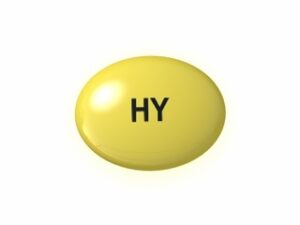

Hyzaar (Losartan / Hydrochlorothiazide) – Patient Information (Australia)
Hyzaar is a combination medicine used to help control high blood pressure (hypertension). It contains two medicines with complementary actions: losartan and hydrochlorothiazide. Together, they lower blood pressure more effectively than either medicine alone for many people.
This page is written to help you understand how Hyzaar works, how to take it safely, what to expect, and what to discuss with your healthcare professional.
Basic Product Information
- Medicine name: Hyzaar
- Ingredients: Losartan + Hydrochlorothiazide
- Class (general): Angiotensin II receptor blocker (ARB) + thiazide diuretic (“water tablet”)
- Common strengths: Often available in combinations such as 50/12.5 mg, 100/12.5 mg (exact strengths may vary by product/market)
- How it works: Relaxes blood vessels (losartan) and helps the kidneys remove excess salt and water (hydrochlorothiazide)
Availability in Australia: Hyzaar is an established medicine and may be supplied through pharmacies, with availability depending on stock and your prescriber’s direction.
What Hyzaar Is Used For (Typical Use)
Hyzaar is mainly used to treat high blood pressure when a combination approach is appropriate.
In some people, it may also be used as part of an overall plan to reduce cardiovascular risk, depending on individual circumstances and clinical guidance.
Indications (When it’s appropriate)
- Hypertension (high blood pressure): Especially when blood pressure is not controlled adequately with lifestyle measures alone or with one medicine.
- Combination therapy: When both an ARB and a diuretic are needed to reach target blood pressure.
How Hyzaar Works (Mechanism of Action)
Hyzaar combines two medicines that work in different ways to lower blood pressure:
-
Losartan (ARB):
Losartan blocks angiotensin II, a substance in the body that tightens blood vessels and raises blood pressure. By blocking its effect, blood vessels relax, and blood pressure decreases.
-
Hydrochlorothiazide (thiazide diuretic):
Hydrochlorothiazide helps the kidneys remove more sodium (salt) and water. This reduces circulating fluid volume and lowers blood pressure over time.
Why the combination helps: The ARB and diuretic can balance each other’s effects on salts and fluid levels, improving blood pressure control for many patients.
Pharmacokinetics (How the Body Processes Hyzaar)
Pharmacokinetics describes how the body absorbs, distributes, metabolises, and eliminates medicine.
General overview
- Absorption: Both components are absorbed after oral dosing. Food may influence the speed of absorption, but overall exposure is generally not dramatically reduced.
- Onset: Blood pressure lowering typically begins within hours. The full effect may take several weeks.
- Metabolism: Losartan is metabolised in the body to form an active metabolite.
- Elimination: Both components are eliminated mainly via the kidneys (with additional handling by the body for losartan and its metabolites).
Kidney and liver considerations: People with impaired kidney function may require closer monitoring. Kidney and electrolyte tests are often part of safe use.
How to Take Hyzaar (Timing and Practical Advice)
Timing matters for comfort and side effects. Many people find it helpful to take their diuretic earlier in the day.
Typical dosing schedule
- Usually once daily, at the same time each day.
- Take in the morning if you notice increased urination (this reduces the chance of waking at night).
- If you are unsure, follow the instructions provided by your healthcare professional or pharmacist.
What if you miss a dose?
- If you remember soon after, take the missed dose.
- If it is close to your next dose, skip the missed dose and resume your regular schedule.
- Do not double up to make up for a missed dose.
Practical use tips
- Monitor blood pressure: Home blood pressure readings can help confirm whether the medicine is working.
- Stay hydrated sensibly: Since hydrochlorothiazide increases urination, dehydration can make dizziness more likely.
- Be consistent: Take the dose the same way each day for best results.
- Keep an eye on electrolytes: Thiazide diuretics can affect potassium, sodium, magnesium, and calcium levels.
Food Interactions
Hyzaar can generally be taken with or without food. However:
- Food may affect absorption speed (how quickly the medicine levels rise), which usually doesn’t change overall effectiveness for most people.
- To reduce stomach upset (if it occurs), some people prefer taking it with food.
Salt intake: While there’s no strict “salt-free” requirement for everyone, a diet that’s lower in salt may improve blood pressure control. Your healthcare professional or dietitian can advise on realistic dietary changes.
Alcohol and Medicine Interactions
Alcohol can increase the blood-pressure-lowering effect and may worsen dizziness, lightheadedness, or fainting—especially when you first start Hyzaar or when the dose changes.
- Consider limiting alcohol, particularly if you experience dizziness.
- Be careful when standing up quickly.
Dehydration risk: Alcohol can contribute to dehydration in some situations (e.g., hot weather), which may increase the chance of side effects related to diuretics.
Interactions With Other Medicines (Important)
Hyzaar can interact with several commonly used medicines. Always tell your healthcare professional or pharmacist about everything you take, including over-the-counter products and supplements.
Key interaction categories
-
Other blood pressure medicines:
May increase risk of low blood pressure or dizziness.
-
Diuretics (“water tablets”) or medicines affecting fluid balance:
Can further influence electrolytes and blood pressure.
-
Potassium supplements or potassium-sparing medicines:
Hyzaar can affect potassium levels; depending on your overall situation, potassium may rise or fall. Monitoring is important.
-
Non-steroidal anti-inflammatory drugs (NSAIDs) (e.g., ibuprofen, naproxen, diclofenac):
Frequent or high-dose NSAID use can reduce blood pressure control and affect kidney function in some people, especially when combined with medicines that affect the renin-angiotensin system.
-
Medicines that raise potassium (examples may include certain heart or kidney medicines):
May increase the risk of high potassium, depending on your kidney function and other factors.
-
Lithium:
May have increased effects when combined with ARBs; monitoring may be needed.
-
Diabetes medicines:
Hydrochlorothiazide can affect blood sugar control in some people, and diabetes medicines may need adjustment.
-
Gout medicines:
Hydrochlorothiazide can raise uric acid and may trigger gout in susceptible individuals.
-
Colestipol/colestyramine (bile acid binders):
May reduce absorption of hydrochlorothiazide.
Check before you start new products: If you’re prescribed antibiotics, antifungals, antiarrhythmics, or start a new supplement, confirm with a pharmacist whether any specific spacing or monitoring is recommended.
Dosing (General Information)
Dose is individualised based on your blood pressure, response, kidney function, and your current medicines. Typical guidance for combination therapy may involve:
- Starting at a lower strength if you are prone to dizziness or have kidney concerns.
- Titrating to a higher strength if blood pressure is not controlled.
Do not change your dose without advice. If your blood pressure is too low or you have side effects, your healthcare professional may adjust the dose or consider an alternative.
Monitoring often includes: blood pressure, kidney function (creatinine/eGFR), and electrolytes (sodium, potassium, and others), particularly shortly after starting or changing the dose.
Safety Profile (What to Watch For)
Most people tolerate Hyzaar well, but like all medicines, it can cause side effects. Some are more common at the beginning or after dose changes.
Common side effects
- Dizziness or lightheadedness
- Increased urination (more noticeable early in treatment)
- Headache
- Fatigue
- Muscle cramps (may relate to electrolyte changes)
Less common but important side effects
- Low blood pressure (especially when standing up)
- Electrolyte changes (e.g., low sodium or low potassium; sometimes high potassium depending on the overall regimen)
- Kidney function changes (usually monitored with blood tests)
- Gout flares (in people predisposed to gout)
- Increased blood sugar or changes in glucose control
- Rash or signs of allergic reaction (rare)
Seek urgent medical help if you get
- Swelling of the face, lips, tongue, or throat or trouble breathing (possible serious allergic reaction/angioedema)
- Severe dizziness, fainting, or signs of dehydration
- Severe weakness, confusion, or abnormal heartbeat (possible significant electrolyte disturbance)
- Yellowing of skin/eyes or severe abdominal pain (rare liver-related warning signs)
Warnings and Precautions
Kidney and dehydration risk
Because hydrochlorothiazide can increase urine output and because ARBs affect kidney blood flow, kidney function and hydration status can be affected—particularly if you are dehydrated (e.g., vomiting, diarrhoea, or during heat exposure).
- Contact your healthcare professional if you develop significant vomiting or diarrhoea.
- Ask about “sick day” advice if you have chronic conditions or are at higher risk.
Electrolyte imbalance
Hyzaar can change levels of sodium and potassium. Blood tests help detect this early.
Diabetes and gout
- People with diabetes may need more frequent glucose monitoring early on.
- People with a history of gout may experience flares; your clinician may monitor uric acid and advise preventive strategies.
Sun sensitivity
Thiazide diuretics can increase sensitivity to sunlight in some people. Consider:
- Using sunscreen and protective clothing
- Limiting prolonged sun exposure
Alternative Options (Discuss With Your Pharmacist or Clinician)
Depending on your blood pressure goals and medical history, there are other ways to treat hypertension:
Medication alternatives
- Single-agent therapy: ARBs alone (e.g., losartan or other ARBs) or thiazide diuretics alone.
- Other combination therapies: ARB + other classes, such as calcium channel blockers, or ACE inhibitor + diuretic (choice depends on tolerability and safety).
- Other diuretic types: If thiazides are not suitable, your clinician may consider different diuretic options.
Non-medication support
- Reducing salt intake
- Regular physical activity
- Maintaining a healthy weight
- Limiting alcohol
- Smoking cessation (if relevant)
Your healthcare professional can help determine which option best matches your health profile, side effect risks, and blood pressure response.
Market and Legal Context for Australia
In Australia, access to medicines is regulated through the Australian Register of Therapeutic Goods (ARTG). Hyzaar is typically supplied through appropriate pharmacy channels in line with Australian prescribing and dispensing rules.
In practical terms, this means:
- Availability may vary by brand stock and location.
- Pharmacists may substitute with an equivalent product only when it is permitted and clinically appropriate.
- Medicine safety information (including product details and consumer medicine information) should be available through your pharmacist.
Recent guidance and monitoring: Hypertension management in Australia generally aligns with established national and international recommendations. Current best practice emphasises regular blood pressure monitoring, appropriate laboratory testing (especially kidney function and electrolytes), and review of cardiovascular risk. Guidance may also highlight careful use in populations at higher risk for kidney issues or electrolyte disturbances.
Important: If you are pregnant or planning pregnancy, or if pregnancy is possible, speak with your healthcare professional promptly, because some blood pressure medicines (including ARBs) may be unsuitable in pregnancy.
Delivery and Availability (Online Pharmacy Information)
Online pharmacies in Australia commonly offer:
- Home delivery to metropolitan and regional areas (delivery time varies by provider and your location).
- Order tracking once dispatched.
- Product availability checks if a specific strength or pack size is temporarily out of stock.
Storage: Store Hyzaar according to the package instructions (typically at room temperature, away from excessive heat and moisture). Keep out of reach of children.
If you need help choosing the correct strength or pack size, contact your pharmacist before placing an order.
Recent Safety Notes (General Awareness)
While Hyzaar has been widely used, the key safety messages for patients remain consistent across medicines in this class:
- Follow recommended dose timing and do not miss doses without advice.
- Have blood tests when your clinician requests them (especially soon after starting or adjusting dose).
- Tell healthcare professionals about all medicines you take, including NSAIDs, supplements, and potassium-related products.
- Be cautious during illness that causes vomiting/diarrhoea or dehydration.
FAQ – Hyzaar (Losartan / Hydrochlorothiazide)
1) How quickly will Hyzaar lower my blood pressure?
Hyzaar can begin lowering blood pressure within hours to days, but the full effect may take several weeks. Consistent daily use is important, and dose adjustments are usually guided by repeated blood pressure readings.
2) Should I take Hyzaar in the morning or at night?
Because hydrochlorothiazide can increase urination, many people prefer taking Hyzaar in the morning to reduce nighttime trips to the bathroom. If your healthcare professional has advised a different schedule, follow that advice.
3) Can I take Hyzaar with food?
Yes. Hyzaar can generally be taken with or without food. If it upsets your stomach, taking it with food may help.
4) What foods should I avoid?
There are no specific “forbidden” foods, but a lower-salt diet may improve blood pressure control. Avoid excessive use of salt substitutes that contain potassium unless your clinician has told you it’s safe.
5) Does Hyzaar affect potassium?
Yes, it can. Hydrochlorothiazide may lower potassium, while ARB therapy can increase potassium in some circumstances. The net effect varies between individuals and depends on kidney function and other medicines, so blood tests are often recommended.
6) Can I drink alcohol while taking Hyzaar?
Alcohol may increase the risk of dizziness or low blood pressure. If you choose to drink, do so in moderation and avoid heavy drinking—especially when starting or after changing the dose.
7) Are there common side effects that should settle?
Dizziness and increased urination may be more noticeable at the start and often improve. If side effects are persistent, severe, or worsening, contact your healthcare professional.
8) What should I do if I feel dizzy?
Sit or lie down, especially if you feel faint. Check your blood pressure if possible. If dizziness is frequent or severe, seek medical advice—your dose may need adjustment and dehydration should be considered.
9) Can I take ibuprofen or other painkillers?
NSAIDs such as ibuprofen may interact with medicines that affect kidney function and blood pressure control. Occasional use may be appropriate for some people, but frequent use should be discussed with a pharmacist or clinician, particularly if you have kidney issues or are dehydrated.
10) What if I miss a dose?
Take it when you remember unless it’s close to the next dose. Do not double up.
11) Is Hyzaar safe for everyone?
No. People with certain kidney problems, significant electrolyte imbalances, or specific health situations may need extra monitoring or alternative treatment. Always review your health history with a healthcare professional.
12) What are alternatives if Hyzaar doesn’t suit me?
Your clinician may consider a different combination, a single-agent ARB, a different diuretic, or a therapy from another blood pressure class, depending on your response and side effects.
Summary
Hyzaar (losartan / hydrochlorothiazide) is a combination medicine that lowers blood pressure by relaxing blood vessels (losartan) and helping the kidneys remove excess salt and water (hydrochlorothiazide). It’s typically taken once daily, often in the morning due to diuretic effects. Safe use usually involves regular monitoring of blood pressure and periodic blood tests for kidney function and electrolytes, especially after starting or changing dose.
If you have concerns about side effects, interactions (including NSAIDs and potassium-containing products), or missed doses, speak with your pharmacist or healthcare professional for guidance tailored to you.