Lisinopril (Hydrochlorothiazide) — Patient Guide (Australia)
Lisinopril (Hydrochlorothiazide) is a combination medicine used to treat high blood pressure and related conditions. It brings together: lisinopril (an ACE inhibitor) and hydrochlorothiazide (a thiazide diuretic). Together, they work in complementary ways to help lower blood pressure and reduce the workload on the heart.
This guide explains how the medicine works, how it is taken, food and medicine interactions, common side effects, practical tips, and frequently asked questions—tailored to customers in Australia.
Basic product information
- Active ingredients: Lisinopril + Hydrochlorothiazide
- Medicine type: Combination blood pressure medicine (ACE inhibitor + thiazide diuretic)
- Common purpose: Lowering high blood pressure; in some cases used for certain heart or kidney-related conditions as advised by your clinician
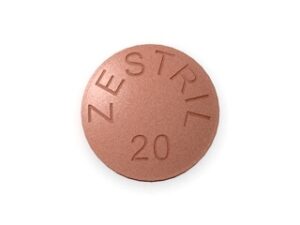
- How it is supplied: Tablets in fixed-dose combinations (strengths vary by product)
- Brand availability: Multiple brands may exist depending on supply
Note: Strengths and dosing instructions vary. Always follow the strength on your pack and the directions provided with your medicine.
How it works (mechanism of action)
High blood pressure is influenced by blood vessel tone, fluid balance, and hormones such as angiotensin II. This combination targets several pathways:
Lisinopril (ACE inhibitor)
- ACE inhibition: Lisinopril blocks the enzyme (ACE) that helps produce angiotensin II.
- Vessel relaxation: Lower angiotensin II reduces blood vessel tightening, improving blood flow.
- Lower aldosterone effects: Reduced aldosterone can decrease salt and water retention, helping reduce blood pressure.
Hydrochlorothiazide (thiazide diuretic)
- Kidney salt and water effect: It helps your kidneys remove more sodium (and water), reducing blood volume.
- Long-term vessel benefits: Over time, thiazides also help reduce vascular resistance.
Overall result: Lower blood pressure through both relaxed blood vessels and reduced fluid/salt retention.
Typical uses (indications)
Lisinopril (hydrochlorothiazide) is commonly used when blood pressure needs additional control beyond what one medicine can provide.
- Hypertension (high blood pressure): For patients who require combination therapy to reach and maintain blood pressure targets.
- Sometimes used in selected cardiovascular or kidney-related conditions: Your clinician may consider the combination depending on your overall health profile, kidney function, and blood test results.
Your exact treatment plan depends on your medical history, current readings, laboratory tests (such as kidney function and electrolytes), and other medicines you use.
Pharmacokinetics (how your body handles the medicine)
Pharmacokinetics describes how the body absorbs, distributes, metabolises, and eliminates a medicine. While individual responses vary, the key points are:
Lisinopril
- Absorption: Lisinopril is absorbed from the gut after taking a tablet.
- Onset: Blood pressure lowering may begin within hours after a dose.
- Peak effect: Maximum effects typically occur later after dosing.
- Elimination: Lisinopril is largely eliminated by the kidneys.
- Accumulation considerations: Because removal is kidney-based, dosing may be adjusted in reduced kidney function.
Hydrochlorothiazide
- Absorption: Taken by mouth and absorbed from the digestive tract.
- Onset: Diuretic (water-removal) effects may start relatively soon after dosing.
- Peak effect: The diuretic and blood pressure effects develop after absorption.
- Elimination: Hydrochlorothiazide is also eliminated by the kidneys.
Important: If you have kidney disease or are dehydrated, blood levels and side effects risk can change—your clinician may monitor labs more closely.
How to take it (timing and dosing)
This combination is usually taken as a once-daily dose. However, your prescription instructions may differ. Always follow the directions on your pack and from your clinician.
Typical timing
- Once daily: Many people take it in the morning to reduce the chance of needing to urinate frequently at night (because of the diuretic effect).
- Consistent routine: Take it at the same time each day where possible.
Typical dose range
Dosing varies based on your blood pressure, kidney function, and previous treatment. Common strengths include various combinations of lisinopril and hydrochlorothiazide. Your clinician will choose the lowest effective dose for you.
Example approach (for understanding only):
- Starting doses are often lower when beginning combination therapy.
- Doses may be adjusted gradually based on blood pressure response and blood tests.
What to do if you miss a dose
- If you remember on the same day: Take it when you remember unless it is close to your next dose.
- If it is near the next dose: Skip the missed dose and take the next dose at the usual time.
- Do not double up: Avoid taking two doses at once.
If you miss multiple doses, contact your clinician or pharmacist for advice.
Food interactions and what to expect
Lisinopril (hydrochlorothiazide) is generally not strongly affected by food. You may take it with or without food. However, taking it consistently with regard to meals can help maintain a routine and avoid stomach upset.
- Salt intake: A high-salt diet can reduce the blood pressure-lowering effect.
- Hydration: The diuretic component can increase the risk of dehydration, particularly if you do not drink enough fluids.
If you are advised to follow a low-salt diet or have been told to manage fluid intake, follow those instructions carefully.
Alcohol interactions
Alcohol can increase the risk of low blood pressure, especially when you first start treatment or when the dose is changed. This may cause dizziness, light-headedness, or fainting.
- Start cautiously: If you drink alcohol, consider limiting intake until you know how your body responds.
- Be extra careful with dehydration: Alcohol may worsen dehydration and electrolyte imbalance risk.
Medicine interactions (including supplements)
Several medicines can interact with lisinopril or hydrochlorothiazide. Tell your pharmacist or clinician about everything you take, including over-the-counter medicines and herbal products.
Potentially important interactions
- Potassium supplements and potassium-containing salt substitutes: Lisinopril can raise potassium levels. Using extra potassium may increase the risk of hyperkalaemia.
- Diuretics (“water tablets”) and other blood pressure medicines: Combined effects may lower blood pressure more than expected.
- NSAIDs (anti-inflammatory pain medicines): Examples include ibuprofen and naproxen. Regular or high-dose NSAID use may reduce kidney protection and increase risk of kidney function changes, especially in people who are dehydrated or have kidney disease.
- Lithium: ACE inhibitors can increase lithium levels, potentially causing toxicity.
- Diabetes medicines: Blood glucose may change. Your clinician may monitor and adjust diabetes treatment.
- Cholestyramine or colestipol: These can affect absorption of hydrochlorothiazide.
- Muscle relaxants and some anaesthetic medicines: May increase blood pressure-lowering effects.
- Other medicines that affect electrolytes: Some drugs can influence sodium, potassium, or magnesium levels—relevant for thiazide diuretics.
Foods and herbal products
- Licorice (including some herbal products): Some products can affect blood pressure and potassium levels.
- High potassium “heart” salts: Avoid unless specifically approved by your clinician.
If you are unsure whether a medicine or supplement is safe to combine with this combination, ask a pharmacist.
Safety profile and side effects
Most people tolerate lisinopril (hydrochlorothiazide) well, but it can cause side effects. Some are mild and improve with time, while others require urgent medical attention.
Common side effects
- Dizziness or light-headedness, especially when standing up quickly
- Headache
- Increased urination (often earlier in the day)
- Fatigue
- Dry cough (more commonly associated with ACE inhibitors)
- Minor changes in blood tests, such as:
- Low sodium (hyponatraemia)
- Low potassium (hypokalaemia) from the diuretic component
- High potassium (less common but possible due to lisinopril)
- Changes in kidney function tests
Less common but important risks
- Dehydration or feeling faint, particularly during hot weather or if you are unwell with vomiting/diarrhoea
- Electrolyte imbalance, which may cause muscle cramps, weakness, palpitations, or unusual tiredness
- Reduced kidney function in some people—more likely if you are dehydrated, have kidney artery narrowing, or take interacting medicines
- Increased uric acid and gout flare in susceptible individuals
Seek urgent medical help if
- Swelling of the face, lips, tongue, or throat (possible angioedema)
- Difficulty breathing or swallowing
- Severe dizziness or fainting
- Chest pain or a fast/irregular heartbeat with weakness
- Signs of severe dehydration (very little urine, extreme thirst, confusion)
While serious side effects are uncommon, they can be life-threatening and need prompt assessment.
Practical use tips for best results
- Measure your blood pressure: Regular home readings help you and your clinician assess whether your treatment is working. Keep a log of readings.
- Stand up slowly: If you feel dizzy, sit or stand up more gradually.
- Morning dosing can help: Taking it in the morning reduces nighttime urination from the diuretic effect.
- Stay hydrated: Unless you have been told to restrict fluids. Extra caution if it’s hot, you sweat a lot, or you’re unwell.
- Attend blood test monitoring: Kidney function and electrolytes (especially potassium and sodium) are important when using ACE inhibitors and thiazides.
- Be consistent: Taking your dose at the same time daily supports steadier blood pressure control.
- Don’t start/stop interacting medicines without advice: Especially NSAIDs, potassium supplements, or other diuretics.
Alternative options (if this combination isn’t suitable)
There are several ways high blood pressure may be treated. Alternatives depend on your medical history, kidney function, electrolytes, and tolerability.
Possible alternative classes
- ACE inhibitor alone (without hydrochlorothiazide)
- ARBs (angiotensin receptor blockers) instead of an ACE inhibitor, often considered if ACE inhibitors cause a troublesome cough
- Other diuretics (such as other thiazide-like options) depending on your labs and response
- Calcium channel blockers (e.g., amlodipine) often used for combination therapy
- Other antihypertensives depending on comorbidities
Only your clinician can decide which alternative is appropriate. If you experience side effects, discuss switching rather than stopping suddenly.
Market and legal context for Australia (overview)
In Australia, medicines are regulated through the Therapeutic Goods Administration (TGA). Many blood pressure medicines are available with prescribing requirements and dispensing rules that vary by product and strength.
Online pharmacies in Australia typically ensure that you receive information about safe use, appropriate counselling, and relevant availability checks. Availability may also depend on brand supply, strength, and formulation.
Always check the specific product details shown on the listing (including strength and how it is packaged) and confirm suitability for your situation with a qualified professional.
Recent guidance and monitoring (what to expect in practice)
Contemporary hypertension management emphasises:
- Regular monitoring of blood pressure using validated technique and, where possible, home readings
- Blood tests when using ACE inhibitors and diuretics, especially after starting therapy or changing dose
- Patient safety around kidney function and electrolytes (watching for sodium, potassium, and creatinine changes)
- Managing cardiovascular risk factors alongside medicine, including lifestyle (diet, activity, smoking cessation, and weight management where appropriate)
If you have kidney disease, diabetes, heart failure, or are older, your monitoring schedule may be more frequent.
Delivery, availability, and what to check when ordering online
Availability can vary by brand and strength. When ordering online in Australia, consider:
- Check the exact strength shown (lisinopril and hydrochlorothiazide amounts per tablet).
- Confirm pack size and dosing instructions (for example, how many tablets per day).
- Look for expiry date and storage conditions.
- Choose delivery options available at checkout.
Delivery timeframes depend on your location and the pharmacy’s dispatch process. You should receive tracking details if offered. Some medicines may require identity or safety checks at checkout to ensure safe supply.
Storage and handling
- Store at room temperature (unless the label says otherwise).
- Keep tablets in their original packaging to protect from moisture and to confirm strength.
- Keep out of reach of children.
- Do not use past the expiry date printed on the pack.
FAQ — Lisinopril (Hydrochlorothiazide)
1) What is lisinopril (hydrochlorothiazide) used for?
It is mainly used to treat high blood pressure, particularly when two mechanisms are needed for good control. Your clinician may also consider it for certain cardiovascular or kidney-related needs depending on your individual situation.
2) How quickly will it start working?
Blood pressure effects often begin within hours after a dose. Diuretic effects from hydrochlorothiazide may be noticeable sooner. Full benefit and stable blood pressure patterns usually develop over days to weeks.
3) Should I take it with food?
Usually you can take it with or without food. Taking it at the same time daily may help you remember and reduce stomach upset.
4) Can I take it at night?
Many people prefer morning dosing because hydrochlorothiazide can increase urination. If nighttime dosing suits you, follow your clinician’s advice.
5) Will I need blood tests?
Often, yes. Because this medicine can affect kidney function and electrolytes (such as potassium and sodium), your clinician may request blood tests, especially after starting or dose changes.
6) What should I avoid while taking it?
Avoid or be cautious with:
- Potassium supplements unless specifically advised
- Salt substitutes containing potassium
- Frequent use of NSAIDs (like ibuprofen) unless your clinician/pharmacist says it’s safe for you
- Dehydration (especially during hot weather or illness)
- Excess alcohol which may worsen dizziness or low blood pressure
7) Are there side effects I should watch for?
Common ones include dizziness and a dry cough. Seek urgent care if you experience swelling of the face/lips/tongue or difficulty breathing, or if you feel severely unwell, faint, or have signs of severe dehydration.
8) What if I get a dry cough?
A persistent dry cough can occur with ACE inhibitors like lisinopril. Contact your pharmacist or clinician—there may be alternatives or adjustments needed.
9) Can I stop suddenly?
Do not stop this medicine suddenly without medical advice. Stopping can cause blood pressure to rise again. If you want to change treatment, discuss it with your clinician.
10) Is it safe in kidney disease?
Kidney function affects how these medicines are cleared from the body. Your clinician may adjust dosing and monitoring requirements based on your test results.
Summary
Lisinopril (hydrochlorothiazide) combines an ACE inhibitor with a thiazide diuretic to help control high blood pressure. It relaxes blood vessels and reduces salt and water retention. For many people, it provides effective daily control when taken consistently—often in the morning.
For safe and effective use, remember to:
- Take it at the recommended time each day
- Stay hydrated and be cautious during hot weather or illness
- Attend recommended kidney/electrolyte blood tests
- Discuss interactions (especially NSAIDs and potassium supplements) with a pharmacist
If you have concerns about side effects or missed doses, reach out to your local pharmacy or your clinician for advice tailored to you.