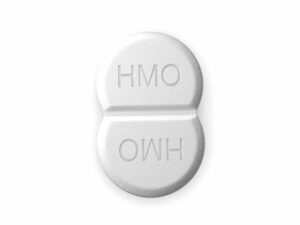
Trandate (Labetalol) – Patient Information (Australia)
Trandate is a brand of labetalol, a medicine used to manage certain cardiovascular conditions. This guide is designed to be clear and patient-friendly, explaining how Trandate works, when it’s used, what to expect, and important safety considerations. Always follow your healthcare professional’s advice.
Basic product information
- Generic name: Labetalol
- Brand name: Trandate
- Medicine type: Beta-blocker with additional alpha-blocking activity
- Common strengths/forms: Tablets (oral); availability of specific strengths may vary by supplier and formulation.
- Therapeutic group: Antihypertensive (blood pressure medicine)
Important: If you have been given Trandate as an ongoing treatment, do not stop it suddenly without medical advice. Stopping abruptly can cause your blood pressure to rise quickly and may worsen symptoms in some people.
How Trandate works (mechanism of action)
Labetalol helps lower blood pressure by acting on multiple receptors in the body:
- Beta-adrenergic blockade: It reduces the effects of adrenaline (noradrenaline/epinephrine) on the heart and blood vessels. This typically lowers heart rate, reduces the force of heart contraction, and helps reduce blood pressure.
- Alpha-adrenergic blockade: It relaxes blood vessels by blocking alpha receptors, improving blood flow and lowering vascular resistance.
Overall effect: Reduced resistance in the blood vessels and decreased workload on the heart leads to a fall in blood pressure. This balanced action is one reason labetalol is commonly used when blood pressure needs controlled lowering.
Pharmacokinetics (how the body processes it)
Pharmacokinetics describes what the body does to the medicine and includes absorption, distribution, metabolism, and elimination.
- Absorption: After oral dosing, labetalol is absorbed from the gastrointestinal tract. The extent and rate of absorption can vary between individuals.
- Onset and duration: Effects on blood pressure can begin within a few hours, with sustained activity depending on dose and timing.
- Metabolism: Labetalol is metabolised primarily in the liver.
- Elimination: Metabolites are eliminated mainly via the kidneys (urine) and to a lesser extent through other pathways.
- Half-life: The duration of effect reflects both elimination rate and receptor activity; dosing schedules are designed to maintain blood pressure control.
Practical implication: Because labetalol undergoes liver metabolism and its effects depend on dosing frequency, consistency with your prescribed regimen is important. Tell your clinician if you have liver disease, as dose adjustment or additional monitoring may be required.
Typical use in Australia
Trandate is used to treat conditions where controlling blood pressure and/or reducing the cardiovascular response is beneficial. Your exact use depends on your diagnosis and personal risk factors.
Common goals of treatment include:
- Managing high blood pressure (hypertension) to reduce risk of stroke, heart attack, kidney problems, and other complications.
- Managing certain acute blood pressure situations under medical supervision (for example, in hospital-based settings). Treatment plans vary widely depending on the situation.
Who may benefit: Some patients may be prescribed labetalol when it’s an appropriate option based on their overall health, heart rate, symptoms, other medications, and the need for careful blood pressure control.
Indications (when Trandate is used)
Labetalol is indicated for:
- Hypertension (high blood pressure), including long-term management in selected patients.
- Blood pressure control in pregnancy-related conditions, in line with clinical guidelines and specialist advice (e.g., gestational hypertension or pre-eclampsia). This is a specialised area and management should be led by obstetric and medical teams.
- Other cardiovascular/haemodynamic conditions where a beta-blocker with alpha-blocking effect is appropriate, as determined by your clinician.
Note: Indications can depend on the formulation and clinical setting. Always rely on the instructions provided for your specific product and situation.
Dosing and timing (general guidance)
Dosing is individual. Your healthcare professional will determine the dose based on your blood pressure, heart rate, age, other health conditions, and response to treatment.
How to take Trandate
- Follow your prescription instructions exactly.
- Take at the same times each day to help maintain consistent blood pressure control.
- Do not alter the dose suddenly without advice.
- If you miss a dose, take it when you remember unless it is close to the next dose. In that case, skip the missed dose and continue your schedule. Do not double up.
Timing considerations
Labetalol dosing schedules commonly involve multiple daily doses because the medicine’s effect must be maintained across the day. If you experience symptoms such as dizziness or low blood pressure at certain times, tell your clinician; dose timing may sometimes be adjusted.
Special advice: If you use blood pressure monitoring at home, record readings and share them with your clinician—especially in the first weeks after starting or changing the dose.
Food interactions
Food generally has limited impact on the overall safety of labetalol, but taking tablets consistently with respect to meals can help predict blood pressure effects.
- Best practice: Take Trandate in a consistent way each day (for example, always with food or always between meals) unless your clinician instructs otherwise.
- If you’re unsure: Ask your pharmacist whether your specific formulation has any food-related instructions.
Grapefruit/citrus: Some medicines have interactions with grapefruit. Whether grapefruit specifically affects labetalol can vary by patient and product. If you consume grapefruit regularly and take multiple medicines, discuss this with your pharmacist.
Alcohol interactions
Alcohol can increase the risk of side effects such as:
- Dizziness or light-headedness
- Low blood pressure (especially when standing)
- Fainting in sensitive individuals
Patient-friendly guidance: If you drink alcohol, keep it moderate and be cautious, especially when starting Trandate or after a dose change. Avoid driving or operating machinery if you feel dizzy.
Medicine interactions (important)
Labetalol can interact with other medicines, potentially affecting blood pressure, heart rate, or risk of adverse effects.
Medicines that may increase blood-pressure-lowering effects
- Other antihypertensives (e.g., ACE inhibitors, angiotensin receptor blockers, diuretics, calcium channel blockers)
- Nitrates (used for angina) or medicines that relax blood vessels
Medicines that can affect heart rate or heart rhythm
- Other beta-blockers or drugs that slow heart rate
- Some antiarrhythmics (rhythm medicines)
- Some calcium channel blockers (particularly those also slowing heart rate)
Diabetes-related medicines
- Beta-blockers may mask some warning signs of low blood sugar (hypoglycaemia), such as tremor and palpitations.
- If you have diabetes, monitor glucose carefully and discuss how labetalol may affect symptoms.
Asthma/COPD and related medicines
- In susceptible people, beta-blockade can worsen breathing symptoms, particularly at higher doses or in people with reactive airways.
- If you have asthma or COPD, tell your clinician before starting or escalating labetalol.
Other common considerations
- NSAIDs (anti-inflammatory painkillers): Regular NSAID use may influence blood pressure control for some patients.
- Medicines that affect liver enzymes: Because labetalol is metabolised in the liver, certain medicines may alter its level. This is best assessed by a pharmacist using your full medication list.
Tip: Keep an up-to-date list of all medicines and supplements you take (including herbal products). Review it with your pharmacist or doctor when starting Trandate, changing dose, or adding new medicines.
Safety profile and side effects
Most people tolerate Trandate well, but side effects can occur. Many side effects are dose-related and improve as your body adjusts.
Common side effects
- Dizziness or light-headedness
- Fatigue or tiredness
- Headache
- Nausea
- Low blood pressure (especially when standing)
- Slow heart rate (bradycardia) in some people
Less common but important effects
- Worsening breathing problems in people with asthma or certain lung diseases
- Cold hands and feet
- Sleep disturbance or vivid dreams
Seek urgent medical help if
- You have fainting, severe dizziness, or signs of an allergic reaction (swelling of face/lips, difficulty breathing, rash)
- You experience chest pain, severe shortness of breath, or symptoms of significant heart rhythm problems
- Your breathing worsens substantially (wheezing, inability to breathe comfortably)
Special populations
- Heart block or significant bradycardia: Labetalol may not be suitable without specialist guidance.
- Diabetes: Be alert for hypoglycaemia and monitor glucose as advised.
- Liver disease: Dose adjustments and monitoring may be needed.
- Pregnancy: Use should be guided by obstetric and medical teams.
Practical use tips (getting the best results)
- Monitor your blood pressure: If you have a home monitor, check regularly (as advised by your clinician). Keep a log.
- Rise slowly: If you feel dizzy when standing, rise gradually from sitting or lying positions.
- Don’t skip doses: Consistent dosing supports steadier blood pressure control.
- Track symptoms: Note side effects (e.g., dizziness, fatigue, breathing changes) and inform your pharmacist/doctor.
- Carry information: Consider keeping a medication list or using a phone reminder. In an emergency, this helps clinicians quickly understand your therapy.
How long until it works?
Some blood pressure lowering may be noticed soon after starting, but full effect may take days to weeks as the body adjusts and the dose is optimised. Blood pressure targets vary by individual.
Alternative options
Several medication classes can treat high blood pressure and related conditions. The most appropriate alternative depends on your diagnosis, other medical conditions, and tolerance.
Common alternative classes
- ACE inhibitors (e.g., perindopril, enalapril)
- ARBs (e.g., losartan, valsartan)
- Calcium channel blockers (e.g., amlodipine)
- Diuretics (e.g., hydrochlorothiazide, indapamide)
- Other beta-blockers (selected patients may be offered a different beta-blocker)
- Other alpha/beta or centrally acting agents in specific cases
Choosing alternatives: Only switch medicines under clinician guidance, because stopping or changing doses can temporarily affect blood pressure stability.
Australia market & legal context (patient-friendly overview)
In Australia, medicines are supplied under the Australian healthcare regulatory framework. Availability and prescribing requirements can depend on:
- Product classification (for example, whether a medicine is available under a particular regulation category)
- Formulation (tablet versus other forms)
- Indication and clinical context
- Brand and supplier availability
Medicine safety standards: Trandate/labetalol products used in Australia are required to meet Australian quality and safety requirements, and information provided on labels and consumer medicine information documents is designed to support safe use.
Recent guidance and monitoring (what patients should know)
Clinical guidance for hypertension and cardiovascular medicines evolves over time based on new evidence. Ongoing monitoring commonly includes:
- Blood pressure checks (home or clinic-based)
- Heart rate assessment (especially if you feel unusually slow, tired, or dizzy)
- Electrolytes and kidney function when indicated by your overall regimen (particularly if you also take diuretics)
- Review of drug interactions whenever you start, stop, or change other medicines
Patient action: Keep follow-up appointments and report side effects early. If your blood pressure is too low (or you feel unwell), your clinician may adjust your dose or regimen.
Delivery and availability (online pharmacy considerations)
Availability of Trandate can vary by strength and formulation, and supply may occasionally change. When purchasing online in Australia, reliable pharmacies typically:
- Confirm product identity and strength prior to dispatch
- Package medicines securely to protect tablets from damage and moisture
- Provide tracking information (depending on service level)
- Offer estimated delivery timeframes
Delivery tips:
- Store tablets in a cool, dry place away from direct sunlight.
- Keep out of reach of children.
- Only open blister packs or containers when you’re ready to take a dose.
Product information summary
| Category | Details |
|---|---|
| Medicine | Trandate (Labetalol) |
| Class | Beta-blocker with alpha-blocking activity |
| Main purpose | Lower blood pressure and control cardiovascular response |
| How it works | Blocks beta and alpha adrenergic receptors to reduce heart workload and widen blood vessels |
| Common timing | Taken multiple times daily per individual regimen |
| Key safety points | May cause dizziness, tiredness, slow heart rate, and low blood pressure; caution with asthma, diabetes, and interacting medicines |
| Food interaction | Usually minimal; keep consistent with meals unless advised otherwise |
| Alcohol | Can increase dizziness and low blood pressure—use caution |
FAQ about Trandate (Labetalol)
1) What is Trandate used for?
Trandate (labetalol) is used to treat high blood pressure and certain conditions where controlled blood pressure reduction and cardiovascular regulation are needed, as determined by your healthcare team.
2) How soon will I feel the effect?
Some effect may occur within hours, but stable blood pressure control may take days to weeks depending on dose adjustments and your individual response.
3) Should I take Trandate with food?
Food interactions are usually limited. The best approach is to take your tablets consistently (for example, with food or without food) unless your pharmacist or doctor advises otherwise.
4) Can I drink alcohol while taking labetalol?
Alcohol may increase dizziness and the risk of low blood pressure. If you choose to drink, keep it moderate and be cautious—especially after starting treatment or changing the dose.
5) What side effects are most common?
Dizziness, fatigue, headache, nausea, and low blood pressure are among the more commonly reported effects. Not everyone experiences side effects, and many improve as your body adjusts.
6) What should I do if my blood pressure is too low or I feel faint?
Stop what you’re doing and sit or lie down. Seek urgent medical advice if symptoms are severe. Contact your clinician promptly to review your dose and overall regimen.
7) Can labetalol affect asthma or breathing?
Because labetalol includes beta-blocking activity, it may worsen breathing in some people with asthma or reactive airways. If you have asthma/COPD, discuss this with your healthcare professional before and during treatment.
8) Does labetalol interact with diabetes medicines?
It can mask some warning signs of hypoglycaemia (low blood sugar), such as palpitations or tremor. If you have diabetes, monitor glucose closely and follow your healthcare plan.
9) Is it safe to stop Trandate suddenly?
No—do not stop suddenly unless your clinician tells you to. Abrupt withdrawal can lead to worsening blood pressure control and other risks.
10) What information should I share with my pharmacist?
Tell them about all medicines (including over-the-counter products and herbal supplements), your medical history (heart rhythm problems, asthma, liver disease), and any side effects you’ve had with similar medicines.
11) Are there alternatives if I can’t tolerate labetalol?
Yes. Your clinician may consider different blood pressure medicines such as ACE inhibitors, ARBs, calcium channel blockers, diuretics, or other beta-blockers depending on your needs and medical profile.
Disclaimer: This information is general and supports education about Trandate (labetalol). It does not replace individual medical advice. If you have concerns about your symptoms, side effects, or interactions, speak with a pharmacist or healthcare professional promptly.