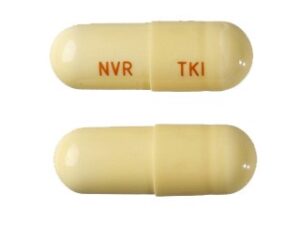



Chlorambucil (Leukeran® and generics) — Patient Information (Australia)
Chlorambucil is a cancer medicine used in certain blood cancers and some related conditions. It belongs to the group of medicines called alkylating agents. Because it affects rapidly dividing cells, it can help control disease, but it also requires careful monitoring due to potential side effects.
This guide is designed to be patient-friendly and practical. It explains what chlorambucil does, how it works in the body, what it’s used for, typical timing considerations, food and alcohol interactions, and important safety information. Availability and regulatory notes for Australia are included to help you understand how the medicine fits into healthcare services.
Basic product information
| Item | Information |
|---|---|
| Generic name | Chlorambucil |
| Common brand examples | Leukeran® (brand may vary by market/availability) |
| Medicine type | Oral alkylating chemotherapy (anticancer/anti-neoplastic agent) |
| How it’s taken | By mouth (tablets or prepared dose form as supplied) |
| Therapeutic role | Used for specific haematologic (blood) cancers and related disorders |
Important: Different regimens and schedules may be used depending on the condition, treatment plan, and blood counts. Always follow the exact directions given by your treating team.
How chlorambucil works (mechanism of action)
Chlorambucil is an alkylating agent. In simple terms, it damages the genetic material inside cancer cells.
- It forms reactive compounds that can attach (“alkylate”) to DNA.
- This interferes with DNA replication and cell division.
- As a result, cancer cells may be unable to multiply and may die over time.
Because it can also affect healthy rapidly dividing cells (such as bone marrow and parts of the immune system), blood counts and infection risk are key considerations during treatment.
Pharmacokinetics (what the body does to the medicine)
Pharmacokinetics describes how a medicine is absorbed, distributed, metabolised, and eliminated.
- Absorption: Chlorambucil is taken orally and absorbed from the gut.
- Metabolism: It is metabolised in the body, producing active and/or reactive species.
- Distribution: The medicine and its metabolites distribute throughout the body, including tissues where cancer cells may be present.
- Elimination: Metabolites are eliminated primarily via the kidneys and partly through other routes.
- Onset of effect: Clinical benefit is typically assessed over weeks with regular blood tests and follow-up imaging/assessments where relevant.
Individual differences in liver and kidney function can affect exposure to the drug. Your clinician may adjust the plan or monitoring intensity accordingly.
Typical uses (indications)
Chlorambucil has an established role in the treatment of certain blood cancers and disorders. Typical indications discussed in clinical practice include:
- Chronic lymphocytic leukaemia (CLL) (particularly in specific clinical settings)
- Low-grade non-Hodgkin lymphoma or related indolent lymphomas, depending on the case
- Some cases of Waldenström’s macroglobulinaemia and other lymphoproliferative disorders (as determined by specialist assessment)
It may be chosen when other treatments are not suitable due to individual factors such as overall health, prior therapies, disease characteristics, or access to other medicine classes.
Timing and how to take chlorambucil
Chlorambucil is usually taken on a schedule determined by the treating team. Patients may receive:
- Daily dosing for a period, then a break; or
- Short courses given intermittently; or
- Older-style regimens used for certain cancers and scenarios.
Practical timing tips:
- Take your dose at the same time each day when daily dosing is used.
- Use a calendar/medication organiser to avoid missed or double doses.
- If you miss a dose, contact your treating team or pharmacist promptly for advice—do not simply “catch up” without guidance.
- Keep a record of when you take each dose, especially around blood test visits.
Handling and safety around the home: Chlorambucil is a cytotoxic medicine. Follow your pharmacist’s instructions for storage, handling, and any necessary precautions (for example, avoiding tablet crushing unless advised, and using gloves or specific handling if instructed).
Food interactions and dietary considerations
Food effects: Chlorambucil can generally be taken with or without food, but individual regimens and product instructions may vary.
- If your healthcare team recommends a consistent approach, follow it (e.g., “take with food” to reduce stomach upset).
- Maintaining a normal, balanced diet is encouraged unless your clinician advises otherwise.
What to watch for: If you experience nausea, appetite changes, or stomach discomfort, tell your healthcare team. They can suggest supportive strategies, timing adjustments, or medicines to help side effects.
Alcohol interactions
There is no single “one-size-fits-all” rule for alcohol, but there are common concerns during chemotherapy:
- Increased risk of side effects: Alcohol can worsen nausea, fatigue, dizziness, and dehydration.
- Impact on the liver: Chlorambucil is metabolised in the body; heavy alcohol use may add stress to liver function.
- Safety with blood counts: If you’re more prone to infection or bleeding issues, alcohol-related dehydration or falls can become a safety concern.
Patient-friendly advice: If you plan to drink alcohol, discuss it with your treating team. They may recommend avoiding alcohol during treatment or limiting intake, depending on your health, blood counts, and liver function.
Medicine interactions (other medicines and supplements)
Chlorambucil can interact with other medicines, and interactions may also occur indirectly through effects on bone marrow, immune function, or liver metabolism.
Tell your healthcare team about:
- All prescription medicines
- All over-the-counter products (including pain relief and cold/flu medicines)
- Herbal remedies and supplements
- Vaccines and any recent or planned immunisations
Examples of interaction-related considerations:
- Other medicines that affect the immune system: may increase infection risk.
- Medications that increase bleeding risk: if blood counts are reduced, bleeding precautions may be required.
- Live vaccines: immunosuppression can make live vaccines unsafe. Your clinician will advise which vaccines are appropriate.
Medication reviews: A pharmacist or treating doctor can help check your specific medicines for potential interactions before and during treatment.
Dosing overview (how dosing is typically structured)
Dosing varies based on the condition, treatment schedule, and your blood test results. In practice, chlorambucil is often dosed according to:
- Your diagnosis (e.g., CLL vs lymphoma)
- Your age and overall health
- Blood counts (including neutrophils and platelets)
- Liver and kidney function
- Whether it’s used alone or with other treatments
Important: This page provides general dosing guidance in a patient-friendly way. Your exact dose and schedule should come from your healthcare plan.
Monitoring influences dosing: Many regimens adjust or pause treatment if blood counts drop too far. Your clinician will schedule regular blood tests to guide safe continuation.
Safety profile and side effects
As with all chemotherapy medicines, chlorambucil can cause side effects. The type and severity can vary from person to person. Some effects are monitored closely with blood tests.
Common or notable side effects
- Low white blood cells (neutropenia/leukopenia): increases infection risk
- Low platelets (thrombocytopenia): may increase bruising/bleeding
- Fatigue
- Nausea and/or vomiting (may be manageable with supportive medicines)
- Loss of appetite
- Diarrhoea or constipation in some people
- Hair thinning (less common than with some other chemotherapy agents, but still possible)
- Skin changes (varies)
Serious risks (seek urgent medical advice if these occur)
Contact your healthcare team promptly or seek urgent care if you develop:
- Fever or signs of infection (especially if your white blood cells are low)
- Unusual bruising, bleeding gums, blood in urine/stool, or severe nosebleeds
- Severe or persistent vomiting, dehydration, or inability to drink fluids
- Breathing difficulties or severe allergic-type reactions (e.g., swelling, rash, wheeze)
Long-term considerations
Cancer treatments can carry long-term risks. Your treating team will balance benefits and risks based on your specific situation. In some cases, there may be a small risk of secondary cancers or other delayed effects; monitoring and follow-up are important.
Practical use tips for patients
- Use a medication organiser: reduces errors when dosing schedules are multi-day or intermittent.
- Keep track of blood tests: chlorambucil safety often depends on your latest full blood count results.
- Infection prevention: practice good hand hygiene, avoid close contact with people who are sick, and follow any protective guidance given by your oncology team.
- Bleeding precautions: use a soft toothbrush, avoid unnecessary injury, and ask your clinician before starting supplements that may affect bleeding.
- Hydration and nutrition: staying hydrated can help manage nausea and fatigue; eat what you can tolerate and consider diet support if appetite is affected.
- Report side effects early: early treatment of symptoms (like nausea) can improve comfort and allow safer completion of therapy.
- Storage: store according to label instructions, keeping out of reach of children and away from excess heat and moisture.
Cytotoxic handling note: If you are crushing tablets or handling the medicine in any way beyond normal swallowing, confirm the correct method with your pharmacist. Avoid skin contact where possible.
When to avoid taking chlorambucil without medical advice
Do not make independent changes to dosing. In general, tell your healthcare team immediately if you:
- Develop signs of infection (fever, chills, sore throat, persistent cough)
- Experience unusual bleeding or bruising
- Have severe vomiting/diarrhoea
- Have new significant liver or kidney problems
- Plan surgery, dental procedures, or vaccinations during treatment
Alternative options (what may be used instead)
Whether an alternative is appropriate depends strongly on the cancer type, stage, previous treatments, and individual health. Depending on the situation, clinicians may consider:
- Other chemotherapy agents with different mechanisms
- Targeted therapies (for example, medicines that target specific pathways in some lymphoid cancers)
- Immunotherapy options in appropriate conditions
- Supportive care measures (e.g., infection prophylaxis or growth factor support in select cases)
Your oncology team can explain why chlorambucil may be chosen over alternatives for your specific diagnosis, disease biology, and overall treatment goals.
Market and legal context in Australia
In Australia, medicines used for cancer treatment are regulated through the Therapeutic Goods Administration (TGA) and distributed via established pharmaceutical supply chains. Cancer medicines may be available through hospital systems, specialty pharmacies, or community pharmacy channels depending on product availability and treatment protocols.
Chlorambucil is typically considered a specialist oncology medicine. Its supply may be influenced by:
- Product availability and manufacturing schedules
- Hospital or community dispensing pathways
- Formulation strength and batch supply
- Patient safety requirements (including counselling and handling precautions)
Safety and quality expectations: Australian pharmacies work to ensure correct dispensing, counselling, and storage. Cytotoxic medicines often require additional safety processes to protect patients, carers, and healthcare staff.
Recent guidance and monitoring considerations (general)
Oncology treatment practice evolves as new therapies become available and as evidence updates. For chlorambucil, contemporary care often emphasises:
- Regular full blood counts to minimise infection and bleeding risks
- Careful dose adjustments based on tolerability and blood count trends
- Infection prevention strategies when immune suppression is expected
- Review of co-medications to reduce interaction risk
- Consideration of newer regimens when appropriate, while still using chlorambucil in selected patients where it remains suitable
Your treating team may also align practice with current national and clinical guidelines for your condition, including any updates related to monitoring and supportive care.
Delivery and availability in Australia (online pharmacy information)
Availability of chlorambucil can vary depending on supply. When you order online, your pharmacy may:
- Confirm stock availability
- Source from appropriate supply channels if backorder occurs
- Provide an estimated dispatch time
- Confirm product strength and quantity before dispatch
Delivery considerations:
- Orders are commonly dispatched to residential addresses where permitted by policy and supplier requirements.
- Some cytotoxic medicines may have additional delivery steps (for example, requiring confirmation of identity or safe reception).
- Delivery times can be affected by courier schedules, stock availability, and national transport conditions.
Tip: If you’re close to the next dose date, consider ordering early and allow time for delivery delays—especially if supply is limited.
FAQ (Frequently asked questions)
1) What is chlorambucil used for?
Chlorambucil is used for certain blood cancers and related conditions, such as chronic lymphocytic leukaemia and some types of low-grade non-Hodgkin lymphoma, depending on clinical circumstances.
2) How long does treatment usually take?
Treatment length varies by regimen and response. Some schedules involve daily dosing for a limited period followed by breaks; others may be intermittent. Your oncology team will set a plan and review it based on blood tests and disease progress.
3) How will I know if the medicine is working?
Response is assessed through a combination of blood test results, symptom review, physical examinations, and—where relevant—imaging or other disease monitoring methods.
4) What blood tests are monitored?
Typically, your clinician monitors full blood counts (including white blood cells and platelets). Liver and kidney function tests may also be monitored depending on your overall health and regimen.
5) Can I take chlorambucil with food?
It may be taken with or without food. For comfort and consistency, follow the specific instructions you’ve been given. If nausea occurs, ask your pharmacist about strategies such as taking it with food.
6) Can I drink alcohol during treatment?
Alcohol may worsen side effects and can affect liver function. It’s best to discuss alcohol with your treating team. They may recommend limiting or avoiding alcohol based on your health and treatment plan.
7) What should I do if I miss a dose?
Contact your pharmacy or treating team for instructions. Do not take extra doses unless advised, because timing and blood count status are important for safety.
8) Are there precautions for carers or family at home?
Follow pharmacy guidance for handling cytotoxic medicines. Keep tablets stored securely, avoid unnecessary direct contact, and wash hands after handling. If you have concerns about disposal or accidental contact, ask your pharmacist.
9) Are there vaccines I should avoid?
Immunosuppression can make some vaccines unsafe (especially live vaccines). Your clinician can advise which vaccines are appropriate for you and when they should be given.
10) What are warning signs that require urgent help?
Seek urgent medical attention for fever or infection symptoms, unusual bleeding/bruising, severe persistent vomiting/diarrhoea, or breathing problems. These may indicate low blood counts or other complications requiring prompt care.
Disclaimer: This information is a general overview for patient education. Your treatment plan, dose schedule, and safety monitoring should always follow guidance from your healthcare professionals.