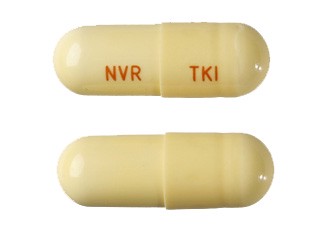

Tasigna (Nilotinib) — Patient-Friendly Guide (Australia)
Tasigna is a medicine used to treat certain types of blood cancers. This guide explains how Tasigna (nilotinib) works, how it’s usually taken, important food and medicine interactions, and what to expect in terms of safety and monitoring. It is written to be clear and patient-friendly for readers in Australia.
Note: Always follow the instructions provided by your treating team and the official product information (consumer medicine information). Dosage and monitoring may vary depending on your condition, test results, and overall health.
1) Basic product information
| Item | Information |
|---|---|
| Medicine name | Tasigna |
| Active ingredient | Nilotinib |
| Medicine type | Protein kinase inhibitor (targeted therapy) |
| Common dosage form | Oral capsules |
| Typical treatment approach | Used long-term in eligible patients; exact duration depends on response and tolerability |
| Availability | May be supplied through Australian dispensing channels as per local supply arrangements |
2) What Tasigna is used for (indications)
Tasigna (nilotinib) is used to treat chronic myeloid leukaemia (CML)—a cancer of the blood and bone marrow—typically when the cancer is Philadelphia chromosome positive (Ph+). It is also used in some cases of accelerated-phase CML or imatinib-resistant or imatinib-intolerant disease, depending on clinical status.
Your clinician will confirm whether your diagnosis matches the specific approved use for nilotinib in Australia based on laboratory testing (including BCR-ABL testing) and disease phase.
3) How Tasigna works (mechanism of action)
In CML, a genetic change leads to production of an abnormal protein called BCR-ABL, which drives uncontrolled growth of leukaemia cells. Nilotinib is a medicine designed to block BCR-ABL (and related tyrosine kinase activity).
- Targeted action: Nilotinib inhibits the signalling pathways that help leukaemia cells survive and multiply.
- Reduced leukaemia activity: Over time, this can reduce the number of leukaemia cells and help many patients reach deep molecular responses.
- Not a cure by itself: Many people continue treatment long-term while maintaining response; discontinuation decisions depend on your specialist’s evaluation.
4) Pharmacokinetics — how the body handles nilotinib
Pharmacokinetics describes what happens to a medicine in the body: absorption, distribution, metabolism, and elimination.
- Absorption: Nilotinib is taken by mouth as capsules. It must be taken under specific fasting conditions because food can significantly increase exposure.
- Peak levels: The medicine reaches its highest concentration in the blood after a typical short period (timing can vary by patient).
- Metabolism: Nilotinib is primarily metabolised in the liver, mainly by the enzyme systems involving CYP3A4/5 pathways.
- Elimination: The body clears nilotinib mostly through metabolic processes and excretion of metabolites.
- Drug interaction risk: Because metabolism involves liver enzymes, medicines that inhibit or induce these enzymes can change nilotinib levels.
Practical implication: sticking to fasting instructions and avoiding interacting medicines helps maintain predictable effectiveness and safety.
5) Typical dosing and timing (general guidance)
Dosing of Tasigna depends on your CML phase, prior treatment history, and how you tolerate the medicine. Australian prescribing information will specify the approved regimens.
- Common schedule: Nilotinib is usually taken twice daily (morning and evening) in many regimens.
- Fasting requirement: It is taken with strict separation from food (see Section 6).
- Missed dose: If you miss a dose, follow your clinician/pharmacist’s advice. Do not double up unless instructed.
- Dose changes: Dose reductions or temporary interruptions may occur for side effects or lab abnormalities.
Tip: Use the same routine daily (same times, same fasting window, and consistent spacing from meals) to reduce the chance of exposure spikes.
6) Food interactions — essential fasting instructions
Food can increase nilotinib exposure, which may raise the risk of adverse effects. For this reason, Tasigna must be taken under fasting conditions.
Follow the specific instructions in your product information. As general patient guidance, typical regimens require:
- Before your dose: Wait until you have not eaten for a set period (commonly at least 2 hours after food).
- After your dose: Wait before eating again (commonly at least 1 hour after swallowing the capsule).
- Consistency matters: Try not to vary your meal schedule from day to day.
Avoid grapefruit: Citrus products that can affect CYP enzymes (such as grapefruit/grapefruit juice) should generally be avoided unless your pharmacist confirms it’s safe for you.
Tell your care team if you have swallowing difficulties, require feeding through a tube, or have a diet that is hard to coordinate with fasting.
7) Alcohol and medicine interactions
Alcohol doesn’t directly “cancel out” nilotinib in the same way some medicines do, but it can still affect safety and tolerability. Because nilotinib is metabolised in the liver and may affect blood counts and metabolism, alcohol use may:
- Increase strain on the liver (especially if you have liver issues or abnormal liver tests).
- Increase side effects such as nausea, fatigue, dizziness, headache, or reflux.
- Complicate monitoring if you need lab tests or you’re dealing with dehydration.
Practical approach: Discuss alcohol use with your pharmacist or oncologist. If you choose to drink, keep it moderate and consistent, and avoid binge drinking.
Important: Always consider alcohol alongside other interacting medicines (for example, medicines that affect heart rhythm, liver enzymes, or electrolyte balance).
8) Medicine interactions — what to avoid and what to check
Nilotinib levels can change when certain medicines are taken at the same time. Some interactions can be serious.
A) Medicines that may increase nilotinib levels (CYP inhibitors)
Medicines that inhibit CYP3A4/5 can raise nilotinib blood concentrations and increase the risk of side effects—especially effects related to heart rhythm.
- Some antifungals (e.g., azole antifungals)
- Some antibiotics (certain macrolides)
- Some antivirals
- Some anti-reflux medicines and others (interaction potential varies; check before use)
B) Medicines that may decrease nilotinib levels (CYP inducers)
Inducers can lower nilotinib levels and may reduce effectiveness.
- Some anti-seizure medicines
- Rifampicin/rifabutin (for infections)
- St John’s wort
C) Medicines that may affect heart rhythm (QT prolongation)
Nilotinib may be associated with changes on an ECG. Combining with other medicines that can also affect QT prolongation may increase risk.
- Some antiarrhythmics
- Some antipsychotics and antidepressants
- Some antibiotics and antiemetics
- Some other medicines known to prolong QT
D) Electrolyte interactions
Low potassium or magnesium can increase the risk of rhythm problems. Medicines that cause electrolyte loss (for example certain diuretics) may require monitoring.
Always check: Keep an up-to-date list of every medicine you take, including over-the-counter products and supplements, and provide it to your pharmacist.
9) Safety profile — what to know and how it’s monitored
Like all targeted cancer treatments, Tasigna has potential side effects. Many can be managed with dose adjustments, supportive care, or close monitoring.
Your treatment team may monitor: complete blood counts, liver function tests, electrolytes (such as potassium and magnesium), glucose/lipids, and ECGs (heart rhythm checks).
Common or important side effects
- Nausea, vomiting, constipation or diarrhoea
- Fatigue, headache, dizziness
- Rash or dry skin
- Muscle cramps or pain
- Fluid retention (less common but important)
Serious risks (need prompt attention)
While not everyone experiences serious problems, it’s important to recognise warning signs early.
- Heart rhythm changes: Seek urgent medical advice if you experience fainting, severe dizziness, palpitations, or symptoms of an irregular heartbeat.
- Raised blood sugar: Watch for increased thirst/urination, blurred vision, or unexplained fatigue (especially if you have diabetes or pre-diabetes).
- Lipid changes: Your clinician may monitor cholesterol and triglycerides.
- Infections or low blood counts: Fever, unusual bruising or bleeding, severe sore throat, or persistent infections may require urgent assessment.
- Liver problems: Seek advice if you notice yellowing of the eyes/skin, dark urine, or severe right-sided abdominal pain.
Monitoring checklist (what you may be asked to do)
- ECG before starting and periodically during therapy
- Blood tests regularly (blood counts, liver function, electrolytes)
- Glucose and lipids (cholesterol/triglycerides) monitoring
- Ongoing cancer response tests (e.g., BCR-ABL levels) as scheduled by your specialist
10) Practical use tips (making daily dosing easier)
- Plan your meals: Mark your fasting windows on a calendar or set phone reminders.
- Take capsules consistently: Swallow whole with water; don’t alter capsules unless your pharmacist confirms instructions.
- Use a medication organiser: This helps prevent missed or double doses.
- Keep a symptom diary: Record side effects like nausea, fatigue, or palpitations and note the timing relative to doses.
- Hydration: Drink adequate fluids unless you’ve been advised to restrict fluids for another condition.
- Check before new medicines: Any new prescription or over-the-counter item—including cold/flu medications—should be checked for interactions.
- Dental care and infections: With possible blood count effects, seek advice early for mouth sores or infections.
If you vomit shortly after taking a dose, contact your pharmacist for guidance on whether you should take another dose.
11) Alternative options (what you might discuss with your doctor)
Treatment for Ph+ CML often involves targeted therapies (tyrosine kinase inhibitors, TKIs). Which option is suitable depends on disease phase, previous response, side effects, and genetic testing.
Possible alternatives (to discuss with your treating specialist) may include:
- Imatinib (a commonly used TKI)
- Dasatinib (another TKI option)
- Bosutinib (for certain patient groups depending on prior therapy)
- Ponatinib (in specific resistant cases)
Your specialist may switch treatments if there are concerns about response, tolerability, or interacting medicines. Don’t stop or switch without specialist advice.
12) Market and legal context for Australia (overview)
In Australia, cancer medicines are supplied through regulated channels under Australia’s medicines framework. Tasigna is an established prescription medicine in the context of oncology care, with availability managed through approved supply arrangements.
- Regulatory oversight: Medicines are evaluated for safety, quality, and effectiveness by Australian regulatory bodies.
- Quality and authenticity: Use only reputable, authorised dispensing services to reduce the risk of counterfeit or unapproved products.
- Clinical governance: Oncology treatments typically require specialist involvement and monitoring.
If you are buying through an online pharmacy, ensure the service is authorised for supply in Australia and provides information such as storage conditions, batch details where required, and delivery estimates.
13) Recent guidance and clinical practice considerations
Cancer care evolves as new evidence emerges and as local guidelines are updated. In recent years, clinical practice for TKIs like nilotinib has continued to emphasise:
- Early risk assessment and careful selection of therapy
- ECG and cardiovascular monitoring in patients at higher risk
- Regular lab monitoring for liver function, electrolytes, glucose, and lipids
- Adherence to fasting requirements to improve consistency of exposure
- Management of drug–drug interactions before adding new medications
- Use of response monitoring (molecular tracking) to guide decisions
Your treating team may adjust monitoring frequency based on your individual risk factors and prior results.
14) Delivery and availability (online pharmacy information)
Availability can vary depending on stock levels and the dispensing requirements at the time of order. Many Australian pharmacies arrange:
- Confirming stock before dispatch
- Careful packaging to protect capsules
- Delivery estimates based on location and courier schedules
- Storage guidance (follow the pack instructions; typically keep in a cool, dry place away from moisture and heat)
When ordering online, you may be asked to provide dosing details or prescription-linked information to ensure correct supply. If you need urgent continuation of therapy, contact the pharmacy early so they can check the quickest dispatch options.
Storage tip: Keep Tasigna out of reach of children and store it as stated on the carton and blister/capsule bottle label.
15) FAQ — Tasigna (Nilotinib)
How should Tasigna be taken?
Tasigna capsules are usually taken twice daily with strict attention to fasting timing. Take it exactly as instructed by your healthcare team and follow the product information for the specific meal-free windows.
What happens if I eat with my dose?
Food can increase nilotinib exposure, which may raise the chance of side effects. If you accidentally ate too close to your dose, contact your pharmacist for advice rather than changing your schedule without guidance.
Can I drink alcohol while taking Tasigna?
Alcohol may worsen side effects and increase stress on the liver. It’s safest to discuss your alcohol intake with your clinician or pharmacist, especially if you have liver problems or abnormal lab results.
What medicines commonly interact with Tasigna?
Many interactions depend on your full medication list. In general, medicines that affect liver enzymes (CYP3A4/5), medicines that affect heart rhythm (QT prolongation), and products that change electrolytes may interact. Always check before starting any new prescription, over-the-counter medicine, or supplement.
Does Tasigna affect the heart?
Tasigna may be associated with changes in heart rhythm. Your clinician may perform ECG monitoring and check electrolytes to reduce risk. Seek urgent medical attention for symptoms such as fainting, severe dizziness, or palpitations.
What lab tests are monitored during treatment?
Monitoring commonly includes complete blood counts, liver function tests, electrolytes (including potassium and magnesium), glucose and lipid levels, ECGs, and molecular response testing (BCR-ABL levels).
What should I do if I miss a dose?
Follow your pharmacist/doctor’s guidance. In many cases, you should not take a double dose. Contact your pharmacy if you’re unsure about what to do for your specific situation.
Are there alternative treatments if I can’t tolerate Tasigna?
Yes. Depending on your CML phase, response, and health factors, your specialist may discuss other tyrosine kinase inhibitors such as imatinib, dasatinib, bosutinib, or ponatinib.
How long will I need to take Tasigna?
Many people take Tasigna for extended periods. Duration depends on your disease response and how well you tolerate treatment. Decisions about continuing or changing treatment are made with your specialist.
How do I order Tasigna online in Australia?
Use an authorised Australian online pharmacy and ensure the correct medication is supplied for your treatment plan. Delivery timelines depend on stock and location. If you require urgent supply, contact the pharmacy to discuss availability.
Important: This page provides general information. For personal advice about your dosing schedule, side effects, and interactions, speak with your treating team or pharmacist.