

Fluorouracil (5-FU) — Patient Information (Australia)
Fluorouracil (also known as 5‑fluorouracil or 5‑FU) is a medicines used to treat certain cancers. It works by interfering with how rapidly dividing cells make DNA and RNA. Fluorouracil may be given as an injection or as part of combination cancer treatment, depending on the cancer type and treatment plan.
This page provides general, patient-friendly information about fluorouracil. Your treating team will tailor dosing and schedules to your condition, test results, and overall health.
Basic product information
| Field | Details |
|---|---|
| Generic name | Fluorouracil (5‑fluorouracil, 5‑FU) |
| Medicine type | Cytotoxic (anti-cancer) chemotherapy antimetabolite |
| Common forms | Injection; may be supplied in different strengths by hospital/oncology services |
| Typical setting | Hospital or oncology day unit; sometimes outpatient infusions |
| Brand names | May vary by manufacturer and supply (your pharmacy will confirm your exact product) |
| ATC/therapeutic area | Anti-neoplastic agent; antimetabolite |
How fluorouracil works (mechanism of action)
Fluorouracil is an “antimetabolite” chemotherapy. It resembles natural substances involved in making nucleic acids (the building blocks of DNA and RNA). Once inside the body and within cells, fluorouracil is converted into active forms that affect cancer cell replication.
Key mechanisms include:
- Blocking DNA synthesis by interfering with the formation of thymidylate (a DNA building block).
- Disrupting RNA processing, which can affect protein production in fast-growing cells.
- Preferential effect on rapidly dividing cells, which is why it is used for many cancers, although some healthy cells (like bone marrow, mouth lining, and the gut) can also be affected.
Pharmacokinetics (what the body does to fluorouracil)
Pharmacokinetics describes how a medicine is absorbed, distributed, metabolised, and eliminated.
- Distribution: After administration, fluorouracil distributes throughout the body tissues.
- Metabolism: Fluorouracil is primarily metabolised in the liver and by other tissues via enzymatic pathways.
- Activation and breakdown: It undergoes conversion to active and inactive metabolites within cells.
- Elimination: Metabolites are mainly removed via the kidneys and in part via other routes, depending on the specific pathway and patient factors.
Because fluorouracil can affect blood counts and the lining of the mouth and gut, clinicians monitor closely using blood tests before and during treatment.
What fluorouracil is used for (typical indications)
Fluorouracil is used in oncology for several cancer types. It is often given in combination with other medicines such as leucovorin and/or other chemotherapy agents. The exact regimen depends on the cancer type, stage, and treatment goals (curative, adjuvant, neoadjuvant, or palliative).
Common cancer-related uses include:
- Colorectal cancer (including adjuvant and metastatic settings)
- Gastric cancer and cancers of the upper gastrointestinal tract (depending on regimen)
- Head and neck cancers (in selected protocols)
- Oesophageal and other gastrointestinal cancers in combination protocols
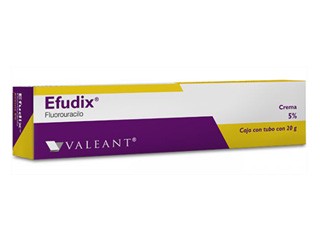
- Some skin/field cancerisation treatments may use related dosing approaches; however, “fluorouracil” can also be available as topical therapies in some contexts, which are different from injectable chemotherapy
If you are unsure which form you have (systemic injection vs topical preparations), ask your pharmacist or oncology team. This page focuses on the commonly used systemic chemotherapy medicine.
Timing and how treatment cycles are scheduled
Fluorouracil dosing schedules vary widely. Timing depends on the cancer type, the regimen, whether you receive bolus doses, continuous infusions, and whether other medicines are included.
Typical scheduling patterns may include:
- Day-by-day courses over one to several days within a chemotherapy cycle
- Continuous infusion over a period (e.g., one or more days), administered via infusion pump in an outpatient setting
- Periodic cycles (commonly every 2–4 weeks, depending on the regimen)
Your treatment plan will specify:
- the exact dose amount and schedule
- when blood tests are required
- the day/time of your infusion or injection appointments
- when to call the clinic if side effects occur
Food interactions
Because fluorouracil is commonly administered as an injection/infusion, food interactions are usually less direct than with oral medicines.
That said, nutrition and gut side effects (like nausea, appetite loss, diarrhoea, or mouth sores) can affect how well you can eat and tolerate meals. Practical guidance:
- Small, frequent meals may be easier if your appetite is reduced.
- Hydration is important, especially if you experience diarrhoea or vomiting.
- If you develop mouth sores, softer foods and avoiding irritants (spicy, acidic foods) may help.
- Follow any dietary advice provided by your oncology dietitian or healthcare team.
Important: Always tell your team about supplements, herbal products, and special diets—these can sometimes affect your overall health and tolerance of chemotherapy.
Alcohol and medicine interactions
Alcohol: It is generally advisable to limit or avoid alcohol during chemotherapy, because it may worsen side effects such as nausea, dehydration, fatigue, and impaired liver function. Alcohol can also interact with other medications you may be taking (e.g., anti-nausea medicines, pain medicines, antibiotics).
Medicines interactions: Fluorouracil can interact with other medicines through effects on metabolism, blood counts, or the safety of combined treatments. Specific interactions depend on the regimen and your personal medicines. Tell your clinician/pharmacist about:
- Other chemotherapy agents and supportive cancer medicines
- Blood thinners (anticoagulants), if applicable
- Phenytoin or other anti-seizure medicines
- Warfarin or other medicines that affect clotting (your team may monitor more frequently)
- Allopurinol or medicines affecting uric acid
- Medicines for infections, including certain antibiotics/antifungals
- Over-the-counter medicines and herbal products (e.g., St John’s wort)
Do not start or stop any medicine without checking with your oncology team. If you have an upcoming new prescription or you are taking a short course (e.g., an antibiotic), ask whether it is safe with your current chemotherapy plan.
Dosing: what to expect
Dosing is individualised. Fluorouracil doses are usually calculated based on your body surface area (BSA), which is derived from height and weight, and adjusted for factors such as:
- the cancer type and treatment intent
- your kidney and liver function
- your blood counts
- previous chemotherapy tolerance
- planned combination with other agents
Typical dosing approaches (general examples):
- Bolus + infusion regimens: some protocols use a bolus dose followed by infusion.
- Continuous infusion regimens: some protocols use a longer infusion period.
- Combination therapy: fluorouracil is often combined with leucovorin to enhance effect (protocol-specific).
Important: Exact doses and schedule must come from your oncology plan. Do not use another person’s regimen or any outdated schedule.
Safety profile: common and serious side effects
Like all chemotherapy, fluorouracil can cause side effects. Some are mild and temporary; others require prompt medical attention. Your oncology team may prescribe supportive medicines (for nausea, diarrhoea, or mouth care) and will monitor with blood tests.
Common side effects
- Low blood counts (neutropenia, anaemia, thrombocytopenia), which can increase infection risk or cause bruising/bleeding
- Mouth sores (stomatitis, mucositis)
- Loss of appetite and nausea
- Diarrhoea or abdominal discomfort
- Fatigue and weakness
- Hair changes are less prominent with 5‑FU than some other regimens, but fatigue and scalp irritation may occur
- Hand-foot syndrome (more often associated with some fluorouracil formulations/regimens), which can cause redness, swelling, tingling, or pain in palms/soles
- Skin changes including rash or dry skin
Less common but important side effects
- Dehydration due to vomiting or diarrhoea
- Electrolyte imbalance
- Cardiac effects (rare): chest pain, irregular heartbeats—seek urgent care if symptoms occur
- Severe allergic reactions (rare)
Seek urgent medical help if you experience
- Fever (commonly ≥ 38°C) or chills, especially with low white cell counts
- Severe diarrhoea or inability to keep fluids down
- Signs of infection (burning when urinating, worsening cough, severe sore throat)
- Uncontrolled vomiting
- Shortness of breath, chest pain, or fainting
- Unusual bleeding or black/tarry stools
- Severe mouth pain preventing drinking or eating
Practical use tips (supporting comfort and safety)
Because fluorouracil can affect fast-growing tissues, the best “practical use” is often about preventing complications and knowing when to contact your care team.
- Attend blood test appointments: results guide whether treatment proceeds or needs adjustment.
- Keep a side-effect diary: track diarrhoea frequency, mouth pain, temperature, and fatigue level.
- Hydrate early: start drinking fluids at the first sign of poor appetite, diarrhoea, or nausea.
- Oral care: use gentle mouth rinses as advised; keep your mouth clean; report sores early.
- Skin care: moisturise regularly; protect hands/feet from friction and heat if you notice tingling or redness.
- Infection prevention: wash hands frequently, avoid sick contacts where possible, and follow your clinic’s neutropenia advice.
- Use supportive medications: take anti-nausea or other medicines exactly as prescribed.
- Plan for fatigue: schedule important tasks on higher-energy days and allow extra rest.
If you use an infusion pump: ensure you are trained on how to handle the device safely, recognise problems (leaks, dislodged line, alarms), and know who to call after hours.
Food, nutrition, and managing side effects
Chemotherapy can affect taste, appetite, digestion, and mouth comfort. A few patient-friendly strategies:
- Nausea: consider bland foods (crackers, toast, rice) and small meals; avoid strong odours when possible.
- Diarrhoea: ask your team about anti-diarrhoea medication and hydration plans; avoid dehydration.
- Mouth sores: choose soft foods (yoghurt, soups once cooled, smoothies), and avoid spicy/acidic foods.
- Weight changes: report rapid weight loss; ask about a dietitian review.
Always discuss dietary changes with your oncology team—some foods or supplements may not be appropriate depending on treatment and blood counts.
Alternative options (discuss with your oncology team)
Depending on the cancer type and stage, alternatives may include other chemotherapy agents, targeted therapies, immunotherapies, radiation therapy, or supportive/adjunct treatments. Some regimens may substitute or combine medicines to achieve the desired effect.
Examples of alternative systemic options used in cancer care (varies by indication):
- Other fluoropyrimidines (e.g., capecitabine is an oral prodrug related to 5‑FU in some protocols)
- Platinum-based chemotherapy (e.g., oxaliplatin, cisplatin) depending on tumour type
- Taxanes (e.g., paclitaxel, docetaxel)
- Targeted therapies (depending on tumour genetic markers)
- Immunotherapy for eligible cancers
- Radiation therapy as part of a combined approach
Only your treating team can determine which alternatives are appropriate for your diagnosis, tests, and treatment goals.
Market and legal context for Australia (important notes)
In Australia, medicines used for cancer treatment are regulated under national medicines and therapeutic goods frameworks. Fluorouracil is supplied through appropriate healthcare channels and is commonly administered by oncology services.
Key practical points:
- Supply and administration: fluorouracil is typically provided to hospitals/day units for administration by trained staff, or via outpatient chemotherapy services with monitoring.
- Safety requirements: oncology medicines require careful handling and administration due to cytotoxic risk and dosing accuracy.
- Clinical oversight: treatment requires frequent monitoring, including blood tests, to assess safety and response.
Always rely on advice from Australian healthcare professionals and your oncology clinic’s procedures.
Recent guidance and monitoring (general overview)
Oncology practice evolves with new evidence and safety updates. In routine care, clinicians commonly apply current best-practice monitoring, which may include:
- Blood count monitoring before and during cycles
- Assessment of liver and kidney function as relevant
- Early recognition and treatment of side effects such as diarrhoea, mucositis, and infection
- Dose adjustments based on tolerance, toxicity grade, and overall health
Your clinic may also screen for certain risk factors (for example, prior severe toxicity) and adjust regimens accordingly.
Delivery and availability in Australia
Availability can vary by hospital supply arrangements, chemotherapy schedules, and the specific product presentation used in your regimen. In many cases, fluorouracil is delivered to healthcare facilities rather than directly to patients’ homes.
If you are sourcing medicines through an online pharmacy, availability is usually subject to:
- current stock levels and authorised supply chains
- the exact formulation and strength required
- delivery location and timing aligned with your treatment appointment
- cold-chain or handling requirements (if applicable to a specific product)
Recommended approach: confirm with your pharmacy how and when your treatment medicine will be supplied, and ensure the delivery timing matches your oncology appointment schedule.
FAQ
1) Is fluorouracil the same as “5‑FU”?
Yes. “Fluorouracil” and “5‑fluorouracil” (5‑FU) refer to the same chemotherapy medicine.
2) How is fluorouracil given?
Fluorouracil is commonly given as an injection or infusion as part of chemotherapy. The method and schedule depend on your regimen and cancer type.
3) Will I be able to eat normally during treatment?
Many people can eat at least some foods, but appetite changes, nausea, diarrhoea, and mouth sores may occur. Small frequent meals, hydration, and mouth/skin care can help. Ask your oncology team for personalised dietary advice.
4) What should I do if I develop diarrhoea?
Contact your oncology team promptly, especially if diarrhoea is frequent, watery, or accompanied by fever or dehydration. They may recommend specific treatments and a hydration plan.
5) Can I drink alcohol while receiving fluorouracil?
It’s generally recommended to avoid or limit alcohol during chemotherapy due to potential increased side effects and effects on dehydration and liver health. Ask your clinician for guidance specific to you.
6) Are there foods I should avoid?
Because fluorouracil is usually administered by injection/infusion, direct food interactions are less common. However, if you have mouth sores or diarrhoea, you may need to avoid irritant foods and focus on gentle, hydrating options. Follow your team’s advice.
7) What monitoring will I have?
Common monitoring includes blood tests to check white cells, red cells, and platelets, plus assessments of symptoms and side effects. Your team will adjust dosing if needed.
8) What is hand-foot syndrome?
Hand-foot syndrome can cause redness, swelling, tingling, or pain in the palms and soles. Report symptoms early so your team can advise changes and supportive care.
9) Are there medicines that commonly interact with fluorouracil?
Interactions can occur depending on what other medicines you take and the treatment regimen. Always provide your full medication list (including OTC and herbal products) to your pharmacy and oncology team.
10) Where can I find help if I feel unwell between appointments?
Most oncology services provide an after-hours contact number or escalation plan. Use it if you develop warning signs such as fever, severe diarrhoea, uncontrolled vomiting, infection symptoms, chest pain, or breathlessness.
Disclaimer: This information is for general educational purposes and does not replace advice from your healthcare professional. If you have concerns about side effects or interactions, contact your oncology team or pharmacist for guidance tailored to your situation.