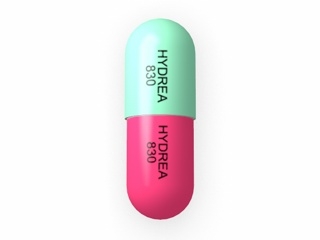


Hydrea (Hydroxyurea) — Patient Information
Hydrea contains hydroxyurea, a medicine used to treat certain blood disorders and cancers. This guide is designed to help you understand what Hydrea is, how it works, how it’s usually taken, and what to expect. It also covers important safety information, food and alcohol interactions, and frequently asked questions relevant to people in Australia.
Note: Always follow the specific directions given by your treating healthcare professional and the instructions on the product label. If anything is unclear, ask your pharmacist.
1. Basic product information
Brand name: Hydrea
Generic name: Hydroxyurea
Medicine type: Antineoplastic/antimetabolite; used in oncology and some myeloproliferative disorders
How it is supplied: Usually available as oral capsules (strengths vary by product/region—check your pack).
Where it’s used: Australia, including dispensing through community and hospital pharmacies, depending on your clinical situation and availability.
2. How Hydrea works (mechanism of action)
Hydroxyurea works mainly by affecting how cells replicate their DNA. It is a DNA synthesis inhibitor and can reduce the production of certain blood cells and tumour cells.
- Ribonucleotide reductase inhibition: Hydroxyurea interferes with enzymes needed to make building blocks (nucleotides) for DNA replication.
- Cell cycle effects: This slows the division of rapidly growing cells, including abnormal blood-forming cells and some cancer cells.
- Potential benefits in blood disorders: In conditions such as polycythaemia vera and essential thrombocythaemia, reducing excessive blood cell production can lower the risk of complications.
Hydroxyurea is not a “painkiller” or an antibiotic. Its effects depend on how the drug influences cell production over time.
3. Pharmacokinetics (how the body processes it)
Pharmacokinetics describe what the body does to a medicine. While individual responses vary, the following are general patterns:
| Topic | Typical information |
|---|---|
| Absorption | Hydroxyurea is absorbed after oral dosing. Food may influence the degree/timing of absorption in some people. |
| Distribution | It distributes throughout the body and can reach tissues involved in blood formation and tumour activity. |
| Metabolism | Hydroxyurea is metabolised primarily in the liver. |
| Elimination | It is cleared mainly via the kidneys (urine). Kidney function may affect dosing needs. |
| Onset of effect | Blood counts may change within days to weeks; full response may take longer and is monitored with regular blood tests. |
Because dosing often depends on blood results and kidney function, your clinician may schedule blood tests frequently at the start and after any dose changes.
4. Typical uses (indications)
Hydrea may be used for the following conditions (depending on your diagnosis, risk category, and overall health):
- Myeloproliferative neoplasms (MPNs): including
- Polycythaemia vera (PV) in certain adults, particularly where there is a need to control elevated blood counts.
- Essential thrombocythaemia (ET) in certain adults, particularly if higher-risk features are present.
- Certain cancers: including some settings where hydroxyurea is used as part of a treatment plan (specific cancer types and regimens depend on the clinical situation).
- Sickle cell disease: In some cases, hydroxyurea is used to help reduce complications by increasing fetal haemoglobin; the exact use depends on local clinical practice and product availability.
Important: The exact indication and dosing schedule can differ. Your treatment should be tailored by your healthcare team.
5. How to take Hydrea (timing and dose schedule)
Your dosing schedule depends on why you’re taking Hydrea, your blood test results, and kidney function. Do not change the dose yourself.
Typical timing
- Hydroxyurea is usually taken once daily, though some regimens may differ.
- Try to take it at the same time each day to maintain consistent drug levels.
With or without food
- Hydroxyurea can often be taken with food or on an empty stomach, depending on individual tolerance.
- If food upsets your stomach less, taking with a light meal may help.
- Consistency is key—try to take it the same way each day.
Swallowing and handling
- Swallow capsules whole with water.
- Do not open or crush capsules unless specifically instructed.
- Wash hands after handling capsules.
If you miss a dose
- Take the missed dose only if you are close to the scheduled time.
- If it is nearly time for the next dose, skip the missed dose.
- Do not double up.
- If you’re unsure, contact your pharmacist or prescriber for advice.
Regular monitoring
- Expect regular blood tests (e.g., full blood count) to track how your body responds.
- Your clinician may adjust the dose based on blood count changes and side effects.
6. Food interactions (what to consider)
Food interactions with hydroxyurea are generally not as complex as with some other medicines, but they can affect comfort and absorption.
- General approach: Take Hydrea consistently, either with food or without food.
- Gastrointestinal side effects: If you experience nausea, taking with a meal may help.
- Hydration: Maintain adequate fluid intake unless your healthcare team has restricted fluids.
Always tell your clinician about supplements or herbal products you use. Some supplements may affect blood counts or liver/kidney function.
7. Alcohol and medicine interactions
Alcohol
- There is no single rule for everyone, but alcohol can increase stress on the liver and may worsen some side effects such as fatigue or nausea.
- It may also increase the risk of dehydration, which can be a concern during treatment.
- To be safest, ask your healthcare professional whether moderate alcohol is appropriate for you.
Medicines that may interact
Hydroxyurea can affect the bone marrow and blood cell production. This means medicines that also suppress the immune system or affect bone marrow may increase the risk of infection, anaemia, or low platelets.
Tell your healthcare team about all medicines you take, including:
- Other cancer medicines (chemotherapy agents) and radiation therapy
- Other medicines that affect blood counts (e.g., some immunosuppressants)
- Medicines that increase infection risk
- Medicines affecting the kidneys or liver
- Warfarin or other anticoagulants (because blood count changes can affect bleeding risk)
- Live vaccines may be a concern if your immune system is affected—discuss vaccination timing with your clinician
Because interactions can be complex, a personalised medicines review by a pharmacist is strongly recommended.
8. Dosing information (general guidance)
Dose varies based on your diagnosis, body size, blood test results, kidney function, and treatment goals. Only your clinician can determine your correct dose.
Key points about dosing
- Blood tests guide dosing: Treatment often starts at a specific dose then adjusted based on response and tolerability.
- Kidney function matters: If you have kidney impairment, you may need a different dose or closer monitoring.
- Temporary dose interruptions: If blood counts drop too low, your clinician may pause or reduce the dose.
Do not self-adjust
A common challenge is taking too much or taking it too often. This can significantly increase side effects, particularly effects on bone marrow.
Practical tip: Use a medication organiser or phone reminders to reduce dosing errors.
9. Safety profile (side effects and warnings)
Like all medicines, hydroxyurea can cause side effects. Some are more common early in treatment; others require longer-term attention. Your doctor will weigh benefits against risks and monitor your blood counts closely.
Common or important side effects
- Low blood counts (bone marrow suppression): may lead to
- Infection risk if white blood cells decrease
- Anaemia (tiredness, weakness, breathlessness)
- Bleeding/bruising risk if platelets decrease
- Gastrointestinal effects: nausea, vomiting, loss of appetite, diarrhoea or constipation
- Fatigue
- Skin and nail changes: dryness, rash, or nail changes; sensitivity to the sun can occur
- Oral ulcers or mouth soreness
- Headache (in some people)
Serious risks—seek urgent medical advice
Contact urgent care or emergency services if you develop:
- Signs of serious infection (e.g., fever, chills, severe sore throat)
- Unusual bleeding (e.g., black/tarry stools, coughing/vomiting blood, severe nosebleeds)
- Severe mouth sores or inability to eat/drink
- Breathing difficulties or chest pain
Long-term considerations
- Hydroxyurea can cause skin reactions in some people. Protect your skin from sun exposure (see practical tips below).
- Your clinician may consider long-term monitoring based on your diagnosis and treatment duration.
Pregnancy and breastfeeding
Hydroxyurea can be harmful to an unborn baby. If you are pregnant, planning pregnancy, or breastfeeding, discuss this urgently with your healthcare professional. Contraception advice will depend on your circumstances and should be confirmed with your clinician.
Fertility considerations
Hydroxyurea may affect reproductive health in some people. Ask your clinician if fertility preservation or specific precautions are relevant.
Overdose
An overdose can cause severe bone marrow suppression and other complications. If you suspect an overdose, seek immediate medical attention.
10. Practical use tips (to help you manage treatment)
- Attend blood test appointments: Monitoring is a major part of safe hydroxyurea therapy.
- Sun protection: Use sunscreen (SPF 30+), protective clothing, and avoid strong midday sun to reduce skin risks.
- Oral hygiene: Brush gently with a soft toothbrush; consider regular mouth rinses if recommended by your pharmacist.
- Hydration and diet: Eat small, frequent meals if nausea occurs; drink plenty of fluids unless restricted.
- Infection prevention: Wash hands often and avoid close contact with people who have infections where possible.
- Track side effects: Keep a brief diary of symptoms (e.g., fatigue, mouth sores, bruising) to share with your clinician.
- Medication safety: Store capsules securely, away from children, and keep them in their original packaging.
Important: Hydroxyurea may cause tiredness in some patients. If you feel unwell or dizzy, avoid driving or operating machinery until you know how you respond.
11. Alternative options (discuss with your clinician)
“Alternatives” depend on what you’re treating. For some conditions, there are different drug classes or different strategies. Your doctor may consider:
- For myeloproliferative neoplasms (PV/ET): other cytoreductive agents, tailored antiplatelet or anticoagulation strategies, and risk-based management.
- For certain cancers: alternative chemotherapy agents, targeted therapies, or combination regimens depending on the cancer type and stage.
- For sickle cell disease: other supportive treatments and disease-modifying options may be discussed.
Because the “best alternative” varies widely, it’s best to ask your healthcare professional what options are available for your specific diagnosis and risk profile.
12. Market and legal context in Australia (overview)
Medicines in Australia are regulated through the Australian Therapeutic Goods Administration (TGA). In practice, hydroxyurea products such as Hydrea may be used under clinical supervision for approved indications and may be subject to prescribing and dispensing requirements typical for specialised medicines.
Availability can vary by strength, pack size, and regional supply. Your pharmacy may source the product through usual supply channels or order it if it’s temporarily unavailable.
Recent guidance and monitoring: For hydroxyurea in myeloproliferative neoplasms and other conditions, clinical practice commonly involves risk-adapted use and regular monitoring of blood counts and side effects. Local guidelines may update based on emerging evidence; your treating team will use current recommendations.
13. Delivery and availability (what to expect online)
When ordering Hydrea via an online pharmacy, availability depends on supplier stock and your location within Australia.
- Processing time: Orders are typically processed during business hours.
- Dispatch: Dispatch timelines vary based on stock availability.
- Delivery: Standard or express options may be offered, depending on your area and the pharmacy’s service model.
- Packaging: Medicines are generally packaged securely to protect from damage during transit.
If the medicine is temporarily out of stock, your pharmacy may contact you with options such as restocking timelines or alternative arrangements, depending on clinical appropriateness.
14. Hydrea FAQ
How long does Hydrea take to work?
In many cases, blood counts may start to change within days to weeks. Full response can take longer and depends on your diagnosis and dose. Your healthcare professional will use regular blood tests to assess effectiveness and adjust dosing as needed.
What blood tests will I need?
Typically, you’ll have a full blood count (FBC) and may also have tests to monitor kidney function and other safety parameters. Frequency is usually higher at the start and after dose changes.
Can I take Hydrea with food?
Often yes—many people tolerate hydroxyurea better with food. The most important factor is consistency. If you’ve been taking it one way, try not to switch without asking your pharmacist.
Will Hydrea weaken my immune system?
Hydroxyurea can reduce bone marrow activity, which may lower white blood cells and increase infection risk. Monitoring is essential, and you should seek medical advice promptly if you develop fever or other infection symptoms.
What should I do if I get mouth ulcers or sores?
Mouth sores can occur. Contact your pharmacist or clinician for advice. In the meantime, maintain gentle oral hygiene and avoid irritating foods. If sores are severe or you cannot drink/eat, seek medical help.
Is it safe to drink alcohol while taking Hydrea?
Alcohol may increase the chance of side effects (such as nausea and fatigue) and may affect liver health. Ask your healthcare professional what level (if any) is suitable for you based on your medical history and current medications.
Are there vaccines I should avoid?
In general, if your immune system is affected, live vaccines may be unsuitable. Talk to your clinician or pharmacist about vaccination timing.
Can I take other medicines at the same time?
Many medicines can be taken together, but interactions are possible—especially with other treatments that influence blood counts, immune function, kidney or liver function, or bleeding risk. Always provide your pharmacist with a complete list of medicines and supplements.
What if I accidentally take too much?
Do not wait—seek urgent medical advice immediately. Overdose may cause serious bone marrow suppression and other complications.
How should I store Hydrea?
Store capsules according to the label instructions (typically in a cool, dry place, away from children). Keep in the original packaging to protect from moisture and to help identify the product.
What if Hydrea isn’t available?
If your pharmacy can’t supply the product promptly, they may discuss alternatives such as sourcing from another supplier or arranging a clinically appropriate substitute, depending on your situation.
15. Summary
Hydrea (hydroxyurea) is a medicine used to treat certain blood disorders and cancers. It works by interfering with DNA synthesis in rapidly dividing cells. Because it can reduce bone marrow activity, safe use relies on regular blood monitoring, careful dosing, and attention to side effects such as infection, anaemia, and bleeding.
If you have questions about how to take Hydrea, interactions with your current medicines, or how to recognise concerning symptoms, speak with your pharmacist or treating healthcare team.