

Digoxin (Digoxin) — Patient Information for Australia
Digoxin is a medicine used primarily for certain heart conditions. It helps the heart pump more effectively and, in some people, can slow the heart rate. Digoxin has been used for many decades and remains an important option in selected patients.
This guide is designed to be patient-friendly and to help you understand how digoxin works, how it is used, and what to watch for. It also includes practical tips for safer use and information relevant to Australia, including delivery and availability considerations for online purchasing.
Basic product information
- Medicine name: Digoxin
- How it works in the body: Increases cardiac contractility and may slow heart rate
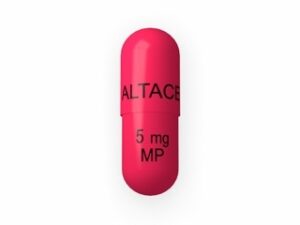
- Common forms: Tablets and some capsule formulations (brands may vary by supplier)
- Typical dosing schedule: Usually once daily, but dosing can vary by indication and individual factors
- Important note: Digoxin has a narrow therapeutic range, meaning the difference between an effective and potentially harmful dose can be small. Monitoring and careful dosing are important.
How digoxin works (mechanism of action)
Digoxin works mainly by affecting sodium and potassium movement inside heart cells. In simple terms, it:
- Inhibits the Na⁺/K⁺-ATPase pump (a pump in the cell membrane). This increases intracellular sodium, which indirectly allows more calcium to enter heart cells.
- Increases intracellular calcium, strengthening the heart muscle contraction. This can improve the heart’s pumping ability in certain forms of heart failure.
- Influences the electrical system of the heart, including increased vagal (parasympathetic) tone. This can slow conduction through the atrioventricular (AV) node, helping control the heart rate in certain arrhythmias.
The result is improved cardiac output in selected patients and/or a reduction in heart rate when digoxin is used for rhythm control strategies.
Pharmacokinetics (how your body handles digoxin)
Understanding pharmacokinetics can help explain why dosing and monitoring matter.
| Topic | What generally happens |
|---|---|
| Absorption | Digoxin is absorbed from the gastrointestinal tract. Absorption can vary between individuals. |
| Time to effect | Clinical effects may be seen within hours for heart rate control; full effects on heart function may take days. |
| Onset for symptoms | Some patients notice improvement in shortness of breath or swelling over time; heart-rate effects can be more immediate. |
| Distribution | Digoxin distributes into tissues, including the heart. |
| Metabolism | Most digoxin is not extensively broken down by the liver. |
| Elimination | Digoxin is mainly cleared by the kidneys. Kidney function strongly affects digoxin levels. |
| Half-life | The elimination half-life is long compared with many medicines. This is why accumulation can occur if dosing isn’t adjusted. |
| Why levels are important | Because digoxin has a narrow therapeutic range, blood levels may be checked, especially if symptoms change, kidney function declines, or interacting medicines are started. |
Typical uses of digoxin
Digoxin is used for selected heart-related conditions, depending on individual circumstances, overall treatment plan, and current clinical guidelines.
Common indications include:
- Heart failure (selected patients): Digoxin may be considered to help improve symptoms and reduce hospitalisation risk in certain people with heart failure—particularly when symptoms persist despite other standard therapies.
- Atrial fibrillation (rate control): Digoxin can help slow the heart rate in people with atrial fibrillation, especially when controlling heart rate is the main goal.
- Atrial flutter (rate control): In some cases, digoxin is used to help manage the ventricular rate in atrial flutter.
The most appropriate use of digoxin depends on your diagnosis, symptoms, age, kidney function, electrolytes (such as potassium and magnesium), and other medicines you take.
Timing: how to take digoxin
Many people take digoxin once daily, but your exact timing should follow the directions provided by your healthcare professional and the product label.
- Take it at the same time each day to maintain steady levels.
- Consistency matters: changes in dose timing or missed doses can affect blood concentration.
- With or without food: digoxin can usually be taken with or without food, depending on the formulation you’re using—follow your label instructions.
- If you miss a dose: do not double up. Instead, take advice from a pharmacist/health professional on what to do based on when you remember and your dosing schedule.
Food interactions
Most foods do not directly prevent digoxin from working, but there are a few important considerations.
Dietary fibre and absorption
- High-fibre diets or significant changes in diet may affect digoxin absorption in some individuals.
- If you recently changed your diet significantly, mention this to your healthcare professional—especially if you have had digoxin level monitoring.
Grapefruit and similar fruit
- Unlike some other heart medicines, digoxin is not typically associated with major grapefruit-related interactions. However, interactions can still occur through shared metabolic pathways or effects on kidney function and electrolytes depending on the overall medicine list.
- It’s safest to discuss consistent dietary changes and any new supplements with a clinician.
Key point: keep your diet reasonably consistent. If you plan major dietary changes, ask your pharmacist or doctor.
Alcohol interactions
Alcohol does not usually have a direct chemical interaction with digoxin, but it can indirectly affect safety by influencing dehydration, electrolyte balance, and adherence to medication schedules.
- Dehydration (from heavy alcohol intake) can worsen kidney function and increase digoxin levels.
- Electrolyte disturbances (especially low potassium) may increase the risk of digoxin-related rhythm problems.
- Missed doses after drinking can also contribute to instability.
If you drink alcohol, aim for moderate and discuss your intake with a pharmacist or doctor—particularly if you have kidney disease, low potassium, or a history of digoxin toxicity.
Medicine interactions (important)
Digoxin interactions are a major safety consideration. Many medicines can raise or lower digoxin levels, or increase the risk of abnormal heart rhythms.
Medicines that may increase digoxin levels (risk of toxicity)
- Amiodarone
- Verapamil and some other calcium-channel blockers
- Macrolide antibiotics (e.g., clarithromycin, erythromycin)
- Some antifungal medicines (azole antifungals)
- Some antivirals used in specific infections
Medicines that may lower digoxin levels (reduced effect)
- Rifampicin (an antibiotic used for specific infections)
- Some drugs affecting gut bacteria (for example, certain long courses of antibiotics may alter gut flora and influence digoxin metabolism/absorption)
Electrolyte and rhythm-related interactions
Even if digoxin levels don’t change dramatically, some medicines can increase the risk of toxicity by altering electrolytes or heart rhythm stability.
- Diuretics (“water tablets”) can lower potassium and magnesium, increasing the risk of digoxin-related arrhythmias.
- Other medicines affecting rhythm may add to rhythm effects.
- Thyroid hormone changes (e.g., starting or stopping thyroid therapy) can influence sensitivity to digoxin.
Always check before starting new medicines: include prescription medicines, over-the-counter products, and herbal/supplement products. If a new medicine is prescribed, ask the pharmacist whether it can interact with digoxin and whether your dose needs review.
Dosing: how much digoxin is typically used
Digoxin dosing is individual. Factors such as age, body weight, kidney function, and the specific heart condition all influence the right dose. In Australia, dosing instructions are provided on the medicine label and follow local clinical practice.
Important: Do not adjust your dose without medical advice. Because digoxin has a narrow therapeutic range, dose changes can increase the risk of toxicity.
Typical dosing patterns
- Heart failure: lower maintenance doses are commonly used; initial loading (if used at all) is done under medical supervision.
- Atrial fibrillation / flutter: dosing is also commonly once daily and adjusted based on response and blood level checks if needed.
When lower doses are often needed
- Older age
- Reduced kidney function
- Low body weight or frailty
- Electrolyte imbalances (particularly low potassium or low magnesium)
- Concurrent interacting medicines
Monitoring: Your healthcare professional may check digoxin blood levels, especially if:
- Symptoms suggest digoxin is too high or too low
- Your kidney function changes
- You start medicines known to interact with digoxin
- There are dose adjustments
- Pregnancy, significant illness, or hospital admission occurs
Indications and practical expectations
Digoxin is not used for everyone with heart disease. It is generally chosen when the balance of benefits and risks fits your individual situation.
- Heart failure: may help improve symptoms and reduce hospitalisations in some people, especially those who remain symptomatic despite other therapies.
- Atrial fibrillation/flutter: can help control the heart rate, improving symptoms such as palpitations, breathlessness, and fatigue.
What you might notice: some patients notice changes in heart rate or symptom burden relatively quickly, while others experience gradual improvement. If you feel worse or have new symptoms, contact your healthcare professional promptly.
Safety profile: what to watch for
Digoxin can be safe and effective when used correctly, but it requires caution because toxicity can occur, sometimes even at prescribed doses—particularly if kidney function declines or interacting medicines/electrolyte disturbances are present.
Signs of possible digoxin toxicity
Symptoms can include:
- Nausea, vomiting, loss of appetite
- Diarrhoea
- Unusual fatigue or weakness
- Dizziness or confusion
- Visual changes (e.g., blurred vision, seeing halos around lights, changes in colour perception)
- Slow or irregular heartbeat, palpitations, fainting
- New/worsening shortness of breath
Seek urgent medical care if you experience symptoms suggestive of an abnormal heart rhythm (such as fainting, severe dizziness, or marked palpitations), or if you suspect overdose.
Who needs extra caution
- People with kidney impairment
- People with low potassium or low magnesium (or at risk due to diuretics)
- People taking multiple interacting medicines
- People with low heart rate or certain conduction disorders
- Older adults
Pregnancy and breastfeeding (general considerations)
The use of digoxin in pregnancy and breastfeeding must be individualised by clinicians. If you are pregnant, planning pregnancy, or breastfeeding, speak with your healthcare professional to discuss risks and benefits.
Practical use tips for safer digoxin therapy
- Keep a routine: take your dose at the same time each day.
- Use a medication organiser (pill box) if it helps you avoid missed or duplicate doses.
- Track symptoms: note changes in breathlessness, swelling, palpitations, dizziness, or appetite.
- Be mindful of electrolytes: if you’re on diuretics or have vomiting/diarrhoea, ask about monitoring potassium and magnesium.
- Don’t stop suddenly: stopping digoxin without advice may worsen heart rate control or symptoms.
- Confirm your dose form and strength: digoxin products may vary in strength between brands—always check the label.
- Tell your healthcare team: include pharmacists, nurses, and doctors—especially before starting new prescriptions.
If you have previously had digoxin blood level monitoring, keep a record of recent results and share them at appointments.
Alternative options
“Alternative” depends on what digoxin is being used to treat. Your clinician may choose different medicines or strategies based on your diagnosis.
If used for heart failure
- Standard heart failure therapies (e.g., medications that reduce strain on the heart and improve survival) may be used depending on your specific type of heart failure.
- In some people, alternative symptom-control strategies may be preferred over digoxin.
If used for atrial fibrillation / flutter (rate control)
- Beta-blockers may be used to slow heart rate.
- Non-dihydropyridine calcium-channel blockers (where appropriate) are sometimes used for rate control.
- In selected situations, rhythm control options or procedures may be considered.
If you’re concerned about digoxin or experience side effects, ask your pharmacist or doctor about options that suit your diagnosis and overall treatment plan.
Market and legal context for Australia
In Australia, availability and supply of medicines are governed by Australian regulatory and pharmacy requirements. Digoxin is a medicine that requires appropriate clinical assessment and safe prescribing practices.
Online pharmacies in Australia typically require:
- verification of patient details and suitability of therapy
- appropriate dispensing processes and product identification
- access to pharmacist support for advice on safe use and interactions
If you are buying digoxin online, ensure the pharmacy is operating legally in Australia and that the product is supplied with correct labelling and instructions.
Tip: always retain the packaging and leaflets for reference, and check the medicine strength matches what was intended.
Recent guidance and clinical considerations
While guidance can vary by patient and evolves with evidence, clinicians commonly emphasise the following for digoxin use:
- Careful patient selection: digoxin is generally used when benefits are expected and other options alone are insufficient or unsuitable.
- Monitoring and safety: review kidney function, electrolytes, and interacting medicines; consider blood level testing in appropriate situations.
- Symptom and heart rhythm awareness: patients are encouraged to seek advice promptly if they feel unwell or notice signs of irregular heart rhythm or toxicity.
- Consistency: stable dosing schedules and avoidance of abrupt changes help maintain safe levels.
Your treating clinician may tailor these principles based on your health status and lab results.
Delivery and availability (online pharmacy)
Online pharmacies commonly offer delivery across Australia, with timing depending on location and dispatch schedules. Availability can vary by brand and stock levels.
- Check stock: some formulations may be supplied from local or distribution channels.
- Delivery timeframes: these vary by courier and state; delivery estimates are typically shown at checkout.
- Packaging: products are generally supplied in original manufacturer packaging.
- Pharmacist support: reputable online pharmacies provide access to advice on dosing, missed doses, and interactions.
Best practice: place orders early enough to avoid running out, especially if you take digoxin daily and require steady dosing.
FAQ: Digoxin
1. What is digoxin used for?
Digoxin is used for selected heart conditions such as heart failure and to help control heart rate in atrial fibrillation or atrial flutter.
2. How quickly does digoxin work?
Some effects (especially heart-rate changes) may be noticed within hours in certain situations. Symptom improvement for heart failure may take longer, often days. Your clinician can provide an expectation for your specific condition.
3. Should I take digoxin with food?
Digoxin is usually taken with or without food depending on your product instructions. If your label says to take it a certain way, follow that advice and keep the routine consistent.
4. What should I do if I miss a dose?
Do not double the dose. Contact your pharmacist or healthcare professional for specific advice based on your dosing schedule and how long ago you missed the dose.
5. Can I drink alcohol while taking digoxin?
Moderate alcohol may be acceptable for some people, but alcohol can indirectly increase risks by causing dehydration or electrolyte imbalance. If you drink, discuss what is safe for you—especially if you have kidney problems or take diuretics.
6. What medicines should I avoid with digoxin?
Many medicines can interact with digoxin—particularly those that affect its level in the body or increase the risk of rhythm problems. Always check with a pharmacist before starting new medicines, including antibiotics, antiarrhythmics, antifungals, and diuretics.
7. How will I know if my digoxin dose is too high?
Signs can include nausea, vomiting, loss of appetite, visual disturbances, dizziness, confusion, unusual fatigue, or new/worsening irregular heartbeat. If you suspect toxicity, seek medical advice promptly, and urgent care if severe symptoms occur.
8. Does digoxin require blood tests?
In many cases, clinicians may check digoxin blood levels and monitor kidney function and electrolytes, particularly if symptoms change, if interacting medicines are started, or if kidney function declines.
9. Are there alternatives if I can’t tolerate digoxin?
Yes, depending on the condition being treated. Alternatives for heart failure and for atrial fibrillation/flutter rate control may include other heart-rate or heart-failure medications and, in some cases, non-drug strategies.
10. What should I tell my doctor or pharmacist before starting digoxin?
Tell them about:
- all medicines you take (including over-the-counter products and supplements)
- kidney disease or recent changes in urine output
- current potassium/magnesium levels if you know them
- any history of digoxin side effects or toxicity
- recent vomiting/diarrhoea or dehydration
Remember: Digoxin can be effective and safe when taken correctly. Because it has important safety considerations, it’s best to keep your medication schedule steady and to seek timely advice if anything changes in your symptoms, medicines, or health.