

Antabuse (Disulfiram) — Patient-Friendly Guide (Australia)
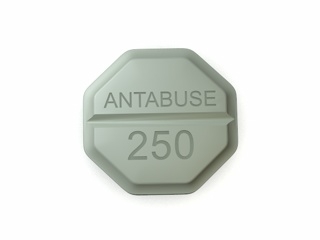
Antabuse contains disulfiram, a medicine used to help people with alcohol dependence maintain abstinence by creating unpleasant effects if alcohol is consumed. This guide explains how Antabuse works, how it’s usually used, key safety considerations, and practical tips for safer use in Australia.
Important: Disulfiram is only suitable for certain people and must be used carefully. Alcohol can appear in unexpected places (such as some sauces, medicines, and tonics), and safety matters are significant—especially for the heart, liver, and pregnancy.
Basic product information
| Feature | Details |
|---|---|
| Medicine name | Antabuse |
| Active ingredient | Disulfiram |
| Medicine type | Alcohol deterrent (aversive therapy) |
| How it works | Blocks the breakdown of alcohol, causing unpleasant symptoms if alcohol is taken |
| Available as | Oral tablets (strengths may vary by brand/stock) |
| Common goal | Support abstinence in people with alcohol dependence |
How Antabuse works (mechanism of action)
Disulfiram helps prevent alcohol from being broken down normally in the body. Under usual conditions, alcohol metabolism involves conversion of alcohol to toxic intermediates and then to harmless products.
- Normally: Alcohol is metabolised by enzymes including alcohol dehydrogenase and then further processed to be cleared.
- With disulfiram: Disulfiram interferes with later steps in alcohol metabolism (notably involving the aldehyde dehydrogenase pathway).
- Result: An alcohol breakdown chemical called acetaldehyde accumulates.
- Effect: Acetaldehyde accumulation leads to the characteristic unpleasant reaction (often called a “disulfiram–alcohol reaction”) if any alcohol is consumed.
Why this matters: The deterrent effect helps some people remain abstinent by making alcohol ingestion very uncomfortable and potentially dangerous.
Pharmacokinetics (how your body handles disulfiram)
Pharmacokinetics describes absorption, distribution, metabolism, and elimination. While individual responses vary, key general points include:
- Absorption: Disulfiram is taken by mouth and absorbed into the bloodstream.
- Metabolism: It is metabolised in the body. The relevant effect on alcohol metabolism is related to how disulfiram (and its metabolites) inhibit alcohol-processing enzymes.
- Onset and duration: The deterrent effect does not always disappear immediately when the tablets are stopped. Effects may persist for some time because of ongoing enzyme inhibition and lingering metabolites.
- Elimination: Drug metabolites are cleared primarily through body processing pathways (commonly liver-related metabolism and subsequent excretion).
Clinical takeaway: If you have taken disulfiram, you should treat future exposure to alcohol (including small amounts) with caution.
Typical use and who it may suit
Antabuse is typically used as aversive therapy for people with alcohol dependence who aim to maintain abstinence.
It may be considered when:
- A person is highly motivated to avoid alcohol.
- There is supervision or support to reduce accidental exposure.
- Other treatment strategies have not been suitable or in combination plans.
Not for everyone: Some medical conditions increase risk, and the deterrent reaction can be harmful. Antabuse may be inappropriate for people with certain heart conditions, severe liver disease, or situations where alcohol exposure is likely (for example, some workplaces or environments).
Timing: when Antabuse works and how to schedule doses
The timing of disulfiram’s effect is important because the deterrent reaction can occur with alcohol ingestion.
- Starting phase: Antabuse is often introduced under a structured plan. The first steps typically involve establishing a safe starting dose and confirming tolerance.
- Consistency: Regular dosing helps maintain the deterrent effect.
- If you missed a dose: The deterrent effect may be reduced. Treat accidental alcohol exposure cautiously and seek advice promptly if you are unsure.
- After stopping: Because enzyme inhibition may persist, alcohol exposure should still be avoided for a period after the last dose.
Always follow your clinician’s schedule: Exact timing depends on your health status, the dose used, and any prior alcohol exposure.
Food interactions and hidden alcohol
Alcohol can be hidden in foods, drinks, and some cooking products. Even “alcohol-free” items should be checked carefully.
Common food and drink sources of alcohol
- Some cooking sauces (e.g., certain marinades, soy-based sauces with alcohol content)
- Vinegar and products containing fermented ingredients (usually small amounts, but check labels)
- Fermented foods and certain desserts where alcohol is used in preparation
- Alcohol-containing extracts (e.g., vanilla extracts with alcohol content)
- Mouthwashes and tonics (even if swallowed accidentally)
Practical tip: When starting disulfiram, consider keeping a short list of approved brands/products and read labels until you become confident about what is safe.
Alcohol in medicines and OTC products
Some non-prescription products and cough syrups may contain alcohol or alcohol-containing ingredients. Always check ingredient lists.
Alcohol and medicine interactions
Alcohol interaction: disulfiram–alcohol reaction
Consuming alcohol while on disulfiram can cause a range of unpleasant (and sometimes serious) symptoms, which can include:
- Flushing (hot, red face)
- Nausea and vomiting
- Headache
- Throbbing or rapid heartbeat (palpitations)
- Low blood pressure or feeling faint
- Trouble breathing or chest discomfort
- In severe cases: collapse, significant cardiovascular effects, or serious complications
What to do: If you believe alcohol exposure has occurred, seek urgent medical advice. Do not “wait it out” if symptoms are severe.
Interactions with other medicines
Disulfiram can interact with certain medications. Interactions may increase side effects, alter drug levels, or raise the risk of adverse reactions.
Examples of medicines that may require extra caution include:
- Warfarin and other blood thinners (effects on bleeding risk may change)
- Some anti-epileptic medicines (risk of neurologic effects may differ)
- Metronidazole (may increase risk of adverse reactions)
- Oral diabetes medicines and other agents affecting metabolism (monitoring may be needed)
- Medicines causing sedation or those with liver effects (extra caution if liver health is a concern)
Always check: Tell your healthcare team about all medicines, including:
- Prescription medicines
- Over-the-counter products
- Herbal supplements
- Topical products and inhalers (less likely but still worth checking)
Indications: when Antabuse is used
Antabuse (disulfiram) is indicated for the support of abstinence in people with alcohol dependence through the creation of an aversive reaction to alcohol.
It is a specialised therapy and works best when combined with a structured plan, counselling/support, and careful avoidance of alcohol exposure.
Dosing: typical approaches (general information)
Because dosing depends on medical history, risk factors, and the treatment plan, this section provides general guidance only. Your clinician will decide the safest starting dose and schedule for you.
Typical dosing structure
- Initial dosing: Commonly begins at a supervised dose to establish tolerability and ensure adequate deterrent effect.
- Maintenance dosing: Often uses a lower dose than the initial phase, taken regularly.
- Adjustment: The dose may be changed based on response, side effects, and safety monitoring.
Key dosing safety points
- Alcohol avoidance: Strict avoidance is required. Even small exposures may trigger symptoms.
- Liver health: Dosing and monitoring may be more cautious if liver issues exist.
- Neurologic symptoms: If you develop unusual nerve symptoms (e.g., tingling, weakness), seek advice promptly.
Do not adjust your dose unless advised by a healthcare professional.
Safety profile: important risks and who needs extra caution
Like all medicines, disulfiram can cause side effects. Some effects can be serious, particularly in people with certain conditions or if alcohol is consumed.
Common or noticeable side effects
- Fatigue or drowsiness
- Headache
- Metallic or unpleasant taste
- Gastrointestinal upset (e.g., nausea)
- Skin rash or acneiform eruptions (in some cases)
Serious adverse effects (seek urgent advice if symptoms occur)
- Severe liver injury (possible signs: yellowing of skin/eyes, dark urine, severe upper abdominal pain, persistent nausea)
- Allergic reactions (swelling of face/lips, difficulty breathing, widespread rash)
- Neurologic effects such as severe numbness, weakness, confusion, or unusual coordination problems
- Cardiovascular complications especially during a disulfiram–alcohol reaction (chest pain, severe dizziness, fainting)
- Mental health changes (new or worsening depression, agitation, or severe behavioural changes)
Conditions requiring extra caution
Disulfiram may be unsuitable or requires close monitoring in people with:
- Liver disease or a history of hepatitis
- Heart disease or significant cardiovascular risk
- Neurologic conditions or a history of nerve damage
- Psychiatric conditions that could be exacerbated
- Pregnancy or breastfeeding (safety depends on individual circumstances—discuss with healthcare professionals)
Driving and machinery: If you feel drowsy or unwell, avoid driving or operating machinery until you know how you respond.
Practical use tips for day-to-day safety
1) Confirm alcohol exposure risks
- Check labels for alcohol content in foods and beverages.
- Be cautious with mouthwash, cough remedies, and tonics.
- Ask staff about alcohol-containing ingredients when dining out.
2) Keep communication open
- Inform your dentist, pharmacist, and other healthcare providers that you take disulfiram.
- Before any procedure or new medicine, ask whether alcohol is present in the formulation.
3) Plan for accidental exposure
- If alcohol was swallowed accidentally (including small amounts), monitor symptoms closely.
- If symptoms occur—especially chest pain, severe dizziness, fainting, breathing difficulties, or severe vomiting—seek urgent medical care.
4) Lifestyle support
- Antabuse works best alongside counselling, structured support, and triggers planning.
- Consider peer support groups and relapse-prevention strategies.
5) Storage
- Store tablets according to the packaging instructions (typically at room temperature, protected from moisture and heat).
- Keep out of reach of children.
Alternative options to consider
Alcohol dependence is treated in multiple ways. If disulfiram is not suitable, alternatives may include:
- Medications that reduce craving or relapse risk (varies by individual health and suitability)
- Behavioural and counselling therapies (including cognitive behavioural therapy and motivational approaches)
- Support services through community and specialist addiction services
- Withdrawal management when needed (often a medically supervised process)
Choosing the right option: The best approach depends on your medical history, severity of dependence, mental health, and support environment. Discuss with a healthcare professional about what fits your situation.
Market and legal context for Australia
In Australia, access to medicines is governed by the Therapeutic Goods Administration (TGA) and state/territory medicines regulation. Medication availability, brand naming, and supply practices can change over time based on regulatory updates and market conditions.
Antabuse (disulfiram) may be supplied through standard healthcare channels and may be subject to pharmacy dispensing rules. Availability can vary between regions and at different times due to supply considerations.
Pharmacist support matters: Australian pharmacies can help verify product information, check for ingredient issues (including hidden alcohol), and advise on safe use with other medications.
Recent guidance and safety updates (how to stay current)
Guidance for disulfiram and alcohol dependence can evolve as new safety information becomes available. To ensure you have the most current advice:
- Check the latest product information leaflet provided with your medicine.
- Ask your pharmacist if there have been updates to safety warnings or formulation details.
- For the latest medicine safety information, refer to Australian health authority resources and TGA communications.
Practical point: Even when the medicine is unchanged, safety advice—especially around alcohol exposure and interactions—may be reinforced through updated guidance.
Delivery and availability (online pharmacy information)
Online pharmacy suppliers in Australia typically offer:
- Availability checks before dispatch
- Delivery options within Australia (times vary by location and courier network)
- Secure packaging to protect tablets
- Packaging information and patient information included with delivery
What can affect delivery timing? Stock levels, region, and dispensing processes. If a product is temporarily unavailable, many pharmacies can advise on alternatives or restocking timelines.
Tip: If you need steady deterrent coverage, order with time in mind so you do not run out unexpectedly.
FAQ — Frequently asked questions
1) Can I drink alcohol “a little” while taking Antabuse?
No. Even small amounts of alcohol can trigger the disulfiram–alcohol reaction. It is safest to avoid alcohol completely while on treatment and during the period after stopping, as advised by your healthcare team.
2) How long does the reaction last if I accidentally consume alcohol?
Duration varies depending on how much alcohol was consumed, individual metabolism, and dosing history. Symptoms can be unpredictable and sometimes severe. If you develop significant symptoms, seek urgent medical attention.
3) Are there alcohol-free versions of medicines and mouthwash?
Many products are alcohol-free, but you must still check labels and ingredient lists. Some “alcohol-free” items may still contain trace alcohol depending on formulation. Ask your pharmacist if unsure.
4) What should I do if I feel unwell after starting disulfiram?
Mild side effects like headache or nausea can occur, but you should seek advice promptly if symptoms are severe, persistent, or unusual. Urgent care is needed if you develop signs of liver injury (yellowing skin/eyes, dark urine) or signs of serious reaction.
5) Does Antabuse cause drowsiness?
Some people experience fatigue or drowsiness. Until you know your response, avoid driving or operating machinery if you feel affected.
6) Can I take Antabuse with other medications?
Some medication combinations may increase risks or change effects. Always tell your pharmacist about all medicines and supplements you take, including OTC products.
7) Is it safe in pregnancy or while breastfeeding?
Safety in pregnancy and breastfeeding depends on individual circumstances. Discuss with healthcare professionals before use.
8) Can I stop Antabuse suddenly?
Stopping may reduce the deterrent effect, but alcohol exposure precautions may still be necessary for a period. Do not stop or restart without medical guidance.
9) What if I accidentally ate or drank something with alcohol?
Stop further exposure and monitor symptoms. If symptoms are significant (especially chest pain, fainting, severe vomiting, breathing problems), seek urgent medical care.
10) Are there alternatives if disulfiram isn’t suitable?
Yes. Other evidence-based treatments for alcohol dependence include medications and counselling/support programs. Your best option depends on your health, risk factors, and preferences.
When to seek urgent help
Get urgent medical assistance if you experience:
- Severe or persistent vomiting
- Chest pain, severe palpitations, fainting, or severe dizziness
- Difficulty breathing
- Yellowing skin or eyes, severe abdominal pain, or dark urine (possible liver injury)
- Swelling of face/lips or widespread rash with breathing difficulty
Final reminder: Antabuse (disulfiram) can be effective for supporting abstinence, but it requires strict alcohol avoidance and careful attention to drug and food ingredients. If you’re unsure whether a product contains alcohol or how to manage side effects, talk to a pharmacist or healthcare professional.