

Dapsone (Diaminodiphenyl sulfone) — Patient Information
Dapsone (also known as Diaminodiphenyl sulfone) is a medicine used to treat certain infectious and inflammatory conditions. It has been used for many decades and remains important for a limited number of specific diagnoses. This page provides clear, patient-friendly information about what Dapsone is, how it works, how it’s taken, and what to know for safe use in Australia.
Basic product information
| Item | Details |
|---|---|
| Generic name | Dapsone (Diaminodiphenyl sulfone) |
| Common brand examples | Brand availability can vary by supplier and market |
| Medicine type | Antibiotic/antiprotozoal and anti-inflammatory medicine |
| Where it may be used | Infections such as Pneumocystis jirovecii (PJP) prevention in specific situations; leprosy; some dermatologic conditions |
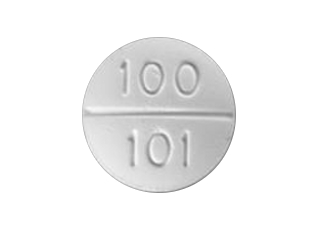
| How it is usually supplied | Oral tablets (strengths vary) |
Availability and presentation (strengths, brands, and formulations) can differ. Your pharmacist can confirm the specific product you will receive.
How Dapsone works (mechanism of action)
Dapsone’s exact mechanisms can vary by condition, but it is best understood as having:
- Antimicrobial activity: it interferes with the way certain organisms use folate (vitamin B9), which limits their ability to grow and multiply.
- Anti-inflammatory effects: in some diseases—especially skin conditions—Dapsone helps reduce immune-related inflammation and improves symptoms.
In practical terms, this means Dapsone may both treat infection and calm harmful inflammation, depending on the diagnosis being managed.
Pharmacokinetics (how the body processes it)
Pharmacokinetics describes what the body does to the medicine. Key points include:
- Absorption: Dapsone is absorbed after oral dosing.
- Distribution: it distributes through the body, including to skin and other tissues.
- Metabolism: Dapsone is metabolised mainly in the liver.
- Elimination: it is cleared from the body over time, with a relatively long duration of action compared with many other medicines.
- Active effects: because of its longer persistence, symptom improvement or preventive protection may take days to establish, and effects can continue for some time after dosing changes.
Individual factors (age, liver function, other medicines, and blood counts) can influence levels and response.
Typical uses in clinical practice
Dapsone is used for specific indications. Depending on your diagnosis, your clinician may use it as:
- Treatment of leprosy (Hansen’s disease), often as part of combination regimens.
- Prevention of Pneumocystis jirovecii pneumonia (PJP) in selected at-risk patients.
- Management of certain skin disorders where its anti-inflammatory properties are beneficial (for example, some neutrophilic dermatoses), under specialist guidance.
Your treatment plan should match the specific condition being targeted. Do not use Dapsone for reasons other than those discussed with your healthcare professional.
When to take Dapsone (timing and routine)
Take Dapsone at the same time each day to maintain steady medicine levels. Common practical routines include:
- Once daily dosing: many regimens are taken once daily.
- With or without food: Dapsone can usually be taken either way, but establishing a consistent routine is helpful.
- Missed dose: if you miss a dose, take it when you remember if it is close to your next dose; otherwise, skip it and continue your usual schedule. Avoid doubling unless advised.
If your prescriber has given you a specific schedule (such as alternating days or dose escalation), follow that plan.
Food interactions
Dapsone has no well-known major “must avoid” foods for most people. However, there are still practical points:
- Take consistently: whether you take it with food or without, keeping the routine stable may reduce side effects and improve adherence.
- Folate status matters: since Dapsone affects folate metabolism pathways in some ways, individuals with folate deficiency may require monitoring and possible supplementation—only as directed by your clinician.
If you have dietary restrictions (for example, low folate intake) or known nutritional deficiencies, discuss this with your healthcare team.
Alcohol and medicine interactions
Alcohol
Alcohol can increase the strain on the liver and may worsen side effects such as nausea, dizziness, and fatigue. Because Dapsone is metabolised in the liver, it’s generally recommended to:
- Avoid heavy or frequent alcohol.
- Use caution and discuss your alcohol intake with your pharmacist or doctor.
Other medicine interactions
Some medicines can increase the risk of blood abnormalities, liver problems, or other complications. Important categories include:
- Medicines that affect blood cell production or function (e.g., certain antimalarials, chemotherapy agents, or other drugs that can affect the bone marrow).
- Medicines known to raise methemoglobin risk (dapsone can increase the chance of methemoglobinaemia in susceptible people; combining with other agents that contribute to this risk may be problematic).
- Other medicines that may affect liver enzymes (potentially altering Dapsone levels or liver strain).
- Haemolysis risk in certain conditions: people with glucose-6-phosphate dehydrogenase (G6PD) deficiency are at higher risk of red blood cell breakdown (haemolysis) when taking Dapsone.
Always provide a complete list of your current medicines (including over-the-counter products and supplements) when using Dapsone. Your pharmacist can help check interactions.
Indications and who may be considered for Dapsone
Dapsone is generally used under clinician supervision for specific diagnoses. It may be considered when:
- There is an established need for an antimicrobial or anti-inflammatory effect as part of a recognised regimen.
- Alternative treatments are unsuitable due to effectiveness, tolerance, availability, or specialist preference.
- Appropriate safety monitoring is arranged (including blood tests).
Dapsone is not suitable for everyone. People with certain blood conditions (particularly G6PD deficiency) may be at greater risk of serious adverse effects.
Dosing (general guidance)
Dosing depends strongly on the diagnosis, age, weight, kidney and liver function, and blood test results. Your individual dose should be set by a healthcare professional.
Common patterns
- Leprosy: dosing is typically part of combination therapy and follows condition-specific regimens.
- PJP prevention: dosing schedules may be daily or intermittent depending on overall health, risk, and monitoring results.
- Skin conditions: clinicians may use dose titration, aiming for the lowest effective dose with symptom control.
Dose adjustment and monitoring
Because Dapsone can affect blood counts and oxygen-carrying capacity (methemoglobinaemia) and can stress the liver in some people, clinicians often adjust dose based on:
- Full blood count (FBC) including haemoglobin and other cell lines
- Liver function tests
- Clinical symptoms such as shortness of breath, unusual tiredness, rash, or fever
If you experience side effects, do not change the dose on your own—contact your doctor or pharmacist for advice.
Safety profile: what to watch for
Dapsone can be effective, but it has an important safety monitoring profile. Side effects can range from mild to serious. If any severe symptoms occur, seek urgent medical attention.
Common or more likely side effects
- Nausea, upset stomach
- Headache or dizziness
- Skin-related reactions (some rashes can occur)
- Fatigue or feeling unwell
Serious risks (seek medical help promptly)
- Haemolysis (red blood cell breakdown), especially in people with G6PD deficiency. Signs may include unusual fatigue, weakness, pale skin, dark urine, or jaundice.
- Methemoglobinaemia: a condition where blood can’t carry oxygen effectively. Symptoms can include shortness of breath, headache, bluish lips or skin, and fatigue. This can be life-threatening.
- Liver problems: symptoms such as yellowing of the skin/eyes (jaundice), dark urine, persistent nausea/vomiting, or right upper abdominal pain require prompt assessment.
- Severe skin reactions: blistering, widespread rash, sores in the mouth, fever, or peeling skin warrant urgent care.
- Blood disorders including severe neutropenia or anaemia: infections, fever, sore throat, or unusual bruising may signal this.
Allergy warning
If you have ever had a serious allergic reaction to Dapsone or other sulfone medicines, it’s important to discuss this before taking it again.
Practical use tips for safer, smoother treatment
- Keep appointments for blood tests: your clinician may recommend baseline and follow-up monitoring (such as FBC and liver function tests).
- Know your risk factors: ask whether you should be tested for G6PD deficiency and whether any genetic or medical factors apply to you.
- Use a consistent daily schedule: setting a daily reminder can help you avoid missed doses.
- Recognise early warning symptoms: watch for signs of anaemia, unusual shortness of breath, or changes in urine/skin colour.
- Review your full medicine list: include herbal products and supplements—some may affect liver function or blood counts.
- Do not stop suddenly without advice: for certain conditions, stopping can reduce effectiveness or change risk profile.
Alternative options
Alternatives depend on the condition Dapsone is being used to treat or prevent. Some examples of alternatives that clinicians may consider include:
- For leprosy: multi-drug regimens are typically used; exact combinations depend on disease type and national guidelines.
- For PJP prevention: other preventive medicines may be used, depending on tolerability and risk factors.
- For certain skin conditions: other dermatologic therapies (topical or systemic) may be appropriate, depending on diagnosis and severity.
Discuss alternatives with your healthcare professional. The “best” option depends on your diagnosis, prior treatment history, and your risk of adverse effects.
Australia: market and legal context
In Australia, medicines are regulated through the Therapeutic Goods Administration (TGA). Medicines may be listed, registered, or included on the Australian Register of Therapeutic Goods depending on product type and status.
Dapsone-containing medicines are generally controlled according to their risk category and intended use. Availability may vary between states and pharmacies, and stock can change. Online pharmacy services may supply Dapsone where it is legally permitted and where appropriate checks and documentation are in place.
For the most current and diagnosis-specific guidance in Australia, clinicians may reference:
- Local prescribing guidelines and specialist recommendations
- Medicines information resources used by Australian healthcare professionals
- TGA product information for safety updates
Recent guidance and monitoring updates (important note)
Safety monitoring practices for Dapsone generally include:
- Baseline blood counts and follow-up testing
- Monitoring for liver effects
- Early assessment of symptoms that may suggest haemolysis or methemoglobinaemia
Guidance can evolve as new evidence becomes available. Your clinician may adjust monitoring frequency depending on your dose, diagnosis, and overall risk factors. Always follow the most recent advice provided to you by your healthcare team.
Delivery and availability (Australia)
Online pharmacies in Australia may offer delivery options depending on location and product availability. Delivery timeframes can vary based on:
- Stock availability at the dispensing site
- Your location (metro vs regional)
- Cut-off times for dispatch
- Shipping service options selected
When ordering, ensure you:
- Confirm the exact strength and form (tablet strength can differ)
- Check your medication timing plan (e.g., once daily)
- Have a plan for ongoing refills if long-term therapy is expected
FAQ
1) What is Dapsone used for?
Dapsone is used for specific conditions including leprosy and certain skin disorders. It may also be used for prevention of PJP in selected at-risk patients, depending on individual medical circumstances and clinician assessment.
2) How long does it take to work?
Timing varies by condition. Some improvements may be noticed within days, while other conditions can take weeks. If you are using Dapsone for prevention, the protective effect depends on consistent dosing over time.
3) Can I take Dapsone with food?
In many cases, Dapsone can be taken with or without food. Choose a routine that suits your stomach and take it consistently. If you get nausea, taking it with a meal may help.
4) Is Dapsone safe for everyone?
No. People with G6PD deficiency or other risk factors may have a higher chance of serious blood-related adverse effects. Dapsone also requires monitoring for blood counts and liver function in many cases.
5) What symptoms suggest I should seek urgent help?
Seek urgent medical assistance if you develop:
- Shortness of breath, blue lips/skin, or significant fatigue (possible methemoglobinaemia)
- Yellowing of skin/eyes, dark urine, or severe abdominal pain (possible liver problems)
- Severe or blistering rash, mouth sores with fever, or peeling skin (possible severe skin reaction)
- Signs of severe anaemia or haemolysis (marked weakness, pale skin, dark urine)
6) Can I drink alcohol while taking Dapsone?
It’s best to avoid heavy alcohol use. Alcohol can worsen stomach side effects and may increase liver strain. If you drink alcohol, discuss your intake with your pharmacist or doctor.
7) What medicines should I avoid or be cautious with?
Interaction risk depends on your personal medicine list. Tell your pharmacist about all prescription and non-prescription medicines, supplements, and herbal products. Particular caution may apply to medicines that can affect blood counts, liver function, or oxygen-carrying capacity.
8) What if I miss a dose?
If you miss a dose, take it when you remember if it’s close to the next scheduled dose; otherwise skip it and continue your usual routine. Do not double up unless your healthcare professional advises it.
9) Are there alternatives to Dapsone?
Alternatives depend on the condition being treated. Your clinician may consider different drugs or regimens based on diagnosis, severity, and your safety profile.
10) Will I need regular blood tests?
Many people taking Dapsone require monitoring, especially early in treatment and after dose changes. Ask your clinician which tests you need and how often.
Important: This information is a general guide. Your doctor or pharmacist can provide advice tailored to your diagnosis, age, medical history, and current medicines. If you are unsure about any aspect of Dapsone use, speak with your healthcare professional before continuing.