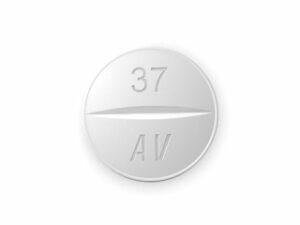

Actoplus Met (Metformin Hydrochloride) – Patient Information (Australia)
Actoplus Met contains metformin hydrochloride. It is a widely used medicine for managing blood glucose levels in people with diabetes. This page explains how it works, how to take it safely, what to expect, and key precautions—written in clear, patient-friendly language for customers in Australia.
1. Basic product information
- Medicine name: Actoplus Met
- Active ingredient: Metformin hydrochloride
- Common uses: Type 2 diabetes mellitus (often with diet and exercise; sometimes alongside other diabetes medicines)
- Availability: Commonly stocked by Australian pharmacies and online retailers (availability may vary by strength and manufacturer)
- Typical dosage forms: Oral tablets (strengths vary by product packaging)
Note: Product appearance and strength (e.g., tablet size and mg per tablet) depend on the specific Actoplus Met presentation. Always check the exact strength on your packaging.
2. How Actoplus Met works (mechanism of action)
Metformin primarily helps lower blood glucose by targeting several steps in how the body handles sugar:
- Reduces liver glucose output: It helps decrease glucose production by the liver, which can reduce fasting blood sugar.
- Improves insulin sensitivity: It makes body tissues respond better to insulin, helping move glucose from the blood into cells.
- Improves glucose uptake: It can enhance peripheral uptake and use of glucose.
- May reduce intestinal absorption of glucose: Some effect may occur in the gut, contributing to improved post-meal glucose levels.
Important: Metformin does not typically cause hypoglycaemia when used alone, because it does not directly force the pancreas to release more insulin. However, the risk may increase when combined with other diabetes medicines.
3. Pharmacokinetics (how the body handles metformin)
Pharmacokinetics describe what the body does with a medicine—how it is absorbed, distributed, metabolised, and eliminated.
- Absorption: Metformin is absorbed from the gastrointestinal tract. Food can affect absorption rate (see “Food interactions”).
- Distribution: It distributes into body tissues. It is not extensively metabolised by the liver.
- Metabolism: Metformin is generally excreted unchanged. It is not significantly transformed into other substances.
- Elimination: Primarily eliminated by the kidneys through renal excretion. Kidney function is therefore very important.
- Half-life: The elimination half-life is typically several hours, so regular dosing schedules help maintain effect.
Why kidney health matters: Because metformin is cleared by the kidneys, people with reduced kidney function may need dose adjustments or may need to avoid metformin depending on current kidney measures.
4. Typical uses in diabetes
Actoplus Met (metformin) is commonly used in type 2 diabetes to help control blood glucose.
In clinical practice, metformin may be used:
- As a first-line medicine alongside lifestyle changes for many people with type 2 diabetes
- In combination therapy with other diabetes medicines when additional glucose lowering is needed
- To support long-term glycaemic control, together with diet, exercise, and monitoring
Not for: Metformin is not used to treat type 1 diabetes and is not typically a substitute for insulin when insulin is required.
5. Indications (who it’s for)
Metformin is indicated for the treatment of type 2 diabetes mellitus (in adults and sometimes in specific age groups depending on product and clinical guidance), particularly when blood glucose is not adequately controlled with lifestyle measures alone.
Your healthcare professional will determine the most suitable treatment plan based on your blood glucose results, overall health, and kidney function.
6. How and when to take Actoplus Met
Always follow the dosing instructions on your packaging or provided by your healthcare professional. The following timing guidance is general and may need to be tailored to you.
Typical starting approach (to reduce side effects)
- Metformin is often started at a low dose and increased gradually.
- Gradual titration can reduce common gastrointestinal side effects such as nausea, diarrhoea, abdominal discomfort, and taste changes.
With meals (recommended)
- Take metformin with food or right after meals to reduce stomach upset.
- If you are on twice-daily dosing, take one dose with breakfast and the other with the evening meal.
- If on three times daily dosing, take doses with breakfast, lunch, and dinner (or as directed).
If you miss a dose
- Take it as soon as you remember unless it’s close to the next dose.
- If close to the next dose, skip the missed dose.
- Do not take double to make up for the missed dose.
7. Dosing overview (general guidance)
Exact dosing depends on:
- Your current blood glucose control
- Your kidney function (eGFR/creatinine results)
- Whether it’s used alone or combined with other diabetes medicines
- How well you tolerate the medicine
Because strengths vary, do not rely on a single number for all Actoplus Met products. Check the label for the specific tablet strength and your prescribed schedule.
| Dosing pattern | Typical timing | General notes |
|---|---|---|
| Once or twice daily (common) | With meals (e.g., breakfast and evening) | Often started low and increased gradually. |
| Three times daily (in some regimens) | With breakfast, lunch, and dinner | May improve tolerability by splitting doses. |
| Adjustment for kidney function | As directed | May require dose reduction or avoidance based on eGFR. |
Kidney check: Many people will have periodic blood tests to monitor kidney function while taking metformin.
8. Food interactions and stomach comfort
Metformin interacts with food mainly by affecting absorption rate and gastrointestinal tolerability.
- Take with or after meals to reduce nausea and diarrhoea.
- Consistent meal timing can help maintain stable blood glucose levels.
- If you notice stomach upset, your clinician may recommend a slower dose increase or dividing doses with meals.
Gastric symptoms: Common early side effects often improve after several weeks as the body adjusts. If symptoms are severe, persistent, or worsening, seek advice promptly.
9. Alcohol interactions (important)
Alcohol should be used with caution. While metformin does not automatically mean you can’t drink, alcohol can increase the risk of problems—particularly if you drink heavily or do so while unwell.
- Avoid binge drinking or frequent heavy alcohol intake.
- Be extra cautious when fasting or skipping meals.
- Do not drink alcohol if you have been vomiting, have severe diarrhoea, or are dehydrated—these situations can raise the risk of lactic acid accumulation.
Seek urgent medical advice if you develop symptoms such as unusual muscle pain, abdominal pain, rapid breathing, extreme tiredness, or feeling unwell after alcohol intake—especially if you have diabetes and are taking metformin.
10. Medicine interactions (common and important)
Metformin has important interactions with certain medicines and medical conditions. Below are practical points commonly considered by clinicians.
Medicines that may affect kidney function or metformin levels
- Medicines that reduce kidney blood flow or function (e.g., some non-steroidal anti-inflammatory drugs or certain blood pressure medicines in specific settings).
- Diuretics (“water tablets”) may contribute to dehydration in some circumstances.
- Other medicines affecting metabolism or excretion may alter metformin handling.
Contrast media (iodinated contrast for imaging)
For some imaging procedures involving iodinated contrast, clinicians may advise temporarily stopping metformin to reduce risk of kidney-related complications. Always tell the imaging team and your treating doctor that you take metformin.
Hypoglycaemia risk with combinations
Metformin alone usually has a low risk of hypoglycaemia. However, if used with medicines that can lower blood glucose more strongly—such as:
- insulin
- sulfonylureas (e.g., gliclazide, glimepiride)
- other glucose-lowering medicines
the risk of low blood sugar may increase. Learn your hypoglycaemia symptoms and how to respond.
General approach
- Share a full list of your medicines and supplements with your pharmacist or doctor.
- If you start a new medicine, check whether it affects diabetes control or kidney function.
- If you become unwell (fever, vomiting, diarrhoea), discuss whether you should pause metformin temporarily (see “Safety profile” and “Practical use tips”).
11. Safety profile and side effects
Like all medicines, metformin can cause side effects. Many are mild and improve with time, especially when dose increases are gradual.
Common side effects
- Gastrointestinal symptoms: nausea, diarrhoea, abdominal discomfort, bloating
- Reduced appetite
- Metallic taste
Serious risks (seek urgent medical advice)
Lactic acidosis is rare but serious. The risk increases with certain conditions such as significant kidney impairment, severe dehydration, heavy alcohol use, or severe illness. Contact a healthcare professional urgently if you have symptoms such as:
- Unusual muscle pain
- Feeling very weak or unusually tired
- Stomach pain with vomiting
- Rapid or difficult breathing
- Severe dizziness or feeling faint
Vitamin B12 deficiency (long-term use)
- Long-term metformin use may reduce vitamin B12 levels in some people.
- Clinicians may check B12 periodically, particularly if you have anaemia or neuropathy symptoms (e.g., tingling, numbness, burning sensations).
Who should be extra cautious
- People with reduced kidney function
- People with severe infections or conditions causing dehydration
- People with significant liver disease or frequent heavy alcohol intake
- People who are having major surgery or certain imaging tests with contrast
Routine monitoring: Many patients have periodic blood tests for kidney function and possibly B12 (depending on risk factors and clinician practice).
12. Practical use tips (make treatment easier)
- Start low, go slow: Follow a gradual dose schedule if you’re new to metformin.
- Take with meals: This often improves tolerability substantially.
- Stay hydrated: Especially during hot weather, exercise, or illness.
- Keep a routine: Using reminders or linking doses to meals can improve adherence.
- Monitor blood glucose as advised: Use your meter/CGM if you have one, and record results for your clinician.
- Know “sick day” rules: If you’re vomiting, have severe diarrhoea, are not eating/drinking normally, or have serious illness, contact your healthcare provider about whether to temporarily pause metformin.
- Watch for symptoms of low blood sugar if you take metformin with insulin or other diabetes medicines.
Sick day guidance (general): Many clinicians advise temporary interruption of metformin during significant dehydration or acute severe illness. Because recommendations vary based on your situation and kidney function, seek advice from your doctor or pharmacist.
13. Alternative options for diabetes management
Depending on your individual needs, clinicians may consider alternative or additional treatments to reach glucose targets. Options may include:
- Other biguanides: metformin variants (where appropriate)
- Other oral medicines: sulfonylureas, DPP-4 inhibitors, SGLT2 inhibitors, thiazolidinediones
- Injectable options: GLP-1 receptor agonists, insulin (if needed)
- Lifestyle and supportive therapies: structured nutrition planning, exercise, weight management, diabetes education
Which alternative is best? It depends on factors such as kidney function, cardiovascular risk, weight goals, side effect tolerance, cost, and personal preference. Ask your pharmacist or doctor about the most suitable option for you.
14. Market and legal context in Australia
In Australia, diabetes medicines are regulated under the Therapeutic Goods Administration (TGA) and must be supplied according to local rules.
Key points for customers:
- Supply must comply with Australian pharmacy practice and product approvals.
- Always check that your product matches what your healthcare plan requires (correct active ingredient and strength).
- Online pharmacies operating in Australia typically provide access to medication information and safety advice alongside ordering and delivery services.
Clinical guidance: Diabetes management in Australia is influenced by evidence-based clinical guidelines, such as those developed by the Australian Diabetes Society/diabetes organisations and updated over time. Treatment is individualised.
15. Recent guidance and updates (how to stay current)
Guidance for diabetes care and metformin use evolves as new evidence becomes available—particularly in areas like:
- Kidney function thresholds and monitoring
- Recommendations for “sick day” management and temporary interruption during acute illness
- Cardiovascular and renal outcomes influencing diabetes treatment choices
- Monitoring for vitamin B12 deficiency in long-term users
Practical tip: If you haven’t had a medication review in a while, consider asking your pharmacist or doctor when you last had kidney function and B12 testing.
16. Delivery and availability in Australia
Availability of Actoplus Met can vary based on:
- Tablet strength and pack size
- Manufacturer and stock levels
- Local distribution timelines
Delivery expectations:
- Many Australian online pharmacies deliver to metro and regional areas.
- Delivery times depend on location and courier schedules.
- Some products may be shipped from regional warehouses or via standard post.
Cold chain: Metformin tablets typically do not require refrigeration. Always follow any storage instructions on the pack.
What to check when your order arrives:
- Correct medicine name and strength
- Expiry date
- That packaging is intact
- Clear dosing instructions on the label
17. Storage and handling
- Store tablets at or below room temperature unless your pack states otherwise.
- Keep in the original pack to protect from moisture and to ensure label clarity.
- Keep out of reach of children.
18. FAQ – Common questions about Actoplus Met (metformin)
1) Is Actoplus Met the same as metformin?
Actoplus Met contains metformin hydrochloride. Depending on product branding and packaging, the strength and form can vary, but the active ingredient is metformin.
2) How long does it take to work?
Many people notice changes in blood glucose within the first days to weeks. Full benefit and dose tolerance improvements can take longer—especially during dose increases.
3) Will I lose weight with metformin?
Metformin may be weight-neutral for many people, and modest weight loss can occur. However, weight changes vary widely and are not guaranteed.
4) Can I take metformin if I drink alcohol?
Use caution. Avoid heavy or binge drinking, and do not drink while dehydrated or unwell. Alcohol can increase risk in certain situations.
5) What should I do if I feel sick or have vomiting/diarrhoea?
Contact your pharmacist or doctor for advice. In “sick day” situations, many clinicians consider temporarily stopping metformin due to dehydration risk. Follow professional guidance based on your health status and kidney function.
6) What if I miss a dose?
Take it when you remember if it’s not close to the next scheduled dose. Otherwise, skip it. Do not double up.
7) Can metformin cause low blood sugar?
Metformin alone usually has a low risk of hypoglycaemia. If combined with insulin or medicines that can cause low blood sugar, the risk increases.
8) Can metformin affect vitamin B12?
Long-term metformin use can reduce vitamin B12 levels in some people. Your clinician may recommend monitoring, especially if you have symptoms like tingling or numbness.
9) Do I need kidney tests?
Because metformin is cleared by the kidneys, kidney function is commonly monitored to ensure continued safe use. Your clinician will advise the appropriate frequency.
10) Is it safe to take metformin with other medicines?
Many combinations are possible, but some medicines can increase side effects or affect kidney function. Always discuss your full medication list with your pharmacist or doctor.
19. When to seek urgent help
Get urgent medical attention if you experience symptoms suggestive of serious complications, including (but not limited to):
- Signs of lactic acidosis: severe weakness, unusual muscle pain, abdominal pain with vomiting, rapid/difficult breathing
- Severe dehydration: unable to keep fluids down, persistent vomiting or diarrhoea
- Severe allergic reaction: swelling of face/lips, difficulty breathing, widespread rash
If you’re unsure whether symptoms are related to metformin or your diabetes, it’s better to seek advice promptly.
Important information for customers: This page provides general education about metformin. Individual needs vary. For advice tailored to your situation—especially regarding dosing, kidney function, interactions, and when to pause during illness—speak with a qualified healthcare professional.