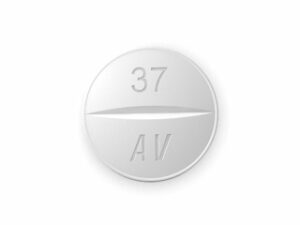
Desmopressin (for example, desmopressin acetate) — Patient Information
Desmopressin is a medicine used to replace or mimic a natural body hormone called vasopressin (also known as antidiuretic hormone). It helps the kidneys make less urine and, in certain conditions, can also support blood clotting by affecting specific clotting factors.
This guide explains how desmopressin works, what it’s used for, how it’s taken, important safety information, and practical tips for daily use in Australia. It is written to be patient-friendly and should be read together with advice from a qualified healthcare professional.
Quick Facts
- Medicine name: Desmopressin (often as desmopressin acetate)
- Available forms: Tablets, sublingual (melt) formulations, and nasal sprays (brand and availability may vary)
- Main effects: Reduces urine production (antidiuretic effect)
- Extra effect (some conditions): Helps increase certain clotting factors
- Key safety issue: Risk of low sodium (hyponatraemia)—this can be serious
- Typical patient populations: People with central diabetes insipidus, nocturnal enuresis, and some bleeding disorders
Basic Product Information
Desmopressin is used under different names and brand formulations across Australia. The exact dose and instructions depend on the condition being treated and the product type (tablets, melt/sublingual, or nasal spray).
| Feature | What to know |
|---|---|
| Drug class | Vasopressin analogue (antidiuretic hormone analogue) |
| Main action | Improves water reabsorption in the kidneys, reducing urine output |
| Common forms | Tablets, sublingual melt, nasal spray (availability varies by brand) |
| Typical timing | Often taken at night for nighttime symptoms; timing varies by indication |
| Important monitoring | Blood sodium levels, especially in children, older adults, and those at risk of fluid imbalance |
Mechanism of Action
Desmopressin acts as a synthetic version of vasopressin, with a stronger effect on the V2 receptors in the kidneys. When V2 receptors are activated, the kidneys increase water reabsorption and reduce urine volume.
- Antidiuretic effect: Less water is lost in urine.
- Concentration of urine: Urine becomes more concentrated.
- Clotting-related effect (selected uses): It can increase von Willebrand factor and factor VIII levels, which may help in certain bleeding conditions.
Pharmacokinetics (How the Body Handles It)
Pharmacokinetics can vary between formulations. In general, desmopressin is absorbed and then acts on the kidneys. Its clinical effect typically begins within a short period after dosing.
- Tablets/sublingual: Absorption occurs through the gastrointestinal tract or oral mucosa; onset and duration depend on formulation.
- Nasal spray: Absorption depends on nasal conditions and technique.
- Onset and duration: The medicine is designed to have an appropriate duration for the intended use (for example, overnight for nocturnal symptoms).
- Elimination: Desmopressin is cleared from the body primarily through kidney-related processes.
Because absorption differs by formulation and patient factors, follow the specific instructions for your brand and indication.
Typical Uses in Australia
Desmopressin may be used for several medically recognised indications, depending on the formulation and the country-approved product. Common uses include:
1) Central diabetes insipidus (DI)
Central DI is a condition where the body cannot produce enough natural vasopressin. Desmopressin reduces excessive urination and thirst.
2) Nocturnal enuresis (bedwetting) in selected patients
Desmopressin can reduce night-time urine production in some children and adults with bedwetting due to a night-time urine overproduction pattern. Treatment plans usually include behavioural strategies (such as fluid timing and bladder habits).
3) Bleeding disorders (selected indications)
Desmopressin can be used in some bleeding conditions, for example to support clotting in situations where clinicians aim to increase von Willebrand factor and factor VIII levels. The exact indication depends on local guidelines and product approval.
Your intended use should be confirmed with the specific product label and healthcare professional guidance.
Timing: When to Take Desmopressin
Timing is critical for effectiveness and safety, especially because the medicine reduces urine production. Many patients take desmopressin at specific times of day depending on their symptoms.
- Nocturnal enuresis: Often taken in the evening or before bed. The goal is to reduce overnight urine production.
- Diabetes insipidus: Dosing schedules may be divided across the day and adjusted to maintain adequate hydration without fluid overload.
- Bleeding-related indications: Timing may be linked to planned procedures or bleeding events, under medical supervision.
If you miss a dose, do not double up. Check the product’s instructions or seek advice on what to do next.
Food Interactions and Eating Habits
Food can affect how some medicines absorb in the body. For desmopressin, the impact of food is usually considered moderate and can vary by formulation.
- General approach: Take desmopressin consistently as directed (for example, at the same time relative to meals).
- Tablets/sublingual products: Follow instructions on the label or provided leaflet for whether to take with or without food.
- Nasal spray: Food does not directly affect nasal absorption, but nasal hygiene and technique do.
If you notice that your symptoms change on days you eat differently, discuss this with your pharmacist or doctor.
Alcohol and Medicine Interactions
Alcohol can affect hydration and sleep patterns, which may indirectly change how desmopressin works in terms of symptom control. Alcohol may also increase the risk of dehydration or alter drinking behaviours—both of which can influence sodium balance.
- General caution: Avoid heavy alcohol intake, especially at times close to your desmopressin dose.
- Risk of low sodium: The most important interaction concern is medicines or situations that increase the risk of hyponatraemia.
Some medicines can increase the risk of low sodium or affect water balance. Examples (not exhaustive) include:
- Diuretics (water tablets)
- Selective serotonin reuptake inhibitors (SSRIs) and other medicines that can influence antidiuretic hormone effects
- Carbamazepine and certain other drugs
- Other medicines affecting fluid balance
Tell your pharmacist about all medicines, supplements, and herbal products you use, so they can check for interactions with your specific desmopressin product.
Indications (When Desmopressin May Be Recommended)
Below are the main categories of indications commonly associated with desmopressin in clinical practice. The exact approved use may differ by formulation and brand.
- Central diabetes insipidus — to control excessive thirst and urination due to reduced vasopressin.
- Nocturnal enuresis — in selected patients, usually after assessment and with supportive behavioural measures.
- Bleeding disorders — to help manage bleeding by increasing relevant clotting factors in certain conditions.
If you’re unsure why you have been prescribed desmopressin, check your medicine information sheet or ask your healthcare professional.
Dosing: Important Principles (Individualised)
Dosing is individualised. The “right” dose depends on your diagnosis, age, formulation, and how your body responds. The goal is symptom control with the lowest effective dose to minimise the risk of low sodium.
Always use the exact dosing schedule provided for your specific brand. The following outlines general dosing principles rather than exact personal dosing.
General dosing principles
- Start low and adjust: Clinicians often start at a lower dose and adjust based on response and safety monitoring.
- Fluid guidance matters: Over-drinking increases risk of hyponatraemia. Follow fluid instructions carefully.
- Children require extra caution: Dosage and monitoring in children must be carefully managed.
- Consistency: Use the dosing schedule reliably to avoid wide swings in body fluid balance.
How formulation may influence dosing
- Tablets vs nasal spray vs sublingual: Dose strength and timing can differ. Switching between forms should only be done with guidance.
- Missed doses: Avoid doubling. Ask for advice on missed doses, especially in children.
For the most accurate dosing information, refer to your product packaging and your healthcare professional’s instructions.
Safety Profile: Key Risks and Who Needs Extra Monitoring
Desmopressin is effective for many people, but it has important safety considerations. The central risk is hyponatraemia (low sodium), which can result from too much water retention relative to body sodium.
Serious warning: Low sodium (hyponatraemia)
Hyponatraemia can be serious and may be life-threatening if not recognised early. It is more likely when:
- Fluid intake is high around the time of dosing
- Desmopressin dose is too high for the individual
- There is illness (for example, vomiting or diarrhoea) that affects salt and fluid balance
- Children are treated and monitored inadequately
- Older adults or people with low body weight have increased susceptibility
Symptoms of hyponatraemia to watch for
Seek urgent medical help if symptoms occur, especially after starting or adjusting desmopressin:
- Severe headache
- Nausea and vomiting
- Confusion, unusual drowsiness, or reduced alertness
- Unusual restlessness or behavioural changes
- Muscle cramps or weakness
- Seizures
Other possible side effects
Side effects can vary by person and formulation. Commonly reported effects may include:
- Headache
- Nasal irritation (for nasal spray)
- Stomach upset (less commonly)
- Fatigue
- Changes in fluid balance depending on dosing and fluid intake
If you experience bothersome side effects, discuss them with your pharmacist or doctor rather than stopping suddenly without advice—stopping may worsen underlying symptoms.
Who should be extra cautious
- People with a history of hyponatraemia
- People with kidney problems
- Those taking medicines that can increase hyponatraemia risk
- Children and older adults
- Those with uncontrolled fluid intake patterns
Practical Use Tips (Especially for Bedwetting and Diabetes Insipidus)
1) Follow fluid advice carefully
The biggest practical factor is controlling fluid intake around dosing. Your healthcare professional may provide specific guidance, such as limiting evening fluids for nocturnal enuresis. Even if thirst is present, follow the plan you were given.
2) Use consistent dosing time
- Take desmopressin at the same time each day when possible.
- For night-time use, ensure you have a planned bedtime routine.
3) Nasal spray technique (if applicable)
- Gently blow your nose before use.
- Follow the spray instructions for aiming and number of sprays.
- If you have congestion or swelling, absorption can change—ask your pharmacist how to manage this.
4) Illness and dehydration: discuss “sick day” rules
When you are unwell—especially with vomiting, diarrhoea, or fever—fluid and salt balance can shift quickly. This increases the risk of sodium disturbances. Ask your healthcare professional for specific “sick day” instructions for desmopressin.
5) Monitoring
- Some people may need periodic blood tests for sodium.
- Children often require careful assessment of response and safety.
Alternative Options
Alternatives depend on the diagnosis. Your clinician will choose the best option based on symptom pattern, cause, and safety.
For central diabetes insipidus
- Other desmopressin formulations (switching between tablet/sublingual/nasal types with guidance)
- Addressing underlying causes (for example, treatment of pituitary or hypothalamic conditions)
- Fluid and electrolyte plan tailored to the individual
For nocturnal enuresis
- Behavioural strategies (bladder training, timed toileting)
- Enuresis alarm therapy
- Other medicines may be considered in certain cases, depending on the patient and guidelines
For bleeding-related indications
- Specific clotting factor products where appropriate
- Haematology-led regimens depending on your condition
Discuss options with your healthcare team to ensure the benefits outweigh risks, particularly regarding sodium balance.
Market and Legal Context for Australia
In Australia, medicines are regulated through the Therapeutic Goods Administration (TGA) framework and require appropriate classification and listing for sale and supply. Whether a particular desmopressin product is available via standard pharmacy channels can depend on formulation, strength, and regulatory status.
Online pharmacies in Australia typically require customers to meet supply requirements such as providing appropriate patient information and ensuring the medicine is supplied in line with Australian regulatory standards. Product availability can vary between brands and states due to supply chain and formulation differences.
Always check the product details on the label and the listing on the pharmacy website you’re using.
Recent Guidance and Clinical Considerations
Ongoing clinical guidance focuses on improving safety for desmopressin use, particularly the prevention and early detection of hyponatraemia. Key themes include:
- Clear fluid intake advice for people at risk, especially children and those taking doses at night.
- Appropriate dosing and careful titration to the lowest effective dose.
- Increased caution during illness where vomiting or diarrhoea can change electrolyte status.
- Monitoring recommendations based on risk factors and patient history.
If you have recently started desmopressin or have had a dose change, ask whether you should have any specific follow-up (for example, sodium testing) given your risk profile.
Delivery, Storage, and Availability (Online Pharmacy)
Delivery
When ordering through an Australian online pharmacy, delivery options may include standard and express shipping depending on location. Processing times and delivery timeframes depend on the pharmacy’s workflow and courier availability.
Storage
Storage instructions are printed on the medicine packaging or leaflet. In general:
- Store at the recommended temperature and protect from excessive heat.
- Keep out of reach of children.
- Check expiry dates before use.
- For nasal sprays, follow brand-specific instructions for proper use and storage after opening (some require avoiding contamination and may specify room temperature vs refrigeration).
Availability
Desmopressin products may differ by brand and formulation. If a specific product is temporarily unavailable, the pharmacy may offer an alternative formulation strength that is equivalent for your condition—only where appropriate and permitted.
Before placing an order, confirm the exact product name and strength you need.
FAQ — Desmopressin
How fast does desmopressin work?
Desmopressin’s effect typically begins after the dose is absorbed. The timing and duration depend on the formulation (tablet, sublingual, or nasal spray) and your condition. Follow the schedule provided for your product and indication.
Can I drink normally when using desmopressin?
Fluid intake guidance is crucial. Many patients are advised to limit fluids around the dose—especially for nocturnal enuresis. Follow your healthcare professional’s instructions. If you’re unsure, ask your pharmacist before making changes.
Is desmopressin safe for children?
It may be used in children for selected indications, but safety requires careful dosing and fluid management. Children are at higher risk of hyponatraemia if they drink too much or if doses are not appropriate. Use only as directed and ensure follow-up advice is followed.
What if I miss a dose?
Do not take an extra dose to “catch up” unless advised. Because dosing schedules vary by indication, it’s best to check the instructions that came with your specific product or ask your pharmacist what to do.
Can I drive or operate machinery?
Desmopressin is not commonly associated with severe impairing effects. However, if you feel unwell, unusually drowsy, or have symptoms of low sodium (such as confusion or severe headache), avoid driving and seek medical help.
What symptoms mean I should seek urgent medical attention?
Seek urgent medical care if you or your child develop symptoms that could indicate hyponatraemia, such as severe headache, vomiting, confusion, extreme drowsiness, seizures, or worsening weakness.
Are there medicines I should avoid while using desmopressin?
Some medicines may increase the risk of low sodium or affect fluid balance. Tell your pharmacist about all medicines you take, including over-the-counter cold remedies, diuretics, antidepressants, and seizure medicines.
Does alcohol affect desmopressin?
Alcohol can affect hydration and drinking habits and may indirectly increase risk. Avoid heavy alcohol intake, particularly around the time of your dose, and follow fluid guidance.
Can I switch between tablets and nasal spray?
Switching formulations can change absorption and dosing requirements. Only switch with appropriate guidance so the dose remains safe and effective.
When to Talk to Your Pharmacist or Doctor
Ask for advice if you:
- Have had hyponatraemia before
- Are starting a new medicine that could affect fluid balance
- Plan surgery or a procedure
- Are pregnant or breastfeeding (ask for specific guidance)
- Are caring for a child using desmopressin and need support with fluid limits
- Are unwell (vomiting, diarrhoea, fever) and need “sick day” instructions
Desmopressin can be highly effective when used correctly. Paying close attention to timing and fluid guidance helps maximise benefits and reduce risks.