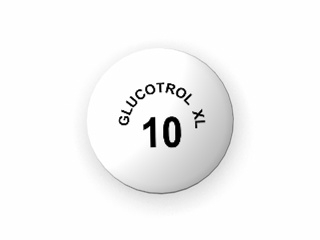

Glucotrol (Glipizide) — Patient Guide (Australia)
Glucotrol contains glipizide, a medicine used to help control blood glucose in adults with type 2 diabetes. This guide explains how it works, when to take it, key interactions, safety considerations, and practical tips to support everyday use in Australia.
Please note: individual treatment varies. Always follow the instructions provided by your healthcare professional and read the patient information leaflet supplied with your medicine.
Basic Product Information
- Active ingredient: Glipizide
- Brand example: Glucotrol
- Medicine type: Oral hypoglycaemic (blood sugar–lowering) medicine
- Diabetes type: Commonly used in type 2 diabetes
- How it works: Increases insulin release from the pancreas (sulfonylurea class)
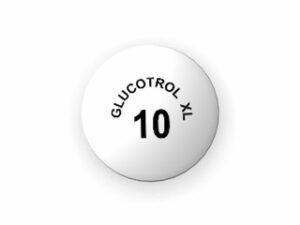
Glucotrol products in different markets may be available in different strengths and formulations (commonly immediate-release). Your pharmacy listing should confirm the exact strength you receive.
How Glipizide Works (Mechanism of Action)
Glipizide is a sulfonylurea. It primarily works by:
- Stimulating insulin release: Glipizide helps pancreatic beta cells release insulin into the bloodstream.
- Improving blood sugar control: More insulin leads to lower blood glucose levels, particularly after meals (depending on timing and formulation).
Because glipizide increases insulin secretion, it can sometimes cause hypoglycaemia (low blood sugar), especially if meals are skipped, doses are too high, or it’s combined with other glucose-lowering medicines.
Pharmacokinetics (Absorption, Distribution, Metabolism, Excretion)
Pharmacokinetics describes what the body does to the medicine. While individual results vary, key points for glipizide include:
- Absorption: Glipizide is absorbed after oral administration, with peak concentrations typically occurring within a few hours for many immediate-release formulations.
- Distribution: It circulates in the bloodstream and binds to plasma proteins.
- Metabolism: Glipizide is metabolised mainly in the liver.
- Elimination: Metabolites are excreted primarily via the kidneys.
In general, kidney impairment may be less problematic for glipizide than for some other sulfonylureas, but caution is still important—particularly in older adults, people with kidney or liver disease, and those at higher risk of hypoglycaemia. Dose adjustments may be considered by your healthcare team.
What Glucotrol Is Used For (Indications)
Glucotrol (glipizide) is used as part of the management of type 2 diabetes to improve blood glucose control when diet, weight management, and exercise alone are not enough.
It may be used:
- As monotherapy (one blood sugar–lowering medicine)
- In combination with other diabetes medicines when additional glucose control is needed
Typical Use and Lifestyle Role
Glucotrol helps control blood sugar, but it does not replace healthy lifestyle measures. For best results:
- Follow a diabetes-friendly eating plan recommended by your clinician or dietitian.
- Take medicines as scheduled and check blood glucose if advised.
- Stay physically active as recommended.
- Monitor for symptoms of low or high blood sugar.
When to Take Glucotrol (Timing & How to Use It)
Timing can affect how well glipizide matches your body’s glucose changes. Many people take it before meals. The exact schedule depends on your formulation and prescribed dose.
Typical timing guidance (general)
- Often once daily: Take at the time your prescriber recommends (commonly before breakfast or before the first meal).
- Often twice daily: Split dosing may be taken before breakfast and before dinner, unless your instruction says otherwise.
Do not change your dose or schedule without advice. If you miss a dose, follow the guidance you were given by your healthcare provider or pharmacist. As a general principle, avoid taking extra doses to “catch up” without professional advice.
Food Interactions (Meal Timing and Food Effects)
Glucotrol works best when coordinated with meals. Food can influence both blood glucose levels and the risk of hypoglycaemia. Key points:
- Do take with or before food (as directed): Many clinicians recommend taking glipizide before meals to reduce the risk of low blood sugar.
- Don’t skip meals: Skipping meals increases the chance of hypoglycaemia.
- Consistency helps: Try to keep meal times and carbohydrate intake relatively consistent.
- Acute illness or reduced appetite: If you’re eating less than usual, you may need dose review to reduce hypoglycaemia risk.
If you experience symptoms of low blood sugar after taking your dose, speak with your healthcare provider promptly.
Alcohol and Medicine Interactions
Alcohol can affect blood sugar regulation and may also increase the risk of hypoglycaemia, particularly if you drink without eating. Important considerations:
- Increased hypoglycaemia risk: Alcohol may lower blood glucose and mask early symptoms in some people.
- Higher risk if heavy drinking or binge drinking: This can lead to significant glucose instability.
- Hypoglycaemia awareness: Always carry fast-acting carbohydrate if your clinician has advised so.
If you drink alcohol, discuss safe limits with your healthcare provider. Avoid drinking on an empty stomach.
Interactions With Other Medicines (Including Common Examples)
Glipizide may interact with other medicines that change insulin sensitivity, hormone responses, or the metabolism of glucose-lowering therapies. Interactions can either increase hypoglycaemia risk or reduce glucose control.
Medicines that may increase the risk of hypoglycaemia
- Other diabetes medicines: Insulin, other sulfonylureas, or agents that also lower glucose.
- Some non-diabetes medicines: Certain anti-inflammatory drugs, salicylates, or other medications may affect blood sugar levels.
- Some antibiotics or antifungals (examples depend on the specific product): These can influence blood glucose by multiple mechanisms.
Medicines that may reduce glipizide effect (raise glucose)
- Corticosteroids (e.g., prednisone): Can raise blood glucose.
- Some diuretics: Can affect glucose and insulin secretion.
- Hormonal or appetite-related medicines (varies by product): May affect blood glucose.
- Some thyroid hormone treatments: May influence glycaemic control.
How to reduce interaction risk
- Keep an updated list of all medicines, vitamins, and supplements you use.
- Check with your pharmacist when starting a new medicine.
- Be extra vigilant when a medicine change occurs—monitor glucose more frequently if advised.
This is not a complete list. Always consult a healthcare professional for advice tailored to your current medicines and health conditions.
Dosing (General Information)
Dosing must be individualised. Your clinician will choose a dose based on factors such as your blood glucose readings, age, kidney function, and risk of hypoglycaemia.
General dosing principles
- Start low, go slow: Many people begin with a lower dose to reduce hypoglycaemia risk.
- Titrate based on response: Dose may be adjusted gradually based on HbA1c and glucose monitoring.
- Higher risk groups: Older adults, people with kidney disease, and people who eat irregularly may need additional caution.
Maximum daily dosing
The maximum dose depends on the specific glipizide product and local prescribing guidance. Your healthcare provider can confirm the appropriate limits for your formulation.
Do not exceed your prescribed dose. If you believe your dose is too high or too low, talk to your clinician rather than adjusting it yourself.
Safety Profile (Risks, Side Effects, and When to Seek Help)
Most people tolerate glipizide well when used correctly. However, it can cause side effects—especially those related to low blood sugar.
Common and important side effects
- Low blood sugar (hypoglycaemia): This is the main risk. Symptoms can include:
- Shakiness, sweating, fast heartbeat
- Hunger, dizziness, headache
- Confusion, irritability, drowsiness
- Gastrointestinal upset: Nausea or stomach discomfort can occur in some people.
- Weight changes: Some people may experience modest weight gain with sulfonylureas due to insulin effects.
- Skin reactions: Rarely, allergic-type reactions may occur.
Severe hypoglycaemia (urgent)
Seek urgent medical help if you or someone else experiences severe symptoms such as loss of consciousness, seizures, or inability to swallow. If you’re at risk, ask your healthcare provider whether you should carry glucose tablets or an emergency glucose product.
Special populations requiring extra caution
- Older adults: Higher vulnerability to hypoglycaemia.
- Kidney impairment: Lower clearance may increase risk.
- Liver impairment: Metabolism changes may increase exposure.
- Irregular eating patterns: Increased hypoglycaemia risk.
- People taking multiple glucose-lowering medicines: Combined effect can be stronger.
Practical Use Tips (Everyday Guidance)
1) Know the signs of low blood sugar
- Check for early symptoms such as sweating, shaking, sudden hunger, or confusion.
- Use the “fast sugar” strategy recommended by your clinician (often glucose tablets, gel, or sugary drink).
- Re-check glucose if you can, and follow up with a snack or meal if needed.
2) Keep meals predictable
- Try not to skip meals after taking glipizide.
- If appetite is reduced, discuss dose adjustments before making changes.
3) Monitor glucose when advised
- Follow guidance on self-monitoring of blood glucose (SMBG).
- Monitor more closely when starting, changing dose, switching other medicines, or during illness.
4) Stay hydrated and manage illness carefully
- Sick days can affect eating and blood glucose unpredictably.
- Contact your healthcare professional for “sick day” guidance—especially if you’re vomiting, not eating, or have infection.
5) Keep a list of your medicines
- Carry your medicine list to help clinicians and pharmacists avoid harmful interactions.
- Include dose and timing for each product.
Alternative Options (Other Ways to Manage Type 2 Diabetes)
Treatment for type 2 diabetes is individual. Depending on your HbA1c, weight goals, kidney function, heart risk, and side effect preferences, options may include:
- Metformin (often first-line): Reduces glucose production by the liver and improves insulin sensitivity.
- DPP-4 inhibitors: Lower blood glucose with a lower risk of hypoglycaemia than sulfonylureas for many people.
- SGLT2 inhibitors: Help remove glucose through urine; may have benefits for some patients with heart or kidney disease.
- GLP-1 receptor agonists: Improve glucose control and may support weight loss.
- Insulin: Used when glucose levels are very high or when oral medicines are insufficient.
- Other sulfonylureas: Some patients may be switched within the class depending on suitability.
If you are considering an alternative, discuss it with your clinician. Changing diabetes medication often requires blood glucose monitoring and careful dose planning.
Australia: Market, Prescribing, and Legal Context
In Australia, medicines like glipizide are regulated under the Therapeutic Goods framework. Availability may differ between brands and pack sizes, and use typically follows guidance from Australian diabetes recommendations and the prescribing practices of healthcare professionals.
Pharmacies in Australia operate under national and state/territory health and pharmacy regulations. Diabetes management should align with local standards of care, including monitoring of HbA1c and risk assessment for hypoglycaemia.
Always verify the specific product you are ordering (brand, strength, and formulation), and check the directions for use on the packaging.
Recent Guidance and Treatment Trends
Australian diabetes care increasingly emphasises:
- Individualised therapy based on overall health, comorbidities, and hypoglycaemia risk.
- Cardio-renal benefit considerations when choosing newer medicine classes for suitable patients.
- Safe de-escalation or review when risk factors for hypoglycaemia are present, particularly in older adults or those with irregular food intake.
- Medication reconciliation at transitions of care to prevent duplication or harmful interactions.
While sulfonylureas like glipizide can remain appropriate for some people, clinicians often review whether safer options (or combinations) may be preferable depending on patient risk profile and glucose patterns.
Delivery and Availability (Online Pharmacy Considerations)
Availability and delivery options depend on the supplier and stock status. When ordering online in Australia, you may see:
- Home delivery: Often available within metropolitan and regional areas, subject to address verification.
- Click-and-collect: Some services offer collection from a local pharmacy or depot.
- Shipping times: Usually depend on product availability, carrier schedules, and delivery postcode coverage.
To ensure a smooth experience, check:
- The brand and strength match your current supply.
- The formulation (e.g., immediate-release vs modified-release) is correct.
- Packaging includes clear instructions and expiry information.
FAQ — Frequently Asked Questions
1) What is Glucotrol (glipizide) used for?
Glucotrol is used to improve blood glucose control in type 2 diabetes. It helps lower blood sugar by increasing insulin release from the pancreas.
2) When should I take glipizide?
Many people take glipizide before meals. Take it exactly as your healthcare provider recommends for your dose and formulation.
3) Can I take Glucotrol if I skip meals?
Skipping meals increases the risk of hypoglycaemia. If you anticipate you will eat less or skip a meal, contact your healthcare provider/pharmacist for advice on how to manage your dose.
4) What are the signs of low blood sugar?
Common symptoms include shaking, sweating, hunger, dizziness, headache, and confusion. Severe symptoms can include fainting or seizures—seek urgent medical help if these occur.
5) Is it safe to drink alcohol while taking glipizide?
Alcohol can increase the risk of low blood sugar. If you choose to drink, avoid drinking on an empty stomach and discuss safe limits with your healthcare provider.
6) What medicines interact with glipizide?
Interactions can occur with other glucose-lowering medicines, corticosteroids, diuretics, and some antibiotics/antifungals and pain/anti-inflammatory medicines. Provide your pharmacist with a full list of what you take, including over-the-counter products and supplements.
7) How long does Glucotrol take to work?
Glipizide begins working within hours after taking a dose. Ongoing glucose control improves over days to weeks as your regimen stabilises. Your clinician may measure HbA1c periodically to assess long-term control.
8) What should I do if I miss a dose?
If you miss a dose, follow the advice you’ve been given by your healthcare professional or pharmacist. Avoid doubling up unless instructed.
9) Who should be extra cautious?
Extra caution is often needed for older adults, people with kidney or liver impairment, those who have irregular meals, and anyone taking multiple medicines that can lower glucose.
10) Are there alternatives to glipizide?
Yes. Options include metformin, DPP-4 inhibitors, SGLT2 inhibitors, GLP-1 receptor agonists, other sulfonylureas, and insulin, depending on your individual needs.
Quick Summary Table
| Topic | Key Points for Glucotrol (Glipizide) |
|---|---|
| Primary use | Type 2 diabetes blood sugar control |
| How it works | Sulfonylurea that increases insulin release |
| Main risk | Hypoglycaemia, especially with skipped meals or other diabetes medicines |
| Timing | Often taken before meals; follow your personal directions |
| Food interaction | Coordinate with eating; don’t skip meals |
| Alcohol | May increase hypoglycaemia risk; avoid alcohol on empty stomach |
| Monitoring | Check glucose as advised; be alert during illness or dose changes |
| Alternatives | Metformin, DPP-4 inhibitors, SGLT2 inhibitors, GLP-1 agents, insulin (individualised) |
Important: If you have symptoms of severe low blood sugar, chest pain, allergic reaction symptoms (such as facial swelling, difficulty breathing, or widespread rash), or you are struggling to control your glucose despite treatment, seek urgent medical advice.
For the most accurate guidance for your situation, consult your healthcare professional or pharmacist and refer to the patient information leaflet supplied with your medication.