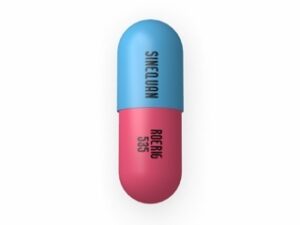
Revia (Naltrexone) — Patient-Friendly Guide (Australia)
Revia contains naltrexone, a medicine used to help reduce alcohol and opioid-related harms by blocking certain brain receptors. This guide explains how naltrexone works, how it behaves in the body, how it is typically used, important interactions (including alcohol and other medicines), and practical tips to support safe, effective use in Australia.
If you have questions about whether Revia is right for you—especially if you use opioids, treat pain, or have liver problems—speak with a qualified healthcare professional.
Basic Product Information
| Item | Information |
|---|---|
| Brand name | Revia |
| Active ingredient | Naltrexone |
| Medicine type | Opioid receptor antagonist |
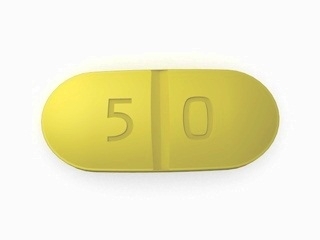
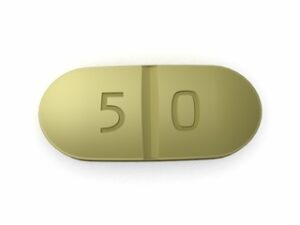
| Common tablet strength | Often available as 50 mg tablets (availability may vary by supplier) |
| How it is usually taken | By mouth (tablets) |
| Who it may help | Selected adults for alcohol use disorder and opioid use disorder (with the right clinical context) |
What Revia (Naltrexone) Does
Revia works by blocking opioid receptors in the brain. This reduces the effects of opioids (including heroin, morphine, oxycodone, and many others) and can decrease the rewarding effects of alcohol for some people. It is not a “detox” medicine and it does not treat withdrawal symptoms directly.
When used as part of a broader treatment plan (often including counselling and support), naltrexone can help people reduce relapse risk and support ongoing recovery goals.
Mechanism of Action (How It Works)
Naltrexone is an antagonist at opioid receptors (mainly the mu-opioid receptor). In simpler terms: it prevents opioids from producing their usual effects by taking up receptor sites.
- Opioids: Blocks or reduces the “high” and pain-relieving effects opioids would otherwise produce.
- Alcohol: The exact alcohol benefit is not fully explained, but opioid receptor blockade may alter brain pathways involved in reward and cravings.
- Reinforcement reduction: By diminishing the rewarding impact, it may support behavioural change and relapse prevention.
Pharmacokinetics (How the Body Handles It)
“Pharmacokinetics” describes what happens after you take a dose—absorption, conversion, distribution, metabolism, and elimination.
Absorption
Naltrexone is absorbed after oral administration. Peak effects occur within hours, depending on individual factors.
Metabolism
Naltrexone is metabolised in the liver. A key metabolite is 6-β-naltrexol, which also has pharmacological activity.
Distribution
The medicine reaches the brain and other tissues by systemic circulation.
Elimination
Naltrexone and its metabolite are primarily eliminated through the kidneys (urine). The overall duration of receptor blockade is longer than the dosing interval for many people, which is why once-daily or structured schedules are used in practice.
Individual response varies. For the most relevant timeline for you, your healthcare professional can explain what to expect based on your condition and history.
Typical Use in Australia
In Australia, naltrexone is used in selected adults for:
- Alcohol use disorder: to support reduction in heavy drinking and help maintain abstinence or reduce relapse.
- Opioid use disorder: as part of a treatment plan to help prevent relapse by blocking opioid effects. This use requires careful assessment and opioid-free status before starting.
- Other clinician-directed uses: based on specialist assessment and guideline-based practice.
Revia is most effective when combined with psychosocial support (such as counselling, behavioural strategies, or structured therapy).
Indications (When Revia May Be Recommended)
“Indications” means the medical situations a medicine is intended to treat or manage. Naltrexone is generally indicated for:
- Alcohol dependence / alcohol use disorder — typically to assist with relapse prevention and reducing alcohol-driven reward.
- Opioid dependence / opioid use disorder — to support relapse prevention after opioid cessation, preventing opioids from producing their expected effects.
Not everyone is a suitable candidate. Your history of opioid use (including recent use), liver health, and current medications are important.
Dosing (General Information)
Dosing should be individualised by a healthcare professional. The information below is general and may not match your exact plan.
Common dosing approach
- Alcohol use disorder: commonly taken once daily (e.g., 50 mg) as part of a structured program.
- Opioid use disorder: starting requires the person to be opioid-free for an appropriate period and clinically assessed. The first dose timing is critical to reduce risk of precipitated withdrawal.
Starting and titration
Some treatment plans may involve evaluation and a careful start rather than an immediate full dose, depending on the clinical context. Your clinician will advise the safest plan for you.
Missed dose
If you miss a dose, take it when you remember on the same day if that fits your schedule; otherwise, continue on the next day as planned. Avoid double dosing. If unsure, ask your healthcare professional or pharmacist.
Timing: When to Take Revia
Many people take naltrexone once daily. Choose a time that is easy to remember and fits your routine.
- Consistency helps: try to take it at roughly the same time each day.
- With or without food: generally possible (see food interaction section below).
- Behavioural pairing: some people find it helpful to link the dose to an existing routine (e.g., after breakfast).
Food Interactions
Naltrexone tablets can typically be taken with or without food. Food is not usually a major issue for efficacy, but nausea or stomach discomfort can occur in some individuals.
- If you experience stomach upset, taking the tablet with a small meal may improve tolerability.
- Avoid making major changes to meal timing if you have already found a schedule that suits you.
Alcohol Interactions
Revia is often used to help manage alcohol use disorder, so the treatment plan may involve continued abstinence or reduced drinking. However, it is still important to understand the interaction with alcohol in real-world terms.
- Alcohol may still affect you: naltrexone does not make alcohol “safe.” You may still experience sedation, impaired coordination, mood changes, and risk of harm depending on the amount consumed.
- Cravings may persist: while naltrexone may reduce reward, cravings can still occur—support strategies remain important.
- Serious reactions are not the main concern for alcohol–naltrexone pairing, but safety and liver health still matter.
If you drink alcohol while taking naltrexone, do so cautiously and follow your treatment plan. If you are aiming for abstinence, your clinician may suggest a specific approach to starting and monitoring.
Medicine Interactions (Important)
Because naltrexone blocks opioid receptors, the most significant interaction is with opioid medicines.
Opioid-containing medicines
Naltrexone may reduce the effects of opioid pain medicines and opioid-containing cough medicines. This can lead to insufficient pain relief.
- Do not attempt to “override” the block by taking more opioids. This can be dangerous and may not produce the expected effects.
- Tell any treating clinician, dentist, or pharmacist that you take Revia before pain treatment.
Other medicines
Many non-opioid medicines do not directly conflict with naltrexone. However, always check:
- Liver-related medicines: naltrexone may be associated with liver enzyme changes, especially in higher doses.
- Medicines affecting liver metabolism: your pharmacist can advise on potential effects.
- Psychiatric medicines: your prescriber may monitor mood and side effects.
To reduce risk, keep a current list of all medicines, supplements, and occasional treatments (including opioids used for pain) and share it with your pharmacist or doctor.
Safety Profile (What to Know)
Like all medicines, Revia can cause side effects. Not everyone will experience them, and many are manageable. The most important safety considerations are opioid compatibility and liver health.
Common side effects
- Nausea
- Headache
- Fatigue or tiredness
- Sleep disturbance
- Reduced appetite
- Vivid dreams
- Mild dizziness
Serious risks (seek urgent help)
- Signs of liver problems: yellowing of the skin/eyes (jaundice), dark urine, severe right upper abdominal pain, persistent vomiting, or unusual severe fatigue.
- Severe allergic reaction: swelling of the face/lips, trouble breathing, or widespread rash.
- Opioid withdrawal: if started while opioids are still in your system, withdrawal can occur. This is a key reason for careful starting procedures.
Who should take extra care
- People with current or past liver disease
- People with recent opioid use (including prescribed opioids)
- People with complex medical histories or multiple medications
- Older adults who may be more sensitive to side effects
Practical Use Tips (Making Treatment Easier)
Naltrexone works best when it is part of an overall plan. Here are practical tips many people find helpful.
- Plan your opioid safety: before starting, discuss any opioid use (including pain relief, dental procedures, or cough medicines).
- Support relapse prevention: combine medication with counselling, structured programs, and coping strategies.
- Track progress: note drinking goals, cravings, triggers, and wellbeing. Bring this information to follow-up appointments.
- Hydration and meals: if nausea occurs, take the tablet with food and drink water.
- Adherence matters: taking it regularly helps maintain consistent receptor blockade and supports behaviour goals.
- Tell others involved in your care: family members, work health providers, and other clinicians should know so they can respond appropriately in emergencies.
Alcohol Use, Cravings, and Expected Outcomes
People respond differently. Some may notice reduced “reward” from alcohol sooner, while others need time and support to build new routines. It is common to pair the medicine with a plan such as setting limits, scheduled support, and avoiding high-risk triggers.
If you are aiming for abstinence, your clinician may suggest specific strategies for starting treatment during a period of no alcohol. If you experience ongoing heavy drinking, discuss this promptly—dose timing and the overall plan may need adjustment.
Alternative Options
Depending on your goals and clinical assessment, healthcare professionals may consider other treatments for alcohol use disorder or opioid use disorder. Options may include:
For alcohol use disorder
- Acamprosate (supports maintaining abstinence in some people)
- Disulfiram (creates unpleasant effects if alcohol is consumed; requires careful suitability)
- Psychological therapies (e.g., CBT, motivational interviewing, relapse prevention programs)
For opioid use disorder
- Opioid agonist therapy (e.g., methadone or buprenorphine, where appropriate)
- Psychosocial supports (counselling, harm reduction, structured programs)
- Other formulations of naltrexone may be used in some settings
The best choice depends on your medical history, preferences, and what is available locally through Australia’s healthcare system.
Market and Legal Context for Australia
In Australia, medicines are regulated under the Therapeutic Goods framework. Access to naltrexone typically involves pharmacist support and clinician guidance depending on intended use, local prescribing pathways, and the specific product formulation.
Guidance and availability can change. For the most accurate information about access, local supply, and eligibility, contact a pharmacist.
Recent guidance (high-level)
In recent years, Australian health guidance for substance-use treatments has emphasised:
- Individual assessment (including suitability, history of opioid exposure, and liver health)
- Careful safety checks before starting (especially for opioid use disorder and to avoid precipitated withdrawal)
- Combined care (medication plus psychosocial support and follow-up monitoring)
- Ongoing review of effectiveness and tolerability, with adjustments if goals are not met
Your healthcare provider can explain the latest recommended approach for your situation.
Delivery and Availability (Online Pharmacy in Australia)
Availability can vary based on local supply and the specific stock situation of suppliers. If Revia is not currently in stock, an online pharmacy may offer:
- Restock notifications
- Estimated delivery timeframes
- Alternative options if clinically suitable
Typical delivery timelines depend on your location (metropolitan vs regional/remote areas) and carrier services. You will generally receive tracking details once dispatched.
Storage guidance: Keep tablets in their original packaging, store at room temperature (unless otherwise stated on the label), and keep them out of reach of children.
FAQ
1) Is Revia the same as naltrexone?
Yes. Revia is a brand name that contains the active ingredient naltrexone. Different brands may contain the same medicine in similar strengths.
2) How quickly will I feel any benefit?
Some people notice reduced cravings or reduced “reward” sooner, while others take longer. Treatment outcomes depend on the condition being treated, dose timing, adherence, and the support plan around the medicine. Follow-up monitoring helps determine whether it’s working for you.
3) Can I take Revia if I use opioid pain relief?
Revia can block opioid effects, which may interfere with pain management. You should discuss all opioid medications (including prescribed medicines) with your pharmacist and healthcare professional before starting or continuing naltrexone.
4) What happens if I drink alcohol while on Revia?
Naltrexone is often used to help manage alcohol use disorder, but it does not remove all risks of alcohol. Alcohol can still cause impairment, harm, and affect your safety and wellbeing. Follow your treatment plan and discuss goals (abstinence vs reduction) with your clinician.
5) Will Revia make me feel sick if I drink?
Naltrexone does not typically cause the kind of strong alcohol-sensitising reaction associated with some other medicines. However, you may still experience side effects from the medicine itself, and alcohol can worsen mood, sleep, or judgement.
6) Does taking Revia mean I can’t ever use opioids?
Not necessarily, but opioid use should be carefully planned with your clinicians. Because naltrexone blocks opioid receptors, opioid pain relief may not work as expected. Any situation requiring opioids should involve medical advice.
7) What are the liver risks?
Naltrexone may affect liver enzymes. People with liver disease or higher risk should have appropriate assessment and monitoring. Seek medical help if you notice symptoms suggestive of liver problems (for example, jaundice or dark urine).
8) Can I start Revia right after using opioids?
Starting while opioids are still in your system can trigger opioid withdrawal. A clinician typically checks readiness (including timing since last opioid use) before initiating therapy.
9) Are there any food restrictions?
Usually, naltrexone can be taken with or without food. If nausea occurs, taking it with meals may help.
10) What should I do if I miss a dose?
Take it when you remember if it’s the same day and aligns with your schedule; otherwise, continue as planned the next day. Avoid taking double doses. If unsure, ask a pharmacist for guidance.
11) Are there alternative products to Revia?
Depending on availability and your clinical situation, healthcare professionals may suggest other treatments or other formulations. Discuss options with your pharmacist or doctor.
12) How long is treatment usually continued?
Duration varies. Some people take it for a defined period with review, while others may continue longer depending on response and ongoing risk. Regular follow-up helps ensure the benefits continue and side effects remain acceptable.
Important Reminder
Revia (naltrexone) can be a useful part of treatment for alcohol use disorder and selected opioid use disorder pathways. Because it blocks opioid receptors and may affect the liver, safe use depends on careful assessment and appropriate monitoring. If anything about your medicines, health conditions, or goals changes, speak with a healthcare professional promptly.