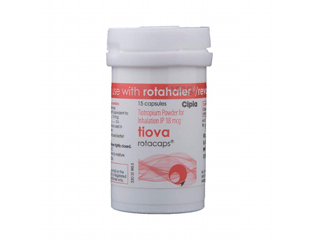
Tiova Rotacap (Tiotropium Bromide) – Patient-Friendly Guide (Australia)
Tiova Rotacap is an inhaled medicine containing tiotropium bromide. It is used to help control breathing problems—most commonly chronic obstructive pulmonary disease (COPD). Tiova Rotacap belongs to a group of medicines called antimuscarinics (also known as anticholinergics). It works by relaxing the airways and reducing symptoms like breathlessness.
This page explains what Tiova Rotacap is, how it works, how to use it, safety considerations, and what to know about interactions. Always follow the instructions provided by your healthcare professional and the product packaging.
Quick facts
- Medicine: Tiotropium bromide
- Brand: Tiova Rotacap
- Type: Long-acting inhaled antimuscarinic (LAMA)
- Common uses: COPD maintenance treatment and symptom control
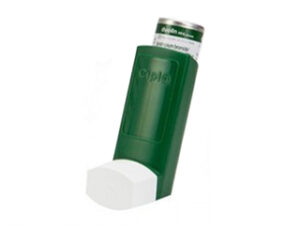
- How it’s taken: Inhalation using the Rotacap/rotahaler-style device system
- Typical dosing frequency: Often once daily (follow your specific instructions)
Basic product information
| Feature | Details |
|---|---|
| Active ingredient | Tiotropium bromide |
| Medicine class | Antimuscarinic / anticholinergic (long-acting bronchodilator) |
| Route of administration | Inhalation only (not for swallowing) |
| Device | Rotacap capsule used with the appropriate inhalation device as instructed |
| Typical use | Maintenance therapy to help reduce symptoms and improve breathing |
| Common conditions | COPD (and in some situations used in certain airway diseases as advised) |
How Tiova Rotacap works (mechanism of action)
Tiotropium bromide blocks muscarinic receptors in the airways. In normal breathing, the airways receive nerve signals that can increase mucus production and cause the airway muscles to tighten. In COPD, these signals contribute to narrowing of the airways and airflow limitation.
By blocking these receptors, tiotropium helps to:
- Relax airway smooth muscle (bronchodilation)
- Improve airflow and reduce breathlessness
- Provide long-lasting symptom relief with once-daily dosing for maintenance use
Tiova Rotacap is intended for ongoing control, not immediate relief during sudden breathing attacks. For sudden symptoms, your plan may include a separate reliever inhaler (such as a short-acting bronchodilator) as directed by your healthcare professional.
Pharmacokinetics (how the body handles it)
“Pharmacokinetics” describes what happens to a medicine in the body—absorption, distribution, metabolism, and elimination. Tiotropium is delivered directly to the lungs via inhalation, so its effects begin locally in the airways.
Absorption
After inhalation, some of the dose deposits in the lungs and some may be swallowed. Because it is taken by inhalation, the main therapeutic action occurs in the respiratory tract. Overall absorption into the bloodstream is generally limited compared with oral medicines.
Distribution
Tiotropium distributes into body tissues, with meaningful activity occurring at the receptor level in the airways.
Metabolism
Tiotropium is not extensively metabolised. The drug is largely excreted without major transformation.
Elimination (excretion)
Tiotropium is primarily eliminated via the kidneys. If kidney function is reduced, blood levels may increase. This is why kidney health is an important safety consideration.
Typical use and when it starts working
Tiova Rotacap is used as a maintenance inhaler to help control symptoms of COPD and improve breathing over time. Many people notice improvements in breathing within the first days, but the full benefits may develop with regular use.
Timing
- Once daily dosing: Many regimens use once per day. Try to take it at the same time each day.
- Consistency matters: Regular use helps maintain bronchodilation.
- Missed dose: If you miss a dose, take it as soon as you remember on the same day unless it is close to your next dose. Do not double up. Follow the product instructions or your clinician’s advice.
Tiova Rotacap is not a rescue medicine for sudden worsening of breathlessness. If you experience acute symptoms, follow your COPD action plan or seek medical advice urgently as appropriate.
Indications (what it is used for)
Tiova Rotacap is indicated for the maintenance treatment of COPD to reduce symptoms such as shortness of breath and to help improve lung function. It may be used in combination with other COPD maintenance medicines depending on symptom severity and exacerbation history.
Your healthcare professional will determine whether Tiova Rotacap is suitable for you based on your diagnosis, current inhaler regimen, and overall health.
Dosing information (general guidance)
Dosing can vary depending on the strength of capsules and the device used. Always use the dose and schedule provided with your prescription/medication instructions and product packaging.
Typical adult dosing for COPD
- Common regimen: Once daily inhalation of the prescribed Tiova Rotacap capsule strength.
- Do not exceed the prescribed daily dose.
- Inhalation only: Capsules are for use in the inhalation device; do not swallow the capsule.
Special populations
- Older adults: Often can use Tiova Rotacap, but kidney function should be considered.
- Kidney impairment: Because elimination is primarily renal, your clinician may adjust or monitor therapy if kidney function is reduced.
- Children and adolescents: Use in younger patients depends on specific product indication and clinician guidance.
Practical use tips (how to get the best results)
Inhalation medicines work best when delivered correctly to the lungs. If you have difficulty using the device, it can reduce effectiveness. Ask your pharmacist or nurse to observe your technique if you are unsure.
Step-by-step inhalation technique (general)
- Prepare: Ensure the device is clean and dry. Have the correct capsule ready.
- Insert the capsule: Place one capsule into the correct chamber of the inhalation device.
- Load and puncture (if applicable): Close the device and follow the device instructions to pierce the capsule.
- Breathe out: Breathe out gently away from the mouthpiece.
- Inhale firmly and deeply: Seal lips around the mouthpiece and inhale steadily and deeply to pull the powder into your lungs.
- Hold breath: Hold your breath for as long as comfortable (often around 10 seconds) to allow deposition.
- Check capsule: Make sure the capsule is empty; if residue remains, inhale again only if instructed by the device directions.
- Close and store: Dispose of the empty capsule and store the device safely.
Common tips to improve delivery
- Use a consistent technique each day.
- Avoid “puffing” or partial inhalations—firm, deep inhalation helps draw powder properly.
- Don’t swallow the capsule.
- Keep inhalation devices clean as recommended by the manufacturer.
- Rinse mouth? Some inhaled medicines require mouth rinsing. Tiotropium powder does not usually require the same routine, but maintaining good oral hygiene is always beneficial. Follow your clinician’s or product instructions.
Food interactions
Tiova Rotacap is an inhaled medicine, so interactions with food are generally less likely than with oral drugs. There are typically no major food restrictions.
However, swallowing swallowed air powder or residue occasionally can cause minor throat symptoms. If you notice stomach discomfort or nausea, consider whether your inhalation technique is causing more dose to be swallowed than expected and discuss this with your pharmacist.
Alcohol and medicine interactions
Moderate alcohol intake does not typically have a direct interaction with tiotropium, but alcohol can worsen breathlessness and dehydration in some people—particularly during illness or if COPD is unstable. If you have COPD exacerbations or other health conditions, alcohol may not suit you well.
Potential medicine interactions
Tell your healthcare professional about all medicines you use, including over-the-counter products. Relevant considerations include:
- Other anticholinergic medicines: Combining with other antimuscarinics may increase the risk of anticholinergic side effects (e.g., dry mouth, constipation, urinary retention).
- Glaucoma (narrow-angle): Anticholinergic effects may be a concern if you have certain types of glaucoma. Seek advice if you have eye problems.
- Urinary symptoms / prostate issues: Anticholinergics can sometimes worsen urinary retention in susceptible people.
- Kidney impairment: Other medicines that affect kidney function may influence overall safety; monitoring may be needed.
If you’re using a combination COPD plan (e.g., long-acting beta-agonists, inhaled corticosteroids, or other bronchodilators), your clinician will coordinate the regimen to minimise overlap and side effects.
Safety profile and possible side effects
Like all medicines, Tiova Rotacap can cause side effects. Not everyone will experience them. Many side effects are mild and improve as your body adjusts, but some require medical attention.
Common side effects
- Dry mouth
- Throat irritation
- Constipation (in some people)
- Headache (occasionally)
- Cough or mild breathing discomfort after inhalation
Less common but important side effects
- Urinary difficulties (especially in men with prostate enlargement or existing urinary retention)
- Vision problems (eye pain, blurred vision, halos around lights) — seek urgent advice
- Severe allergic reactions: swelling of face/lips, rash, wheezing, or difficulty breathing
Seek urgent help if
- You develop signs of a serious allergic reaction
- You experience eye pain or sudden vision changes
- Your breathing worsens suddenly and doesn’t improve with your reliever plan
How to use Tiova Rotacap safely
Important precautions
- Inhalation only: Use only via the correct device. Capsules are not meant to be swallowed.
- Avoid getting powder into the eyes: Do not aim the device toward the eyes.
- Don’t use extra doses: If symptoms persist, contact your healthcare professional rather than increasing the dose.
- Consider kidney function: If you have kidney problems, your clinician may monitor you more closely.
- Review your COPD action plan: Tiova Rotacap is maintenance therapy; you may still need a rescue inhaler.
When to contact your healthcare professional
- Side effects become bothersome or persistent (e.g., worsening constipation or urinary retention)
- You have frequent COPD flare-ups despite maintenance therapy
- You develop new eye symptoms or urinary symptoms
- Your inhaler technique is unclear or you suspect the dose isn’t being delivered properly
Alternative options for COPD maintenance
COPD treatment plans vary. Tiotropium is one option within the broader “maintenance inhaler” strategy. Depending on your symptoms, exacerbation frequency, and response, your clinician may consider:
Other long-acting bronchodilators
- Other LAMAs (long-acting muscarinic antagonists)
- LABAs (long-acting beta-agonists)
- LAMA/LABA combination inhalers for additional symptom control
Inhaled corticosteroids (ICS)
Some people with COPD may be prescribed inhaled corticosteroids in combination with bronchodilators, particularly if they have a history of exacerbations and meet certain clinical criteria. Whether ICS is appropriate depends on individual factors.
Your pharmacist or clinician can discuss which option best matches your lung function, symptom pattern, and safety needs.
Market and legal context for Australia (what to expect)
Medicines in Australia are regulated under the Therapeutic Goods Administration (TGA) framework. Supply and advice requirements vary based on product classification and patient circumstances.
Online pharmacy services typically provide:
- Information about correct use and safety
- Guidance about device technique and storage
- Important reminders to seek professional advice for concerning symptoms
Always check the product packaging and the instructions provided at the time you receive your medicine. Requirements for access to respiratory medicines can change, so it’s best to rely on up-to-date sources from your pharmacy and the TGA.
Recent guidance and clinical updates (general)
COPD management in Australia often follows established clinical guidance that emphasises:
- Individualised inhaler selection based on symptom burden and exacerbation history
- Regular review of inhaler technique and adherence
- Use of non-pharmacological measures such as smoking cessation, vaccinations, pulmonary rehabilitation, and action plans for flare-ups
- Stepwise adjustments to inhaler therapy when symptoms are not controlled
While Tiova Rotacap remains a common long-acting option, your clinician may adjust your plan over time. If your symptoms change, don’t hesitate to ask about whether your current inhaler regimen is still the best fit.
Delivery, availability and ordering in Australia
Tiova Rotacap availability may vary by pharmacy supplier and stock levels. Many online pharmacies provide options for:
- Standard or express delivery (times vary by location)
- Order tracking
- Pack size selection (availability depends on what the pharmacy has in stock)
For the most accurate estimates, check the delivery options shown at checkout on the website you are using. If your medicine is urgently needed, contact the pharmacy to confirm dispatch timing.
Storage
- Store as directed on the pack (typically at controlled room temperature, away from moisture and direct sunlight).
- Keep capsules in their blister until use.
- Keep out of reach of children.
Frequently asked questions (FAQ)
1) What is Tiova Rotacap used for?
Tiova Rotacap (tiotropium bromide) is used for maintenance treatment of COPD to help reduce symptoms such as breathlessness and improve airflow over time.
2) Is Tiova Rotacap a reliever inhaler?
No. Tiova Rotacap is a long-acting maintenance inhaler. It’s not intended for sudden relief of breathlessness. Your healthcare professional may prescribe a separate reliever medicine for flare-ups.
3) How often should I take it?
Many COPD maintenance regimens use once daily, but you should follow your specific instructions. If you are unsure of your dose schedule, check the pack or ask your pharmacist.
4) How do I use the Rotacap capsule correctly?
Use the capsule only with the correct inhalation device. Insert one capsule into the chamber, pierce if required by the device, breathe out gently, then inhale firmly and deeply through the mouthpiece. Hold your breath briefly and dispose of the empty capsule.
5) Can I swallow the Rotacap capsule instead of inhaling it?
No. Tiova Rotacap capsules are designed to be used in the inhalation device. Swallowing is not the intended route and may reduce effectiveness and increase unwanted effects.
6) Does food affect Tiova Rotacap?
Food interactions are generally not a major issue because the medicine is inhaled. You can usually take it as part of your normal daily routine. If you notice symptoms worsened after use, review your inhalation technique and discuss with your pharmacist.
7) Can I drink alcohol while using Tiova Rotacap?
Moderate alcohol is not usually known to directly interact with tiotropium. However, alcohol can worsen breathing in some people, especially when COPD symptoms are unstable. Use alcohol cautiously and seek advice if you notice increased breathlessness.
8) What side effects should I watch for?
Common effects include dry mouth and mild throat irritation. Seek urgent medical advice for signs of severe allergy, sudden eye pain/vision changes, or inability to breathe as expected. If you experience constipation or urinary difficulties, contact your clinician if they persist.
9) What if I miss a dose?
Take it when you remember if it’s still on the day you intended, unless it is close to your next dose. Do not take two doses at once. Follow the instructions on your medicine pack or your pharmacist’s advice.
10) Are there alternatives if Tiova Rotacap doesn’t suit me?
Yes. Depending on your COPD severity and symptom pattern, clinicians may consider other long-acting inhalers (such as other LAMAs, LABAs, or combination inhalers). Discuss options with your healthcare professional.
Summary
Tiova Rotacap (tiotropium bromide) is a long-acting inhaled antimuscarinic medicine used to help manage COPD. It works by relaxing airway muscles and blocking muscarinic receptors, supporting ongoing symptom control. Correct inhalation technique, consistent daily use, and awareness of safety signals (such as urinary difficulties or sudden eye symptoms) are key to making the most of your treatment.
If you have questions about your inhaler technique, side effects, or whether Tiova Rotacap remains the best option for your condition, speak with your pharmacist or healthcare professional.