
Prandin (Repaglinide) – Patient Information (Australia)
Prandin is a medicine used to help control blood glucose (sugar) levels in adults with type 2 diabetes. It belongs to a group of medicines called meglitinides. Prandin works mainly by stimulating the pancreas to release insulin when you are about to eat.
This page is written to help you understand how Prandin works, when it’s usually taken, important interactions, and practical tips for safer use. It is intended for general information and should not replace advice from your healthcare professional.
Basic product information
| Item | Details |
|---|---|
| Medicine name | Prandin |
| Active ingredient | Repaglinide |
| Medicinal group | Meglitinide (insulin secretagogue) |
| Indication (main use) | Type 2 diabetes to improve blood glucose control |
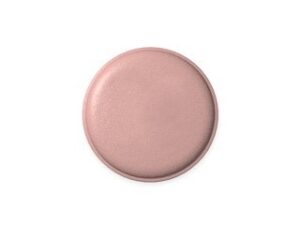
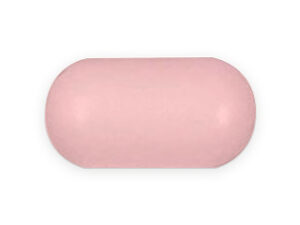
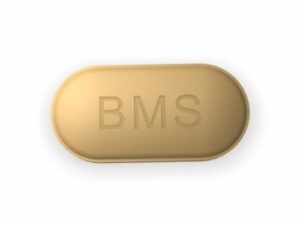
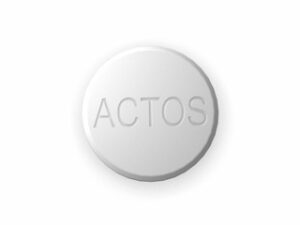
| Typical form | Tablets |
| How it acts | Stimulates insulin release from the pancreas in response to meals |
In Australia, brands and availability can vary. Your pharmacist can confirm the exact brand and tablet strength you have been supplied.
How Prandin works (mechanism of action)
Prandin (repaglinide) lowers blood glucose by increasing insulin secretion from pancreatic beta cells. It binds to a specific site on the ATP-sensitive potassium (KATP) channels in the beta cell membrane.
- When repaglinide binds, the KATP channels close.
- This leads to depolarisation of the beta cell membrane and triggers calcium influx.
- Insulin is released, helping manage the rise in blood glucose that follows meals.
Because Prandin is taken around mealtimes, it is designed to be effective when glucose levels are expected to rise after eating. It does not replace the need for diet, exercise, and monitoring.
Pharmacokinetics (how your body handles it)
Pharmacokinetics describes how the medicine is absorbed, distributed, metabolised, and eliminated. The main points to know include:
Absorption
Repaglinide is absorbed after oral dosing and reaches peak blood levels relatively quickly. This supports its intended use around meals.
Onset and duration
Repaglinide acts quickly, with the insulin-stimulating effect greatest near the time you eat. The effect wanes between meals, which helps reduce the risk of low blood sugar outside meal times when used as directed.
Metabolism
Repaglinide is primarily metabolised by the liver. This is important for interactions and for people with liver impairment.
Elimination
The metabolites are cleared mainly via the gastrointestinal route (through bile) and the remainder via the kidneys. Your overall exposure can increase if the liver processes are reduced or if interacting medicines affect metabolism.
Key message: Because repaglinide is processed by the liver, drug interactions and liver function are important to consider.
What Prandin is typically used for
Prandin is indicated for type 2 diabetes to improve blood glucose control in adults. It may be used:
- as monotherapy (on its own) when diet and exercise do not provide sufficient control, and/or
- in combination with other diabetes medicines (for example, metformin or some other agents) when needed.
Your treatment plan may also include lifestyle measures such as healthy eating, weight management, and physical activity. Blood glucose targets vary between individuals.
Indications (when it’s meant to be used)
The typical indication for Prandin is:
- Type 2 diabetes mellitus – as an insulin secretagogue to reduce post-meal blood glucose rise.
It is not intended for the treatment of type 1 diabetes or diabetic ketoacidosis. If you have symptoms of ketoacidosis (such as nausea, vomiting, abdominal pain, deep/rapid breathing, or unusual drowsiness), seek urgent medical care.
Timing: when to take Prandin
Prandin is designed to be taken before meals. The exact timing depends on your meal pattern and your prescriber’s instructions. Many people are advised to take it within about 15 minutes before eating.
- If you eat a meal, take your dose before that meal.
- If you skip a meal, your dose is often skipped as well to reduce the risk of low blood sugar. Confirm your personalised advice.
- Daily dosing is usually divided across the meals you eat, such as breakfast, lunch, and dinner.
Practical example: If you have breakfast at 8:00 am, you may take Prandin at about 7:45–7:55 am (depending on your instructions), so it’s active when your meal affects blood glucose.
Food interactions and meal pattern considerations
Prandin’s effect is closely related to eating. Unlike some diabetes medicines that are fixed to the clock, repaglinide is meal-linked. Because of this:
- Consistent meal patterns can make glucose control more predictable.
- If meals are delayed or smaller than usual, you may be at higher risk of hypoglycaemia unless doses are adjusted.
- Changes in diet (such as lower carbohydrate meals) may require reassessment by your healthcare professional.
Repaglinide is generally taken in relation to meals rather than as a “with food” or “on an empty stomach” medicine. However, follow the directions provided with your product and by your healthcare professional.
Alcohol and diabetes medicines interactions
Alcohol can affect blood glucose in several ways. In some people, it can lower blood sugar (especially if you drink without eating), while in others it can worsen glucose control and complicate diabetes management.
Practical alcohol considerations
- Limit alcohol and avoid binge drinking.
- Consider having alcohol with food to reduce the risk of low blood sugar.
- Be aware that alcohol may mask symptoms of hypoglycaemia (such as shakiness or sweating).
- If you experience dizziness, confusion, or shakiness, check your blood glucose immediately if possible.
The safest approach is to discuss alcohol with your diabetes care team, especially if you have a history of hypos or kidney/liver problems.
Medicine interactions (including important medicines)
Repaglinide is metabolised in the liver, so medicines that affect liver enzymes can significantly change repaglinide levels. This may increase the risk of hypoglycaemia (if repaglinide levels rise) or reduce effectiveness (if levels fall).
Medicines that can increase risk of low blood sugar
Some drugs can raise repaglinide exposure. Examples may include (not exhaustive):
- Certain antifungals and antibiotics
- Some antiviral medicines
- Certain heart medicines (depending on their enzyme effects)
- Some medicines for depression or other conditions
Medicines that can reduce Prandin effect
Other medicines can reduce repaglinide exposure or counteract glucose-lowering. Examples may include (not exhaustive):
- Certain corticosteroids
- Some diuretics
- Some medicines for seizures
- Some hormone medicines (depending on type)
What to do
- Tell your pharmacist and prescriber about all medicines you take (including over-the-counter products and supplements).
- Be extra cautious when starting, stopping, or changing doses of interacting medicines.
- Ask whether your new medicine requires closer blood glucose monitoring.
If you have a list of current medicines, keep it updated and bring it to appointments. Your pharmacist can check interactions more accurately with your specific medicines and strengths.
Dosing: typical approach
Dosing of Prandin is individual. Your prescriber will base starting dose on factors such as current blood glucose levels, how you respond to insulin secretagogues, and your liver/kidney function.
Common general principles include:
- Start low and adjust based on response.
- Take the dose before meals, typically within about 15 minutes of eating.
- If you miss a meal, you may be advised to skip the dose to lower hypo risk—confirm your personalised plan.
- Dose adjustments may be needed if your diet, meal schedule, or other medicines change.
Usual meal schedule
Many people take doses before each main meal, such as breakfast, lunch, and dinner. Some people take fewer doses depending on how often they eat.
Adjustments and monitoring
Blood glucose monitoring (at home, if recommended) helps guide dose changes. A key goal is achieving good control while avoiding hypoglycaemia.
Important: Do not change your Prandin dose without healthcare advice. If you suspect your dose is too high or too low, contact your diabetes care team promptly.
Safety profile: important risks and side effects
Like all diabetes medicines, Prandin can cause side effects, the most important of which is hypoglycaemia. The risk depends on dose, meal timing, activity level, and interacting medicines.
Hypoglycaemia (low blood sugar)
Symptoms of low blood sugar may include:
- shakiness or trembling
- sweating
- hunger
- dizziness or light-headedness
- headache
- confusion, unusual behaviour, or irritability
- weakness or sleepiness
How to respond: If you feel symptoms consistent with low blood sugar, check your blood glucose if possible. Take fast-acting carbohydrate (for example, glucose tablets or sugary drink), then recheck if recommended. If symptoms are severe or you cannot safely self-treat, seek urgent help.
Other potential side effects
Side effects can vary by person. Possible effects include:
- Gastrointestinal effects (such as nausea or abdominal discomfort)
- Weight changes (insulin secretagogues may be associated with weight gain in some people)
- Less commonly liver-related effects (especially in those with existing liver issues or interacting medicines)
When to seek urgent care
- Severe hypoglycaemia or inability to swallow/correct low blood sugar safely
- Signs of serious allergic reaction (swelling of face/lips, difficulty breathing, widespread rash)
- Symptoms suggesting liver problems (yellowing of skin/eyes, dark urine, persistent severe upper abdominal pain)
Practical use tips for safer, more effective control
- Match doses to meals: Take Prandin shortly before the meal you plan to eat.
- Don’t “double up”: If you forget a dose, follow your healthcare professional’s advice. Generally, avoid taking extra doses to make up for missed ones.
- Keep regular food timing if possible: Large changes in meal timing can raise hypo risk.
- Plan for exercise: Unplanned or increased physical activity can lower blood glucose—consider monitoring and discussing adjustments.
- Carry fast carbohydrate: Keep glucose tablets or an oral sugar option available in case of low blood sugar.
- Use a blood glucose log: Tracking results (including meal timing and activity) can help identify patterns for your care team.
- Alcohol with caution: Avoid drinking on an empty stomach; monitor for symptoms.
- Review medicines regularly: When starting/stopping other medicines, ask your pharmacist to check interactions.
If you drive or operate machinery, take extra care—hypoglycaemia can reduce concentration and reaction time. Follow Australian driving safety advice for people with diabetes and discuss your individual risk with your clinician.
Who may need extra caution?
Some people require closer monitoring or more careful dose selection. Talk to your healthcare team if you have any of the following:
- History of frequent hypos or hypoglycaemia unawareness
- Liver impairment (because repaglinide is metabolised in the liver)
- Kidney impairment (may increase hypo risk in general for many diabetes medicines)
- Irregular meal patterns (shift work, unpredictable schedules)
- Older age and frailty (higher risk of adverse events from hypoglycaemia)
If you are pregnant or planning pregnancy, seek guidance urgently—diabetes medicines may need adjustment. For breastfeeding, also ask for advice.
Alternative options (other diabetes treatments)
Diabetes treatment is individual. Depending on your health, preferences, and blood glucose patterns, your clinician may consider alternatives to Prandin, such as:
- Metformin (commonly used first-line)
- Sulfonylureas (also stimulate insulin release, but often with different timing and hypo risk patterns)
- DPP-4 inhibitors (increase incretin effects)
- GLP-1 receptor agonists (increase insulin and reduce appetite)
- SGLT2 inhibitors (increase glucose excretion via urine)
- Basal insulin or other insulin regimens for some people
- Other meglitinides (depending on availability and suitability)
Your prescriber will consider factors such as weight effects, risk of hypoglycaemia, kidney function, cardiovascular history, and convenience.
Market and legal context for Australia
In Australia, diabetes medicines are regulated and supplied under the national medicines framework. Prandin (repaglinide) is available through appropriate channels consistent with Australian pharmacy requirements. Your local pharmacist can provide details about packaging, strength, and how to take your specific product.
Diabetes management guidance in Australia is influenced by major clinical standards and organisations that consider safety, effectiveness, and individual patient risk. Treatment plans are often aligned with:
- Individualised blood glucose targets
- Minimising hypoglycaemia risk
- Consideration of comorbidities (such as cardiovascular disease, kidney function, and liver disease)
- Medication review over time as health status and HbA1c change
Recent guidance (what clinicians generally emphasise)
Clinical practice continues to emphasise:
- Personalised therapy: Selecting medicines based on your risk profile (including hypoglycaemia risk) and preferences.
- Meal-related dosing awareness: For meglitinides, timing before meals is critical to effectiveness and safety.
- Regular medication review: HbA1c, weight, kidney/liver function, and adverse effects are reviewed periodically.
- Safer use education: Recognising and treating hypoglycaemia, and managing missed meals.
- Interaction checks: Because hepatic metabolism and interactions can alter repaglinide exposure.
If you have concerns or have had recent hypos, your care team may review your dose, meal plan, or change treatment options.
Delivery and availability (online pharmacy)
Prandin availability may vary depending on brand, tablet strength, and supply conditions. Online pharmacies in Australia typically provide:
- Stock availability checks before dispatch
- Secure packaging for tablets
- Tracking information for eligible delivery methods
- Customer support for dosing questions and order updates
Delivery times depend on your location and the pharmacy’s courier service. If you need medicine urgently, contact the pharmacy to confirm dispatch timing and alternatives if stock is delayed.
Practical FAQ
1) What is Prandin used for?
Prandin (repaglinide) is used to help control blood glucose in adults with type 2 diabetes. It works mainly by increasing insulin release around mealtimes.
2) How soon before eating should I take it?
Many patients are instructed to take repaglinide within about 15 minutes before meals. Always follow the directions given to you for your specific dose schedule.
3) What if I skip a meal?
Because Prandin is meal-linked, skipping a meal may mean you should also skip the dose to reduce the risk of hypoglycaemia. Confirm your personal instructions with your healthcare professional.
4) Can I take Prandin with other diabetes medicines?
Yes, Prandin is sometimes used in combination with other diabetes treatments. Combination therapy depends on your blood glucose levels, risk of hypos, kidney function, and overall health.
5) What are the signs of low blood sugar?
Common symptoms include shakiness, sweating, hunger, dizziness, headache, confusion, irritability, and weakness. If you suspect low blood sugar, check your glucose if possible and treat promptly with fast-acting carbohydrate.
6) Can I drink alcohol while taking Prandin?
Alcohol can increase the risk of low blood sugar and can worsen glucose control. If you choose to drink, limit it and avoid drinking on an empty stomach. Discuss your situation with your clinician, especially if you have a history of hypos.
7) What medicines should I avoid?
Avoid or be cautious with medicines that can interact with repaglinide metabolism, potentially increasing hypo risk or altering effectiveness. Provide your full medication list to your pharmacist to check for interactions.
8) Who should use extra caution?
People with liver impairment, kidney problems, a history of frequent hypoglycaemia, irregular meal patterns, or older/frail adults may require closer monitoring and careful dosing.
9) Does Prandin cause weight gain?
Some people may experience weight changes. If you notice unexpected weight gain or appetite changes, discuss it with your care team.
10) Where can I get Prandin in Australia?
Prandin can be supplied through licensed pharmacy channels in Australia. Availability varies by supplier and stock levels, so check with the pharmacy if your usual strength is not immediately available.
Summary
Prandin (repaglinide) is a meal-timed medicine for adults with type 2 diabetes. By stimulating insulin release from the pancreas, it helps control the rise in blood glucose after meals. The most important safety consideration is hypoglycaemia, so correct timing before meals, consistent eating patterns, and careful interaction checking are key.
If you have questions about your dosing schedule, missed doses, blood glucose targets, or interactions with other medicines, speak with your pharmacist or diabetes care team.