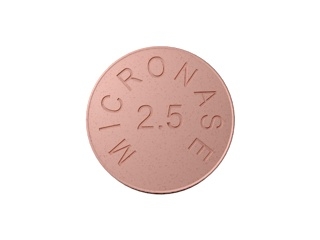
Micronase (Glyburide) — Patient Information (Australia)
Micronase is a brand of glyburide, an oral medicine used to help control blood glucose (sugar) levels in people with type 2 diabetes. It belongs to a group of medicines called sulfonylureas. Glyburide works by stimulating the release of insulin from the pancreas, helping to reduce blood glucose after meals and between meals.
This information is intended to help you understand how Micronase may fit into diabetes care. It does not replace advice from your healthcare professional. Diabetes management usually involves a combination of medicine, eating habits, physical activity, and ongoing monitoring of blood glucose.
Key Product Details
| Item | Information |
|---|---|
| Medicine name | Micronase (glyburide) |
| Medicine type | Oral diabetes medicine (sulfonylurea) |
| How it works | Increases insulin release from pancreatic beta cells |
| Common use | Type 2 diabetes when lifestyle measures alone are insufficient |
| Route | By mouth (tablets) |
| Important risks | Low blood glucose (hypoglycaemia), especially with missed meals, excess dosing, alcohol, or other medicines |
How Micronase (Glyburide) Works
Mechanism of action: Glyburide helps lower blood sugar primarily by:
- Stimulating insulin release from functioning beta cells in the pancreas.
- Increasing sensitivity to glucose in the pancreas, leading to insulin secretion when blood glucose levels are elevated.
Because it relies on the pancreas to release insulin, Micronase may be less effective in some situations where insulin production is reduced. Over time, people can require adjustments to maintain glucose control as diabetes progresses.
Pharmacokinetics (Absorption, Onset, Duration, Elimination)
Pharmacokinetics describe how the medicine moves through the body.
- Absorption: Glyburide is absorbed after oral administration. Food can influence how quickly it begins to work.
- Onset of action: Typically starts lowering blood glucose within 30–60 minutes after a dose (timing varies by person).
- Peak effect: Clinical effect is often greatest a few hours after taking a dose.
- Duration: Effects may last long enough to require a dosing schedule that matches meals and daily glucose patterns.
- Metabolism and elimination: Glyburide is metabolised mainly in the liver and metabolites are eliminated via kidneys and through bile/faeces pathways (exact proportions vary). Kidney and liver function can influence safety.
Why this matters: Because glyburide can cause hypoglycaemia, timing with meals and consistency of dosing are important.
Typical Use in Type 2 Diabetes
Micronase is used to improve blood sugar control in adults with type 2 diabetes when:
- diet and exercise alone are not enough, and/or
- additional medicines are needed to reach glucose targets, often in combination with other therapies.
Healthcare providers may consider factors such as age, weight, kidney function, other medicines, history of hypoglycaemia, and overall cardiovascular and kidney risk when choosing diabetes medicines.
Indications (What It’s Used For)
Micronase (glyburide) is indicated for:
- Type 2 diabetes mellitus—to lower blood glucose levels.
It is not generally used for type 1 diabetes or for diabetic ketoacidosis. If you have been prescribed Micronase, it is likely intended for a diagnosis of type 2 diabetes and for long-term glycaemic management alongside lifestyle measures.
How to Take Micronase: Timing and Dosing Principles
Important: The exact dose and schedule should be determined by your healthcare professional based on your blood glucose results and risk of hypoglycaemia.
General dosing approach
- Start low and adjust gradually: Dose is usually initiated conservatively and increased if needed.
- Take with food: Glyburide is commonly taken with breakfast and/or the first main meal of the day (depending on the prescribed regimen) to reduce the risk of low blood sugar.
- Match dosing to meals: If you skip or delay meals, hypoglycaemia risk increases.
Typical timing examples
Many people take Micronase once daily or split doses depending on the form and prescribed regimen. Common practical timing patterns include:
- Once daily: with the first main meal (often breakfast).
- Twice daily: with breakfast and the evening meal if prescribed as a split regimen.
Always follow the specific instructions on your medicine label or provided by your healthcare professional.
Dose Adjustments and Special Considerations
Dosing may need adjustment if there are changes in:
- Blood glucose levels (e.g., improving control, frequent highs or lows)
- Kidney or liver function
- Age (older adults may have higher hypoglycaemia risk)
- Weight changes
- Diet or meal pattern changes
- Concurrent medicines that affect blood glucose
Your clinician may recommend more frequent glucose monitoring when starting or changing dose.
Food Interactions and Meal Timing
Food plays an important role in safety with sulfonylureas like glyburide.
- Take with meals: Food helps reduce the risk of hypoglycaemia.
- Do not skip meals: Skipping meals increases the chance of low blood glucose.
- Consistent carbohydrate intake: Large changes in carbohydrate intake can affect glucose control.
- Illness and reduced intake: If you are unwell and eating less, your risk of hypoglycaemia may increase—seek advice promptly.
If you experience symptoms of low blood glucose, you may need to treat immediately (see Safety profile below) and contact your healthcare professional to review your regimen.
Alcohol and Micronase (Glyburide)
Alcohol can increase the risk of hypoglycaemia with glyburide. It may also affect your liver’s ability to regulate glucose.
- Avoid or limit alcohol, particularly on an empty stomach.
- If you choose to drink alcohol, ensure you have eaten and consider checking blood glucose more frequently.
If you have frequent hypos, have kidney or liver impairment, or drink irregularly, discuss alcohol guidance with your healthcare professional.
Medicine Interactions
Many medicines can affect blood glucose levels, sometimes increasing or decreasing glyburide’s effect. Always tell your healthcare provider and pharmacist about all medicines you take, including herbal products and over-the-counter options.
Examples of interactions that may increase hypoglycaemia risk
Some medicines can enhance the glucose-lowering effect of sulfonylureas or alter their metabolism. Hypoglycaemia risk may be higher if glyburide is used with:
- Other diabetes medicines (e.g., insulin, metformin, other glucose-lowering therapies)
- Some antibiotics (varies by antibiotic)
- Salicylates (e.g., aspirin in certain doses)
- Non-steroidal anti-inflammatory drugs (NSAIDs) in some situations
- Other medicines affecting liver enzymes involved in drug metabolism
Examples of interactions that may reduce glycaemic control
Other medicines may increase blood glucose and counteract glyburide’s effect, such as:
- Corticosteroids (e.g., prednisone/dexamethasone)
- Some diuretics
- Sympathomimetic medicines (some treatments for colds/asthma may affect glucose)
- Hormonal therapies (depending on product)
Important: Interaction profiles can be complex. Your pharmacist can help check your specific medicine list for known interactions with glyburide.
Safety Profile: Key Risks and When to Seek Help
Most important adverse effect: Hypoglycaemia
Hypoglycaemia (low blood glucose) is a major risk with glyburide. It can be serious if not treated.
Symptoms may include:
- shaking, sweating, chills
- hunger, nausea
- dizziness, headache
- blurred vision
- confusion, irritability, unusual behaviour
- drowsiness or weakness
- in severe cases, seizures or loss of consciousness
How to respond (general guidance):
- If you suspect low blood sugar, check your blood glucose if you can.
- Take fast-acting carbohydrate (e.g., glucose tablets or a sugary drink) according to the product instructions or your clinician’s plan.
- Recheck if needed and follow with a snack or meal if your next meal is not soon.
- If severe symptoms occur or you cannot safely treat yourself, seek urgent medical help.
Your healthcare professional can provide a personalised “hypo plan.” Keeping it on hand can be lifesaving.
Other possible side effects
Other side effects may include:
- Weight gain (can occur with insulin-releasing medicines)
- Gastrointestinal upset (e.g., nausea)
- Skin reactions (uncommon)
- Changes in blood counts or liver enzyme changes (rare)
Seek medical advice if you experience persistent or severe symptoms.
When to avoid or use caution
Caution is especially important if you have:
- Kidney impairment (risk of prolonged drug effect and hypoglycaemia)
- Liver impairment (affects drug metabolism)
- Older age or low awareness of hypoglycaemia
- Irregular eating patterns
- Frequent hypoglycaemia history
Do not stop or adjust the dose without professional guidance, as sudden changes may destabilise glucose levels.
Practical Use Tips (How to Use Micronase Safely)
- Take consistently: Try to take Micronase at the same times each day.
- Pair with meals: Take it with a meal as directed. Never take it without eating if that is not your prescribed instruction.
- Monitor glucose: Regular blood glucose testing helps detect patterns and reduce hypo risk.
- Keep fast sugar available: Store glucose tablets or another fast-acting option in your bag, home, and car.
- Know hypo symptoms: Treat early, even if symptoms are mild.
- Plan for exercise: Physical activity can lower blood glucose. Have carbohydrate on hand and monitor if advised.
- During illness: If you’re eating less or vomiting, the risk of hypoglycaemia or unstable glucose control increases—contact your healthcare professional promptly.
Diabetes education matters: Consider asking about diabetes self-management education, including how to interpret glucose readings and how to respond to lows.
Alternative Options (If Glyburide Isn’t Suitable)
There are several diabetes medicine options besides sulfonylureas. Your clinician may choose based on your glucose levels, comorbidities, risk of hypoglycaemia, weight concerns, and kidney or cardiovascular status.
Common alternatives include
- Metformin (often first-line for type 2 diabetes)
- DPP-4 inhibitors (e.g., sitagliptin)
- GLP-1 receptor agonists (injections; some are weekly)
- SGLT2 inhibitors (oral; may offer kidney and heart benefits in appropriate patients)
- Thiazolidinediones (selected cases)
- Insulin (for some patients when control is insufficient)
Because each option has different benefits and risks (including hypoglycaemia risk, weight effects, and suitability with kidney disease), discuss with your healthcare professional what may be appropriate for you.
Market and Legal Context for Australia
In Australia, medicines for diabetes are regulated under the Therapeutic Goods Administration (TGA) framework. Access to diabetes medicines commonly involves a pharmacist and prescription processes where required by Australian law and product classification.
For patient safety, it’s also important that glycaemic medicines are used in line with current clinical guidance and individual monitoring needs. People with diabetes benefit from regular review of:
- blood glucose and HbA1c results
- medication adherence and side effects
- renal function and other relevant health checks
- cardiovascular risk management (e.g., blood pressure, cholesterol)
Recent Guidance and Clinical Considerations
Over recent years, Australian and international diabetes guidance has increasingly emphasised medicines with proven benefit for kidney and cardiovascular risk where appropriate (such as SGLT2 inhibitors and GLP-1 receptor agonists), particularly for patients at higher risk. Meanwhile, medicines like metformin remain foundational for many people with type 2 diabetes.
Sulfonylureas (including glyburide) can remain an option for some patients, particularly where:
- cost considerations are important
- other options are not suitable
- patient-specific factors support their use
Regardless of which medicine is chosen, the goal is to achieve and maintain glucose targets with the lowest safe risk of complications, including hypoglycaemia.
Delivery, Availability, and Ordering (Australia)
Micronase availability may vary between brands and strengths depending on supply and pharmacy stock. Many online pharmacies in Australia can help you order diabetes medicines for delivery to eligible locations.
When ordering online, you may be asked to:
- confirm your medication details (strength and dosing instructions)
- provide relevant patient information as required by law and safety systems
- allow for standard processing and shipping times
Delivery expectations: Delivery times differ depending on your location and the pharmacy’s dispatch schedule. At checkout, you should see estimated delivery windows and any additional shipping conditions.
Storage after delivery: Store tablets as directed on the pack—generally at room temperature, protected from moisture and heat, and keep out of reach of children.
FAQ: Micronase (Glyburide)
1) What is Micronase used for?
Micronase (glyburide) is used to help control blood glucose in adults with type 2 diabetes when diet, exercise, and other measures are not sufficient.
2) How quickly does Micronase work?
Glyburide typically begins lowering blood glucose within about 30–60 minutes after taking a dose. The overall effect depends on your meal timing and your individual response.
3) Can I take Micronase if I skip meals?
Generally, you should not skip meals when taking a sulfonylurea. Skipping food increases the risk of hypoglycaemia. If your meal pattern changes, talk to your pharmacist or doctor about how to adjust safely.
4) What should I do if I get symptoms of low blood sugar?
Treat it promptly with fast-acting carbohydrate (like glucose tablets or a sugary drink). Then recheck your glucose if possible and have a snack or meal if needed. If symptoms are severe or you cannot self-treat, seek urgent medical assistance.
5) Does alcohol affect Micronase?
Yes. Alcohol can increase the risk of low blood glucose and may interfere with glucose regulation. If you drink, do so cautiously and typically with food—and consider discussing safe limits with your healthcare professional.
6) Are there medicines I should avoid while taking glyburide?
Some medicines can change blood glucose levels or glyburide metabolism. Always check with your pharmacist or healthcare professional, especially when starting antibiotics, steroids, or new pain/cold medicines.
7) Can Micronase be taken with other diabetes medicines?
Sometimes yes, but combination therapy can increase the risk of hypoglycaemia (depending on what you’re taking). Your clinician will decide the safest regimen and monitoring plan.
8) What if I miss a dose?
If you miss a dose, take it only if it is close to the time you usually take it and with food, unless your healthcare professional has instructed otherwise. If you are unsure, ask your pharmacist. Avoid doubling doses to “catch up.”
9) Who should be extra careful with Micronase?
People at higher risk of hypoglycaemia (such as older adults, those with kidney impairment, those with irregular meals, and those with a history of frequent lows) should be monitored more closely.
10) What are the signs that Micronase may not be working well?
If your blood glucose readings remain consistently high or you notice frequent side effects, your treatment plan may need adjustment. Discuss your monitoring results with your healthcare professional.
Need more support? If you have questions about Micronase timing, side effects, or interactions with your current medicines, your pharmacist is a great first point of contact. For emergencies such as severe hypoglycaemia, seek urgent medical help.