

Rabeprazole (Rabeprazole sodium) – Patient Information (Australia)
Rabeprazole is a medicine used to reduce stomach acid. It belongs to a group called proton pump inhibitors (PPIs). In Australia, rabeprazole products may be available as prescription medicines and/or under specific supply arrangements depending on strength and indication.
This page explains how rabeprazole works, when it’s used, how to take it safely, key interactions, and practical tips to help you get the best results.
Basic product information
| Feature | Details |
|---|---|
| Generic name | Rabeprazole (as rabeprazole sodium) |
| Drug type | Proton pump inhibitor (PPI) |
| Main action | Reduces acid production in the stomach |
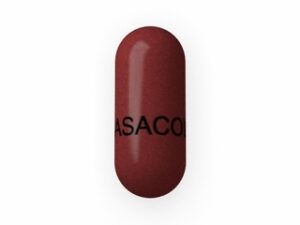
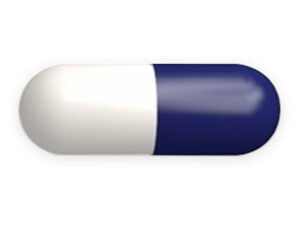
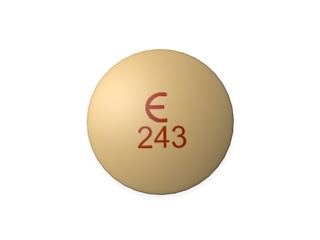
| Common forms | Oral tablets/capsules (brand and formulation may vary) |
| How it’s used | Usually once daily for many conditions; sometimes divided dosing depending on indication |
| Common availability in Australia | Supplied through Australian pharmacies; availability depends on formulation/strength |
How rabeprazole works (mechanism of action)
Rabeprazole blocks the “final step” of acid production in the stomach. It targets the enzyme system responsible for pumping hydrogen ions into gastric fluid—commonly referred to as the proton pump.
- Rabeprazole is activated in the acidic environment of the stomach.
- Once activated, it reduces the amount of acid your stomach can make.
- This leads to improved symptoms such as heartburn, acid reflux (gastro-oesophageal reflux disease, GORD), and healing of acid-related irritation in the oesophagus or stomach (when present).
Important: PPIs like rabeprazole work best when taken consistently. Many people notice symptom improvement within a few days, but full benefit—especially for healing—can take longer.
Pharmacokinetics (how the body handles rabeprazole)
Understanding pharmacokinetics helps explain timing and why dose instructions are important.
- Absorption: Rabeprazole is absorbed after oral dosing. Peak effects in reducing acid typically occur after the medication has been absorbed and activated in the stomach.
- Activation: Because activation occurs in an acidic environment, taking it as directed (often before food) generally improves effectiveness.
- Metabolism: Rabeprazole is metabolised mainly in the liver. The body eliminates drug metabolites largely through the kidneys and/or via bile pathways (details can vary).
- Half-life: The medication’s effect on acid lasts longer than its presence in the bloodstream, because it irreversibly reduces proton pump activity.
- Variability: Acid suppression may vary between individuals. This is why adherence to timing is key.
Typical uses and indications
Rabeprazole is used to treat conditions where reducing stomach acid can relieve symptoms and support healing. Typical indications include:
- Gastro-oesophageal reflux disease (GORD): relief of heartburn and acid reflux symptoms.
- Erosive oesophagitis: healing of inflammation/erosions of the oesophagus related to acid.
- Maintenance therapy in certain patients with GORD (to help prevent recurrence).
- Peptic ulcer disease and related acid-related conditions (depending on diagnosis).
- Helicobacter pylori (H. pylori) eradication regimens (rabeprazole may be used as part of combination therapy).
- Zollinger–Ellison syndrome and other conditions involving excess acid production (specialist-directed).
If you’re unsure whether your medicine is intended for one of these reasons, check the product label or ask a pharmacist.
How to take rabeprazole (dose and timing)
Dosing varies based on the condition being treated, the strength of the product, and your individual factors. Always follow the directions on your medicine label or provided by your healthcare professional.
General timing guidance
- Common approach: take rabeprazole once daily on an empty stomach.
- Best timing: many people take it about 30 minutes before food (often before breakfast).
- If your regimen is different, follow the specific label instructions for your formulation.
Why timing matters: PPIs are most effective when they can activate in the stomach before a meal stimulates acid production. Taking it after food may reduce the maximum benefit.
Typical dosing ranges (examples)
Below are common dosing patterns seen in clinical practice; your exact dose may differ.
| Condition (example) | Typical adult dosing pattern* | Notes |
|---|---|---|
| GORD symptoms | Often 10 mg once daily or 20 mg once daily | Used for symptom control; duration depends on response and guidance. |
| Erosive oesophagitis | Often 20 mg once daily (may be adjusted) | Healing may take several weeks. |
| H. pylori eradication regimens | Often 20 mg twice daily in combination (may vary) | Used with antibiotics/other agents as directed. |
| Zollinger–Ellison syndrome | Individualised dosing (sometimes higher/split dosing) | Specialist-led with monitoring. |
*Doses shown are general examples. Your prescriber/pharmacist may tailor dosing to your situation, product strength, and treatment goals.
What if you miss a dose?
- If you remember later the same day, take it as soon as you can before your next meal (if that’s still feasible).
- If it’s close to the time for your next dose, skip the missed dose and take your next dose at the usual time.
- Do not double up to make up for a missed dose.
Food interactions (what to know about meals)
Rabeprazole’s effectiveness is influenced by when you eat. Food can reduce the timing advantage of PPIs.
- Take on an empty stomach when possible: about 30 minutes before breakfast (or your first meal of the day).
- If you must take it with food due to instructions for your specific product, follow your label directions exactly.
- Avoid changing your timing abruptly without advice—consistency matters.
Antacids and “rapid relief” medicines
If you use antacids or alginate products for quick symptom relief, they can sometimes be used alongside PPIs. However, timing may matter:
- Consider taking antacids/alginate as needed for breakthrough symptoms, unless your pharmacist advises otherwise.
- Keep a record of symptoms so your pharmacist can assess whether your PPI timing or dose needs adjustment.
Alcohol and medicine interactions
Alcohol does not directly “cancel out” rabeprazole, but it can worsen acid reflux symptoms in many people by:
- irritating the oesophagus
- relaxing the lower oesophageal sphincter (the valve between oesophagus and stomach)
- increasing reflux or triggering heartburn
If you have reflux or ulcer-related symptoms, it may be best to limit alcohol. If you notice symptoms after drinking, avoiding alcohol can improve comfort and reduce the need for extra medication.
Medicine interactions with alcohol: alcohol may increase the risk of side effects such as nausea, dizziness, or stomach upset—these can overlap with how PPIs feel for some people. Use caution, especially if you’re also taking other medicines for the same conditions.
Drug interactions (important medicine-to-medicine considerations)
Always tell your pharmacist about all medicines you take, including over-the-counter products, vitamins, and herbal supplements. Some interactions are clinically important.
Common interaction themes
- Acid-dependent medicines: because PPIs reduce stomach acid, they can affect how some medicines dissolve and absorb.
- Liver metabolism: rabeprazole is metabolised in the liver; interactions involving liver enzymes may occur.
Examples of medicines that may interact
The exact interaction depends on the medicine, dose, and your health conditions. Examples that may require review include:
- Antiretrovirals (HIV medicines) where acid suppression can change absorption—this is especially important for some formulations.
- Antifungal medicines and certain tablet formulations that are sensitive to stomach pH.
- Medicines requiring an acidic environment for absorption (your pharmacist can check your list).
- Warfarin and other medicines affecting blood clotting: PPIs can sometimes influence monitoring results. Your doctor may request closer INR checks if you’re taking warfarin.
- Clopidogrel: the interaction is often discussed with PPIs as a class. If you take clopidogrel, ask your pharmacist for the most suitable acid-reducing option and monitoring advice.
- Methotrexate (especially high-dose regimens): PPIs may affect methotrexate levels; clinician review may be needed.
This is not a complete list. Please provide your full medicine list to your pharmacist to ensure safe use.
Safety profile (side effects and when to seek help)
Most people tolerate rabeprazole well. However, like all medicines, it can cause side effects. Many side effects are mild and improve as your body adjusts.
Common or mild side effects
- Headache
- Nausea or stomach discomfort
- Diarrhoea or constipation
- Flatulence (wind)
- Dizziness (uncommon for many, but reported)
Less common but important risks
Some risks are more likely with long-term or high-dose PPI use, or in certain medical circumstances.
- Low magnesium (hypomagnesaemia): can occur with prolonged therapy; may cause muscle cramps, palpitations, or weakness. Blood tests may be recommended if you use PPIs long term.
- Vitamin and nutrient changes: long-term acid suppression may affect absorption of certain nutrients such as magnesium and vitamin B12 (monitoring may be considered for long courses).
- Infections: reducing stomach acid can increase susceptibility to some gastrointestinal infections (e.g., certain types of diarrhoea). If you develop persistent diarrhoea, seek advice.
- Bone fracture risk: long-term PPI use has been associated with a small increased risk of fractures in some studies. This is usually addressed through risk assessment and using the lowest effective dose for the shortest time needed.
- Kidney issues: rare kidney-related side effects have been reported. Seek advice if you develop symptoms such as reduced urine output or swelling.
- Allergic reactions: seek urgent help if you experience swelling of the face/lips, difficulty breathing, rash with blistering, or severe skin reactions.
When to seek urgent medical help
Contact a doctor urgently or seek emergency care if you experience:
- Severe allergic symptoms (swelling, trouble breathing)
- Severe or worsening abdominal pain
- Vomiting blood or black/tarry stools
- Unexplained weight loss, difficulty swallowing, or persistent vomiting
- Severe or persistent diarrhoea (especially with fever or dehydration)
Practical use tips (getting the best results)
- Be consistent with timing: take rabeprazole at the same time each day, ideally 30 minutes before your first meal.
- Give it time: symptom relief can start quickly, but healing of inflammation may take weeks.
- Don’t stop early if told to continue: stopping too soon can lead to relapse.
- Track symptom patterns: note which foods or activities trigger heartburn so you can reduce triggers.
- Use lifestyle measures alongside medication: smaller meals, avoid lying down right after eating, elevate the head of your bed if reflux is worse at night, and consider dietary triggers (e.g., spicy foods, fatty meals, caffeine, and alcohol).
- Check medicine labels: some formulations may be enteric-coated or have special release properties—do not crush or chew unless the product information specifically allows it.
Alternative options for acid reduction (discuss with a pharmacist)
If rabeprazole isn’t suitable or doesn’t provide enough relief, there are other options depending on your diagnosis. Alternatives may include:
- Other PPIs: such as omeprazole, esomeprazole, lansoprazole, and pantoprazole (choice depends on individual response and availability).
- H2-receptor antagonists: like famotidine or nizatidine (often used for milder symptoms or shorter-term relief).
- Antacids and alginates: for quick “on-demand” relief of breakthrough symptoms.
- Targeted treatment for H. pylori: if acid suppression is part of eradication therapy, antibiotics and additional agents are used in combination.
- Non-medicine approaches: weight management, meal timing adjustments, trigger avoidance, and reflux-friendly sleeping habits.
Your pharmacist can help you compare options based on your symptoms, medical history, and other medicines.
Market and legal context for Australia (availability and guidance)
In Australia, access to rabeprazole depends on product strength, formulation, and the intended indication. Many acid-lowering medicines are available through pharmacies and may be supplied under different categories (for example, pharmacy-only or prescription-only arrangements), as determined by Australian regulatory frameworks.
Because rabeprazole affects acid levels, it’s important that supply is appropriate for your symptoms and risk factors. If you have alarm features (such as trouble swallowing, unexplained weight loss, vomiting blood, or black stools), you should seek medical review promptly rather than relying only on self-treatment.
Recent guidance and “best practice” considerations
Current clinical best practice generally focuses on using acid-suppressing therapy:
- at the lowest effective dose,
- for the shortest duration needed to control symptoms and heal inflammation,
- and with periodic review for ongoing need (especially for long-term PPI users).
If you’re taking rabeprazole long term, periodic assessment by a healthcare professional may be recommended to ensure continued benefit and to consider monitoring for potential long-term effects.
Delivery and availability (online pharmacy)
Rabeprazole products are commonly stocked by Australian pharmacies. When ordering online, availability can vary by brand, strength (e.g., 10 mg or 20 mg), and formulation.
- Dispatch: most orders are processed on business days; dispatch times can vary around public holidays.
- Packaging: medicines are typically supplied in manufacturer packaging with information about expiry and batch.
- Cold chain: rabeprazole does not generally require refrigeration unless specified for a particular product.
- Conservation: store at room temperature as directed on the label and keep out of reach of children.
For the fastest confirmation, check the product page for stock status and estimated delivery times in your area.
FAQ
1) How quickly does rabeprazole work?
Many people notice symptom improvement within the first few days, but full benefit may take longer—particularly if you’re healing inflammation of the oesophagus or stomach lining. Consistent daily dosing improves outcomes.
2) Should I take rabeprazole before or after food?
For best effect, rabeprazole is often taken 30 minutes before a meal (commonly before breakfast). Follow your specific product instructions.
3) Can I take it with antacids?
Often, yes—antacids or alginate products may be used for breakthrough symptoms. Ask your pharmacist about timing and whether your specific combination is appropriate.
4) Does alcohol affect rabeprazole?
Alcohol doesn’t usually stop rabeprazole from working, but it can worsen reflux symptoms. If you notice heartburn after drinking, reducing or avoiding alcohol may help.
5) What if I feel better—can I stop rabeprazole?
Don’t stop abruptly if you were advised to take it for a specific course or healing period. If you’re using it for ongoing reflux, discuss step-down strategies with a pharmacist or clinician.
6) Are there long-term risks?
Long-term PPI use has been associated with certain risks (for example, low magnesium, vitamin B12 changes, infections, and a small fracture risk). These risks can depend on dose and duration. For longer courses, regular review and appropriate monitoring may be recommended.
7) Who should be extra cautious?
Take extra care and get pharmacist guidance if you:
- have kidney disease or liver disease
- take medicines with important absorption interactions (e.g., some HIV medicines, warfarin)
- are pregnant, planning pregnancy, or breastfeeding
- have symptoms of concern such as trouble swallowing or unexplained weight loss
8) Can I take rabeprazole with other medicines?
Many medicines can be taken with rabeprazole, but some interactions are possible due to changes in stomach acidity and metabolism. Provide your full medication list to a pharmacist to confirm suitability.
9) Are there natural alternatives?
Lifestyle measures (such as reducing trigger foods, avoiding late meals, and maintaining healthy weight) can help. Some people also use antacids/alginate products for symptom relief. However, for healing of acid-related inflammation, acid suppression medicines like PPIs may be needed. Discuss options with a pharmacist.
10) What should I do if my symptoms don’t improve?
If symptoms persist after following the dosing instructions, or if they worsen, seek advice. Persistent symptoms may need review of diagnosis, dosing timing, or alternative treatments.
Summary
Rabeprazole (rabeprazole sodium) is a proton pump inhibitor that reduces stomach acid to help relieve symptoms of GORD, support healing of acid-related irritation, and treat specific ulcer and H. pylori–related conditions (when used as part of combination therapy). For best results, take it consistently and ideally before food, be mindful of medication interactions, and seek help if you experience warning signs or persistent symptoms.