
Asacol (Mesalamine) — Patient-Friendly Medicine Information (Australia)
Asacol is a brand of mesalamine (also called 5-aminosalicylic acid or 5‑ASA). It is used to treat and help prevent flare-ups of certain inflammatory bowel diseases, particularly ulcerative colitis. This guide explains how Asacol works, how it is taken, common safety considerations, and practical tips for everyday use in Australia.
| Topic | What to know |
|---|---|
| Active ingredient | Mesalamine (5‑ASA) |
1) Basic product information
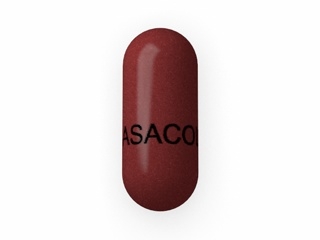
Asacol contains mesalamine designed to release the medicine in the bowel. Different Asacol formulations may exist (depending on strength and region). Always check the pack label for the exact strength and instructions for your specific product.
- Medicine type: Anti-inflammatory bowel medicine (aminosalicylate)
- Main target: Inflammation in the colon (large intestine)
- Common condition treated: Ulcerative colitis
Important note: This website information is general. Your individual treatment plan may vary based on the extent of disease, symptom severity, and your medical history.
2) How Asacol works (mechanism of action)
Mesalamine is an anti-inflammatory medication that acts mainly on the lining of the bowel. It helps to reduce inflammation without the same broad systemic effects associated with some other medications.
While the exact mechanism is complex, mesalamine is thought to work through several pathways, such as:
- Reducing inflammatory signals in the bowel wall
- Decreasing production of inflammatory substances (e.g., prostaglandins and leukotrienes)
- Modulating immune responses in the intestinal lining
- Antioxidant effects that may help protect tissues
Key point: Asacol is used to control inflammation to bring about symptom improvement and help maintain remission.
3) Pharmacokinetics (absorption, distribution, metabolism, excretion)
Because mesalamine’s therapeutic goal is local action in the bowel, the formulation of Asacol is designed to release the drug in the intestine rather than the stomach.
- Absorption: Only a small proportion of mesalamine is absorbed through the bowel wall.
- Local action: The majority of the medicine works where inflammation occurs.
- Metabolism: Absorbed mesalamine is largely converted to N‑acetyl‑5‑ASA (an inactive metabolite) in the body.
- Excretion: Both mesalamine and its metabolite are eliminated, mainly through the kidneys.
Clinical relevance: Since the kidneys are involved in elimination, kidney health is an important consideration during mesalamine treatment.
4) Typical use in ulcerative colitis
Asacol is commonly used to treat mild to moderate ulcerative colitis, and it may also be used to help maintain remission (reduce the likelihood of flare-ups returning).
Depending on the situation, your clinician may recommend Asacol:
- During an active flare to help control symptoms
- Over the long term to help keep inflammation under control
- As part of a step-up or step-down plan alongside other therapies
Timeline expectation: Some people start to feel improvement within days, but full effects can take several weeks.
5) Timing and how to take Asacol
General timing
Follow the instructions on your medicine packaging and your healthcare professional’s advice. In general:
- Asacol is taken on a regular schedule to maintain consistent bowel levels.
- Some regimens are taken once daily; others are multiple times per day depending on the specific product strength and dosing plan.
How to take it
- Swallow whole with water if your formulation is a tablet that must not be crushed or chewed (check your label).
- Do not break or crush unless the product instructions say it is acceptable.
- If you miss a dose, take it when you remember
How long to continue
Even when you feel better, stopping suddenly can increase the chance of relapse. Many people continue mesalamine to maintain remission. Discuss any changes to your regimen with your healthcare professional.
6) Food interactions and what to consider
Mesalamine formulations are designed for intestinal release, so food may not have a major effect for most people. However, dosing instructions can vary by product.
In practical terms:
- Take with a consistent routine (e.g., with a meal or at the same times each day), as this may help with adherence and tolerance.
- Avoid changes in timing if your doctor has advised a particular schedule.
- If your formulation instructions specify whether to take with or without food, follow those instructions.
Tip: If you experience stomach upset, taking your dose with food (if allowed for your specific product) may help.
7) Alcohol interactions and medicine interactions
Alcohol
Moderate alcohol may not directly interact with mesalamine in the same way as some medicines, but alcohol can worsen gastrointestinal symptoms in some people (e.g., nausea, diarrhoea, heartburn). During an active flare, it may be best to limit or avoid alcohol to reduce strain on your digestive system.
- During flare-ups: Consider avoiding alcohol.
- When stable: If you choose to drink, start with small amounts and monitor your symptoms.
Common medicine interaction considerations
Mesalamine can be affected by or may affect other medicines, especially those involving the kidneys or certain blood thinning medicines.
Please tell your clinician or pharmacist about all medicines and supplements you use, including:
- Non-steroidal anti-inflammatory drugs (NSAIDs) (e.g., ibuprofen, naproxen)
- Kidney-affecting medicines (some diuretics, certain blood pressure medicines, and others)
- Blood thinners (e.g., warfarin) — monitoring may be required
- Azathioprine or 6-mercaptopurine (used for inflammatory bowel disease in some cases) — your prescriber may adjust monitoring
Allergic or salicylate-sensitive conditions: If you are sensitive to aspirin or other salicylates, discuss this before using mesalamine.
8) Indications (what Asacol is used for)
Mesalamine is used primarily for inflammatory conditions affecting the bowel lining. Common indications include:
- Ulcerative colitis: treatment of mild to moderate active disease
- Ulcerative colitis: maintenance of remission (helping prevent flare-ups)
Not all bowel inflammation is the same. Crohn’s disease, for example, may require different medication strategies. Your healthcare professional will confirm the right diagnosis and treatment goals.
9) Dosing information (general guidance)
Dosing depends on the formulation, strength, disease severity, and individual response. Always follow your prescribed or labeled instructions.
| Situation | Typical approach | Notes |
|---|---|---|
| Active ulcerative colitis | Often higher-dose regimens initially, then adjustment | Improvement may take weeks; follow scheduled reviews |
| Maintenance (remission) | Lower dose compared with active treatment, long-term | Consistency is important to reduce relapse risk |
| Children & adolescents | Dosing varies by age and product | Use only if approved for that age group and with specialist guidance |
How to confirm your dose: Check the carton label for the exact strength and directions (e.g., number of tablets per day and timing). If you are unsure, ask a pharmacist.
10) Safety profile and side effects
Common side effects
Many people tolerate mesalamine well. Possible side effects can include:
- Headache
- Nausea or stomach discomfort
- Diarrhoea or changes in bowel habits
- Rash
- Gas or bloating
Serious side effects (seek urgent medical advice)
Contact a healthcare professional promptly if you experience signs of serious reaction, such as:
- Allergic reactions (swelling of face/lips, difficulty breathing, severe rash)
- Severe worsening abdominal pain or significant blood in stool
- Persistent fever or feeling very unwell
- Kidney problems (e.g., reduced urination, new swelling, unusual fatigue)
Kidney and monitoring
Because mesalamine is eliminated via the kidneys, clinicians often consider baseline and periodic kidney checks (such as blood tests). The exact schedule depends on your risk factors and local practice.
Lung and blood-related concerns
Rarely, inflammatory or allergic reactions can affect other organ systems. Report unusual symptoms such as persistent cough, shortness of breath, or bruising/bleeding.
11) Practical use tips (getting the best results)
- Take it regularly: Mesalamine works best when taken consistently.
- Use reminders: Phone alarms or a pill organiser can improve adherence.
- Know what to expect: Symptom improvement may be gradual. Give the medicine enough time before judging effectiveness.
- Keep track of symptoms: If you monitor stool frequency, blood/mucus, and urgency, it helps you and your clinician review progress.
- Attend monitoring appointments: If kidney or blood tests are recommended, keep them.
- Stay hydrated: This can be especially helpful if diarrhoea occurs during a flare.
Self-care during flares: Rest, maintain a balanced diet suited to your symptoms, and avoid triggers that worsen diarrhoea or abdominal discomfort.
12) Alternative options for ulcerative colitis
If Asacol isn’t suitable or symptoms aren’t adequately controlled, there are multiple other treatment strategies. Alternatives depend on the diagnosis, severity, and individual factors.
Other 5‑ASA options
- Other mesalamine formulations (different release patterns)
- Other aminosalicylate medicines (some work for different disease extents)
- Topical therapies (e.g., rectal mesalamine) when disease is limited to the rectum/sigmoid colon
Other classes (for selected cases)
- Corticosteroids (for short-term control in some flares)
- Immunomodulators (e.g., azathioprine) for certain patients
- Biologic therapies and other advanced treatments (for moderate to severe disease)
- Supportive care (treating anaemia, nutrition, vaccination planning, and symptom management)
Note: The “best” alternative varies widely. Your healthcare professional can help choose based on extent of disease, previous response, and risk factors.
13) Asacol in the Australian market: legal and guidance context
In Australia, medicines are regulated by the Australian Government’s medicines and health regulatory framework. Availability and supply arrangements can vary depending on product status and current regulatory requirements.
- Brand and active ingredient: Asacol is a brand containing mesalamine (an aminosalicylate).
- Pharmacist support: Australian pharmacies can provide advice on correct use, timing, and side effects.
- Safety monitoring: Healthcare professionals may request periodic tests, especially for kidney function.
Recent guidance considerations: Over time, treatment strategies for inflammatory bowel disease have refined focus on tailored therapy, appropriate monitoring, and balancing benefits with potential risks (including renal monitoring for mesalamine). Local clinical recommendations may evolve based on new evidence and safety updates.
For the most current guidance in Australia, it’s best to consult your treating clinician or reliable local resources.
14) Delivery and availability (Australia)
Online pharmacy availability may depend on stock levels, formulation strength, and pack size. When ordering:
- Check the exact product: Confirm the brand and strength to match your regimen.
- Allow processing time: Delivery timelines vary by location and supplier.
- Cold chain: Most mesalamine tablets do not require special cold storage. Follow the storage instructions on the pack.
Storage tips: Keep Asacol in a cool, dry place, protect from moisture, and keep out of reach of children.
Contact us: If you need help choosing the correct strength or formulation, our pharmacy team can assist.
15) FAQ — Frequently asked questions
Can I stop Asacol once I feel better?
It’s usually not advised to stop abruptly without medical advice. Mesalamine is often used to maintain remission. Stopping can increase the risk of relapse.
How quickly does Asacol work?
Some people notice improvement within days, but for many it can take several weeks to achieve the full benefit. If symptoms are not improving, consult your healthcare professional rather than stopping on your own.
What should I do if I miss a dose?
Take the missed dose when you remember if it’s not close to the next scheduled dose. If you are near the next dose, skip the missed one. Do not double up.
Is Asacol taken with food?
Follow the instructions on your specific product. Some patients take it with meals to improve comfort, but the key is to keep to the dosing directions provided for your formulation.
Does alcohol affect ulcerative colitis?
Alcohol can worsen gastrointestinal symptoms in some people and may aggravate flare-ups. If you drink, consider limiting intake and monitoring for symptom changes.
Can Asacol affect kidneys?
Mesalamine is excreted through the kidneys, and rare kidney-related problems have been reported. That’s why kidney monitoring may be recommended by clinicians, particularly if you have existing kidney risk factors.
Are there dietary restrictions?
There are no universal dietary restrictions for mesalamine. However, during flares, many people find that gentle foods and avoiding triggers (such as alcohol, high-fat meals, or foods that worsen diarrhoea) can help.
Can I take other medicines at the same time?
Many medicines can be taken together, but some require caution—especially those affecting the kidneys or blood thinning medicines. Always provide your pharmacist or clinician with a complete list of medicines and supplements.
Who should use caution with Asacol?
Caution may be needed if you have a history of kidney disease, salicylate allergy, or previous adverse reactions to aminosalicylates. Your clinician can assess suitability and monitoring requirements.
What signs should prompt me to seek medical help?
Seek urgent medical advice if you have severe allergic symptoms (swelling, difficulty breathing), persistent high fever, worsening abdominal pain, significant bleeding, or signs of kidney problems such as reduced urination or new swelling.
Summary
Asacol (mesalamine) is an aminosalicylate medicine used to treat and help maintain control of ulcerative colitis. It works by reducing inflammation in the bowel lining, is formulated for intestinal release, and is mostly eliminated through the kidneys. Consistent dosing, attention to food/timing instructions, and appropriate safety monitoring (especially kidney health) help many people use Asacol effectively as part of their ongoing inflammatory bowel disease management.
If you have questions about choosing the right strength, how to take your tablets, or what side effects to watch for, our pharmacy team can assist.