Hydroxyzine (Hydroxyzine hydrochloride) – Patient Information (Australia)
Hydroxyzine is an antihistamine medicine used for a range of allergy symptoms and anxiety-related conditions. Depending on the formulation and your clinician’s advice, it may be taken for short-term relief of itching, anxiety, or to help with sleep difficulties associated with anxiety.
This page explains how hydroxyzine works, how it’s typically used, important safety considerations, interactions (including alcohol), and practical tips for getting the most benefit while reducing risk.
Basic Product Information
| Information | Details |
|---|---|
| Generic name | Hydroxyzine (commonly hydroxyzine hydrochloride) |
| Medicine type | Antihistamine (H1 receptor antagonist) with calming (sedating) effects |
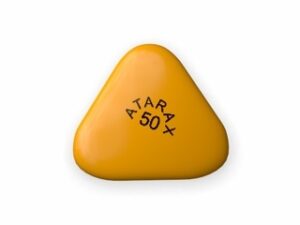
| Common forms | Tablets/capsules and other formulations depending on brand (varies by supplier) |
| Typical effects | Reduced allergy symptoms, relief of anxiety/irritability, drowsiness/sleep support (varies by person) |
| Onset | Often within 1 hour for many uses (timing varies by dose, formulation, and individual) |
Important: Always follow the directions on the product label and any clinician guidance. If you’re unsure about dosing for your specific situation, ask your pharmacist.
How Hydroxyzine Works (Mechanism of Action)
Hydroxyzine is an H1 antihistamine. Histamine is a chemical involved in allergic reactions and itching. By blocking histamine receptors, hydroxyzine helps reduce:
- Itching and skin irritation
- Allergic symptoms such as sneezing or runny nose (depending on the condition)
- Swelling related to allergic reactions
Hydroxyzine also has effects on the brain that may contribute to its calming and sedating properties. These effects can be helpful when anxiety or stress is contributing to sleep disturbance or discomfort.
Pharmacokinetics (Absorption, Distribution, Metabolism, Excretion)
Pharmacokinetics describes how the body absorbs, processes, and clears hydroxyzine. While exact numbers can vary among individuals, the key practical points include:
- Absorption: Hydroxyzine is absorbed after oral administration. Onset of effects is often relatively quick, commonly within about an hour.
- Distribution: It spreads through body tissues, including crossing into the central nervous system, which contributes to sedation.
- Metabolism: The liver metabolises hydroxyzine to different compounds, including metabolites that may contribute to activity.
- Elimination: Clearance occurs via metabolism and subsequent elimination (primarily through the body’s normal waste pathways).
Half-life note: Hydroxyzine’s duration of action can last for several hours, which is one reason it can be used at night for sedation in some situations. People vary—especially in older adults or those with liver or kidney impairment.
Typical Use and Indications
Hydroxyzine may be used for different reasons depending on local clinical practice, formulation, and patient needs. Typical indications include:
Allergy-related symptoms
- Relief of itching (pruritus) and other allergic skin symptoms
- Symptomatic relief of certain allergy conditions where an antihistamine is appropriate
Anxiety and stress-related symptoms
- Short-term management of anxiety and associated tension
- Helping with sleep difficulties when anxiety is a contributing factor
Other clinician-directed uses
- Some patients may be prescribed hydroxyzine for other symptoms depending on their medical history and current treatment plan.
Where to confirm: The exact approved indications can vary by product and brand. Your pharmacist can confirm what your specific product is indicated for in Australia.
Timing: When to Take Hydroxyzine
Timing depends on what you’re using it for (itching versus anxiety versus sleep support) and how strongly it affects you.
- For itching/allergy relief: Many people take it during the day. Because it can cause drowsiness, start with caution and avoid activities that require alertness.
- For anxiety or sleep support: It’s often taken in the evening or before bedtime. Sedation may begin after the first dose and may increase with higher doses or in combination with other sedating medicines.
- Consistent timing: If taken regularly, keep the dosing schedule consistent.
Practical tip: For new users, consider taking the first dose when you don’t need to drive or operate machinery for several hours.
Food Interactions
Hydroxyzine is generally taken with or without food, but food may influence how quickly it feels like it starts working for some people.
- If it makes you feel nauseous or upset your stomach, taking it with food may improve comfort.
- To reduce stomach discomfort, you may also take it with a light meal or snack.
Note: Avoid grapefruit or other specific foods only if your clinician or pharmacist has told you they interact with your other medications. Hydroxyzine’s main concerns are more often medication interactions than food interactions.
Alcohol and Medicine Interactions
One of the most important safety issues with hydroxyzine is its potential to increase sedation.
Alcohol
- Do not drink alcohol while taking hydroxyzine unless your pharmacist or clinician has explicitly said it is safe for you.
- Alcohol can increase drowsiness, impair judgement, and raise the risk of falls and accidents.
Medicines that can increase drowsiness
Be cautious with medicines that also affect the brain or breathing. Examples include:
- Other antihistamines
- Sedatives or sleeping tablets
- Some antidepressants
- Opioid pain medicines
- Some antipsychotics
- Anti-anxiety medicines (such as benzodiazepines)
Other interaction considerations
- Heart rhythm risk: Hydroxyzine may affect heart electrical activity in susceptible individuals. Combining with other medicines that can also affect heart rhythm can increase risk. Your pharmacist may ask about any history of heart rhythm problems, fainting, or electrolyte imbalances.
- Electrolyte problems: Medicines that lower potassium or magnesium may increase the risk of rhythm-related side effects. If you’re on diuretics (“water tablets”) or have ongoing vomiting/diarrhoea, discuss this with a pharmacist.
Always tell your pharmacist about all medicines and supplements you use, including “over-the-counter” products and herbal remedies.
Dosing: General Guidance and Important Considerations
Dosing depends on the reason for use, your age, kidney and liver function, and your response to the medicine. Always use the label or pharmacist directions for your specific product.
Adults
For many indications, clinicians typically use doses that can be taken once or multiple times per day. Because sedation can occur, starting at the lowest effective dose is common practice.
Common practical approach:
- Use the lowest dose that provides relief.
- Only increase the dose if advised by a clinician and if tolerated.
- Reassess ongoing need regularly, especially if used for anxiety or sleep.
Older adults
- Older adults are often more sensitive to sedating antihistamines.
- Higher risk of falls, confusion, and dry mouth may occur.
- Doses may be lower and monitored more closely.
Children and adolescents
- Dosing in children must be carefully matched to age and weight.
- Because children may experience different side effects than adults, use should be guided by a qualified professional.
Kidney or liver impairment
- If you have reduced kidney or liver function, hydroxyzine may last longer or build up.
- Lower doses and careful monitoring may be needed.
Do not: take extra doses to “catch up” if you miss a dose. Ask your pharmacist what to do if you miss a dose.
Safety Profile: Side Effects and When to Seek Help
Like all medicines, hydroxyzine can cause side effects. Many people experience mild effects, but some reactions require urgent medical attention.
Common side effects
- Drowsiness or sedation
- Dry mouth
- Dizziness
- Headache
- Constipation
- Blurred vision (in some people)
Less common but important effects
- Agitation or paradoxical nervousness (unusual, but can occur)
- Difficulty urinating, especially in people with prostate enlargement
- Changes in heart rhythm (rare, but important to recognise)
Seek urgent medical advice if you experience
- Fainting, severe dizziness, or a very fast or irregular heartbeat
- Severe allergic reaction symptoms (swelling of face/lips, difficulty breathing, widespread rash)
- Extreme confusion, severe drowsiness that is difficult to wake from, or breathing problems (especially if combined with alcohol or other sedating medicines)
Driving and operating machinery
- Hydroxyzine can impair alertness. Avoid driving and high-risk activities until you know how it affects you.
- Even if you feel “okay,” reaction time may be reduced.
Practical Use Tips (Getting the Most Benefit)
- Start low and assess: If you’re new to hydroxyzine, consider starting at the lowest effective dose to gauge sedation.
- Schedule around responsibilities: Take doses when you can rest—particularly in the first few days.
- Hydrate: Dry mouth can be managed with water, sugar-free sweets, and good oral hygiene.
- Stand up slowly: Dizziness can occur; move gradually to reduce fall risk.
- Avoid alcohol: It can significantly increase sedation and impair safety.
- Be careful with multiple antihistamines: Combining products (for example, allergy tablets plus cough/cold preparations) can raise the risk of excessive drowsiness.
- Monitor anxiety or sleep patterns: If symptoms worsen or persist, seek advice rather than continuing unsupervised use.
Alternative Options
Alternatives depend on why you’re using hydroxyzine (itching/allergy versus anxiety/sleep). Your pharmacist can help you choose an appropriate option based on your symptoms and medical history.
For allergy symptoms/itching
- Other non-sedating or less-sedating antihistamines (commonly used for daytime allergy control)
- Topical treatments for itchy skin (depending on cause), such as emollients or anti-itch preparations
- Non-medication strategies like avoiding known allergens and using moisturisers to protect skin barrier
For anxiety or sleep difficulties
- Non-pharmacological approaches (sleep hygiene, relaxation techniques, counselling/support)
- Other medicines may be considered depending on the underlying cause of anxiety and your health profile
Tip: If hydroxyzine causes troublesome drowsiness, ask a pharmacist about alternatives that better match your daily needs.
Market and Legal Context for Australia
Medicines in Australia are regulated through the Australian Therapeutic Goods Administration (TGA) and are dispensed under specific scheduling and prescribing rules. Hydroxyzine-containing products may be available through different channels depending on the formulation and strength, including restrictions on supply.
Australian medicines also carry product-specific labelling requirements, including directions, warnings, and consumer medicine information. Always check the information provided with your specific product.
Pharmacy role: Pharmacists assess suitability, check interactions, and provide counselling on safe use—especially for medicines that cause drowsiness or have potential heart rhythm risks.
Recent Guidance and What to Watch For
Hydroxyzine guidance for safe use has increasingly emphasised a few key points in clinical practice over time:
- Use at the lowest effective dose and for appropriate duration, particularly when used for anxiety or sleep.
- Extra caution in people at higher risk of heart rhythm issues (including those taking interacting medicines or with electrolyte imbalance).
- Increased attention to sedation risk—especially in older adults and when combined with alcohol or other sedating medicines.
If you have been advised to monitor heart symptoms, have an existing heart condition, or take other medicines known to affect heart rhythm, discuss these concerns with your pharmacist before use.
Delivery, Availability, and Ordering (Australia)
Online pharmacies in Australia typically provide hydroxyzine products based on availability, strength, and formulation. Availability can change depending on supplier stock levels and medicine supply chains.
- Delivery: Delivery timeframes vary by location and courier service. Many online pharmacies provide tracked shipping and estimated delivery windows at checkout.
- Packaging: Products are usually dispatched in protective packaging with the label and consumer information included.
- Support: If you have questions about dosing timing, interactions, or side effects, you can often contact a pharmacist via the platform’s support channel.
Storage: Store hydroxyzine as directed on the label (typically in a cool, dry place, away from direct sunlight). Keep out of reach of children.
FAQ – Hydroxyzine
1) Is hydroxyzine used for allergies?
Yes. Hydroxyzine can help relieve allergy-related symptoms such as itching and other allergic discomforts, depending on your condition and the product’s intended use.
2) Does hydroxyzine make you drowsy?
It commonly causes drowsiness or sedation. This is one reason timing matters—especially if you need to drive, work, or study.
3) How quickly does hydroxyzine work?
Many people notice effects within about an hour, though exact timing varies with dose, formulation, and individual factors.
4) Can I take hydroxyzine with food?
Often yes, with or without food. If it upsets your stomach, taking it with a meal or snack may help.
5) Can I drink alcohol while taking hydroxyzine?
It’s strongly advised to avoid alcohol. Alcohol can increase sedation and impair safety (for example, driving) and may worsen side effects.
6) What medicines should I avoid mixing with hydroxyzine?
Avoid combining with other medicines that cause drowsiness unless you’ve been told it’s safe. Also be cautious if you take medicines known to affect heart rhythm. Your pharmacist can check your specific list.
7) What if I miss a dose?
Follow the advice on your product label or ask your pharmacist. In general, don’t take extra doses to “make up” for missed ones.
8) How long can I take hydroxyzine?
Duration depends on why it’s being used and how you respond. For anxiety or sleep-related issues, ongoing need should be reviewed regularly rather than continuing indefinitely without advice.
9) Who should be extra careful when using hydroxyzine?
Extra caution is needed in older adults, people with liver or kidney impairment, those with history of heart rhythm issues, and anyone taking other sedating or interacting medicines.
10) When should I seek urgent help?
Seek urgent medical assistance if you have signs of severe allergic reaction, fainting, severe dizziness, chest palpitations, or breathing difficulties—especially if hydroxyzine is taken with alcohol or other sedating medicines.
Disclaimer: This information is intended to help you understand hydroxyzine and its safe use. It does not replace personalised advice. If you have questions about your particular situation, ask a pharmacist for guidance.