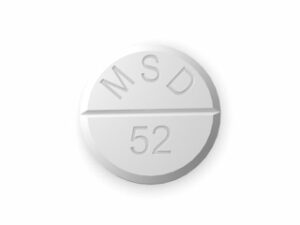
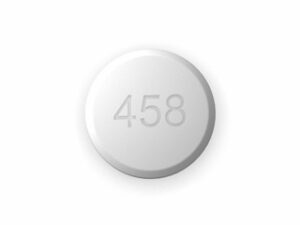
Atarax® (Hydroxyzine) — Patient Information (Australia)
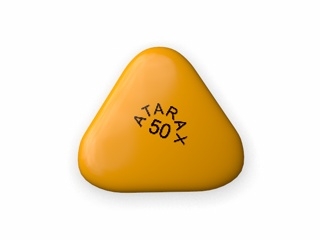
Atarax® is a well-known antihistamine medicine containing hydroxyzine. It is used to help relieve symptoms such as anxiety and itching, and it can also be used to support short-term sleep in some situations. This page is designed to help you understand how Atarax works, when it’s typically taken, important safety points, and what to expect in everyday use.
Note: Individual needs vary. Always follow the instructions provided by your healthcare professional and the product label.
Key Product Information
| Item | Information |
|---|---|
| Medicine name | Atarax® (Hydroxyzine) |
| Active ingredient | Hydroxyzine |
| Medicine type | First-generation antihistamine (sedating), anti-anxiety/antipruritic effects |
| Common forms | Oral tablets and/or oral liquid (availability may vary by supplier) |
| Typical effects | Drowsiness, reduced itch, relief of anxiety/tension, calmer feeling |
| Onset | Often within 30–60 minutes for many people (may vary by dose and condition) |
How Atarax Works (Mechanism of Action)
Hydroxyzine primarily works by blocking histamine H1 receptors in the body. Histamine is involved in allergic symptoms like itching and hives.
In addition to its antihistamine action, hydroxyzine also has effects on the brain that can lead to:
- Sedation (a calming/relaxing effect)
- Reduced anxiety for some people
- Muscarinic (anticholinergic) effects, which may contribute to dryness of mouth and blurred vision
Because hydroxyzine can affect the central nervous system, it may make you feel sleepy—sometimes strongly, especially at higher doses or when combined with other sedating medicines.
Pharmacokinetics (What the Body Does With It)
Understanding pharmacokinetics can help explain timing and how long you may feel effects.
- Absorption: Hydroxyzine is absorbed after oral dosing.
- Distribution: It spreads through body tissues and can cross into the brain, which contributes to its sedating effects.
- Metabolism: Hydroxyzine is metabolised primarily in the liver.
- Elimination: The body clears it mainly through renal (kidney) elimination of metabolites.
- Duration: The length of noticeable effects can vary by person, dose, age, liver/kidney function, and co-medications.
Practical takeaway: You may feel sleepy for several hours after a dose. If you’re starting Atarax, be cautious with activities requiring alertness (driving, machinery, operating equipment) until you know how you respond.
Typical Uses in Australia
Atarax is used for multiple symptom areas. Common reasons people take hydroxyzine include:
- Short-term relief of anxiety (especially when sleep or restlessness is affected)
- Relief of itching (pruritus) from allergic conditions or other causes
- Support for sleep in some situations where anxiety or itch is disturbing rest
- Adjunct symptom relief in allergy-related conditions (depending on individual circumstances)
Always confirm the intended use for your specific situation with your healthcare professional, as guidance can differ based on age, medical history, and other medications.
When to Take It (Timing & Routine)
Timing depends on what you’re taking Atarax for and how you respond to it.
- For itching or allergy symptoms: Many people take it when symptoms flare—often during the evening or night if itch disrupts sleep.
- For anxiety/restlessness: It may be used during periods where symptoms are expected.
- For sleep support: It’s commonly taken at a time that allows you to rest comfortably, but make sure you can safely stay in a low-risk environment (no driving afterwards).
Tip: If you’re starting Atarax for the first time, consider taking it when you can stay at home and have no need to drive or operate equipment for several hours.
Food Interactions
Atarax can generally be taken with or without food, but practical factors matter:
- Stomach tolerance: If Atarax upsets your stomach, taking it with food may reduce discomfort.
- Absorption: Food may slightly affect how quickly it kicks in for some people, but timing differences are usually minor.
- Hydration: Because antihistamines can cause dry mouth, drinking water during the day can help.
Avoid grapefruit? There is no universal “grapefruit rule” for hydroxyzine like with some other medicines, but it’s still wise to check for interactions if you consume grapefruit frequently or take other medications.
Alcohol Interactions (Very Important)
Alcohol and hydroxyzine should generally be avoided. Both can depress the central nervous system. Combining them may increase:
- Sleepiness and dizziness
- Impaired coordination and reaction time
- Risk of falls
- Breathing-related risk in susceptible individuals (e.g., sleep apnoea, respiratory illness)
If you have accidentally combined alcohol with Atarax, avoid driving and seek medical advice if you feel unusually drowsy, confused, or unwell.
Medicine Interactions (Other Medicines to Watch)
Atarax can interact with other medicines that also affect sedation or heart rhythm. Tell your healthcare professional (and pharmacist) about all medicines you use, including those bought over the counter, herbal products, and supplements.
Sedating medicines
Increased sedation may occur when Atarax is combined with:
- Opioid pain medicines
- Benzodiazepines
- Sleeping tablets
- Other sedating antihistamines (or cold/flu products containing antihistamines)
- Some antidepressants with sedating effects
- Antipsychotics
Medicines that affect heart rhythm
Hydroxyzine can, in some circumstances, affect cardiac electrical activity (QT interval). Combining it with other medicines that also prolong QT may increase risk.
Examples include some medicines used for:
- Irregular heart rhythm (antiarrhythmics)
- Some antipsychotics
- Some antidepressants
- Some antibiotics (e.g., certain macrolides or quinolones)
- Some antiemetics
Do not start or stop other medicines without professional advice.
Anticholinergic medicines
Hydroxyzine has anticholinergic properties. Using it with other anticholinergic medicines may increase side effects such as dry mouth, constipation, urinary retention, and blurred vision.
Medicines in the liver metabolism pathway
Hydroxyzine is metabolised in the liver. Other medicines that strongly influence liver enzymes may alter hydroxyzine levels. If you take multiple medicines, your pharmacist can help check interaction risk.
Indications & Symptoms It May Help
Atarax may be recommended to help with:
- Pruritus (itching) from allergic reactions and some skin conditions
- Anxiety and tension (often as part of a broader plan)
- Disturbed sleep related to anxiety or itch
- Allergy-related discomfort when antihistamine therapy is appropriate
Hydroxyzine is symptomatic treatment—meaning it targets symptoms such as itching or anxiety-related discomfort.
Dosing (General Guidance for Adults)
Important: Dosing must be individualised. The exact dose and frequency for you will depend on the reason you’re taking Atarax, your age, other health conditions (especially liver and kidney function), and any co-medications.
The information below is general and intended for education only.
Adults (typical patterns)
- For anxiety/restlessness: dosing may be taken in divided doses or at times that match symptoms.
- For itching: dosing may be taken when itching is most troublesome, often in the evening if sleep is affected.
Children and older adults
Dosing in children and older adults can differ substantially. Children are more sensitive to sedating antihistamines, and older adults may have higher risk of side effects (including falls, confusion, and constipation). Use should be guided by a healthcare professional.
Kidney/liver considerations
If you have kidney or liver impairment, your healthcare professional may recommend dose adjustments or closer monitoring.
Safety Profile & Side Effects
Like all medicines, Atarax can cause side effects. Many are mild and improve as your body adjusts, but some require urgent attention.
Common side effects
- Drowsiness or sedation
- Dizziness
- Dry mouth
- Headache
- Nausea or mild stomach discomfort
- Blurred vision
- Constipation or reduced bowel regularity
Less common but important side effects
- Urinary retention (difficulty passing urine)
- Confusion, especially in older adults
- Palpitations or feeling faint (rare)
- Allergic reactions (rash, swelling, trouble breathing)
Seek urgent medical help if
- You have trouble breathing, severe allergic reaction, or swelling of the face/lips
- You faint, have severe dizziness, or experience fast/irregular heartbeat
- You develop severe confusion, extreme sleepiness that is hard to wake from, or signs of overdose
Practical Use Tips (How to Take It Safely)
- Start low and assess: When beginning hydroxyzine, take note of how sleepy you feel and adjust your routine accordingly.
- Avoid driving/unsafe tasks early: Until you know your response, avoid driving, cycling in traffic, and machinery use.
- Prevent falls: If you feel drowsy, rise slowly from sitting/lying positions.
- Manage dry mouth: Sip water, consider sugar-free lozenges, and maintain good oral hygiene.
- Watch constipation: Increase fluids and fibre if needed; seek advice if severe.
- Be careful with “cold & flu” products: Many contain antihistamines or sedating ingredients—check labels.
- Medication list: Keep a list of all medicines you take and review it with your pharmacist.
Alternatives to Atarax (Hydroxyzine)
If Atarax isn’t suitable, other options may be considered depending on the reason for use (itching, anxiety, sleep disturbance, or allergy symptoms). Alternatives include:
- Non-sedating antihistamines for itching/allergy symptoms (often preferred for daytime use)
- Other sedating antihistamines (may still cause drowsiness; suitability depends on your situation)
- Non-medicine strategies for itch (skin care, trigger avoidance, moisturisers, cooling measures)
- Therapies for anxiety such as cognitive behavioural therapy or other structured approaches (depending on symptoms)
- Sleep support strategies and, when appropriate, other medicines chosen by a clinician
Your pharmacist can help compare options based on symptoms, age, and existing conditions. Avoid switching without advice—especially if you are also taking other medicines that may interact.
Atarax in the Australian Market (Legal/Regulatory Context)
Australia has medicine scheduling rules managed through the Australian regulatory and scheduling framework. Hydroxyzine-containing products may be supplied under different conditions depending on formulation and local requirements. Availability and listing status can vary by product type and time.
For medicines bought online, customers should always ensure:
- The product is supplied from a reputable pharmacy.
- The correct strength and dosage form are selected.
- Delivery timelines and storage instructions are followed.
- They review warnings, including drowsiness and interaction precautions.
Recent guidance: In recent years, regulators in various countries have emphasised caution with hydroxyzine use due to potential QT interval prolongation risk, especially at higher doses or in people with risk factors (such as existing heart rhythm issues, electrolyte disturbances, or interacting medicines). In Australia, the emphasis remains on appropriate patient selection, dose minimisation, and avoiding unnecessary combinations that increase risk.
Availability, Delivery & What to Expect
Atarax/hydroxyzine products may be available through Australian online pharmacies depending on current stock and formulation. Delivery typically includes:
- Confirming product details (strength, form, pack size)
- Secure packaging to protect tablets or liquid from damage
- Tracking (where available)
- Storage advice (generally store as directed on the pack; keep away from excessive heat and moisture)
Delivery considerations:
- Check estimated delivery times at checkout.
- Make sure someone can receive the parcel if required.
- If you have a liquid medicine, ensure appropriate storage conditions are met after delivery.
FAQ
1) Will Atarax make me sleepy?
Many people experience drowsiness or sedation. Some feel mild sleepiness, while others feel significantly drowsy—especially early in treatment. Avoid driving and alcohol until you know how you respond.
2) How quickly does Atarax work?
For many people, effects may begin within 30–60 minutes after oral dosing, but this can vary depending on the dose, your metabolism, and what you’re taking it for.
3) Can I take Atarax with food?
Yes—Atarax can often be taken with or without food. If it upsets your stomach, taking it with food may help.
4) Can I drink alcohol while taking hydroxyzine?
It’s strongly advised to avoid alcohol. Alcohol can increase sedation and other risks, including impaired coordination and breathing-related problems in susceptible people.
5) What medicines should I avoid mixing with Atarax?
Use caution (and seek pharmacist advice) when Atarax is combined with:
- Sedating medicines (sleeping tablets, opioids, some antidepressants, benzodiazepines)
- Other antihistamines (including many cold/flu products)
- Medicines that affect heart rhythm (QT-prolonging medicines)
- Strong anticholinergic medicines
6) Is Atarax suitable for older adults?
Older adults may be more sensitive to drowsiness, confusion, constipation, and falls. It may still be used when appropriate, but dosing and monitoring are important—consult a healthcare professional.
7) What side effects are most common?
Common side effects include sleepiness, dizziness, dry mouth, and headache. If side effects are severe or persistent, seek advice.
8) What should I do if I miss a dose?
If you miss a dose, take it when you remember unless it’s close to the next dose. Do not take extra to make up the missed dose. If you’re unsure, check with your pharmacist.
9) Can I stop Atarax suddenly?
Hydroxyzine is not generally associated with dependence in the way some other medicines are, but if you’ve been taking it regularly, talk to your healthcare professional about the safest way to stop or adjust.
10) Is Atarax safe for everyone?
No. People with certain conditions (such as heart rhythm problems), those taking interacting medicines, and those prone to urinary retention or severe constipation may need extra caution. Always review your medical history with a pharmacist or healthcare professional.
When to Speak to a Pharmacist or Doctor
Contact a healthcare professional if you experience severe drowsiness, fainting, palpitations, an allergic reaction, or if your symptoms worsen. If you’re unsure whether another product (prescription or over-the-counter) is safe to combine with Atarax, a pharmacist can quickly check potential interactions.
Stay safe: Until you know how hydroxyzine affects you, avoid alcohol and do not drive or use machinery. If you have questions about dosing timing, side effects, or alternatives, ask your pharmacist.