

Tofisopam (Tofizopam) – Patient Information Guide (Australia)
Tofisopam is a medicine from the benzodiazepine (anxiolytic) family used to help relieve anxiety symptoms. This guide explains what Tofisopam is, how it works, how it’s used, and important safety information to help you use it confidently and effectively.
Note: Brand names and tablet strengths can vary. Always check your product label for the exact strength and instructions provided with your medicine.
Basic Product Information
| Category | Details |
|---|---|
| Medicine name | Tofisopam |
| Drug class | Benzodiazepine (anxiolytic) |
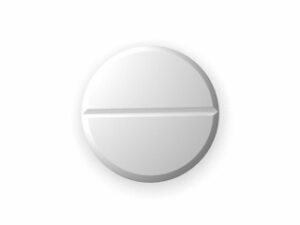
| Common form | Oral tablets |
| Typical strengths | Varies by product/market (follow your label) |
| How it’s used | Usually short- to medium-term for anxiety; sometimes for related anxiety symptoms |
| Who should avoid it | People with certain respiratory conditions, severe liver impairment, or who cannot tolerate benzodiazepines (see Safety) |
How Tofisopam Works (Mechanism of Action)
Tofisopam acts on the brain’s GABA (gamma-aminobutyric acid) system. GABA is one of the body’s main “calming” chemical messengers that helps reduce nerve cell activity.
- Tofisopam binds to specific sites related to the GABA-A receptor.
- This enhances the effect of GABA, which can help:
- reduce anxiety
- relieve tension
- promote a sense of calm
Many people experience noticeable symptom relief within days, though the exact timeline can vary depending on dose, individual sensitivity, and the nature of the anxiety symptoms.
Pharmacokinetics: How the Body Processes Tofisopam
Pharmacokinetics describes how a medicine is absorbed, distributed, metabolised, and eliminated.
- Absorption: Tofisopam is taken by mouth and is absorbed from the gastrointestinal tract.
- Distribution: It reaches the brain and other tissues to produce its calming/anxiolytic effects.
- Metabolism: The medicine is processed mainly in the liver via metabolic pathways typical for many benzodiazepines.
- Elimination: Metabolites and drug residues are removed from the body mainly through renal (kidney) and/or hepatic pathways, depending on the specific metabolite profile.
- Half-life: The effective duration varies by individual and formulation; clinicians often select dosing schedules to maintain symptom control while minimising sedation.
Why this matters: Because metabolism and clearance differ between individuals, dose adjustments may be needed for older adults, people with liver impairment, or those taking interacting medicines.
Typical Use and Indications
Tofisopam is primarily used for anxiety-related symptoms. In practice, it may be considered when anxiety causes significant distress such as:
- persistent worry or nervous tension
- restlessness
- psychological tension that interferes with daily life
- symptoms associated with certain anxiety disorders under clinical assessment
Important: Tofisopam is usually used as part of a broader care plan, which may include psychological support, stress-management strategies, and—where appropriate—other long-term therapies. Benzodiazepines are generally intended for limited periods due to tolerance and dependence risks.
When to Take It (Timing and Dosing Schedule Considerations)
The best timing depends on how your symptoms behave during the day and how you respond to the first doses.
- Starting in the evening: If you feel drowsy, many people begin with a dose later in the day (as advised by a healthcare professional) to see how they react.
- Split dosing: When symptoms occur at different times, clinicians sometimes use divided doses to reduce peaks of sedation.
- Consistency: Taking doses at consistent times can improve symptom control and reduce fluctuations.
- Avoid first-time driving: Until you know how it affects you, avoid driving or operating machinery.
If you miss a dose: Take it when you remember if it’s close to the scheduled time. If it’s near the next dose, skip the missed dose and continue your normal schedule. Do not double up unless instructed by your clinician.
Food Interactions and Taking With Meals
Tofisopam may be taken with or without food in many situations. Food may slightly influence how quickly it is absorbed, but it usually does not eliminate the overall effect.
- If you experience stomach upset, taking it with food may help.
- For more predictable onset, try to take it at the same time each day.
Practical tip: If you’re also taking other medicines, consider spacing them according to your pharmacist’s advice—especially medicines that also affect the central nervous system.
Alcohol and Medicine Interactions
Alcohol: Avoid alcohol while taking Tofisopam. Alcohol can significantly increase sedation, impair coordination, worsen memory problems, and increase the risk of breathing difficulties.
Other medicines that can interact: Certain drug classes can amplify the calming effects of benzodiazepines. Be cautious and seek advice before combining Tofisopam with:
- Opioid pain medicines (e.g., oxycodone, morphine, codeine, fentanyl)
- Other benzodiazepines or related anxiolytics
- Sedating antihistamines (e.g., diphenhydramine, some “night time” allergy medicines)
- Sleep medications (e.g., zolpidem, zopiclone)
- Antipsychotics
- Some antidepressants and mood medicines (individual interaction risk varies)
- Anticonvulsants that cause drowsiness
Respiratory risk: The combination of sedatives (including benzodiazepines and opioids) can reduce breathing drive, which can be dangerous—especially in people with lung disease or sleep apnoea.
Herbal supplements: Products such as kava, valerian, and some sleep aids may increase sedation. Discuss supplements with your pharmacist.
Dosage: How Tofisopam is Commonly Used
Because individual needs differ, dosing should be guided by a healthcare professional. Below is general information commonly used for benzodiazepine anxiolytics.
- Start low: Treatment often begins with a lower dose to assess tolerance and side effects.
- Adjust gradually: Doses may be adjusted based on response and tolerability.
- Use the lowest effective dose: This helps minimise drowsiness and other adverse effects.
- Limit duration when possible: Extended use increases risks of dependence and tolerance.
Common dosing patterns (examples only):
- Once daily or divided doses depending on symptom pattern
- Higher doses are generally not used without specialist review
Do not change dose on your own: If you feel the dose is too strong or not strong enough, speak to a healthcare professional promptly rather than adjusting yourself.
Safety Profile: Side Effects and When to Get Help
Common side effects
- Drowsiness or sedation
- Dizziness
- Slowed reaction time
- Impaired coordination
- Headache or light-headedness
- Nausea (sometimes)
- Memory impairment or difficulty concentrating
Less common but important effects
- Changes in mood or behaviour
- Restlessness or paradoxical agitation (rare)
- Visual disturbances
Serious warning signs: seek urgent medical help
Contact emergency services or urgent medical care if you experience:
- Breathing problems, unusually slow breathing, or extreme sleepiness
- Severe confusion, fainting, or inability to wake
- Allergic reaction such as swelling of the face/lips, rash, or difficulty breathing
- Severe worsening of mental health symptoms
Dependence, tolerance, and withdrawal
Benzodiazepines can cause dependence and tolerance when used for longer periods or at higher doses. Stopping suddenly can lead to withdrawal symptoms.
Do not stop abruptly unless directed by a clinician. Withdrawal may include:
- increased anxiety
- insomnia
- tremor
- irritability
- in rare cases, more severe withdrawal complications
A gradual dose reduction plan can reduce the risk of withdrawal.
Practical Use Tips (How to Take Tofisopam Safely)
- Be careful with activities: Avoid driving, cycling, or operating machinery until you know your personal response.
- Keep a symptom diary: Note timing, dose, symptom relief, and side effects to help guide adjustments.
- Use one product and one schedule: Avoid switching brands or strengths without guidance.
- Stay hydrated and rise slowly: If dizziness occurs, move slowly from sitting/lying to standing.
- Plan for sedation: If you take it during the day, schedule lighter activities.
- Do not mix with alcohol: Alcohol increases risks of dangerous sedation and breathing suppression.
- Review interactions: Provide your pharmacist with a full list of medicines, including “as needed” items and supplements.
Alternative Options for Anxiety (Discuss With a Healthcare Professional)
If Tofisopam is not suitable for you—or if longer-term management is needed—there are other options commonly used for anxiety. Your healthcare professional can help choose based on your symptoms, medical history, and preferences.
Non-medicine approaches
- Cognitive behavioural therapy (CBT)
- Mindfulness and stress-reduction strategies
- Sleep hygiene
- Exercise and relaxation techniques
Medicine options (varies by individual)
- SSRIs/SNRIs (often used for longer-term anxiety control)
- Buspirone (in some anxiety cases)
- Other non-benzodiazepine anxiolytics depending on availability and suitability
- Short-term targeted therapies may be used in specific circumstances
Important: Do not start, stop, or switch anxiety medicines without medical guidance. Many anxiety medicines require careful initiation and overlap management.
Market and Legal Context in Australia
In Australia, medicines containing benzodiazepines are regulated under Commonwealth and state/territory scheduling frameworks. Availability, storage requirements, and supply processes may differ depending on the product’s classification and the prescriber requirements associated with it.
- Always purchase from licensed suppliers in Australia.
- Ensure packaging and documentation are compliant and genuine.
- Some products may have restrictions on online purchase or require specific verification steps.
- Controlled medicine categories can involve additional identity verification and secure handling.
For the most accurate up-to-date availability details, check your local pharmacy listings and the medicine’s regulatory status at time of ordering.
Recent Guidance and Ongoing Safety Considerations
Across many countries including Australia, clinical guidance continues to emphasise:
- Careful patient selection for benzodiazepines
- Shortest effective duration
- Avoiding combination with opioids and other sedatives where possible
- Risk assessment for falls, cognitive impairment, and driving safety (especially older adults)
- Gradual tapering to reduce withdrawal risk
For people with complex medical histories—such as sleep apnoea, chronic lung disease, or concurrent opioid use—extra caution is strongly recommended.
Delivery and Availability (Australia)
Online pharmacies may offer delivery within Australia where legally permitted and where medication scheduling requirements are met. Availability of Tofisopam can depend on supply, manufacturer stock, and the product’s classification for that market.
- Dispatch times: Many pharmacies dispatch within standard business days after processing your order.
- Delivery options: Express or standard shipping may be available depending on location.
- Package privacy: Most services use discreet packaging.
- Cold chain: Generally not required for tablets, but follow the product label instructions.
What to expect when ordering: You may be required to complete identity checks and provide details necessary to meet legal requirements before the medicine is shipped.
FAQ: Tofisopam (Patient Questions)
1) Is Tofisopam the same as other benzodiazepines?
Tofisopam is a benzodiazepine anxiolytic, but it is distinct from other benzodiazepines in its specific properties and dosing. Do not substitute one medicine for another without medical advice.
2) How quickly will I feel better?
Some people notice improvement soon after starting, while others take longer. Symptom relief usually develops over days as your body adjusts.
3) Will Tofisopam make me sleepy?
It can. Drowsiness and slower reaction time are common effects. Until you know how it affects you, avoid driving and alcohol and be cautious with tasks requiring alertness.
4) Can I drink alcohol while taking Tofisopam?
No. Alcohol can increase sedation and impair breathing and coordination. It is strongly advised to avoid alcohol during treatment.
5) What happens if I forget a dose?
Take it when you remember if you’re near the scheduled time. If it’s close to the next dose, skip the missed dose. Do not double up.
6) Can I stop Tofisopam suddenly?
Stopping abruptly can lead to withdrawal symptoms, especially after regular use. Follow a clinician-guided taper plan when stopping.
7) What should I tell my pharmacist before using Tofisopam?
Tell them about:
- all other medicines (including painkillers, sleeping tablets, allergy medicines)
- alcohol use and recreational substances
- history of substance dependence
- sleep apnoea or breathing problems
- liver disease and other major health conditions
8) Is it safe for older adults?
Older adults may be more sensitive to sedation and falls. Dose selection and monitoring should be more cautious, and your pharmacist/doctor may recommend extra safety measures.
9) Can I take it during pregnancy or breastfeeding?
Use in pregnancy or breastfeeding should be discussed with a healthcare professional, weighing benefits and risks. If you are pregnant, planning pregnancy, or breastfeeding, seek tailored advice before continuing or starting treatment.
10) Are there non-benzodiazepine alternatives for anxiety?
Yes. Options may include SSRIs/SNRIs, buspirone, and structured psychological therapies such as CBT. The best choice depends on your symptoms and personal risk factors.
Summary
Tofisopam is an anxiolytic benzodiazepine medicine used to relieve anxiety symptoms. It works by enhancing the brain’s GABA calming pathways. While it can help reduce tension and worry, it may cause sedation, dizziness, and impaired coordination—so driving and alcohol should be avoided. Like other benzodiazepines, it carries risks of tolerance and dependence, so treatment duration and stopping should be carefully managed. If you have questions about interactions, timing, or side effects, speak with your pharmacist or healthcare professional.
Always follow the instructions on your medicine label and the advice of your healthcare professional.