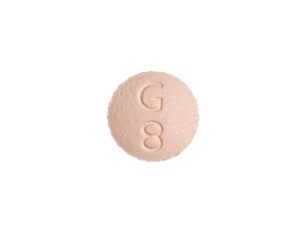


Zaleplon (Australia) – Patient-Friendly Medicine Information
Zaleplon is a medicine used to help with short-term treatment of insomnia. If you have difficulty falling asleep, you may have heard of zaleplon as a “sleep onset” option—designed to help you get to sleep while aiming to keep next-day drowsiness as low as possible.
This guide explains how zaleplon works, how it behaves in the body, when to take it, interactions (including with alcohol and other medicines), typical dosing, safety considerations, practical tips, and options that may be considered instead. It is written for people in Australia and includes relevant context about availability and guidance.
Basic product information
| Item | Information |
|---|---|
| Generic name | Zaleplon |
| Medicinal class | Hypnotic (sleep medicine) – non-benzodiazepine “Z-drug” |
| Typical use | Short-term treatment of insomnia, particularly trouble falling asleep |
| Common forms | Oral capsules/tablets depending on brand and availability |
| When it’s taken | Usually immediately before bedtime or when you need to fall asleep |
| Key caution | Do not take with alcohol; allow adequate time for sleep before activities requiring alertness |
Note: Brand presentations and strengths vary. Always check the exact product on the label for strength and instructions.
How zaleplon works (mechanism of action)
Zaleplon belongs to the “Z-drug” group of hypnotics. It works by affecting the brain’s sleep–wake system:
- GABA-A receptor modulation: Zaleplon binds to specific sites on the GABA-A receptor complex, enhancing the calming effect of GABA (gamma-aminobutyric acid).
- Sedation and sleep onset: This promotes sleepiness and can help reduce the time it takes to fall asleep.
- Sleep architecture: Like other hypnotics, it may alter normal sleep patterns. The focus is on facilitating sleep onset rather than providing deep, restorative sleep in all users.
Pharmacokinetics (how it moves through the body)
Pharmacokinetics describes absorption, distribution, metabolism, and excretion—often summarised as “what the body does to the medicine.” Key features of zaleplon include:
- Absorption: After oral dosing, zaleplon is absorbed and reaches peak concentration relatively quickly.
- Onset: Because it works relatively quickly, it is commonly taken when you are ready for sleep.
- Distribution: It distributes into body tissues, including the brain.
- Metabolism: Zaleplon is metabolised primarily in the liver.
- Elimination: Its metabolites are cleared by the body, mainly through the kidneys and/or bile depending on metabolism.
- Half-life: Zaleplon has a short duration compared with some other hypnotics, which is one reason it may be selected when you want to reduce prolonged next-day effects.
Practical meaning for patients: Zaleplon is designed for use when you have enough time to sleep. Because it acts within hours, timing and “how long you can still sleep” are important to reduce the risk of next-day impairment.
Typical use and indications
Zaleplon is indicated for short-term treatment of insomnia. In practical terms, it is often used when:
- You have difficulty falling asleep (sleep onset insomnia).
- Your insomnia is causing significant distress or affecting daily function.
- Other non-medicine strategies have not been sufficient on their own or are being used alongside medication.
Important: Insomnia can have many causes (stress, pain, restless legs, depression, sleep apnoea, shift work, certain medications). Ongoing or worsening symptoms should be reviewed by a healthcare professional to address the underlying driver.
Timing: when to take zaleplon
Timing is essential for both effectiveness and safety. In general:
- Take it immediately before bedtime or when you are ready to sleep.
- Allow sufficient time for sleep: ensure you can get at least 7–8 hours before needing to be fully alert (the exact recommendation may vary by local product guidance and your clinician’s advice).
- If you wake up during the night: do not re-dose automatically unless you’ve been advised to do so.
Why the “time for sleep” matters: Because zaleplon can affect alertness, taking it too late may increase the chance of impaired driving or working the next morning.
Dosing overview (general guidance)
Dosing should be individualised. The sections below provide general information about how zaleplon is commonly used, including factors that may lead to dose changes.
- Typical starting dose: many adults start at a lower dose to evaluate response and tolerability.
- Maximum daily dose: there is a recommended maximum. Do not exceed the total dose in 24 hours.
- Older adults: older people may be more sensitive to hypnotics, and lower dosing may be considered.
- Liver impairment: if you have liver problems, your dose may need to be reduced.
- Other risk factors: concomitant medicines that increase sedation or impair metabolism may require adjustments.
Always follow the instructions printed with your specific product and the advice from your healthcare professional.
Food interactions and what to eat
Food—especially meals taken close to dosing—can influence how quickly zaleplon reaches peak levels:
- High-fat meals may delay absorption: taking zaleplon after a heavy or high-fat meal may slow the onset of effect.
- Timing of meals: for faster sleep onset, many patients find it helpful to avoid taking it immediately after a large meal.
Patient tip: If you usually eat late, consider taking zaleplon at a consistent time relative to your last meal, and discuss any timing concerns with a pharmacist or clinician.
Alcohol and medicine interactions
Alcohol
Do not drink alcohol while using zaleplon. Alcohol can:
- Increase the sedative effects
- Raise the risk of excessive drowsiness
- Increase the likelihood of falls, confusion, and impaired coordination
- Increase the risk of breathing difficulties in susceptible people
Other medicines (sedatives and CNS depressants)
Zaleplon can interact with other medicines that depress the central nervous system (CNS). Caution is especially important with:
- Opioid medicines (for pain or cough suppression)
- Other sleep medicines or sedating antihistamines
- Some anxiety medicines or antipsychotics
- Anti-seizure medicines that cause sedation
- Muscle relaxants
Using multiple sedating medicines together can significantly increase impairment and respiratory risk.
Medicines affecting liver enzymes (metabolism)
Zaleplon is metabolised in the liver. Some medicines can increase or decrease zaleplon levels by influencing the enzymes involved.
- Enzyme inhibitors may raise zaleplon exposure, increasing side effects.
- Enzyme inducers may reduce zaleplon exposure, potentially reducing effectiveness.
If you take other medicines regularly (including herbal products), it’s important to check for interaction potential with a pharmacist.
Grapefruit and certain foods
Specific foods (such as grapefruit) may interact with liver enzymes for some medicines. Although effects can vary by medicine, it is wise to ask a pharmacist whether you need to avoid or limit any particular foods while taking zaleplon.
Safety profile: common and serious side effects
Most people tolerate zaleplon well when used correctly, but side effects can occur. Risks increase when it’s combined with alcohol, other sedatives, or when taken too late.
Common side effects
- Drowsiness or feeling “hungover” the next day
- Dizziness
- Headache
- Nausea
- Unpleasant taste (less common)
Less common but important risks
- Memory problems (for example, difficulty recalling events)
- Confusion, particularly in older adults
- Falls, especially if you get up during the night
Serious warnings (seek urgent medical attention if needed)
Seek urgent medical help if you experience:
- Severe allergic reactions (swelling of face/lips, difficulty breathing)
- Unusual behaviour or extreme confusion
- Breathing problems, particularly with combination sedatives or underlying sleep breathing disorders
Next-day impairment and driving risk
Zaleplon can impair reaction time, judgement, and coordination. You should not:
- Drive or operate machinery
- Perform tasks requiring full alertness
…if you feel drowsy, dizzy, or not fully awake.
Practical use tips (to improve benefit and reduce risk)
- Use for the shortest time needed: insomnia treatment is generally intended to be short-term while you address underlying causes.
- Keep a consistent sleep routine: a stable bedtime/wake time improves effectiveness of any sleep strategy.
- Use the “ready for sleep” rule: only take zaleplon when you are already in bed or can immediately go to sleep.
- Avoid alcohol: this is one of the most important safety measures.
- Do not mix with other sedatives unless advised: ask a pharmacist if you’re unsure about any medicine you take for pain, anxiety, allergies, or cough.
- Be cautious with night-time trips to the bathroom: consider safety precautions to reduce fall risk.
- Reassess if insomnia persists: persistent insomnia should be reviewed by a healthcare professional—behavioural strategies (CBT-I) often offer long-term improvement.
Alternative options for insomnia (what else might be considered)
There are several alternatives or complements to zaleplon. The best approach depends on the cause of insomnia, your medical history, and other medications.
Non-medicine approaches (often first-line)
- Cognitive Behavioural Therapy for Insomnia (CBT-I): structured therapy targeting sleep habits and thoughts.
- Sleep hygiene: reducing caffeine late in the day, consistent schedule, limiting time in bed while awake.
- Stimulus control: train the brain to associate bed with sleep.
- Relaxation techniques: breathing exercises, mindfulness, progressive muscle relaxation.
Other medicines
- Other short-acting hypnotics may be chosen depending on whether the main problem is sleep onset vs staying asleep.
- Some antidepressants may be considered when insomnia coexists with depression (this is individualised).
- Melatonin may be useful for certain circadian rhythm disorders (not the same as treating all types of insomnia).
Why alternatives matter: Some people may benefit more from CBT-I, while others may require a careful medicine choice and a plan to taper off once sleep improves.
Market and legal context for Australia (availability and responsible use)
In Australia, the supply of hypnotic medicines is regulated. Medicines such as zaleplon are typically available only through regulated pharmaceutical channels under Australian medicines scheduling and prescribing/dispensing rules.
- Pharmacist involvement: Australian pharmacies often provide counselling about dosing, timing, and safety risks.
- Encouraging appropriate duration: sleep medicines are usually recommended for short-term use, with review if symptoms continue.
- Risk screening: healthcare professionals consider risks such as age, history of substance misuse, breathing disorders, falls, and concurrent sedatives.
If you are buying online, choose a reputable Australian pharmacy and ensure that the product is supplied in accordance with Australian requirements.
Recent guidance and safety focus
Across Australia and internationally, guidance for hypnotics increasingly emphasises:
- Short-term use where possible
- Lower dosing in older adults and those at higher risk of adverse effects
- Avoidance with alcohol and combining sedatives
- Ongoing review if insomnia persists beyond the short-term treatment window
- Prefer non-drug therapies (especially CBT-I) for long-term management
Because recommendations can evolve, it’s a good idea to review current advice with a pharmacist or healthcare professional, particularly if you’re using zaleplon repeatedly or for extended periods.
Delivery and availability (what to expect when ordering online in Australia)
Online pharmacies in Australia commonly provide:
- Product availability checks before dispatch
- Discrete packaging for privacy
- Delivery timeframes that can vary by state/territory and courier service
- Tracking updates once the parcel is on the way
How to prepare for delivery:
- Ensure your address details are correct.
- Check whether signatures are required.
- Confirm the product strength and quantity match your instructions.
- Store medicine at the recommended temperature and protect from moisture where applicable.
If a product is temporarily out of stock, reputable pharmacies may contact you or offer alternatives based on availability and suitability.
Frequently Asked Questions (FAQ)
1) What is zaleplon used for?
Zaleplon is used for short-term treatment of insomnia, especially when your main difficulty is falling asleep.
2) How quickly does zaleplon work?
It is designed to work relatively quickly. Taking it immediately before bedtime helps improve the chance it will act when you’re ready to sleep.
3) Can I take zaleplon after eating?
A heavy or high-fat meal close to dosing may delay absorption, which could delay sleep onset. Many people prefer to take it when they’re already winding down rather than immediately after a large meal.
4) Is it safe to drink alcohol with zaleplon?
No. Alcohol can greatly increase sedation and impairment and can increase serious risks. Avoid alcohol while using zaleplon.
5) Can I take other sleep or anxiety medicines at the same time?
Combining zaleplon with other sedating medicines may increase the risk of excessive drowsiness and breathing problems. Always check with a pharmacist if you’re considering combining it with any other medicine that may make you sleepy.
6) What if I wake up during the night?
Follow your specific dosing plan. In general, you should avoid taking extra doses unless you have been advised. If you frequently wake during the night, discuss your insomnia pattern with a healthcare professional to find the most suitable approach.
7) Will zaleplon cause dependence?
Like other hypnotics, zaleplon carries a risk of misuse and dependence, especially if used longer than recommended or in higher doses than advised. The goal is short-term use under the appropriate plan.
8) What side effects should I watch for?
Common effects include drowsiness, dizziness, headache, and nausea. More concerning issues include confusion, falls, unusual behaviours, or breathing difficulties—especially if combined with alcohol or other sedatives.
9) Who should be extra careful?
Extra caution is needed in older adults, people with liver impairment, those taking other sedatives, and anyone with a history of falls or breathing disorders during sleep (such as suspected sleep apnoea). A pharmacist can help review your risks.
10) Are there alternatives if zaleplon doesn’t work?
Yes. Alternatives include CBT-I and sleep hygiene strategies, or other medicine options chosen based on your insomnia pattern (sleep onset vs maintaining sleep). Discuss options with a healthcare professional.
Key takeaways
- Zaleplon is a “Z-drug” hypnotic used for short-term insomnia, particularly sleep onset.
- Take it right before bedtime and ensure you can get adequate sleep time before being fully alert.
- Do not drink alcohol while using zaleplon.
- Be cautious with other sedating medicines and report all current medicines to a pharmacist.
- If insomnia persists, seek a review—often CBT-I and targeted assessment can provide long-term improvement.
Disclaimer: This information is general and may not cover your personal circumstances. For questions about your health, medical history, or how zaleplon might interact with your current medicines, speak with a pharmacist or other healthcare professional.