
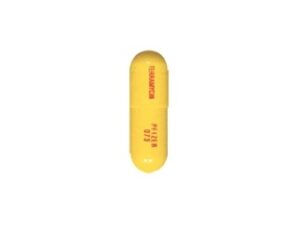

Sinemet CR (Carbidopa / Levodopa) – Patient Information (Australia)
Sinemet CR is a medicine used to treat symptoms of Parkinson’s disease. It contains two medicines in one tablet:
- Carbidopa – helps levodopa work better and reduces side effects such as nausea.
- Levodopa – a natural substance your brain uses to make dopamine, a chemical messenger important for movement.
This guide is written to help you understand how Sinemet CR works, how it is usually taken, what to watch for, and practical tips to use it safely and effectively.
Key Product Information
- Medicine name: Sinemet CR (Carbidopa / Levodopa)
- Strengths: Commonly supplied as extended-release (“CR”) combinations such as 25/100 mg, 50/200 mg and other locally listed strengths (confirm your exact strength on your pack).
- Type: Extended-release tablet (CR = controlled/extended release)
- When used: Parkinson’s disease, including “on–off” fluctuations in some patients
- How it releases: Slower, steadier release compared with immediate-release levodopa/carbidopa products
Note: Always follow the instructions on your medication label and any advice from your healthcare team. Do not change your dose or schedule without checking first.
How Sinemet CR Works (Mechanism of Action)
Parkinson’s disease involves a drop in dopamine levels in the brain. Dopamine helps coordinate movement. Levodopa is converted into dopamine in the brain, helping restore dopamine activity and improve symptoms.
Carbidopa improves treatment by:
- Blocking breakdown of levodopa outside the brain (in the gut and bloodstream), so more levodopa reaches the brain.
- Reducing levodopa side effects such as nausea and vomiting.
CR formulation: The extended-release tablet is designed to release levodopa over a longer period, which may help provide a steadier symptom benefit through the day and may reduce “wearing off” for some people.
Pharmacokinetics (How the Body Handles the Medicine)
Pharmacokinetics describes what the body does to the drug—absorption, distribution, metabolism, and elimination. With Sinemet CR:
- Absorption: Levodopa and carbidopa are absorbed from the gastrointestinal tract. With CR tablets, release is slower, aiming for steadier blood levels.
- Conversion to active dopamine: Levodopa crosses into the brain and is converted into dopamine (and related compounds).
- Influence of food: Meal timing can affect how quickly and how much levodopa is absorbed (details in the Food Interactions section).
- Metabolism: Levodopa is broken down mainly outside the brain. Carbidopa helps reduce this peripheral metabolism.
- Elimination: The metabolites are cleared primarily via the kidneys.
Because individuals differ, your healthcare team may adjust the dose to achieve a good balance between symptom control and side effects.
What It’s Used For (Indications)
Sinemet CR is used for the treatment of:
- Parkinson’s disease to improve movement-related symptoms such as:
- Bradykinesia (slowness of movement)
- Rigidity (stiffness)
- Tremor
- Postural instability in some cases
- “On–off” fluctuations in some patients (periods where symptoms improve then return before the next dose). CR formulations may help smooth symptom control.
Typical Use and Timing
Sinemet CR is usually taken at set times throughout the day. Because it is extended-release, it is designed to last longer than immediate-release products.
Common timing considerations:
- Take regularly: Symptoms often respond best when doses are spaced consistently.
- Consistency with meals: If you notice symptoms change with food timing, try to keep your meal schedule consistent and discuss adjustments with your clinician.
- Do not crush or chew: CR tablets should generally be swallowed whole to preserve the extended-release effect.
Important: Your exact schedule depends on your condition, previous treatment, age, and side effects. Use the dosing instructions from your prescriber and label.
Dosing (General Guidance)
Doses vary widely between individuals. The sections below are general educational information only.
Starting and adjusting doses
- Many people start with a low dose and are increased gradually to reduce side effects and improve tolerability.
- Adjustments may be made based on symptom control and side effects such as nausea, dizziness, or abnormal movements.
How to take Sinemet CR
- Swallow tablets whole with water.
- Do not split or crush unless your product instructions explicitly allow it.
- Keep dosing intervals steady unless instructed otherwise.
Table: Practical dosing approach (example only)
| Stage | What may happen | Patient actions |
|---|---|---|
| Initiation | Low dose to test response and tolerability | Take exactly as directed; note benefits and side effects |
| Titration | Gradual dose increases to reach symptom control | Keep a symptom/dose diary if advised; report issues early |
| Maintenance | Stable dose regimen | Maintain consistent timing; attend reviews |
| Adjustment for fluctuations | Possible changes in schedule or formulation | Discuss “wearing off” or “on–off” patterns with your healthcare team |
If you have missed a dose, follow the advice on your medicine label. In general, do not take extra doses to “catch up.”
Food Interactions (What to Know)
Food can affect how quickly and how completely levodopa is absorbed. This may influence symptom control.
- High-protein meals: Proteins (e.g., meat, dairy, legumes) can interfere with levodopa absorption because of competition for transport mechanisms in the gut and brain.
- Timing matters: Some people benefit from taking levodopa/carbidopa at times away from large protein meals, but this must be balanced with nutritional needs.
- Consistency helps: Sudden changes in meal timing or diet protein can cause fluctuations.
Practical tips:
- If you notice your medicine “wears off” after meals, discuss strategies with your clinician.
- Do not start extreme dietary changes without professional guidance—especially in older adults or those at risk of malnutrition.
Alcohol and Medicine Interactions
Alcohol
Alcohol may worsen dizziness, sleepiness, or low blood pressure symptoms in some people. Combining alcohol with Sinemet CR may increase the risk of falls or impaired judgement.
Suggestion: Keep alcohol limited and avoid it if you experience side effects after drinking.
Other medicines (common interaction themes)
Sinemet CR can interact with several categories of medicines. Always tell your pharmacist about all medicines you use, including over-the-counter products and supplements.
- Antipsychotics (e.g., medicines that can block dopamine receptors) may reduce the effectiveness of levodopa.
- Antidepressants—some types can increase risk of side effects or affect blood pressure. In particular:
- Non-selective MAO inhibitors historically have had significant interactions with levodopa. Many patients do not use these, but it’s crucial to check.
- Selective MAO-B inhibitors may be used in Parkinson’s care; interactions depend on the individual medicines and plan.
- Blood pressure medicines: Levodopa can contribute to low blood pressure in some people (especially when standing). Combined therapy may increase dizziness or faintness.
- Iron supplements: Iron can affect levodopa availability in some situations. Discuss timing and dosing if you take iron.
- Anticholinergics may affect movement symptoms and can influence side effects like dry mouth or constipation (effects vary).
- Metoclopramide and similar medicines may affect nausea and levodopa action.
Always check with a healthcare professional or your pharmacist when starting, stopping, or changing any medicines.
Safety Profile (Side Effects and Warnings)
Common side effects
Many people experience mild side effects that improve as the dose is adjusted. Commonly reported effects include:
- Nausea or stomach discomfort (carbidopa helps reduce this, but it can still occur)
- Dizziness or light-headedness
- Loss of appetite
- Dry mouth
- Constipation
- Headache
- Sleepiness or fatigue
Serious side effects—seek urgent medical advice
Get urgent medical help if you notice signs of severe reactions such as:
- Allergic reaction (e.g., swelling of face/lips, rash, breathing difficulty)
- Severe or persistent confusion, hallucinations that rapidly worsen, or extreme agitation
- Chest pain, fainting, or very fast/irregular heartbeat
- Severe uncontrolled movements (marked dyskinesia) or dangerous falls
- Malignant symptoms such as fever, severe muscle stiffness, and confusion (rare but urgent)
Important safety concerns specific to levodopa-containing therapies
- Low blood pressure (orthostatic hypotension): dizziness when standing.
- Hallucinations and confusion: more likely in older patients or those with cognitive impairment.
- Abnormal involuntary movements (dyskinesia): such as twisting or jerking, especially at higher doses or long-term use.
- Sudden sleepiness: some patients may experience drowsiness; avoid risky activities if affected.
- Impulse control problems: uncommon but important—report any new compulsive behaviours to your clinician promptly.
Driving and dangerous activities
Sinemet CR can cause sleepiness and dizziness in some people. Until you understand how you react, use caution with:
- Driving or operating machinery
- Climbing ladders or tasks with fall risk
- Any activity where sudden sleepiness could be dangerous
Practical Tips for Using Sinemet CR
- Keep to a routine: take doses at the same times daily.
- Track “on–off” patterns: note when symptoms worsen relative to each dose.
- Use a medication diary: helps clinicians adjust timing and dose.
- Stay hydrated and manage constipation: constipation is common in Parkinson’s. Discuss safe options with your pharmacist.
- Rise slowly: if you feel dizzy, rise slowly from sitting or lying positions.
- Report new mental changes: hallucinations or confusion should be discussed promptly.
- Do not stop suddenly: abrupt changes can worsen symptoms and may be unsafe.
Storage: Store tablets according to the instructions on the pack (typically at room temperature, protected from moisture and heat). Keep out of reach of children.
Alternative Treatment Options (What You Could Discuss With Your Doctor)
Parkinson’s treatment is individual. Depending on symptom severity, age, and lifestyle, alternatives may include:
- Immediate-release carbidopa/levodopa (often used when starting or when symptoms are controlled differently)
- Other extended-release formulations of levodopa/carbidopa (product availability varies)
- Dopamine agonists (e.g., pramipexole, ropinirole) for certain patients
- MAO-B inhibitors (e.g., selegiline, rasagiline) to help reduce dopamine breakdown
- COMT inhibitors (e.g., entacapone) to extend levodopa effects in some cases
- Anticholinergics for tremor-predominant symptoms in selected individuals
- Physiotherapy and rehabilitation to improve mobility, balance, and function
Your clinician can discuss which option—or combination—best balances symptom control with side effects.
Australia Market and Legal/Healthcare Context
In Australia, medicines containing carbidopa/levodopa are regulated and supplied in line with local scheduling and prescribing requirements. Availability may differ between pharmacy networks and supply locations.
Key points for consumers:
- Medication supply may be subject to stock availability and brand/manufacturer variations.
- Pharmacists can provide advice on safe use, interaction checks, and how to manage side effects.
- For chronic conditions like Parkinson’s disease, ongoing review with your healthcare team is important to adjust treatment as symptoms evolve.
Recent Guidance and Clinical Considerations (Practical Updates)
Clinical guidance for Parkinson’s disease can evolve over time. Current best-practice themes include:
- Individualised dosing: aiming for symptom improvement while minimising side effects (especially dyskinesia and hallucinations).
- Managing “on–off” fluctuations early: adjusting dosing schedules, formulation type, or adding other therapies when needed.
- Reviewing non-motor symptoms: constipation, sleep issues, mood changes, and cognitive symptoms are commonly addressed alongside movement symptoms.
- Medication timing strategies with protein: considering diet timing to improve levodopa effect when fluctuations occur.
- Falls risk awareness: addressing dizziness, orthostatic hypotension, and sleepiness proactively.
Your healthcare team may update your plan based on your experiences and any relevant local recommendations.
Delivery and Availability (Online Pharmacy Use in Australia)
Online pharmacies in Australia typically provide:
- Home delivery to eligible Australian addresses
- Tracked shipping (where available)
- Packaging designed to protect medication during transport
Availability: Stock can vary for extended-release formulations. If a product is temporarily unavailable, the pharmacy may offer an alternative strength/formulation or notify you of restocking times, depending on supply arrangements.
Tip: Order early if you use Sinemet CR long-term so you do not run out unexpectedly.
Frequently Asked Questions (FAQ)
1) Is Sinemet CR the same as Sinemet?
Sinemet CR is an extended-release version (CR). There may be immediate-release products or other formulations with different onset/duration. Always use the exact product and strength you’ve been instructed to take.
2) How long does Sinemet CR take to work?
Many people notice symptom improvement after starting treatment, though timing can vary. Because CR tablets release medication more slowly, the effect may feel different from immediate-release forms. If you’re not getting expected benefit, discuss it with your clinician rather than changing doses on your own.
3) Can I take Sinemet CR with food?
Yes, many people take it with meals, but absorption can be affected—especially by high-protein foods. If you notice your symptoms worsen after eating, talk to your pharmacist or clinician about timing adjustments.
4) Should I stop taking it if I feel side effects?
Do not stop suddenly. Contact your healthcare professional promptly for advice. Side effects are common and often manageable through dose adjustments or supportive measures.
5) Can I drive while taking Sinemet CR?
If you experience sleepiness, dizziness, or sudden episodes of falling asleep, avoid driving and discuss it with your healthcare team. Safety is crucial.
6) What if I miss a dose?
Follow the directions on your medication label or the advice provided by your pharmacist. Do not double up to compensate unless specifically instructed.
7) Are there dietary changes I must make?
You may not need to change your diet, but high-protein meals can affect levodopa absorption in some people. If you experience fluctuations, your clinician may recommend timing protein intake rather than avoiding it.
8) What should I tell my doctor or pharmacist before starting?
Tell them about:
- All medicines and supplements you take (including over-the-counter products)
- History of hallucinations, low blood pressure, or dyskinesia
- Any kidney issues
- Any history of unusual compulsive behaviours
- Alcohol intake
9) What are the signs that my dose may be too high?
Signs can include worsening abnormal movements (dyskinesia), confusion, hallucinations, or troublesome nausea/vomiting. Report these promptly—dose adjustment is often needed.
10) What other options are there if Sinemet CR doesn’t control symptoms well?
Your clinician might adjust the dose schedule, change to a different levodopa formulation, or add treatments such as dopamine agonists or MAO-B inhibitors—depending on your overall situation.
Summary
Sinemet CR (carbidopa/levodopa) helps manage Parkinson’s disease by increasing dopamine activity in the brain. Its extended-release (“CR”) formulation aims to provide a steadier effect throughout the day. For best results, use a consistent dosing routine, pay attention to how meals—especially high-protein foods—affect your symptoms, and promptly discuss any side effects or “on–off” fluctuations with your healthcare team.
If you would like, you can share your prescribed strength and dosing schedule (and any other medicines you take) and I can help you prepare a checklist of questions to ask your pharmacist or clinician.