Adapalene (Topical) — Patient Information (Australia)
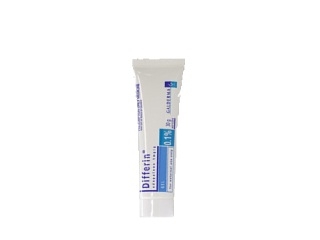
Adapalene is a widely used topical medicine for acne. It belongs to the retinoid family and helps improve the appearance of blemishes, blackheads and whiteheads, and supports clearer skin over time. This page explains how adapalene works, how to use it safely and effectively, and what to expect during treatment.
Quick product overview
- Medicine: Adapalene (topical retinoid)
- What it treats: Acne (including blackheads, whiteheads, and inflammatory spots)
- Common forms: Cream or gel (available in different strengths depending on brand/product)
- Where to use: Usually on the face; sometimes on the chest or back if recommended
- How it works: Helps normalise skin cell turnover and reduces acne-related inflammation
- Key timing: Results typically take weeks; full benefit may take several months
How adapalene works (mechanism of action)
Adapalene works at the skin-cell level. Acne often develops when pores become clogged with dead skin cells and sebum (oil). These clogs can lead to comedones (blackheads and whiteheads) and, in time, may contribute to inflammation and red, sore spots.
Adapalene is a topical retinoid. It helps to:
- Normalise keratinisation: it encourages skin cells to shed in a more orderly way, reducing clogging.
- Prevent comedone formation: less blockage means fewer new blackheads and whiteheads.
- Reduce inflammation: it can help lower acne-associated redness and swelling.
- Promote clearer skin texture: with ongoing use, pores appear less congested and bumps may reduce.
Pharmacokinetics (how the body handles it)
Adapalene is applied to the skin and is absorbed through the skin at low levels. Most of the medicine remains in the outer skin layers to exert its local effect.
- Absorption: generally low systemic absorption when used as directed.
- Metabolism: if absorbed, it is metabolised mainly in the body (details vary by route and study design).
- Elimination: metabolites are cleared primarily via normal body elimination pathways.
In practical terms: when used correctly and only on affected areas, adapalene is designed to act mainly where acne forms, rather than affecting the whole body.
Typical uses and indications
Adapalene is used to treat acne vulgaris, which may include:
- Comedonal acne: blackheads and whiteheads
- Papulopustular acne: red spots and pimples
- Mixed acne: both comedones and inflammatory lesions
Your healthcare professional or pharmacist can advise whether adapalene alone is suitable for your type of acne, or whether combination therapy may provide better results.
How to use adapalene: dosing and timing
Follow the directions on your product label and the advice from your pharmacist. As a general guide, topical adapalene is used once daily.
Typical dosing (general guidance)
- Frequency: usually once daily (often at night)
- Amount: use a pea-sized amount for the whole face (unless your product instructions specify otherwise)
- Where to apply: a thin layer over acne-prone areas, not just on individual spots
- Hands: wash hands after applying unless you’re applying to your hands
- Avoid: eyes, lips, corners of the nose, and any broken or irritated skin
When to apply (best timing)
Many people prefer to apply adapalene in the evening because:
- it’s part of a consistent routine
- it may reduce exposure to daytime irritation from the skin-barrier effects that can occur early on
- it avoids mixing with other active skincare steps in the morning
Tip: Start on a schedule that your skin can tolerate, for example every other night for the first 1–2 weeks, then move to nightly use if your skin is comfortable.
Step-by-step practical routine
- Cleanse: gently wash with a mild, non-scrubbing cleanser.
- Dry the skin: wait until the skin is completely dry before applying.
- Apply a thin layer: spread evenly over the acne-prone areas.
- Moisturise (optional but often helpful): use a non-comedogenic moisturiser if needed.
How long until you see results?
Acne treatment is gradual. It’s common to notice:
- Early changes: sometimes within 2–4 weeks
- More noticeable improvement: around 6–12 weeks
- Best results: may take several months
If you experience increased irritation or temporary “purging” (more visible bumps early on), continue using consistently if tolerated, but reduce frequency if your skin becomes too inflamed.
Food interactions
Because adapalene is applied to the skin and only low amounts reach the bloodstream, it does not typically have clinically relevant interactions with food. There are no known dietary restrictions specifically tied to adapalene.
For best skin comfort, staying well hydrated and maintaining a balanced diet can support overall skin health, but these are supportive measures—not required for adapalene to work.
Alcohol and medicine interactions
Adapalene topical use does not usually have a direct interaction with alcohol. However, two practical points matter:
- Skin irritation: alcohol-containing skincare products (e.g., some toners) can worsen dryness or stinging when used with retinoids.
- Other medications: if you use multiple topical acne products, some combinations can increase irritation.
If you’re taking other medicines, including acne products or treatments for skin conditions, consult your pharmacist to check compatibility and to avoid overlapping irritants.
Potential side effects and safety profile
Like other topical retinoids, adapalene can cause irritation—especially during the first weeks of treatment. Many side effects are mild and improve with proper use.
Common side effects
- Dryness
- Redness or mild skin irritation
- Peeling
- Stinging or burning sensation, particularly when first starting
- Sensitivity to sunlight
Less common reactions
- Severe dermatitis (significant rash, intense burning, swelling)
- Skin cracking or worsening irritation
- Allergic-type reactions (rare)
When to seek urgent advice
Stop using the product and seek urgent medical advice if you experience:
- facial swelling, blistering, or widespread rash
- severe burning that doesn’t settle after stopping
- signs of an allergic reaction
Who should be extra cautious?
- Very sensitive skin: start slowly and moisturise regularly.
- Eczema or inflamed skin: avoid applying to active eczema or damaged areas.
- Fresh waxing, chemical exfoliation, or aggressive scrubbing: avoid until the skin is fully healed.
Practical use tips for better tolerance
The goal is to maximise acne control while minimising irritation. These tips can help.
1) Use a moisturiser
Many people tolerate adapalene better with a gentle moisturiser. Options include moisturisers labelled “non-comedogenic” and fragrance-free products.
2) Try the “sandwich method” (if irritated)
- Apply moisturiser to dry skin.
- Wait a few minutes.
- Apply a thin layer of adapalene.
- Optionally, apply moisturiser again after.
3) Avoid mixing with harsh skincare actives at the same time
Using several potentially irritating products together can increase redness and peeling. If you use other acne treatments, it may be safer to stagger them (for example, alternate nights).
Be cautious with products containing:
- strong exfoliating acids (for example, high-strength AHAs/BHAs)
- benzoyl peroxide applied at the same time in the same areas (may be overly irritating for some people)
- other retinoid products
- alcohol-based toners
4) Use sunscreen daily
Adapalene can make skin more sensitive. Use broad-spectrum sunscreen (SPF 30+ is often recommended) and protective clothing when exposed to sunlight.
5) Don’t overuse
More product does not necessarily work faster. Using too much can increase irritation without improving results.
Alternative acne treatment options
Acne is individual, and there are several effective options. Your pharmacist can help you choose an approach based on the type and severity of acne, your skin sensitivity, and your preferences.
Common alternatives (topical)
- Benzoyl peroxide: helps reduce acne bacteria and inflammation; useful for pimples
- Salicylic acid: can help with clogged pores and blackheads
- Azelaic acid: may help with acne and post-acne marks; often gentler for some people
- Other retinoids: different formulations may be available depending on availability and suitability
Combination approaches
Many acne plans combine an anti-clogging medicine with an anti-inflammatory or antibacterial option. Combination therapy can improve outcomes, but it should be introduced carefully to reduce irritation.
If you’re deciding between options, consider:
- Is your acne mostly blackheads/whiteheads (comedones) or mostly red bumps?
- How sensitive is your skin to moisturisers and exfoliants?
- Do you have a history of eczema or contact dermatitis?
Australia market and legal context (overview)
In Australia, acne treatments are available in a range of products and strengths. Some topical retinoids may be accessed through different supply pathways depending on product strength and classification.
Local availability can vary by brand, strength, and formulation (cream vs gel). Your pharmacist can guide you to suitable options based on what is currently available and appropriate for your skin needs.
Recent guidance and practical care considerations
Current clinical and skincare guidance consistently emphasises:
- Starting slowly to minimise irritation
- Using moisturisers and sunscreen to improve tolerability
- Patience with timeframes (improvement often takes weeks to months)
- Avoiding unnecessary additional irritants during early treatment
Because acne care is personalised, recommendations may also include adjusting frequency, changing the cleanser, or selecting compatible co-treatments if needed.
Delivery and availability (online pharmacy)
Adapalene products are often available for online purchase through Australian pharmacies, subject to stock availability and any applicable supplier requirements.
- Availability: depends on brand/formulation and current demand
- Delivery: typically sent to metro and regional locations across Australia
- Packaging: medicines are supplied in their original packaging where required
If you have specific preferences (gel vs cream, fragrance-free base, or a particular strength), check product listings or ask a pharmacist to help match the best option for your skin.
Safety considerations and important precautions
Skin irritation management
If you get dryness or stinging:
- reduce to every second night or a few nights per week
- increase moisturiser use
- avoid other exfoliating or irritating products temporarily
- ensure skin is fully dry before applying
Eye and lip safety
Avoid contact with eyes and mouth. If it accidentally gets in the eyes, rinse thoroughly with water.
Weather and environment
Cold, dry weather and windy conditions can worsen dryness. A gentle moisturiser and a consistent sunscreen routine can help maintain comfort.
FAQ
1) Is adapalene suitable for all skin types?
Many people can use adapalene, but sensitivity varies. If you have very reactive skin, start slowly (for example, every other night) and use moisturiser. Avoid applying to inflamed or damaged skin.
2) When should I apply adapalene—morning or night?
It’s commonly used at night. This helps you build a consistent routine and may reduce irritation. If you use it at another time, keep your skincare schedule consistent and protect your skin with sunscreen.
3) Can I use adapalene with other acne products?
Sometimes, yes—however, combining multiple active ingredients can increase irritation. Stagger products or ask your pharmacist which combinations are compatible for your skin and acne type.
4) Will adapalene make my skin purge or get worse at first?
Some people notice temporary worsening in the first weeks due to changes in clogged pores. If irritation becomes severe, reduce frequency and moisturise. If symptoms persist or worsen significantly, seek advice from a healthcare professional.
5) What moisturiser should I use?
Choose a gentle, fragrance-free moisturiser labelled non-comedogenic if possible. Apply after cleansing, and consider the “sandwich method” if you are sensitive.
6) Can I drink alcohol while using adapalene?
There is usually no direct interaction between topical adapalene and alcohol. The main concern is avoiding harsh alcohol-based skincare products and managing overall skin irritation.
7) Does food affect adapalene treatment?
Adapalene is applied to the skin with low systemic absorption, so food interactions are not typically relevant. There are no specific dietary restrictions linked to adapalene.
8) How should I store adapalene?
Store according to the packaging instructions, typically at room temperature and away from heat and direct sunlight. Keep the product sealed when not in use.
9) What if I miss a dose?
If you miss your scheduled application, apply it when you next remember—unless it’s close to your next dose. Do not apply extra to “catch up.”
10) When should I stop using adapalene?
You can continue long-term if it suits your skin and acne control plan. Stop and seek medical advice if you develop severe irritation, swelling, blistering, or signs of allergy.
11) Can I use adapalene on acne scars?
Adapalene is mainly for active acne. Some people see gradual improvement in skin texture and post-acne marks, but scars and pigment changes may require additional or different treatments.
12) How do I get the best results?
- Apply a thin layer to acne-prone areas consistently
- Moisturise and use sunscreen daily
- Give it time—often 6–12 weeks for clear improvement
- Avoid adding multiple irritating products at the same time
Summary
Adapalene is a topical retinoid that helps treat acne by supporting normal pore function and reducing acne-related inflammation. With gentle skincare, moisturising support, and daily sun protection, it can be an effective long-term option. Results take time, so consistent use and patience are key.