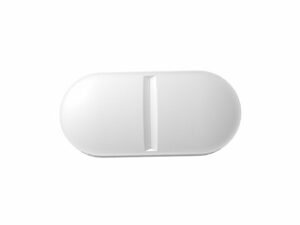
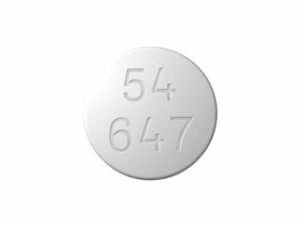
Cilostazol (Australia) – Patient-Friendly Product Guide
Cilostazol is a medicine used to help improve walking ability in people with certain circulatory problems. It belongs to a group of medicines that affect blood flow and platelet function, and it can also have a mild effect on blood vessels (vasodilation). This guide explains what cilostazol is, how it works, how it’s used, and what to consider to use it safely and effectively.
Important: This information is for general guidance. Always follow the instructions given by your healthcare professional and read the medicine label carefully.
Basic product information
| Item | Details |
|---|---|
| Medicine name | Cilostazol |
| Common uses | Improving walking distance in peripheral arterial disease (claudication) |
| Drug class (simplified) | Antiplatelet / vasodilator |
| Typical dosing schedule | Often twice daily, taken before meals (exact regimen depends on the product instructions) |
| Key cautions | Bleeding risk, heart rhythm/heart failure considerations, interactions with CYP enzymes |
| Availability | May be supplied by Australian pharmacies as an authorised product (availability may vary by region and supplier) |
What is cilostazol used for?
The most common reason for using cilostazol is to improve symptoms related to peripheral arterial disease (PAD), especially intermittent claudication.
Intermittent claudication is a painful cramping or discomfort in the legs that occurs when walking and improves with rest. This happens because blood flow to the muscles is reduced due to arterial narrowing.
By improving blood flow and reducing platelet “stickiness,” cilostazol can increase walking distance and help some people maintain mobility.
Indications (typical)
- Peripheral arterial disease with symptoms of intermittent claudication (to improve walking distance).
How cilostazol works (mechanism of action)
Cilostazol has several related effects that help with circulation in PAD:
- Antiplatelet action: Cilostazol inhibits platelet aggregation (the clumping together of platelets), which can improve microcirculation.
- Vasodilation: It may relax blood vessels, improving blood flow to working muscles during activity.
- Increased cyclic AMP (cAMP) in platelets: This contributes to reduced platelet activation and helps support its antiplatelet and vasodilatory effects.
Overall, cilostazol is intended to help you walk farther before leg pain forces you to stop.
Pharmacokinetics: how your body handles cilostazol
Understanding pharmacokinetics can help explain why timing and interactions matter. Below is a patient-friendly overview (details can vary by individual factors such as age, liver function, and other medicines).
Absorption
Cilostazol is absorbed after oral dosing. Food can affect how quickly and how much is absorbed, which is why timing around meals may be advised.
Distribution
It distributes throughout the body and can bind to plasma proteins (a common feature of many medicines).
Metabolism (breakdown)
Cilostazol is mainly metabolised in the liver, involving enzyme systems such as CYP3A4 and CYP2C19. Because of this, some medicines can change cilostazol levels and therefore affect effectiveness and side effect risk.
Excretion
Metabolites are excreted primarily via the kidneys and partly via other routes.
Half-life (how long it lasts)
Cilostazol and its active metabolites have a duration long enough to support typical twice-daily regimens for many patients.
Typical use and timing
Cilostazol is usually taken regularly to maintain its effect. It is often prescribed twice daily. Many products recommend taking it before meals to help absorption.
Common timing guidance
- Take doses at about 12-hour intervals if prescribed twice daily.
- Consider taking each dose before breakfast and before dinner, unless your clinician or the product instructions say otherwise.
- If you miss a dose, take it when you remember—however, do not double up to make up for a missed dose.
Your specific schedule may differ. If your medicine pack instructions provide different timing, follow the pack instructions or your healthcare professional’s advice.
Food interactions
Food can influence how quickly cilostazol is absorbed. For this reason, cilostazol is commonly recommended to be taken before meals.
Practical meal tips
- Aim to take it at least 30 minutes before eating (or as directed by your product instructions).
- If you often forget before meals, speak with your pharmacist—adjusting timing while keeping dosing consistent can help.
In general, occasional variation in meal timing is unlikely to cause major problems, but frequent changes may affect symptom control.
Alcohol and medicine interactions
Alcohol may increase the risk of side effects for some medicines and can contribute to dizziness or bleeding risk depending on your overall health and the medicines you take.
Alcohol with cilostazol
- Moderation is advised. Avoid heavy drinking.
- Be cautious if you notice headaches, dizziness, or palpitations after alcohol.
- If you have a history of bleeding problems, ulcers, or are taking other blood-thinning medicines, ask your pharmacist or clinician for advice.
Important medicine interactions (high level)
Cilostazol can interact with other medicines—especially those affecting liver enzymes involved in cilostazol metabolism. Interactions can change cilostazol levels or increase the risk of adverse effects.
- Other antiplatelet or anticoagulant medicines (e.g., aspirin, clopidogrel, warfarin, and some others): may increase bleeding risk.
- Strong inhibitors of CYP3A4 or CYP2C19: can increase cilostazol levels, raising the chance of side effects.
- Strong inducers of CYP enzymes: can reduce cilostazol levels, potentially decreasing effectiveness.
- Some antifungals/antibiotics and heart rhythm medicines: may interact depending on the specific product.
Please check your current medication list with a pharmacist before starting or stopping any medicines. This includes prescription medicines, over-the-counter products, and herbal supplements.
Safety profile: common side effects and serious risks
Like all medicines, cilostazol can cause side effects. Many people experience mild, temporary effects, but some effects may require urgent medical attention.
Common side effects
- Headache
- Dizziness
- Palpitations (awareness of heartbeat)
- Diarrhoea or stomach upset
- Nausea
- Fluid retention (in some cases)
Serious side effects (seek medical help promptly)
- Signs of bleeding: unusual bruising, black/tarry stools, vomiting blood, or coughing blood.
- Severe or persistent chest pain, fainting, or new severe shortness of breath.
- Severe allergic reactions: swelling of face/lips, trouble breathing, or widespread rash.
- Worsening heart symptoms such as fluid build-up, rapid weight gain, or increasing breathlessness.
Who should be extra cautious?
Discuss cilostazol with your clinician if you have (or have had):
- Heart failure or reduced heart pumping function.
- Bleeding disorders or a history of bleeding problems.
- Major surgery or planned procedures soon.
- Liver impairment or kidney impairment (dose adjustments or monitoring may be needed).
- Uncontrolled heart rhythm issues.
Dosing: how cilostazol is commonly taken
Dosing varies by patient and product. The information below reflects typical prescribing patterns, but always use your prescribed dose and follow the packaging instructions.
Typical adult dosing (general)
- Often 50 mg twice daily (morning and evening), taken before meals.
- Some patients may receive a different dose depending on tolerability, age, and other medicines.
Your clinician may review your symptoms after a period of treatment to decide whether cilostazol is helping you enough to continue.
Do not change the dose without advice
If side effects occur, it’s usually safer to contact your pharmacist or clinician rather than stopping suddenly on your own.
Practical use tips (how to get the best benefit)
Cilostazol is most effective when paired with lifestyle measures for PAD. Many clinicians also recommend supervised exercise therapy and smoking cessation where relevant.
Practical tips
- Take it consistently: Try to keep the same morning and evening timing.
- Use walking exercise wisely: Walking to near the point of leg discomfort and then resting can help; follow your clinician’s plan.
- Stop smoking: If you smoke, stopping is one of the most impactful PAD measures.
- Manage cardiovascular risk: Blood pressure, cholesterol, diabetes control, and weight management support arterial health.
- Track your progress: Note changes in how far you can walk before pain.
- Watch for bleeding: If you bruise easily or notice blood in stools or urine, seek advice.
Safety precautions and monitoring
Monitoring needs can differ among individuals. Your healthcare professional may check your response to treatment and review any side effects.
Consider discussing the following
- Any history of heart disease, especially heart failure or rhythm problems.
- Whether you take aspirin, other antiplatelets, or blood thinners.
- Whether you take medicines that affect liver enzymes (some antibiotics, antifungals, or heart medicines).
- Any planned dental work or surgery (bleeding risk may be relevant).
Alternative options for intermittent claudication (overview)
PAD treatment often includes multiple approaches: lifestyle changes, exercise therapy, and medications to reduce cardiovascular risk. If cilostazol is not suitable or not effective for you, your healthcare professional may consider alternatives.
Potential alternatives (discuss with a clinician)
- Supervised exercise therapy (first-line for many people): often improves walking distance regardless of drug choice.
- Risk-reduction medicines (for cardiovascular protection): such as statins and blood pressure/diabetes medicines as appropriate.
- Other antiplatelet therapy: depending on your overall cardiovascular plan and bleeding risk.
- Procedures/surgery in selected cases: angioplasty or other vascular interventions when symptoms are severe or not responding to conservative treatment.
Not all alternatives directly replicate cilostazol’s effect on walking distance, so the “best” option depends on your specific PAD severity, other health conditions, and overall risk profile.
Market and legal context for Australia (high-level)
In Australia, medicines are regulated to help ensure safe supply and appropriate use. The availability of cilostazol through online and physical pharmacies depends on local scheduling, authorised product listings, and dispensing requirements.
This page is intended to support informed decision-making about use and safety. Pharmacy supply practices in Australia aim to comply with Australian regulatory requirements, including identification and appropriate counselling where needed.
Recent guidance and clinical practice themes
Clinical approaches for PAD typically emphasise:
- Exercise therapy as a core component.
- Cardiovascular risk reduction (e.g., statins, smoking cessation).
- Medication choice tailored to symptoms and patient risk, including bleeding and cardiovascular considerations.
- Reassessment over time to ensure continued benefit and tolerability.
Your clinician may also update your regimen based on changes in symptoms, other medications, or new evidence.
Delivery and availability
Availability and delivery options vary by pharmacy and region across Australia. When ordering online, you may see:
- Estimated delivery times at checkout
- Secure packaging practices to protect tablets from damage
- Tracking information (depending on the delivery service)
- Support via customer service if you need help with product details or order status
If cilostazol stock is temporarily unavailable, your pharmacy may provide alternatives, restock estimates, or guidance on ordering the next available supply.
Storage and handling
- Store tablets in their original container to protect them and support correct identification.
- Keep out of reach of children.
- Store at room temperature unless your pack advises otherwise.
- Check the pack for expiry date and storage instructions.
FAQ about cilostazol
1) How long does it take for cilostazol to work?
Some people notice improvement in walking tolerance after starting, but the full benefit may take days to weeks. Your healthcare professional may reassess whether it’s helping and how you are tolerating it over time.
2) Should I take cilostazol with food?
Cilostazol is often recommended to be taken before meals to support absorption. Follow your product label or the directions provided by your pharmacist or clinician.
3) What if I miss a dose?
Take it when you remember unless it’s close to your next dose. Do not double up. If you’re unsure, ask your pharmacist for advice based on your schedule.
4) Can I take cilostazol with aspirin or other blood thinners?
Combining medicines that affect platelets or clotting can increase bleeding risk. Some patients may use antiplatelet therapy alongside cilostazol depending on their condition, but this should be managed by your healthcare professional.
5) Who should not use cilostazol or should use it cautiously?
People with certain heart conditions (particularly heart failure), those with bleeding risks, significant liver or kidney impairment, and those taking interacting medicines may need extra caution. Always discuss your medical history and medication list.
6) What side effects are most common?
Common side effects include headache, dizziness, palpitations, diarrhoea, and nausea. If side effects are troublesome or persistent, speak with your pharmacist or clinician.
7) What symptoms mean I should seek urgent help?
Seek urgent medical advice if you have signs of significant bleeding (such as black stools or coughing/vomiting blood), severe chest pain, fainting, severe breathlessness, or symptoms of a serious allergic reaction.
8) Can I drink alcohol while taking cilostazol?
Moderate alcohol use may be acceptable for some people, but heavy drinking can worsen side effects and increase risk when combined with other medicines. If you have concerns—especially about bleeding or heart symptoms—ask your pharmacist.
9) Are there drug interactions I should know about?
Yes. Cilostazol may interact with medicines that affect liver enzymes (e.g., certain antifungals, antibiotics, and some heart medicines) and with other antiplatelet or anticoagulant medicines. Review your entire medication list with your pharmacist.
10) What lifestyle changes improve PAD symptoms alongside cilostazol?
Exercise therapy, smoking cessation, healthy diet, weight management, and control of blood pressure, cholesterol, and diabetes are key. These strategies support overall arterial health and can improve walking distance.
Summary
Cilostazol is used to help improve walking distance in people with peripheral arterial disease and intermittent claudication. It works by reducing platelet aggregation and helping blood vessels dilate, supporting blood flow to working muscles. For best results, it’s typically taken twice daily and often before meals. Because cilostazol can interact with other medicines and may increase bleeding risk, it’s important to review your medication list and watch for side effects—especially if you have heart disease or a history of bleeding.
If you have questions about whether cilostazol is suitable for you, or how to manage timing and interactions with your current medicines, speak to a pharmacist or healthcare professional.