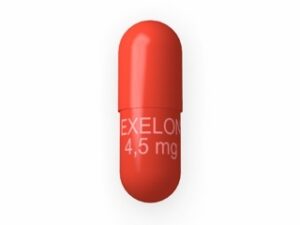

Eplerenone: Patient-Friendly Guide (Australia)
Eplerenone is a medicine used to treat certain heart conditions—particularly in people with reduced heart pumping function and increased risk after a heart attack. This guide explains how it works, how it’s taken, common safety considerations, and what to expect in day-to-day use in Australia.
Always follow the instructions provided by your healthcare professional and the directions on your medicine label. If you have questions about whether eplerenone is suitable for you, consult a pharmacist or clinician.
Basic product information
| Item | Details |
|---|---|
| Generic name | Eplerenone |
| Medicine class | Aldosterone antagonist (mineralocorticoid receptor antagonist) |
| Common form | Oral tablets (strengths vary by brand/supplier) |
| Typical dosing frequency | Once or twice daily depending on the prescribed regimen |
| Key safety monitoring | Blood potassium (K+) and kidney function |
| Common side effects | Low blood pressure, dizziness, elevated potassium, and stomach upset (varies) |
How eplerenone works (mechanism of action)
Eplerenone blocks the actions of aldosterone at the mineralocorticoid receptor. Aldosterone is a hormone that helps regulate salt and water balance. In some people with heart failure, aldosterone contributes to fluid retention, worsening heart strain, and harmful changes in the heart and blood vessels.
By antagonising aldosterone, eplerenone helps:
- Reduce sodium and water retention (helping relieve strain on the heart)
- Lower the risk of further heart deterioration
- Reduce harmful cardiac remodelling (changes in the size and function of heart tissue)
- Promote more stable cardiovascular status over time
Unlike some older medicines in the same class, eplerenone is generally considered more selective and has less interaction with androgen/progesterone receptors.
Pharmacokinetics: what the body does to eplerenone
“Pharmacokinetics” describes how a medicine is absorbed, distributed, metabolised, and eliminated. While individual results vary, the following are typical features:
- Absorption: Eplerenone is taken by mouth. Food can affect absorption, so consistent administration with respect to meals can help maintain steady drug exposure.
- Distribution: It distributes throughout the body and reaches therapeutic levels for heart-related benefits.
- Metabolism: Eplerenone is primarily broken down in the liver, involving the CYP3A4 enzyme system.
- Elimination: The medicine and its metabolites are cleared largely via hepatic pathways, with some contribution from renal excretion.
- Half-life (practical meaning): Eplerenone has a dosing interval that allows once- or twice-daily regimens depending on the product and patient factors.
Because kidney function and liver metabolism can influence drug levels, clinicians may adjust dosing and monitoring in people with kidney impairment or liver disease.
Typical use in clinical practice
Eplerenone is used to improve outcomes in certain people with:
- Heart failure: Particularly chronic heart failure with reduced left ventricular function, often alongside other heart medicines.
- After myocardial infarction (heart attack): In selected patients after a heart attack who have reduced left ventricular function and/or clinical indicators of increased risk.
Eplerenone is typically used as part of a broader heart treatment plan that may also include medications such as beta-blockers, ACE inhibitors/ARBs, and other cardioprotective therapies.
Indications (what it may be used for)
In Australia, eplerenone is used according to accepted prescribing indications and product information. Common indications include:
- Reduced ejection fraction heart failure (chronic heart failure with reduced left ventricular function)
- Post–heart attack management in patients with left ventricular dysfunction, to help reduce risk of cardiovascular events
Your clinician will determine whether your diagnosis, test results, and current medicines make eplerenone appropriate. This decision commonly considers blood potassium and kidney function.
When to take eplerenone (timing and consistency)
Timing can affect how steady the medicine level stays in your body. Follow your prescription directions. As a general patient approach:
- Take it at the same times each day to maintain consistent coverage.
- Choose a routine (e.g., morning and evening) that fits your other medicines.
- If you miss a dose: Take it as soon as you remember on the same day. If it’s near the next dose, skip the missed dose—do not double up.
- Give your body time: Benefits develop over weeks as part of ongoing heart therapy and monitoring.
Food interactions
Food can influence how eplerenone is absorbed. To help maintain predictable exposure:
- Follow label instructions regarding whether to take with or without food.
- If your prescriber advises a consistent approach, keep it consistent (e.g., always with a meal or always on an empty stomach, depending on your specific directions).
There are no universal “avoid all foods” rules, but your clinician may recommend consistency in meal timing. If you’re unsure, ask your pharmacist for guidance tailored to your brand and regimen.
Alcohol and medicine interactions
Alcohol is not a direct contraindication for most people taking eplerenone, but it may increase dizziness or cause blood pressure changes, especially when combined with other heart medicines.
- Limit alcohol if you feel lightheaded, particularly when standing up.
- If you drink alcohol regularly, discuss it with your clinician—this is especially important if you also have liver disease or are taking multiple blood pressure medicines.
The safest approach is to follow your doctor’s advice and monitor how you feel after alcohol. If you experience fainting, severe dizziness, or worsening symptoms, seek medical advice promptly.
Medicine interactions (important)
Eplerenone interacts with medicines that affect potassium levels or liver enzyme pathways (especially CYP3A4). These interactions can be clinically significant.
Interactions that may increase potassium
Because eplerenone can raise blood potassium, combining it with other medicines that also raise potassium may lead to hyperkalaemia, which can be dangerous.
- Potassium supplements
- Salt substitutes (often contain potassium chloride)
- Other potassium-sparing diuretics (e.g., amiloride, triamterene)
- ACE inhibitors (e.g., perindopril, ramipril)
- ARBs (e.g., losartan, valsartan)
- Some non-steroidal anti-inflammatory drugs (NSAIDs) when used regularly or at higher doses (e.g., ibuprofen, naproxen)
Note: In many heart failure regimens, ACE inhibitors/ARBs are used alongside eplerenone—however, potassium monitoring is essential and doses may require adjustment.
Interactions affecting liver metabolism (CYP3A4)
Eplerenone is metabolised by CYP3A4. Medicines that strongly inhibit this enzyme may increase eplerenone levels and raise the risk of side effects, including high potassium.
- Strong CYP3A4 inhibitors (example categories): certain antifungals (e.g., ketoconazole), some macrolide antibiotics (e.g., clarithromycin), and certain HIV protease inhibitors.
Your pharmacist can check your medication list for interactions. Tell them about:
- All prescription medicines
- Over-the-counter medicines
- Herbal products and supplements
- Any recent changes in therapy
Dosing: how it’s commonly prescribed
Dosing depends on your diagnosis, kidney function, potassium level, and how you respond to treatment. Clinicians often start at an appropriate dose and adjust gradually based on blood tests.
- Initial dosing: Typically begins with a lower dose to assess tolerance and potassium levels.
- Adjustments: May increase the dose over time if potassium and kidney function remain within safe ranges.
- Monitoring-based changes: If potassium rises, dosing may be reduced or temporarily stopped.
Because specific dosing regimens vary, this guide does not replace the exact instructions on your medication label. Always follow your prescribed directions.
Safety profile: what to watch for
Like all medicines, eplerenone can cause side effects. Many people tolerate it well, especially when monitoring is done regularly.
Most important risk: raised potassium
The key safety concern with eplerenone is hyperkalaemia (high potassium). This risk is higher if you have:
- Reduced kidney function
- Diabetes with kidney involvement
- Concomitant medicines that increase potassium
- Older age or dehydration
Symptoms of high potassium can be subtle or absent. Some people may notice:
- Muscle weakness
- Tingling or unusual sensations
- Nausea
- Heart palpitations
If you feel unwell or experience severe weakness, fainting, or palpitations, seek urgent medical advice.
Other possible side effects
- Dizziness or lightheadedness (especially when standing)
- Low blood pressure symptoms
- Headache
- Diarrhoea or stomach upset
- Fatigue
Not all side effects occur in every person. If side effects bother you or worsen, speak with your pharmacist or clinician.
Practical use tips for everyday life
- Attend blood test monitoring: eplerenone typically requires periodic checks of potassium and kidney function, especially after starting or changing dose.
- Keep a current medicine list: Include prescription items, OTC products, and supplements. Bring it to your appointments.
- Be cautious with “natural” products: Some supplements may affect blood pressure, kidney function, or potassium balance.
- Avoid potassium-containing salt substitutes: If you use one, ask your pharmacist about safer alternatives.
- Hydration matters: If you’re unwell with vomiting/diarrhoea or unable to drink normally, contact your healthcare provider—dehydration can increase the risk of kidney-related complications.
- Stand up slowly: If you feel lightheaded, rise slowly from sitting or lying positions.
When to seek medical advice promptly
Contact a healthcare professional urgently if you experience:
- Severe or persistent dizziness/fainting
- New or worsening irregular heartbeat, palpitations, or chest discomfort
- Marked muscle weakness
- Signs of kidney problems (reduced urination, severe swelling)
- Allergic symptoms (e.g., facial swelling, difficulty breathing)
If symptoms are severe or life-threatening, call emergency services.
Alternative options
Treatment choice depends on the underlying heart condition and your individual test results. Alternatives to eplerenone may include other medications that manage heart failure and reduce risk, sometimes including medicines in the same broad class or other pathways.
Possible alternative mineralocorticoid receptor antagonists
- Spironolactone: Another aldosterone antagonist commonly used for heart failure.
Which option is best depends on tolerability, side effect profile, and monitoring needs. Some people may prefer one option due to differences in hormonal side effects or dosing schedule.
Other heart failure options (classes)
- Beta-blockers
- ACE inhibitors or ARBs
- ARNI therapy (where appropriate)
- SGLT2 inhibitors (in selected patients)
- Diuretics for fluid control
Don’t switch medicines without professional guidance, as stopping or changing therapy can affect stability and safety.
Market and legal context for Australia
In Australia, medicines are regulated under the Therapeutic Goods Administration (TGA) framework and supplied through licensed channels. Eplerenone is an established prescription medicine, and its use is governed by Australian product information, safety monitoring requirements, and prescribing practices.
Availability and specific pack sizes may vary depending on supplier and pharmacy stock. Your local pharmacist can help confirm the exact brand, strength, and availability for your area.
Recent guidance and monitoring trends
Heart failure management evolves as new evidence emerges. Current practice in Australia emphasises:
- Regular laboratory monitoring (particularly potassium and renal function) when using aldosterone antagonists
- Careful assessment of drug interactions before starting or increasing dose
- Individualised dosing based on test results and clinical stability
- Use of guideline-based combination therapy where appropriate (so that eplerenone works alongside other proven treatments)
If you’re unsure how these principles apply to you, ask your clinician or pharmacist about your specific monitoring schedule.
Delivery and availability (online pharmacy)
Online pharmacies in Australia typically supply eplerenone tablets in different strengths depending on brand and stock. Availability can vary by location and supply timing.
- Confirm stock: Many websites show real-time availability or delivery time estimates.
- Shipping timeframes: Delivery can depend on your postcode, courier schedules, and whether the item is held in local stock.
- Packaging: Medicines are usually packed to protect tablets from moisture and damage during transit.
- Receiving medication: Ensure you store tablets as directed on the label (commonly in a cool, dry place).
If you need a repeat supply, allow extra time for processing and delivery—especially if you have upcoming monitoring tests.
FAQ
1) What is eplerenone used for?
Eplerenone is used in specific heart conditions, such as chronic heart failure with reduced left ventricular function, and in some patients after a heart attack when there is evidence of reduced left ventricular function and increased risk.
2) How long does it take to work?
Some effects may be noticed sooner, but for heart failure outcomes, benefits typically build over weeks as part of ongoing therapy. Your clinician will also use blood tests and clinical review to monitor progress and safety.
3) Why do I need blood tests?
The most important reason is to monitor potassium levels and kidney function. Eplerenone can raise potassium, which may require dose adjustment for safety.
4) Can I take eplerenone with other heart medicines?
Often yes. Many patients take eplerenone alongside other heart therapies. However, because some combinations can increase potassium, clinicians decide the safest regimen and monitoring schedule for you.
5) Can I stop eplerenone if I feel better?
Do not stop suddenly unless your clinician tells you to. Stopping may increase the risk of worsening heart function and symptoms. If you’re concerned about side effects or feel unwell, speak to a healthcare professional before changing the dose.
6) What foods should I avoid?
There isn’t a specific universal “food to avoid,” but consistency with meal timing may be advised depending on your product instructions. Also avoid potassium-containing salt substitutes unless your clinician specifically approves them.
7) Is it safe to drink alcohol?
Small amounts may be safe for some people, but alcohol can worsen dizziness or blood pressure effects and may be problematic if you have liver disease or are dehydrated. If you plan to drink, discuss it with your pharmacist or clinician.
8) What should I do if I miss a dose?
If you remember soon, take it when you can on the same day. If it’s close to your next dose, skip the missed dose. Do not double up.
9) Who should be extra careful with eplerenone?
People with kidney impairment, higher baseline potassium, older age, diabetes, dehydration, liver disease, or those taking interacting medicines should be monitored more closely. Always provide a full medication history to your pharmacist.
10) Are there alternatives if eplerenone isn’t suitable?
Yes. Depending on your situation, clinicians may consider different heart failure medicines, including other aldosterone antagonists such as spironolactone, as well as medicines that target other pathways.
Important: This information is general and not a substitute for professional advice. If you have specific questions about your medicines, allergies, or test results, contact your pharmacist or clinician.